Afghan Bamya Recipe Cook Okra Stew Today!
Afghan Bamya Recipe Cook Okra Stew Today!

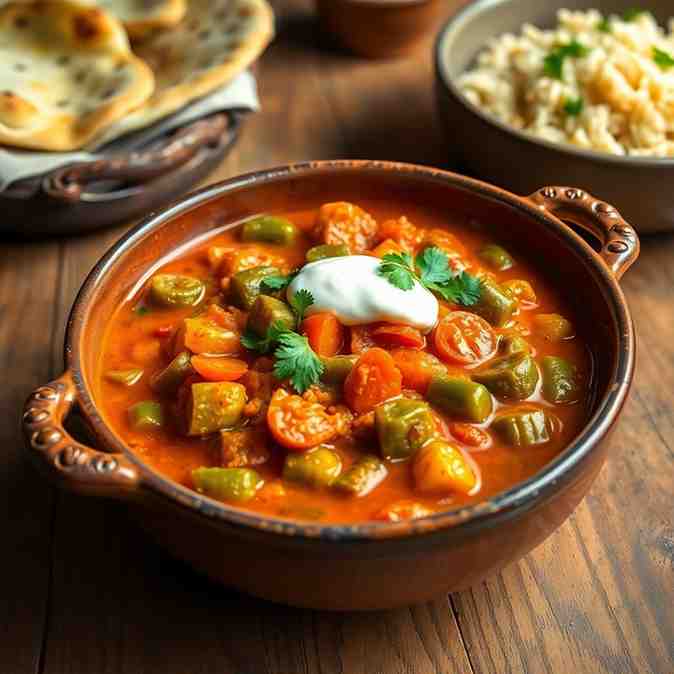
- Serves: 6 People
- Prepare Time: 30 minutes
- Cooking Time: 2 hours 30
- Calories: 480
- Difficulty: Medium
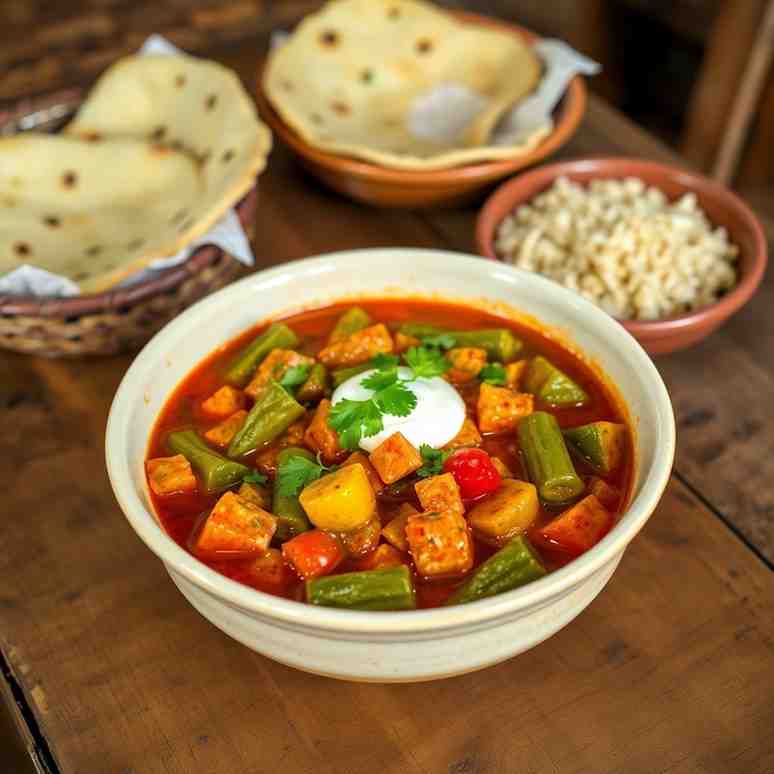
Hey there, fellow food lovers! Are you ready to dive into a truly delicious and authentic Afghan Bamya recipe? Bamya, also known as bamia or okra stew, is a beloved dish enjoyed across Afghanistan, the Middle East, and the Mediterranean. But trust us, the Afghan version holds a special place with its rich, aromatic flavors. This isn't just any generic okra stew recipe; this is a classic Afghan-style okra and lamb stew with tomatoes, made lovingly in one pot.
By following this guide, you'll:
Discover an authentic Afghan Bamya that goes beyond typical Middle Eastern versions.
Learn exactly how to cook okra with tomatoes without any weird slime—we've got all the secrets!
See which spices and ingredients you actually need for a truly flavorful stew (and smart substitutions for when you're in a pinch).
Understand the nutrition and benefits of this wholesome okra and tomatoes stew.
Follow step-by-step Afghan preparation with simple cues that make cooking a breeze, even for beginners.
Get ready to impress your taste buds and your family with this hearty, flavorful, and incredibly satisfying stew veg recipe!
Ingredients
Directions
Brown the Lamb & Build the Base
- Prep the Lamb: Pat your lamb pieces thoroughly dry with paper towels. Season them generously with ½ teaspoon of salt and ¼ teaspoon of black pepper.
- Brown the Lamb: Heat 2 tablespoons of oil in a heavy-bottomed pot or Dutch oven over medium-high heat until shimmering. Add the lamb in batches (don't overcrowd the pot!) and brown on all sides until well-colored, about 3-4 minutes per batch. Remove the browned lamb and set aside.
- Caramelize Onions: Reduce the heat to medium-low. Add the finely chopped onion to the pot (add another tablespoon of oil if needed). Cook slowly, stirring occasionally, for 15-20 minutes until the onions are deep golden brown and beautifully caramelized. This step is crucial for flavor!
- Add Aromatics & Spices: Stir in the minced garlic, ground coriander, cumin, turmeric, black pepper, and paprika (if using). Cook for another 1-2 minutes until fragrant, stirring constantly to prevent burning. Add the tomato paste and cook for 2-3 minutes more, stirring, until it darkens slightly and loses its raw smell.
Simmer Lamb in Tomato Broth
- Combine & Simmer: Pour in the crushed tomatoes or passata and 4 cups of hot water or broth. Stir well, scraping up any browned bits from the bottom of the pot
- Return Lamb: Return the browned lamb pieces to the pot. Bring the stew to a gentle simmer, then reduce the heat to low, cover the pot, and cook for 1.5 to 2 hours, or until the lamb is almost fork-tender. Check periodically and add more water/broth if the stew becomes too thick.
Add Okra & Finish the Stew
- Add Okra: Gently place the okra pods on top of the simmering stew. Don't stir them in immediately. Cover and let them steam for about 5 minutes, then gently submerge them into the sauce. If using chickpeas, add them now too.
- Continue Simmering: Continue to simmer, covered, for another 15-20 minutes, or until the okra is tender but still holds its shape. Avoid overcooking the okra to prevent mushiness.
- Brighten Flavors: Near the end of cooking, stir in the lemon juice or pomegranate molasses (if using). This adds a lovely brightness to the stew. If using fresh chili, add it now.
Rest, Taste & Adjust
- Rest: Remove the pot from the heat and let the stew sit, covered, for 5-10 minutes. This allows the flavors to meld beautifully.
- Taste & Adjust: Taste the stew and adjust seasonings as needed. Add more salt, pepper, or acid (lemon juice/pomegranate molasses) to your liking. If the stew is too thick, add a splash of hot water or broth; if it's too thin, simmer uncovered for a few minutes to reduce.
- Garnish: Stir in half of the fresh chopped cilantro or parsley just before serving, and use the rest for garnish.
Afghan Bamya Recipe Cook Okra Stew Today!
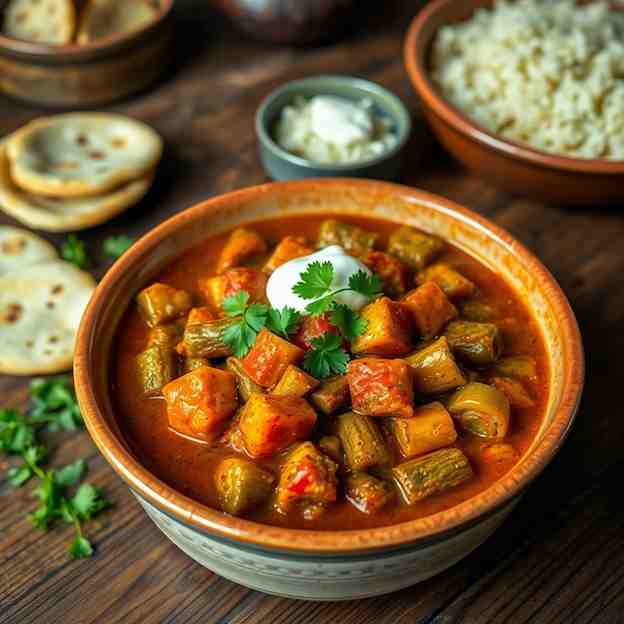
- Serves: 6 People
- Prepare Time: 30 minutes
- Cooking Time: 2 hours 30
- Calories: 480
- Difficulty: Medium
Hey there, fellow food lovers! Are you ready to dive into a truly delicious and authentic Afghan Bamya recipe? Bamya, also known as bamia or okra stew, is a beloved dish enjoyed across Afghanistan, the Middle East, and the Mediterranean. But trust us, the Afghan version holds a special place with its rich, aromatic flavors. This isn't just any generic okra stew recipe; this is a classic Afghan-style okra and lamb stew with tomatoes, made lovingly in one pot.
By following this guide, you'll:
Discover an authentic Afghan Bamya that goes beyond typical Middle Eastern versions.
Learn exactly how to cook okra with tomatoes without any weird slime—we've got all the secrets!
See which spices and ingredients you actually need for a truly flavorful stew (and smart substitutions for when you're in a pinch).
Understand the nutrition and benefits of this wholesome okra and tomatoes stew.
Follow step-by-step Afghan preparation with simple cues that make cooking a breeze, even for beginners.
Get ready to impress your taste buds and your family with this hearty, flavorful, and incredibly satisfying stew veg recipe!
Ingredients
Directions
Brown the Lamb & Build the Base
- Prep the Lamb: Pat your lamb pieces thoroughly dry with paper towels. Season them generously with ½ teaspoon of salt and ¼ teaspoon of black pepper.
- Brown the Lamb: Heat 2 tablespoons of oil in a heavy-bottomed pot or Dutch oven over medium-high heat until shimmering. Add the lamb in batches (don't overcrowd the pot!) and brown on all sides until well-colored, about 3-4 minutes per batch. Remove the browned lamb and set aside.
- Caramelize Onions: Reduce the heat to medium-low. Add the finely chopped onion to the pot (add another tablespoon of oil if needed). Cook slowly, stirring occasionally, for 15-20 minutes until the onions are deep golden brown and beautifully caramelized. This step is crucial for flavor!
- Add Aromatics & Spices: Stir in the minced garlic, ground coriander, cumin, turmeric, black pepper, and paprika (if using). Cook for another 1-2 minutes until fragrant, stirring constantly to prevent burning. Add the tomato paste and cook for 2-3 minutes more, stirring, until it darkens slightly and loses its raw smell.
Simmer Lamb in Tomato Broth
- Combine & Simmer: Pour in the crushed tomatoes or passata and 4 cups of hot water or broth. Stir well, scraping up any browned bits from the bottom of the pot
- Return Lamb: Return the browned lamb pieces to the pot. Bring the stew to a gentle simmer, then reduce the heat to low, cover the pot, and cook for 1.5 to 2 hours, or until the lamb is almost fork-tender. Check periodically and add more water/broth if the stew becomes too thick.
Add Okra & Finish the Stew
- Add Okra: Gently place the okra pods on top of the simmering stew. Don't stir them in immediately. Cover and let them steam for about 5 minutes, then gently submerge them into the sauce. If using chickpeas, add them now too.
- Continue Simmering: Continue to simmer, covered, for another 15-20 minutes, or until the okra is tender but still holds its shape. Avoid overcooking the okra to prevent mushiness.
- Brighten Flavors: Near the end of cooking, stir in the lemon juice or pomegranate molasses (if using). This adds a lovely brightness to the stew. If using fresh chili, add it now.
Rest, Taste & Adjust
- Rest: Remove the pot from the heat and let the stew sit, covered, for 5-10 minutes. This allows the flavors to meld beautifully.
- Taste & Adjust: Taste the stew and adjust seasonings as needed. Add more salt, pepper, or acid (lemon juice/pomegranate molasses) to your liking. If the stew is too thick, add a splash of hot water or broth; if it's too thin, simmer uncovered for a few minutes to reduce.
- Garnish: Stir in half of the fresh chopped cilantro or parsley just before serving, and use the rest for garnish.
The following nutritional values are per serving (one piece of cake) Calories Approximately 420-480 kcal per serving Carbohydrates Approximately 25-30g per serving Protein Approximately 30-35g per serving Fat Approximately 20-25g per serving Time-Saving Tools & Ingredients Here are a few handy tools and ingredients that can make preparing your Afghan Bamya even smoother and quicker: Problem: Chopping onions and mincing garlic can be time-consuming, especially when you need to caramelize onions for a long time. Problem: Achieving that deep, golden caramelized onion base requires finely chopped onions, which can take a while to prepare by hand. Problem: Trimming fresh okra pods one by one can be tedious, and finding small, tender fresh pods isn't always guaranteed. Click any ingredient for detailed nutritional information:Recipe Nutritional Values
Additional Information
Recipe Success Tips
Pro Tips, Variations & Storage
Ingredient Substitutions & Variations
How to Keep Okra from Getting Slimy
Fix It! (Troubleshooting Slimy or Mushy Okra):
Cultural Variations
Make-Ahead & Storage Instructions
Frequently Asked Questions
Recommended Kitchen Tools
Pre-Chopped or Frozen Aromatics
Agitate: This initial prep can sometimes deter home cooks from making delicious, complex stews from scratch.
Solution: Opt for pre-chopped frozen onions or jarred minced garlic. While fresh is always great, these shortcuts maintain flavor and significantly cut down on prep time.Food Processor for Onions
Agitate: Inconsistent chopping can lead to uneven caramelization, affecting the stew's final flavor and texture.
Solution: A food processor can quickly and uniformly chop your onions, making the caramelization process more efficient and consistent. Just be careful not to over-process into a paste!Frozen Baby Okra
Agitate: Larger, older okra pods can be tougher and more prone to sliminess, requiring extra care in preparation.
Solution: Frozen baby okra is often pre-trimmed and perfectly sized, ready to go into your stew. It saves prep time and often yields excellent, consistent results.Calories per Ingredient
You may also like


Hey there! I’m just someone who seriously loves good food and believes that cooking doesn’t have to be complicated to be amazing. Whether it’s a quick weeknight dinner or a cozy weekend meal, I’m all about sharing easy, tasty recipes that actually work.