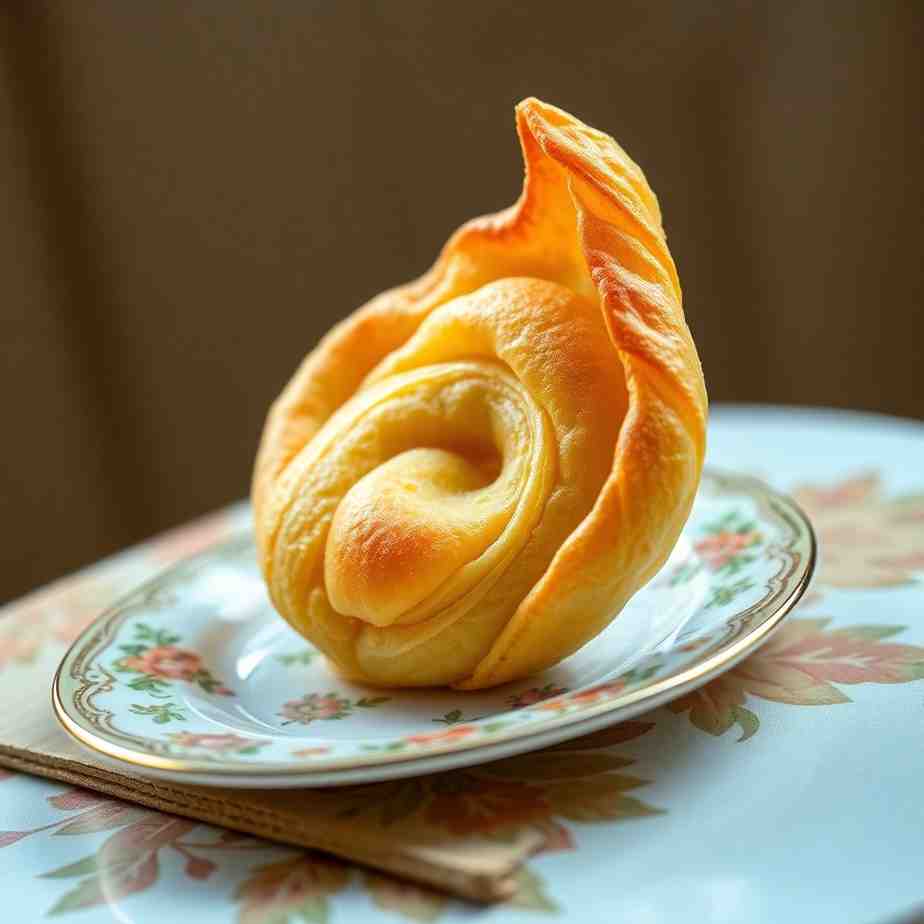
Malida Recipe Afghan Sweet Easy Dessert Ideas
Malida Recipe Afghan Sweet Easy Dessert Ideas
- Serves: 6 People
- Prepare Time: 20 minutes
- Cooking Time: 35 minutes
- Calories: 500
- Difficulty: Medium
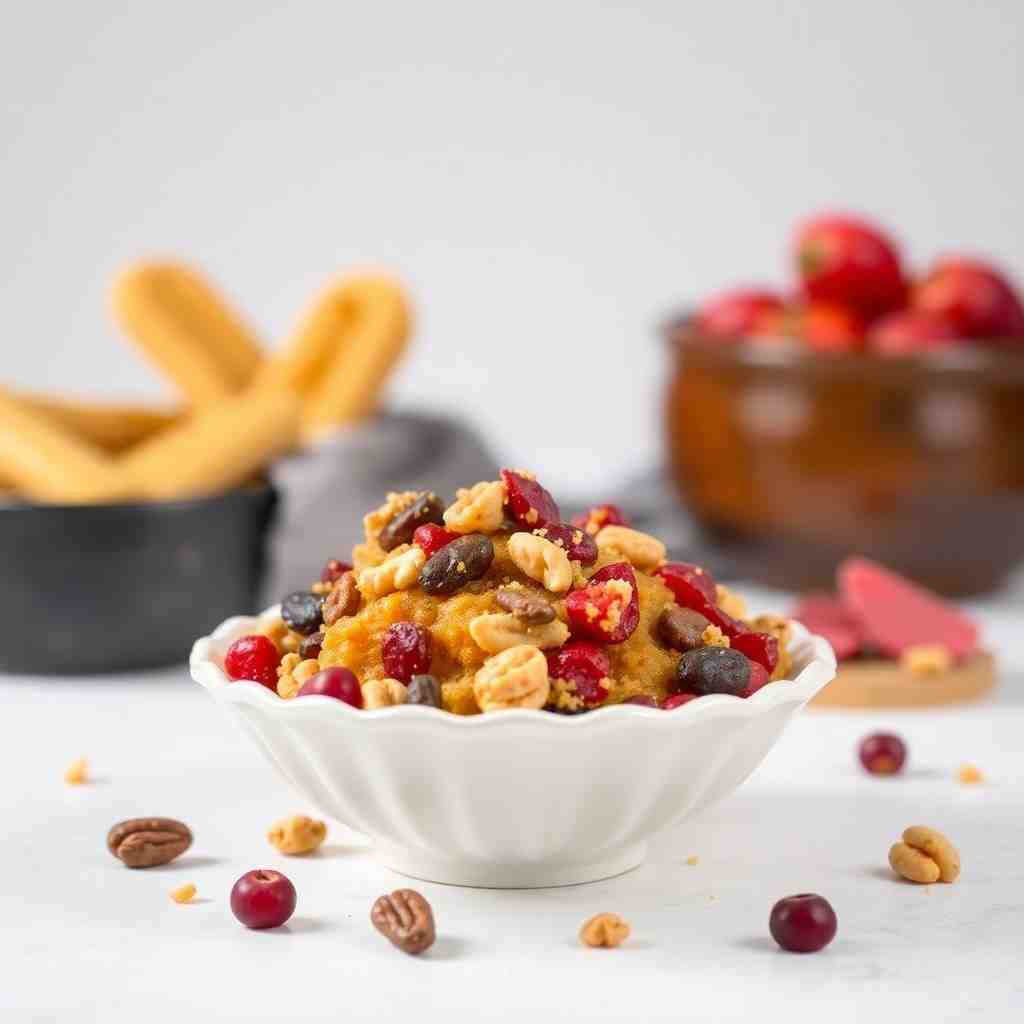
Ever wondered about the sweet secrets of Afghan kitchens? Get ready to dive into the delightful world of Malida! This traditional Afghan sweet, often enjoyed with a cup of hot tea, is a heartwarming crumble made from flatbread, rich ghee, and sweet jaggery, often studded with nuts and fragrant spices. It’s a true comfort food, perfect for special occasions like Eid or Nowruz, or simply for a cozy evening treat. While some search for milk powder recipes for quick desserts, this Malida offers a unique, authentic flavor profile that stands out.
In this guide, we’re bringing you a clear, easy to make healthy recipe for Afghan-style Malida. Forget confusing variations; we're focusing on one canonical method that guarantees delicious results. You'll learn how to transform simple ingredients into a rich, aromatic dessert that's both satisfying and incredibly rewarding to make. Whether you're a beginner looking for quick simple healthy recipes or an experienced baker wanting to find recipes with ingredients you have, this Malida recipe is designed for you. It's a fantastic way to explore healthy home cooked food and expand your repertoire of healthy eating recipes with a truly special dish. Let's get cooking!
Ingredients
Directions
- Make the Simple Flatbread
- In a large bowl, combine the whole wheat flour and salt. Add 1 tablespoon of oil or ghee and mix with your fingertips until crumbly
- Gradually add the warm water, mixing until a shaggy dough forms. Knead for 5-7 minutes on a lightly floured surface until the dough is firm but pliable and smooth. It shouldn't be too sticky or too dry.
- Cover the dough with a damp cloth and let it rest for at least 15-20 minutes. This helps the gluten relax, making it easier to roll.
- Divide the rested dough into 6-8 equal balls.
- On a lightly floured surface, roll each dough ball into a thin, round flatbread (roti), about 6-8 inches in diameter.
- Heat a flat pan or skillet (like a tawa) over medium-high heat. Cook each roti for about 1-2 minutes per side, until you see dry spots and light brown blisters. The goal is to cook them through but keep them soft, not crispy. Stack them as they cook.
- Dry & Crumble the Flatbread
- Let the cooked rotis cool completely and dry slightly on a wire rack for about 15-30 minutes. This helps them crumble better. If they feel too soft, you can gently toast them again on low heat for a minute or two to make them a bit crisper.
- Once cooled, tear the rotis into small pieces. Crumble them by hand into a large bowl, aiming for a mix of pea-sized bits and sandy crumbs. Alternatively, for a faster method, pulse them in a food processor until you achieve the desired texture. Be careful not to over-process into a fine powder.
- Toast Nuts & Aromatics in Ghee
- In a wide, heavy pan or kadai, melt the ½ cup ghee over medium-low heat.
- Add the chopped almonds, pistachios, and raisins. Gently toast them for 3-5 minutes, stirring frequently, until the nuts are lightly golden and fragrant. Be careful not to burn them.
- Just before removing from heat, add the ground cardamom and optional cinnamon. Stir for 30 seconds until fragrant.
- Scoop out about a tablespoon of the toasted nuts and raisins with a slotted spoon and set aside for garnish.
- Melt the Jaggery (Without Crystallizing)
- In the same pan (or a small separate saucepan), add the grated jaggery and 2 tablespoons of water.
- Heat over low-medium heat, stirring occasionally, until the jaggery completely melts and forms a smooth, glossy syrup. This should take about 3-5 minutes.
- Bring It All Together
- Return the crumbled roti and the remaining toasted nuts and raisins (from Step 3, excluding the garnish portion) to the pan with the melted ghee.
- Pour the warm, melted jaggery syrup evenly over the crumbled roti mixture.
- Using a spatula or wooden spoon, quickly toss and mix everything together until every crumb is coated with the sweet ghee-jaggery mixture. Work quickly before the jaggery cools and hardens.
- Taste, Adjust, and Serve
- Taste a small bit of the Malida and adjust for sweetness, spice, or richness if desired. You can add a pinch more cardamom or a drizzle of warm ghee if needed.
- Place the pan back on very low heat for 1-2 minutes, stirring gently. This helps bind the mixture and meld the flavors without frying it.
- Remove from heat, fluff with a fork, garnish with the reserved toasted nuts and raisins, and serve warm.
Malida Recipe Afghan Sweet Easy Dessert Ideas
- Serves: 6 People
- Prepare Time: 20 minutes
- Cooking Time: 35 minutes
- Calories: 500
- Difficulty: Medium
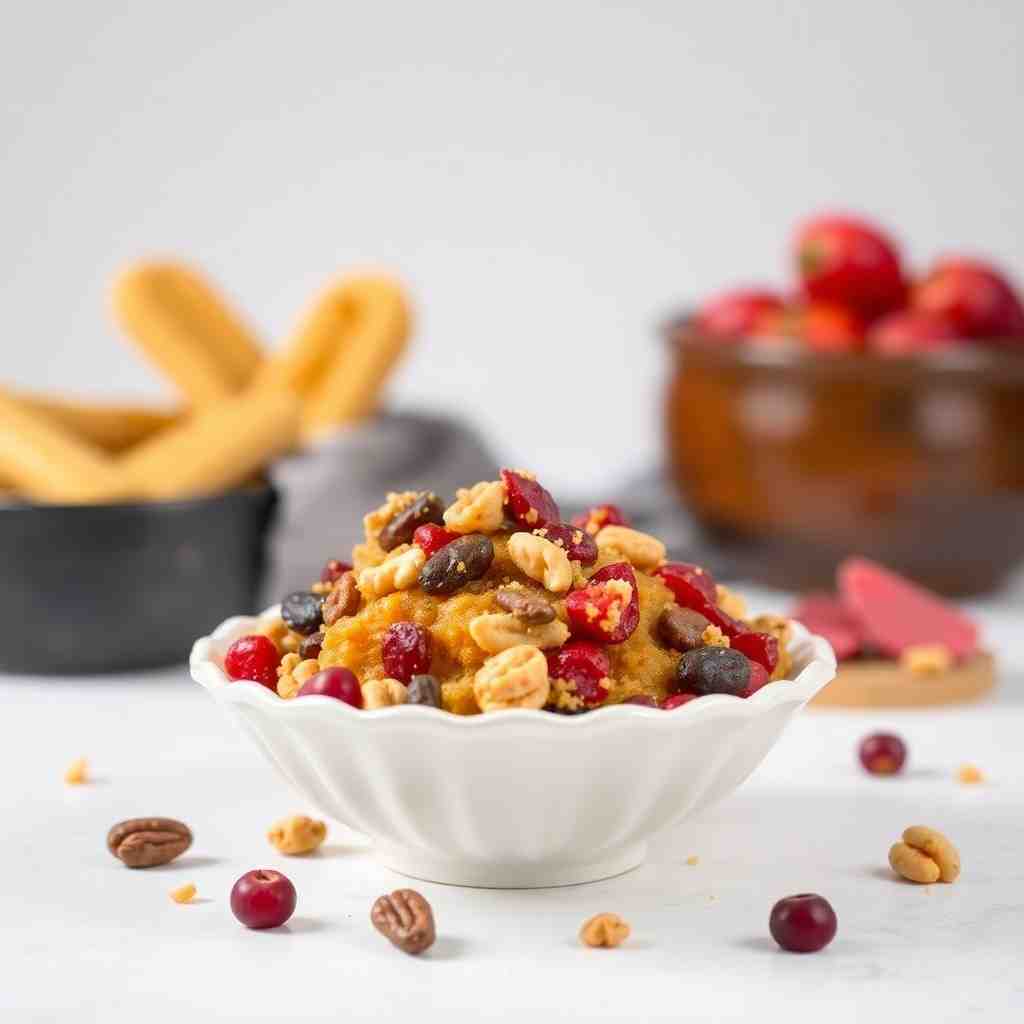
Ever wondered about the sweet secrets of Afghan kitchens? Get ready to dive into the delightful world of Malida! This traditional Afghan sweet, often enjoyed with a cup of hot tea, is a heartwarming crumble made from flatbread, rich ghee, and sweet jaggery, often studded with nuts and fragrant spices. It’s a true comfort food, perfect for special occasions like Eid or Nowruz, or simply for a cozy evening treat. While some search for milk powder recipes for quick desserts, this Malida offers a unique, authentic flavor profile that stands out.
In this guide, we’re bringing you a clear, easy to make healthy recipe for Afghan-style Malida. Forget confusing variations; we're focusing on one canonical method that guarantees delicious results. You'll learn how to transform simple ingredients into a rich, aromatic dessert that's both satisfying and incredibly rewarding to make. Whether you're a beginner looking for quick simple healthy recipes or an experienced baker wanting to find recipes with ingredients you have, this Malida recipe is designed for you. It's a fantastic way to explore healthy home cooked food and expand your repertoire of healthy eating recipes with a truly special dish. Let's get cooking!
Ingredients
Directions
- Make the Simple Flatbread
- In a large bowl, combine the whole wheat flour and salt. Add 1 tablespoon of oil or ghee and mix with your fingertips until crumbly
- Gradually add the warm water, mixing until a shaggy dough forms. Knead for 5-7 minutes on a lightly floured surface until the dough is firm but pliable and smooth. It shouldn't be too sticky or too dry.
- Cover the dough with a damp cloth and let it rest for at least 15-20 minutes. This helps the gluten relax, making it easier to roll.
- Divide the rested dough into 6-8 equal balls.
- On a lightly floured surface, roll each dough ball into a thin, round flatbread (roti), about 6-8 inches in diameter.
- Heat a flat pan or skillet (like a tawa) over medium-high heat. Cook each roti for about 1-2 minutes per side, until you see dry spots and light brown blisters. The goal is to cook them through but keep them soft, not crispy. Stack them as they cook.
- Dry & Crumble the Flatbread
- Let the cooked rotis cool completely and dry slightly on a wire rack for about 15-30 minutes. This helps them crumble better. If they feel too soft, you can gently toast them again on low heat for a minute or two to make them a bit crisper.
- Once cooled, tear the rotis into small pieces. Crumble them by hand into a large bowl, aiming for a mix of pea-sized bits and sandy crumbs. Alternatively, for a faster method, pulse them in a food processor until you achieve the desired texture. Be careful not to over-process into a fine powder.
- Toast Nuts & Aromatics in Ghee
- In a wide, heavy pan or kadai, melt the ½ cup ghee over medium-low heat.
- Add the chopped almonds, pistachios, and raisins. Gently toast them for 3-5 minutes, stirring frequently, until the nuts are lightly golden and fragrant. Be careful not to burn them.
- Just before removing from heat, add the ground cardamom and optional cinnamon. Stir for 30 seconds until fragrant.
- Scoop out about a tablespoon of the toasted nuts and raisins with a slotted spoon and set aside for garnish.
- Melt the Jaggery (Without Crystallizing)
- In the same pan (or a small separate saucepan), add the grated jaggery and 2 tablespoons of water.
- Heat over low-medium heat, stirring occasionally, until the jaggery completely melts and forms a smooth, glossy syrup. This should take about 3-5 minutes.
- Bring It All Together
- Return the crumbled roti and the remaining toasted nuts and raisins (from Step 3, excluding the garnish portion) to the pan with the melted ghee.
- Pour the warm, melted jaggery syrup evenly over the crumbled roti mixture.
- Using a spatula or wooden spoon, quickly toss and mix everything together until every crumb is coated with the sweet ghee-jaggery mixture. Work quickly before the jaggery cools and hardens.
- Taste, Adjust, and Serve
- Taste a small bit of the Malida and adjust for sweetness, spice, or richness if desired. You can add a pinch more cardamom or a drizzle of warm ghee if needed.
- Place the pan back on very low heat for 1-2 minutes, stirring gently. This helps bind the mixture and meld the flavors without frying it.
- Remove from heat, fluff with a fork, garnish with the reserved toasted nuts and raisins, and serve warm.
The following nutritional values are per serving (one piece of cake) Calories 350–500 calories Tools and ingredients that can help you cook more easily and consistently. Problem: Crushing cooked flatbreads by hand for Malida can be a bit of a workout and time-consuming, especially if you want a consistent texture. Problem: Rolling out perfect, thin rotis can be tricky and slow, requiring skill and practice. Click any ingredient for detailed nutritional information:Recipe Nutritional Values
Additional Information
Recipe Success Tips
Ingredient Substitutions & Variations
Cultural Variations
Make-Ahead & Storage Instructions
Frequently Asked Questions
Recommended Kitchen Tools
Time-Saving Tools & Ingredients
Agitate: Who wants tired hands when you're craving a sweet treat? Plus, uneven crumbs can lead to an inconsistent final texture, making some bites too chunky and others too fine.
Solution: A food processor is your best friend here! After your rotis have cooled slightly, just tear them into a few pieces and pulse them in the food processor. You'll get that perfect mix of pea-sized bits and sandy crumbs in seconds, saving your hands and ensuring a beautifully uniform Malida.Time-Saving Tools & Ingredients
Agitate: If your rotis aren't thin enough, your Malida can end up too dense or chewy. And spending ages at the counter trying to get them just right can deter you from making this delicious recipe.
Solution: While a traditional rolling pin is great, investing in a good quality, non-stick rolling mat and a heavy-duty rolling pin can make the process smoother and faster. The mat helps prevent sticking, and a heavier pin does some of the work for you, allowing you to roll out thin, even flatbreads with less effort and in less time.Calories per Ingredient
You may also like

Hey there! I’m just someone who seriously loves good food and believes that cooking doesn’t have to be complicated to be amazing. Whether it’s a quick weeknight dinner or a cozy weekend meal, I’m all about sharing easy, tasty recipes that actually work.