Afghan Jelabi Simple Sweet Dish Recipe with Saffron
Afghan Jelabi Simple Sweet Dish Recipe with Saffron
- Serves: 10 People
- Prepare Time: 20 minutes
- Cooking Time: 25 minutes
- Calories: 300
- Difficulty: Medium
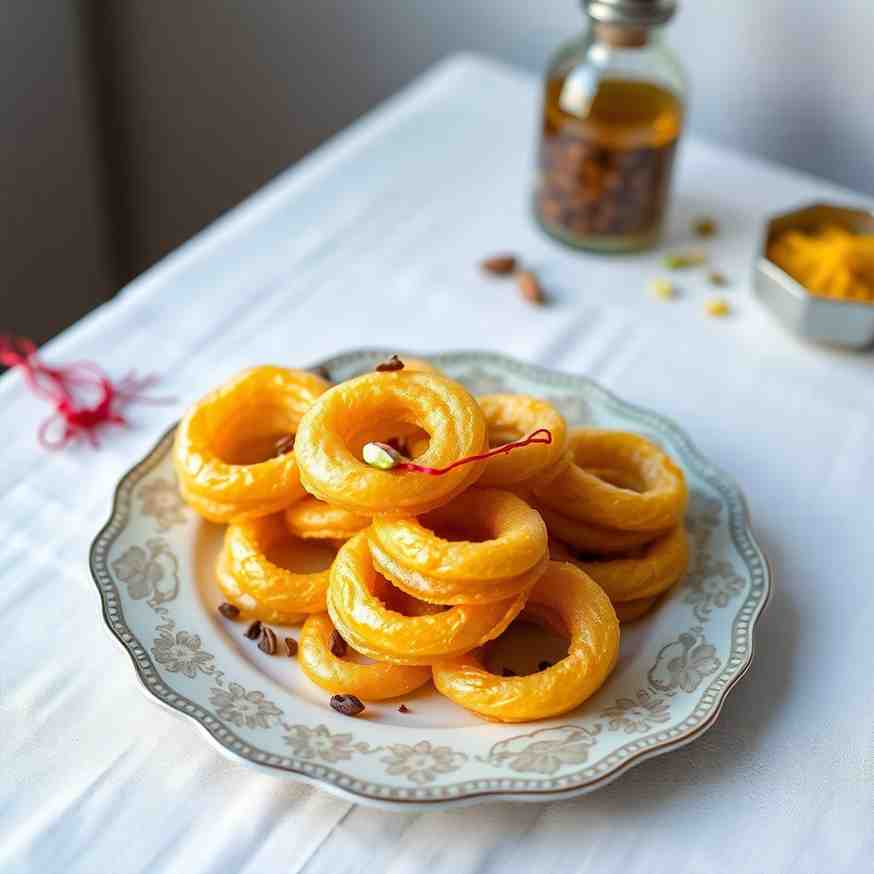
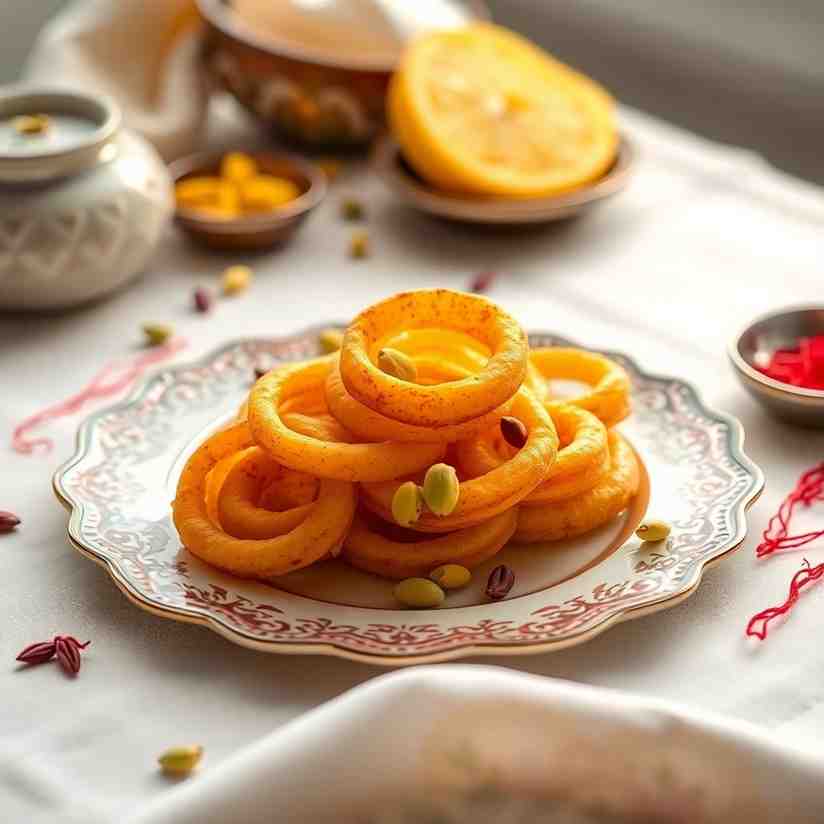
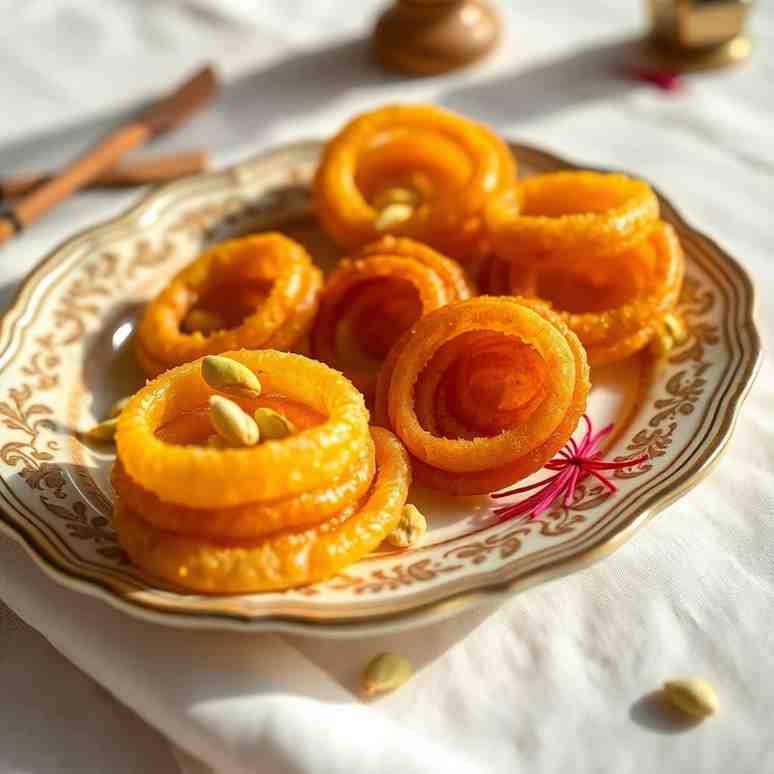
Get ready to discover a truly delightful treat: Afghan Jelabi! These beautiful, crispy fried spirals, often called Jalebi, Zulbia, or Zlabia in various regions, are a beloved simple sweet dish recipe with roots deep in Afghan culinary traditions. Picture delicate coils, infused with fragrant saffron for cooking and warm cardamom, then drenched in a sweet, aromatic rose water syrup. While enjoyed across many cultures, our recipe brings you the authentic Afghan lean, perfect for special occasions like Eid celebrations, weddings, or simply when you're craving a unique dessert with simple ingredients. The magic happens when a smooth batter is piped into hot oil, creating a wonderfully crisp shell, which is then immediately soaked in a gently spiced, warm syrup. It’s a truly irresistible sweet to make that promises a symphony of flavors and textures in every bite!
Ingredients
Directions
- Start the Syrup: In a medium saucepan, combine the sugar and water. Bring to a boil over medium heat, stirring until the sugar dissolves. Continue to simmer without stirring until the syrup reaches 220°F on a candy thermometer, or passes the "one-string" test (a drop of syrup pulled between two fingers forms a single thread). Remove from heat, then stir in the lemon juice, saffron, cardamom, and rose water. Keep the syrup warm (ideally 160–170°F) while you prepare the jelabi.
- Mix the Batter: In a mixing bowl, whisk together the all-purpose flour, cornstarch, and baking soda. Add the plain yogurt and gradually pour in the water, whisking until you have a smooth, thick, yet free-flowing batter. It should fall off a spoon in a thick ribbon. If using, stir in the optional food color. Let the batter rest for about 10-15 minutes.
- Heat the Oil: In a 10-inch fry pan, add enough ghee or neutral oil to reach a depth of about 1 inch. Heat the oil over medium-high heat until it reaches 320–345°F (approximately 180°C upper bound). You can test it by dropping a tiny bit of batter; it should rise promptly to the surface without immediately darkening.
- Load the Bottle: Carefully pour the prepared batter into a squeeze bottle fitted with a 2–3 mm tip nozzle. This small tip is key for those classic, delicate spirals.
- Pipe and Fry: Hold the squeeze bottle about 2-3 inches above the hot oil. Starting from the center, pipe the batter into the hot oil in a continuous spiral motion, creating 3–4″ rings with 3-4 coils. Fry 2-3 jelabi at a time, being careful not to overcrowd the pan. Fry each side for approximately 1-2 minutes until they are a light golden color and crispy. Avoid browning them too much.
- Dip Immediately: Using tongs, lift the fried jelabi directly from the oil and immediately immerse them into the warm (not hot) syrup. Let them soak for just 15-30 seconds, allowing them to absorb the sweet flavors without becoming soggy.
- Drain and Serve: Remove the jelabi from the syrup and place them on a wire rack to drain any excess syrup. Serve them warm. As you fry subsequent batches, move the finished jelabi across the rack to prevent them from sitting in too much syrup and becoming soft. Enjoy your beautiful, crispy Afghan Jelabi!
Afghan Jelabi Simple Sweet Dish Recipe with Saffron
- Serves: 10 People
- Prepare Time: 20 minutes
- Cooking Time: 25 minutes
- Calories: 300
- Difficulty: Medium
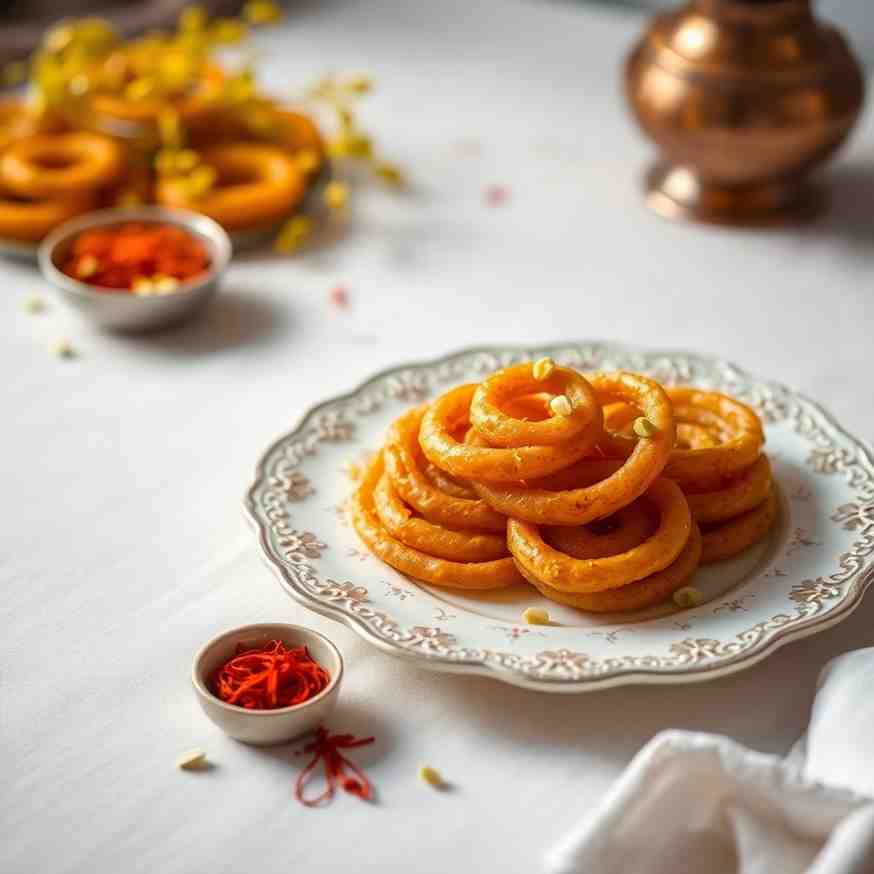
Get ready to discover a truly delightful treat: Afghan Jelabi! These beautiful, crispy fried spirals, often called Jalebi, Zulbia, or Zlabia in various regions, are a beloved simple sweet dish recipe with roots deep in Afghan culinary traditions. Picture delicate coils, infused with fragrant saffron for cooking and warm cardamom, then drenched in a sweet, aromatic rose water syrup. While enjoyed across many cultures, our recipe brings you the authentic Afghan lean, perfect for special occasions like Eid celebrations, weddings, or simply when you're craving a unique dessert with simple ingredients. The magic happens when a smooth batter is piped into hot oil, creating a wonderfully crisp shell, which is then immediately soaked in a gently spiced, warm syrup. It’s a truly irresistible sweet to make that promises a symphony of flavors and textures in every bite!
Ingredients
Directions
- Start the Syrup: In a medium saucepan, combine the sugar and water. Bring to a boil over medium heat, stirring until the sugar dissolves. Continue to simmer without stirring until the syrup reaches 220°F on a candy thermometer, or passes the "one-string" test (a drop of syrup pulled between two fingers forms a single thread). Remove from heat, then stir in the lemon juice, saffron, cardamom, and rose water. Keep the syrup warm (ideally 160–170°F) while you prepare the jelabi.
- Mix the Batter: In a mixing bowl, whisk together the all-purpose flour, cornstarch, and baking soda. Add the plain yogurt and gradually pour in the water, whisking until you have a smooth, thick, yet free-flowing batter. It should fall off a spoon in a thick ribbon. If using, stir in the optional food color. Let the batter rest for about 10-15 minutes.
- Heat the Oil: In a 10-inch fry pan, add enough ghee or neutral oil to reach a depth of about 1 inch. Heat the oil over medium-high heat until it reaches 320–345°F (approximately 180°C upper bound). You can test it by dropping a tiny bit of batter; it should rise promptly to the surface without immediately darkening.
- Load the Bottle: Carefully pour the prepared batter into a squeeze bottle fitted with a 2–3 mm tip nozzle. This small tip is key for those classic, delicate spirals.
- Pipe and Fry: Hold the squeeze bottle about 2-3 inches above the hot oil. Starting from the center, pipe the batter into the hot oil in a continuous spiral motion, creating 3–4″ rings with 3-4 coils. Fry 2-3 jelabi at a time, being careful not to overcrowd the pan. Fry each side for approximately 1-2 minutes until they are a light golden color and crispy. Avoid browning them too much.
- Dip Immediately: Using tongs, lift the fried jelabi directly from the oil and immediately immerse them into the warm (not hot) syrup. Let them soak for just 15-30 seconds, allowing them to absorb the sweet flavors without becoming soggy.
- Drain and Serve: Remove the jelabi from the syrup and place them on a wire rack to drain any excess syrup. Serve them warm. As you fry subsequent batches, move the finished jelabi across the rack to prevent them from sitting in too much syrup and becoming soft. Enjoy your beautiful, crispy Afghan Jelabi!
The following nutritional values are per serving (one piece of cake) Calories 250-300 kcal Carbohydrates 45-55g Protein 2-3g Fat 8-12g Making Afghan Jelabi might sound like a fancy endeavor, but with a few clever tools and ingredients, you can make the process smoother and more enjoyable. Here's how some key items can save you time and stress in the kitchen, following the Problem-Agitate-Solution (PAS) model. Problem: Piping perfect, consistent jelabi spirals by hand is tricky and messy. Problem: Guessing the exact temperatures for your frying oil and sugar syrup can lead to disastrous results. Problem: Jelabi can lose their crispness and become soggy if they sit directly on a flat surface after dipping in syrup. Click any ingredient for detailed nutritional information:Recipe Nutritional Values
Additional Information
Recipe Success Tips
Ingredient Substitutions & Variations
Cultural Variations
Make-Ahead & Storage Instructions
Frequently Asked Questions
Recommended Kitchen Tools
squeeze bottle with a 2–3 mm tip
Agitate: Uneven shapes lead to uneven frying and a less appealing dessert, frustrating your efforts and making your beautiful jelabi look... well, less beautiful.
Solution: A squeeze bottle with a 2–3 mm tip is your secret weapon! It gives you precise control, ensuring beautifully uniform spirals every time. This simple tool turns a potentially fiddly task into a fun and easy one, guaranteeing those iconic, perfectly coiled shapes.candy or deep-fry thermometer
Agitate: Too-cool oil makes your jelabi soggy and flat, while too-hot syrup prevents proper absorption, leaving you with dry, unappetizing sweets. All your hard work could go to waste if the temperatures aren't just right!
Solution: A reliable candy or deep-fry thermometer takes out all the guesswork. It lets you hit those crucial 220°F for syrup and 320–345°F for oil with confidence, guaranteeing crispy, juicy jelabi that soak up all that delicious flavor.wire rack
Agitate: Trapped moisture means your beautifully crisp jelabi turn soft, losing that satisfying crunch that makes them so irresistible. Nobody wants a soggy sweet!
Solution: A simple wire rack allows air to circulate all around your jelabi as they cool and drain. This prevents excess syrup from pooling and keeps them perfectly crisp, ensuring every bite is as delightful as the first.Calories per Ingredient
You may also like

Hey there! I’m just someone who seriously loves good food and believes that cooking doesn’t have to be complicated to be amazing. Whether it’s a quick weeknight dinner or a cozy weekend meal, I’m all about sharing easy, tasty recipes that actually work.