Afghan Mantu The Best Dumpling Filling Recipe You'll Ever Make
Afghan Mantu The Best Dumpling Filling Recipe You'll Ever Make



- Serves: 8 People
- Prepare Time: 2 hours 30
- Cooking Time: 1 hour
- Calories: 650
- Difficulty: Medium
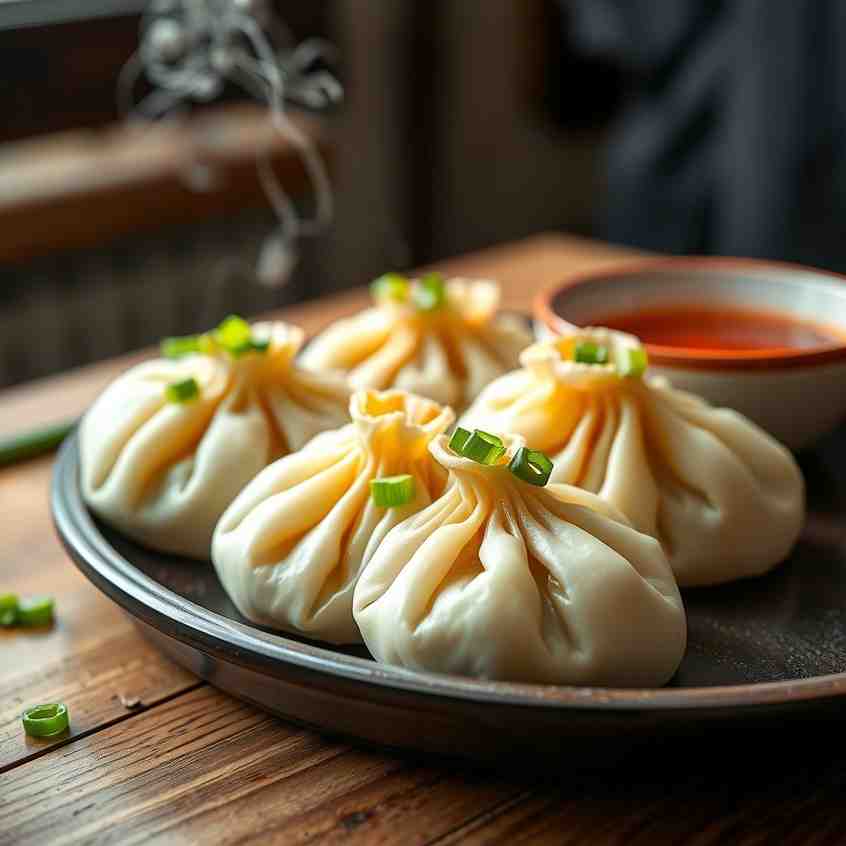
Get ready to embark on a culinary journey to Afghanistan with a dish that's truly a labor of love: Mantu! These incredible steamed dumplings are a cornerstone of Afghan cuisine, known for their tender wrappers, savory beef and onion dumpling filling recipe, and the vibrant duo of a tangy tomato split-pea sauce and a cool, creamy garlic yogurt. If you've been searching for an authentic recipe using tomato sauce and a truly satisfying meal that brings people together, you've found it.
Mantu isn't just food; it's an experience. Each bite offers a symphony of flavors – the richness of the meat, the sweetness of caramelized onions, a hint of spice, all balanced by the bright tomato sauce and the refreshing thick creamy yogurt. It's the kind of dish reserved for special occasions, family gatherings, and when you want to truly impress. While it might look intimidating, we promise this guide breaks down every step, from mastering the recipes with dough to perfecting the sauce recipes for meat, making it completely manageable for home cooks of all levels. So roll up your sleeves, embrace the process, and prepare to create a dish that's as rewarding to make as it is to eat!
Ingredients
Directions
Make the Garlic Yogurt Sauce (So It Can Chill)
- In a medium bowl, combine the plain whole-milk yogurt, optional labneh or Greek yogurt, minced garlic, dried mint (or dill), lemon juice, lemon zest, salt, and black pepper.
- Whisk everything together until smooth and well combined. The sauce should be thick but pourable; if it's too thick, add a splash of water, one teaspoon at a time, until it reaches your desired consistency. If too thin, add a bit more yogurt or labneh.
- Cover the bowl and refrigerate for at least 30 minutes, or preferably longer, to allow the flavors to meld. This can be made a day ahead.
Cook the Tomato Split-Pea Sauce
- Drain the soaked yellow split peas. In a medium pot or skillet, bring 2 cups of water to a boil, add the drained split peas, reduce heat, and simmer for 15-20 minutes, or until the peas are just tender but still hold their shape. Drain and set aside.
- In a large skillet or pot, heat 2 tablespoons of neutral oil over medium heat. Add the chopped onion and sauté for 5-7 minutes until softened and translucent, stirring occasionally.
- Add the minced garlic, ground coriander, ground cumin, ground turmeric, and chili flakes. Sauté for another 1-2 minutes until fragrant, being careful not to burn the spices.
- Stir in the tomato paste and cook for 2-3 minutes, stirring constantly, until it darkens slightly. This deepens the tomato flavor.
- Pour in the crushed tomatoes, vinegar (or lemon juice), salt, and black pepper. Bring to a simmer.
- Fold in the cooked, drained split peas and the 1 cup of water or broth.
- Reduce the heat to low, cover, and simmer for 20-30 minutes, stirring occasionally, until the sauce has thickened to a scoopable consistency and the flavors have fully melded. The split peas should be tender.
- Taste and adjust seasoning as needed – you might want more salt, a touch more vinegar for tang, or extra chili for heat.
Make and Rest the Dough
- In a large mixing bowl, combine the all-purpose flour and salt.
- Add the neutral oil and gradually drizzle in ¾ cup of warm water, mixing with your hands or a wooden spoon until a shaggy dough forms.
- Turn the dough out onto a lightly floured surface and knead for 8-10 minutes. Gradually add more warm water, a tablespoon at a time, only if the dough is too dry or stiff. The goal is a smooth, elastic dough that springs back when poked. It should not be sticky.
- Form the dough into a ball, lightly grease the bowl, place the dough back in, and cover tightly with plastic wrap or a damp cloth.
- Let the dough rest at room temperature for at least 20-30 minutes. This resting period is crucial as it relaxes the gluten, making the dough easier to roll out thinly.
- While the dough rests, move on to preparing the meat filling.
Mix the Meat Filling
- In a large mixing bowl, combine the ground lamb or beef, finely chopped onions, minced green chili (if using), minced garlic, ground coriander, ground cumin, black pepper, and salt.
- Using your hands, mix all ingredients thoroughly until everything is well combined and the mixture becomes slightly sticky and cohesive. This stickiness helps the filling hold together within the dumplings and prevents them from falling apart during steaming.
- Important: For traditional Afghan Mantu, the filling is kept raw and cooks inside the dumpling during steaming. Don't worry, the steaming process ensures it's fully cooked and incredibly juicy.
- Optional: To check seasoning, take a tiny piece of the filling, flatten it into a small patty, and pan-fry it quickly. Taste and adjust salt or spices in the main batch if needed.
Roll, Cut & Fill the Dumplings
- Lightly flour your work surface and a baking sheet or tray.
- Divide the rested dough into 3-4 manageable portions. Keep the portions you're not working with covered to prevent them from drying out.
- Take one portion of dough and roll it out using a rolling pin. Roll it as thinly as possible, aiming for about 2-3 millimeters thick – a bit thinner than a standard tortilla. The thinner the dough, the more delicate your dumplings will be.
- Using a sharp knife or pizza cutter, cut the rolled-out dough into squares, approximately 2 to 2½ inches (5-6 cm) per side
- Place a small spoonful (about ½ to 1 teaspoon) of the meat filling in the center of each dough square. Be careful not to overfill, as this can make sealing difficult and cause bursting.
To Fold:
- Bring two opposite corners of the square up and pinch them firmly together over the filling, forming a triangle.
- Then, bring the remaining two corners up and pinch them together with the first two, forming a small parcel or "hat" shape.
- Ensure all seams are tightly sealed, gently squeezing out any trapped air as you seal. This prevents the dumplings from opening during steaming.
How to Steam Mantu Properly
- Prepare your steamer: Lightly oil the steamer trays or line them with parchment paper cut with holes (or use cabbage leaves) to prevent the dumplings from sticking.
- Arrange the shaped mantu in a single layer on the steamer trays, leaving a little space between each dumpling to allow for expansion and even cooking. Do not overcrowd.
- Fill the bottom pot of your steamer setup with about 2-3 inches (5-7 cm) of water. Bring the water to a steady boil over medium-high heat.
- Once the water is boiling, place the steamer trays with the dumplings over the pot, ensuring the water does not touch the bottom of the steamer basket. Cover tightly with a lid.
- Steam the mantu for approximately 20-30 minutes. This timing is for raw meat filling; ensure the wrappers are glossy and translucent, and the meat is cooked through.
Doneness Checks
- The wrappers should appear glossy and slightly translucent, but not falling apart.
- Carefully remove one test dumpling, cut it in half, and check that the meat is no longer pink and the juices run clear and hot.
Plate & Serve (How to Layer Mantu)
- To serve, spread a generous layer of the chilled garlic yogurt sauce on the bottom of a large, shallow serving platter.
- Carefully arrange the hot, steamed mantu on top of the yogurt layer.
- Spoon the warm tomato split-pea sauce generously over the dumplings
- Finish with another drizzle of garlic yogurt sauce, a sprinkle of fresh chopped cilantro and/or parsley, and a dusting of paprika or Aleppo-style chili flakes. A little extra dried mint can also be added.
- Serve immediately while the mantu are hot, allowing guests to enjoy the delightful contrast of temperatures and flavors.
Afghan Mantu The Best Dumpling Filling Recipe You'll Ever Make

- Serves: 8 People
- Prepare Time: 2 hours 30
- Cooking Time: 1 hour
- Calories: 650
- Difficulty: Medium
Get ready to embark on a culinary journey to Afghanistan with a dish that's truly a labor of love: Mantu! These incredible steamed dumplings are a cornerstone of Afghan cuisine, known for their tender wrappers, savory beef and onion dumpling filling recipe, and the vibrant duo of a tangy tomato split-pea sauce and a cool, creamy garlic yogurt. If you've been searching for an authentic recipe using tomato sauce and a truly satisfying meal that brings people together, you've found it.
Mantu isn't just food; it's an experience. Each bite offers a symphony of flavors – the richness of the meat, the sweetness of caramelized onions, a hint of spice, all balanced by the bright tomato sauce and the refreshing thick creamy yogurt. It's the kind of dish reserved for special occasions, family gatherings, and when you want to truly impress. While it might look intimidating, we promise this guide breaks down every step, from mastering the recipes with dough to perfecting the sauce recipes for meat, making it completely manageable for home cooks of all levels. So roll up your sleeves, embrace the process, and prepare to create a dish that's as rewarding to make as it is to eat!
Ingredients
Directions
Make the Garlic Yogurt Sauce (So It Can Chill)
- In a medium bowl, combine the plain whole-milk yogurt, optional labneh or Greek yogurt, minced garlic, dried mint (or dill), lemon juice, lemon zest, salt, and black pepper.
- Whisk everything together until smooth and well combined. The sauce should be thick but pourable; if it's too thick, add a splash of water, one teaspoon at a time, until it reaches your desired consistency. If too thin, add a bit more yogurt or labneh.
- Cover the bowl and refrigerate for at least 30 minutes, or preferably longer, to allow the flavors to meld. This can be made a day ahead.
Cook the Tomato Split-Pea Sauce
- Drain the soaked yellow split peas. In a medium pot or skillet, bring 2 cups of water to a boil, add the drained split peas, reduce heat, and simmer for 15-20 minutes, or until the peas are just tender but still hold their shape. Drain and set aside.
- In a large skillet or pot, heat 2 tablespoons of neutral oil over medium heat. Add the chopped onion and sauté for 5-7 minutes until softened and translucent, stirring occasionally.
- Add the minced garlic, ground coriander, ground cumin, ground turmeric, and chili flakes. Sauté for another 1-2 minutes until fragrant, being careful not to burn the spices.
- Stir in the tomato paste and cook for 2-3 minutes, stirring constantly, until it darkens slightly. This deepens the tomato flavor.
- Pour in the crushed tomatoes, vinegar (or lemon juice), salt, and black pepper. Bring to a simmer.
- Fold in the cooked, drained split peas and the 1 cup of water or broth.
- Reduce the heat to low, cover, and simmer for 20-30 minutes, stirring occasionally, until the sauce has thickened to a scoopable consistency and the flavors have fully melded. The split peas should be tender.
- Taste and adjust seasoning as needed – you might want more salt, a touch more vinegar for tang, or extra chili for heat.
Make and Rest the Dough
- In a large mixing bowl, combine the all-purpose flour and salt.
- Add the neutral oil and gradually drizzle in ¾ cup of warm water, mixing with your hands or a wooden spoon until a shaggy dough forms.
- Turn the dough out onto a lightly floured surface and knead for 8-10 minutes. Gradually add more warm water, a tablespoon at a time, only if the dough is too dry or stiff. The goal is a smooth, elastic dough that springs back when poked. It should not be sticky.
- Form the dough into a ball, lightly grease the bowl, place the dough back in, and cover tightly with plastic wrap or a damp cloth.
- Let the dough rest at room temperature for at least 20-30 minutes. This resting period is crucial as it relaxes the gluten, making the dough easier to roll out thinly.
- While the dough rests, move on to preparing the meat filling.
Mix the Meat Filling
- In a large mixing bowl, combine the ground lamb or beef, finely chopped onions, minced green chili (if using), minced garlic, ground coriander, ground cumin, black pepper, and salt.
- Using your hands, mix all ingredients thoroughly until everything is well combined and the mixture becomes slightly sticky and cohesive. This stickiness helps the filling hold together within the dumplings and prevents them from falling apart during steaming.
- Important: For traditional Afghan Mantu, the filling is kept raw and cooks inside the dumpling during steaming. Don't worry, the steaming process ensures it's fully cooked and incredibly juicy.
- Optional: To check seasoning, take a tiny piece of the filling, flatten it into a small patty, and pan-fry it quickly. Taste and adjust salt or spices in the main batch if needed.
Roll, Cut & Fill the Dumplings
- Lightly flour your work surface and a baking sheet or tray.
- Divide the rested dough into 3-4 manageable portions. Keep the portions you're not working with covered to prevent them from drying out.
- Take one portion of dough and roll it out using a rolling pin. Roll it as thinly as possible, aiming for about 2-3 millimeters thick – a bit thinner than a standard tortilla. The thinner the dough, the more delicate your dumplings will be.
- Using a sharp knife or pizza cutter, cut the rolled-out dough into squares, approximately 2 to 2½ inches (5-6 cm) per side
- Place a small spoonful (about ½ to 1 teaspoon) of the meat filling in the center of each dough square. Be careful not to overfill, as this can make sealing difficult and cause bursting.
To Fold:
- Bring two opposite corners of the square up and pinch them firmly together over the filling, forming a triangle.
- Then, bring the remaining two corners up and pinch them together with the first two, forming a small parcel or "hat" shape.
- Ensure all seams are tightly sealed, gently squeezing out any trapped air as you seal. This prevents the dumplings from opening during steaming.
How to Steam Mantu Properly
- Prepare your steamer: Lightly oil the steamer trays or line them with parchment paper cut with holes (or use cabbage leaves) to prevent the dumplings from sticking.
- Arrange the shaped mantu in a single layer on the steamer trays, leaving a little space between each dumpling to allow for expansion and even cooking. Do not overcrowd.
- Fill the bottom pot of your steamer setup with about 2-3 inches (5-7 cm) of water. Bring the water to a steady boil over medium-high heat.
- Once the water is boiling, place the steamer trays with the dumplings over the pot, ensuring the water does not touch the bottom of the steamer basket. Cover tightly with a lid.
- Steam the mantu for approximately 20-30 minutes. This timing is for raw meat filling; ensure the wrappers are glossy and translucent, and the meat is cooked through.
Doneness Checks
- The wrappers should appear glossy and slightly translucent, but not falling apart.
- Carefully remove one test dumpling, cut it in half, and check that the meat is no longer pink and the juices run clear and hot.
Plate & Serve (How to Layer Mantu)
- To serve, spread a generous layer of the chilled garlic yogurt sauce on the bottom of a large, shallow serving platter.
- Carefully arrange the hot, steamed mantu on top of the yogurt layer.
- Spoon the warm tomato split-pea sauce generously over the dumplings
- Finish with another drizzle of garlic yogurt sauce, a sprinkle of fresh chopped cilantro and/or parsley, and a dusting of paprika or Aleppo-style chili flakes. A little extra dried mint can also be added.
- Serve immediately while the mantu are hot, allowing guests to enjoy the delightful contrast of temperatures and flavors.
The following nutritional values are per serving (one piece of cake) Calories ~550-650 kcal Carbohydrates ~60-70g Protein ~30-35g Fat ~20-25g Making Mantu from scratch is a labor of love, but let's be real – sometimes you need a little help to get dinner on the table faster. Here are a few clever tricks and tools to shave off some prep time without sacrificing that amazing authentic flavor. Problem: Rolling out dough for dozens of dumplings can be a real time-sink, requiring patience and a good rolling arm. Problem: Mantu calls for a *lot* of finely chopped onion and garlic for both the filling and the sauce. This can be tedious and often leads to watery eyes. Problem: You want to make Mantu, but you don't own a fancy multi-tiered steamer or a traditional Afghan steamer pot. Click any ingredient for detailed nutritional information:Recipe Nutritional Values
Additional Information
Recipe Success Tips
Pro Tips, Variations & Storage
Ingredient Substitutions & Variations
Make-Ahead & Storage Instructions
Frequently Asked Questions
Recommended Kitchen Tools
Wonton Wrapper Shortcut
Agitate: After a long day, the last thing you want is to spend another hour meticulously rolling and cutting dough when your stomach is rumbling.
Solution: Store-bought square wonton wrappers! They're thin, pliable, and ready to go. You’ll save a ton of time, and while the texture is a little different (thinner and softer than homemade), they still make delicious Mantu. Just remember they'll steam a bit faster.Food Processor for Chopping
Agitate: You're aiming for a friendly, engaging cooking experience, not a teary-eyed chopping marathon that makes you question your life choices.
Solution: A food processor is your best friend here. It can finely mince those onions and garlic in seconds, saving your eyes and your hands for the more enjoyable parts of the recipe. Just be careful not to over-process into a paste!Steamer Basket or Rack
Agitate: Don't let the lack of specialized equipment deter you from enjoying these incredible dumplings. You shouldn't have to buy a new appliance for every recipe.
Solution: Improvise! A metal colander or a heat-proof rack set inside a large pot with a tight-fitting lid works perfectly. Just make sure the water level is below the colander/rack so the dumplings steam, not boil. Lightly oil your improvised setup or line it with parchment paper (with holes poked in it) or even cabbage leaves to prevent sticking. ---Calories per Ingredient
You may also like



Hey there! I’m just someone who seriously loves good food and believes that cooking doesn’t have to be complicated to be amazing. Whether it’s a quick weeknight dinner or a cozy weekend meal, I’m all about sharing easy, tasty recipes that actually work.