
Argentine Locro Stew Recipe
Argentine Locro Stew Recipe


- Serves: 8 People
- Prepare Time: 45 minutes
- Cooking Time: 3 hours
- Calories: -
- Difficulty: Medium
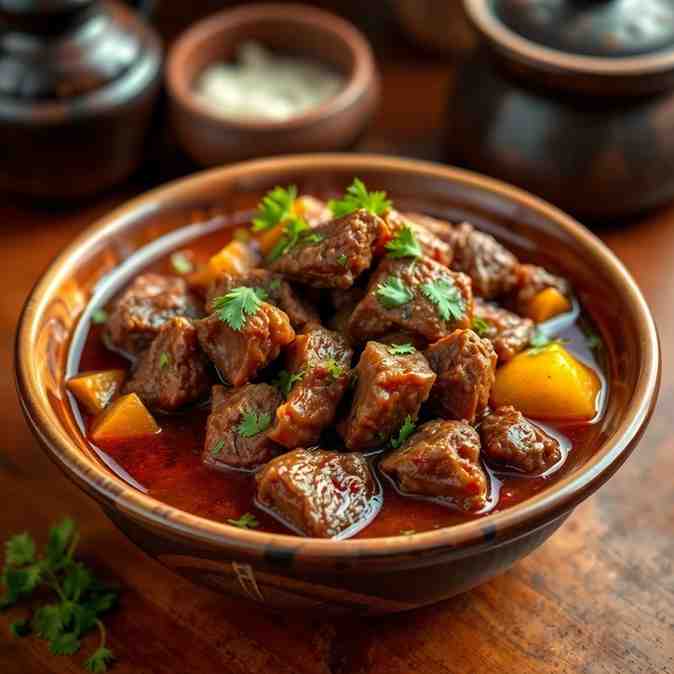
Ever craved a dish that warms you from the inside out, tells a story with every spoonful, and brings people together? Look no further than Authentic Argentine Locro Stew! This incredibly hearty and healthy Locro Stew is Argentina's answer to chilly days and national celebrations. Picture a rich, thick hominy and meat stew, slow-simmered to perfection with stew meat, savory chorizo sausage, creamy squash, and tender beans. It’s more than just a meal; it's a taste of tradition, perfect for feeding a crowd or cozying up on a cold evening. Get ready to dive into the comforting flavors of the Andes and discover why this Locro Stew is a beloved staple.
Ingredients
Directions
- Prepare Hominy & Beans: If using dried hominy and beans, rinse them thoroughly and soak them in separate bowls of cold water overnight. Drain and rinse again before cooking. If using canned, simply drain and rinse.
- Build the Flavor Base: Heat olive oil or rendered fat in a large (6-8 quart) heavy-bottomed Dutch oven or stockpot over medium heat. Add the diced pancetta or bacon and cook until crispy. Remove with a slotted spoon and set aside, leaving the rendered fat in the pot.
- Brown Chorizo & Aromatics: Add the crumbled chorizo sausage to the pot and cook, breaking it up with a spoon, until browned. Remove the chorizo and set aside with the pancetta. Add the chopped onion, minced garlic, and sliced leek to the pot. Sauté for 8-10 minutes, stirring occasionally, until softened and translucent. Season with a pinch of salt.
- Brown Beef & Add Spices: Increase heat to medium-high. Add the cubed beef stew meat to the pot and brown on all sides, stirring occasionally. Once browned, stir in the ground cumin, sweet paprika, and black pepper. Toast the spices for 1 minute, stirring constantly, until fragrant. If using, add optional pigs’ feet or other bones now for extra richness.
- Combine & Simmer (Initial): Return the cooked pancetta and chorizo to the pot. Stir in the soaked and drained hominy (and soaked and drained beans if using dried). Pour in 8 cups of beef or vegetable stock, ensuring the ingredients are covered by about an inch or two of liquid. Bring the mixture to a boil, then reduce the heat to low, cover with the lid slightly ajar, and simmer gently for 1 to 1½ hours, or until the beef is tender and the hominy begins to soften. Stir occasionally, scraping the bottom to prevent sticking.
- Add Vegetables & Continue Simmering: Add the cubed squash and potatoes (and canned beans, if using) to the pot. Continue to simmer, uncovered, for another 45-60 minutes, or until the squash and potatoes are very tender and the hominy is creamy. Stir more frequently during this stage to prevent sticking.
- Thicken to Classic Locro Texture: Once the vegetables are tender, use the back of a spoon or a potato masher to gently mash some of the squash and potatoes against the side of the pot. This will naturally thicken the Locro Stew without needing flour. Continue simmering, stirring frequently, until the stew reaches your desired thick, creamy consistency – a spoon should stand slightly in the stew, and the liquid should coat the back of a spoon.
- Final Seasoning & Rest: Adjust salt, black pepper, and optional cayenne pepper to taste. Stir in half of the chopped green onions. Remove the pot from the heat and let the Locro Stew rest for 10-15 minutes before serving. This allows the flavors to meld and the stew to settle.
- Optional Slow Cooker Note:
- To adapt this recipe for a slow cooker, follow steps 2-4 (browning meats and aromatics) in a large skillet.
- Transfer all browned ingredients, hominy, beans, stock, and spices to the slow cooker. Cook on low for 6-8 hours or on high for 3-4 hours.
- Add squash and potatoes during the last 2 hours of cooking on low, or last hour on high. Mash some vegetables at the end to thicken.
Argentine Locro Stew Recipe

- Serves: 8 People
- Prepare Time: 45 minutes
- Cooking Time: 3 hours
- Calories: -
- Difficulty: Medium
Ever craved a dish that warms you from the inside out, tells a story with every spoonful, and brings people together? Look no further than Authentic Argentine Locro Stew! This incredibly hearty and healthy Locro Stew is Argentina's answer to chilly days and national celebrations. Picture a rich, thick hominy and meat stew, slow-simmered to perfection with stew meat, savory chorizo sausage, creamy squash, and tender beans. It’s more than just a meal; it's a taste of tradition, perfect for feeding a crowd or cozying up on a cold evening. Get ready to dive into the comforting flavors of the Andes and discover why this Locro Stew is a beloved staple.
Ingredients
Directions
- Prepare Hominy & Beans: If using dried hominy and beans, rinse them thoroughly and soak them in separate bowls of cold water overnight. Drain and rinse again before cooking. If using canned, simply drain and rinse.
- Build the Flavor Base: Heat olive oil or rendered fat in a large (6-8 quart) heavy-bottomed Dutch oven or stockpot over medium heat. Add the diced pancetta or bacon and cook until crispy. Remove with a slotted spoon and set aside, leaving the rendered fat in the pot.
- Brown Chorizo & Aromatics: Add the crumbled chorizo sausage to the pot and cook, breaking it up with a spoon, until browned. Remove the chorizo and set aside with the pancetta. Add the chopped onion, minced garlic, and sliced leek to the pot. Sauté for 8-10 minutes, stirring occasionally, until softened and translucent. Season with a pinch of salt.
- Brown Beef & Add Spices: Increase heat to medium-high. Add the cubed beef stew meat to the pot and brown on all sides, stirring occasionally. Once browned, stir in the ground cumin, sweet paprika, and black pepper. Toast the spices for 1 minute, stirring constantly, until fragrant. If using, add optional pigs’ feet or other bones now for extra richness.
- Combine & Simmer (Initial): Return the cooked pancetta and chorizo to the pot. Stir in the soaked and drained hominy (and soaked and drained beans if using dried). Pour in 8 cups of beef or vegetable stock, ensuring the ingredients are covered by about an inch or two of liquid. Bring the mixture to a boil, then reduce the heat to low, cover with the lid slightly ajar, and simmer gently for 1 to 1½ hours, or until the beef is tender and the hominy begins to soften. Stir occasionally, scraping the bottom to prevent sticking.
- Add Vegetables & Continue Simmering: Add the cubed squash and potatoes (and canned beans, if using) to the pot. Continue to simmer, uncovered, for another 45-60 minutes, or until the squash and potatoes are very tender and the hominy is creamy. Stir more frequently during this stage to prevent sticking.
- Thicken to Classic Locro Texture: Once the vegetables are tender, use the back of a spoon or a potato masher to gently mash some of the squash and potatoes against the side of the pot. This will naturally thicken the Locro Stew without needing flour. Continue simmering, stirring frequently, until the stew reaches your desired thick, creamy consistency – a spoon should stand slightly in the stew, and the liquid should coat the back of a spoon.
- Final Seasoning & Rest: Adjust salt, black pepper, and optional cayenne pepper to taste. Stir in half of the chopped green onions. Remove the pot from the heat and let the Locro Stew rest for 10-15 minutes before serving. This allows the flavors to meld and the stew to settle.
- Optional Slow Cooker Note:
- To adapt this recipe for a slow cooker, follow steps 2-4 (browning meats and aromatics) in a large skillet.
- Transfer all browned ingredients, hominy, beans, stock, and spices to the slow cooker. Cook on low for 6-8 hours or on high for 3-4 hours.
- Add squash and potatoes during the last 2 hours of cooking on low, or last hour on high. Mash some vegetables at the end to thicken.
The following nutritional values are per serving (one piece of cake) Calories 450-550 kcal Carbohydrates 40-50g Protein 30-35g Fat 20-25g Making a traditional dish like Locro Stew often involves a labor of love, but that doesn't mean you can't sneak in a few clever shortcuts! Here are some tools and ingredients that can help you get this hearty stew on the table a little faster without sacrificing flavor. Problem: Traditional locro calls for dried hominy, which needs an overnight soak and then a long simmer to soften. Problem: Slicing and dicing all those aromatics like onions, garlic, and leeks, plus cubing a big squash, takes a significant chunk of hands-on prep time. Problem: A thin-bottomed pot can lead to uneven cooking, scorching, and a ruined batch of locro, especially during those long, slow simmers. Problem: Traditional locro requires hours of stovetop simmering, demanding your attention and making it hard to leave the house or multitask. Click any ingredient for detailed nutritional information:Recipe Nutritional Values
Additional Information
Recipe Success Tips
Ingredient Substitutions & Variations
Cultural Variations
Make-Ahead & Storage Instructions
Frequently Asked Questions
Recommended Kitchen Tools
Canned Hominy: Your Weeknight Savior
Agitate: If you're craving locro tonight or simply forgot to plan ahead, the thought of waiting can be a real buzzkill. Who has time for an extra 12+ hours of prep when hunger strikes?
Solution: Opt for canned hominy! It's pre-cooked and ready to go, drastically cutting down on prep and simmer time. Just rinse it well and add it later in the cooking process, adjusting your simmer time so it doesn't disintegrate. Easy peasy!Pre-Chopped Veggies: Slice Your Time in Half
Agitate: Who wants to spend an hour chopping when you could be enjoying your evening? The kitchen can feel like a chore before you even start cooking, especially after a long day.
Solution: Many grocery stores offer pre-chopped onions, minced garlic, and even pre-cubed butternut or kabocha squash. While a little pricier, they're a lifesaver for busy weeknights, getting you to the simmering stage much faster.A Reliable Dutch Oven: The Unsung Hero
Agitate: Imagine spending hours simmering your stew only to find it burned to the bottom, forcing you to start over! It's frustrating and a huge waste of time and delicious ingredients.
Solution: Investing in a good quality, heavy-bottomed Dutch oven or stockpot ensures even heat distribution and prevents sticking. This means less constant stirring and no tragic scorching incidents, saving you precious cooking time and effort in the long run. Plus, they look great on your stovetop!The Mighty Slow Cooker: Set It and Forget It
Agitate: You want that deep, slow-cooked flavor and tender meat, but you don't have all day to babysit a pot. Life happens, and you can't always be chained to the stove!
Solution: After you've browned your meats and aromatics on the stovetop (which is crucial for flavor!), transfer everything to a slow cooker. Let it work its magic on low for 6-8 hours, freeing you up to tackle other tasks or simply relax. You'll still get that incredible, rich flavor with minimal fuss.Calories per Ingredient
You may also like
.jpg)


Hey there! I’m just someone who seriously loves good food and believes that cooking doesn’t have to be complicated to be amazing. Whether it’s a quick weeknight dinner or a cozy weekend meal, I’m all about sharing easy, tasty recipes that actually work.