Austrian Marillenkuchen Apricot Cake Recipe
Austrian Marillenkuchen Apricot Cake Recipe
- Serves: 16 People
- Prepare Time: 25 minutes
- Cooking Time: 40 minutes
- Calories: -
- Difficulty: Easy
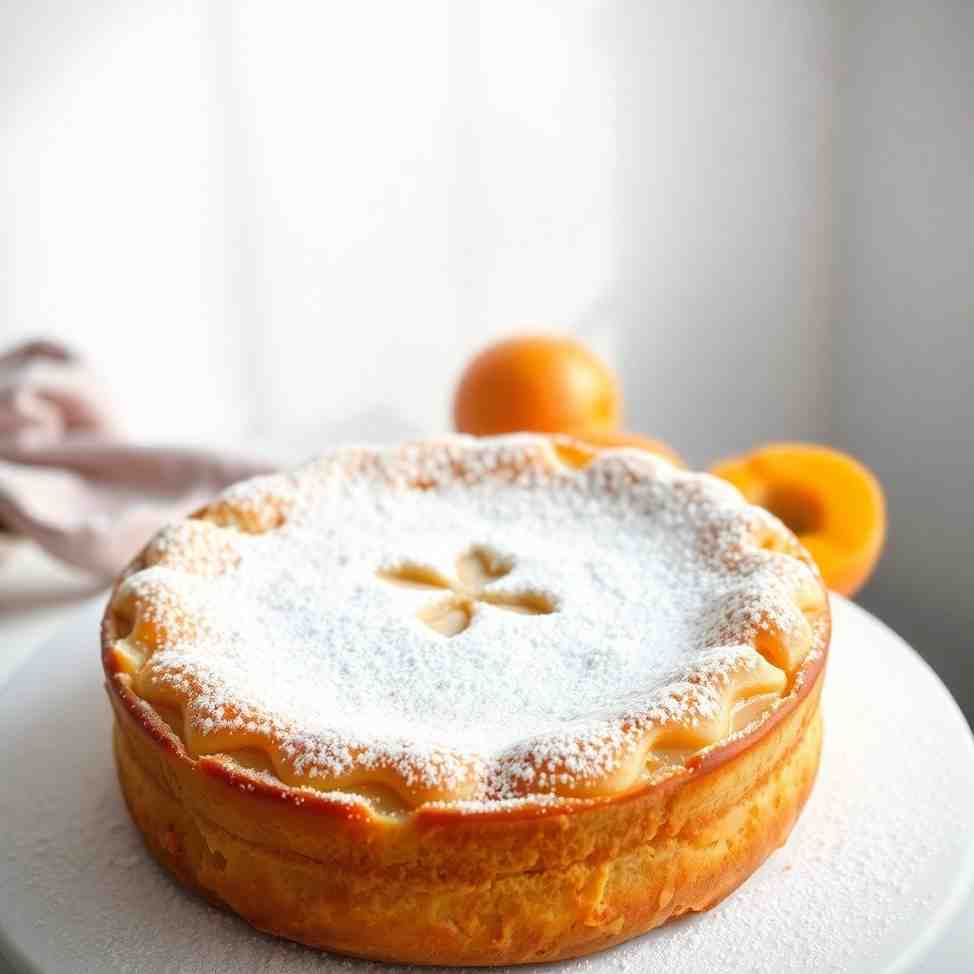
Welcome to the delightful world of Marillenkuchen, Austria's beloved apricot sheet cake! This isn't just any `apricot cake recipe`; it's a taste of Viennese café culture, brought right into your kitchen. What makes this `Marillenkuchen` so special? It's wonderfully light, never overly sweet, and absolutely bursting with the juicy, sun-kissed flavor of fresh apricots. If you adore simple fruit cakes and dream of savoring a slice of Austria at home, this recipe is definitely for you. I've taken the classic Austrian style and adapted it for U.S. home bakers, ensuring a perfect, foolproof result every time.
Ingredients
Directions
- Prep the Pan and Apricots:
- Preheat your oven to 350°F (175°C). Lightly grease and flour a 9x13 inch metal baking pan, or line it with parchment paper, leaving an overhang on the longer sides to help lift the cake later.
- Wash the apricots, then halve them and carefully remove the pits. To do this easily, follow the natural seam around the fruit with a knife, twist the halves apart, and pop out the pit. Remember: do NOT peel the apricots! If your apricots are very juicy, or if you're using canned or frozen ones, gently pat them dry with a paper towel.
- Make the Sponge Batter:
- In a large mixing bowl, using a stand mixer with the paddle attachment or a hand mixer, cream together the softened butter and granulated sugar on medium-high speed until the mixture is light, pale, and fluffy. This should take about 3-5 minutes.
- Beat in the egg yolks one at a time, mixing well after each addition. Stir in the lemon zest, vanilla extract (or vanilla sugar), and the optional rum or amaretto.
- In a separate, clean bowl, whip the egg whites with a pinch of salt until soft peaks form.
- In a small bowl, whisk together the all-purpose flour, baking powder, and the remaining 1/4 teaspoon of salt.
- Gradually add the dry flour mixture to the butter-yolk mixture, mixing on low speed just until combined. Be careful not to overmix; overmixing develops gluten and can make the cake tough.
- Gently fold in about one-third of the whipped egg whites into the batter to lighten it. Then, carefully fold in the remaining egg whites in two additions, using a rubber spatula. Use a light hand to preserve the airiness. Baking Science Side Note: The egg whites provide crucial lift and a tender crumb, so gentle folding is key to keeping your cake light and airy!
- Arrange the Apricots So They Stay Juicy (Not Soggy):
- Spread the prepared sponge batter evenly into your greased 9x13 inch baking pan.
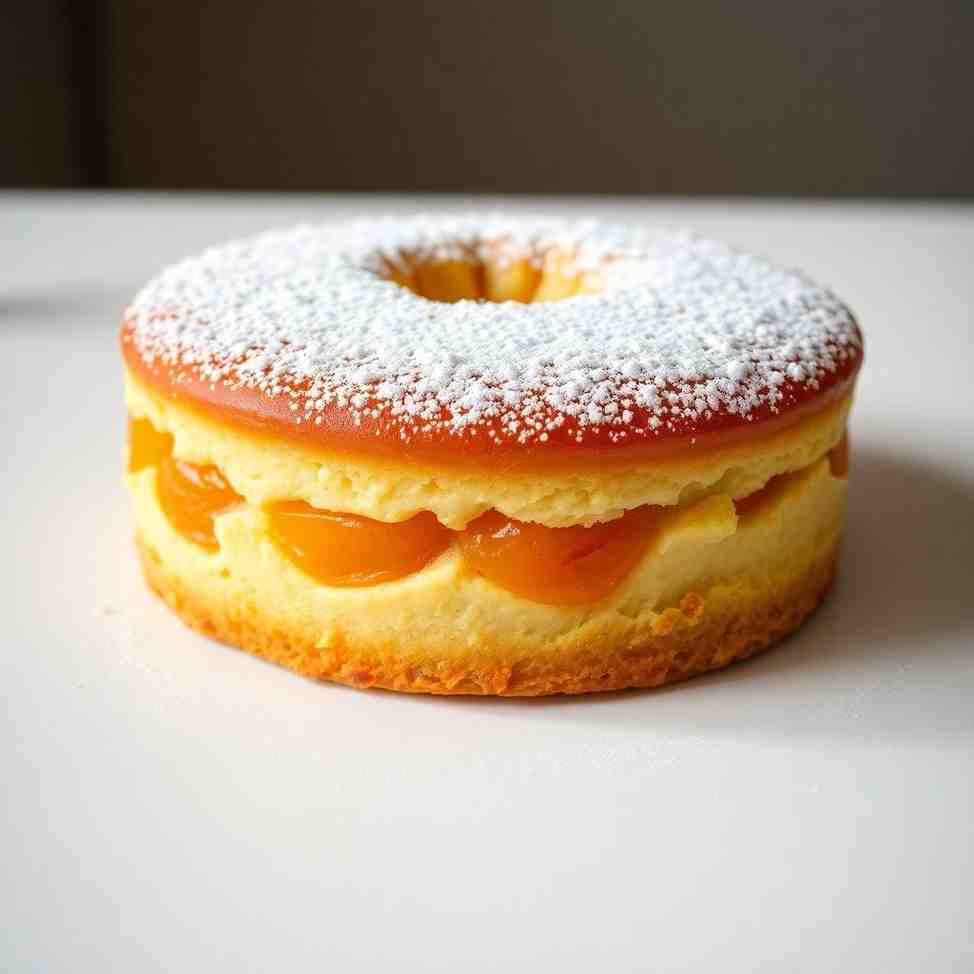
- Arrange the apricot halves in neat rows on top of the batter, cut side up. Space them evenly. It's important not to press the apricots down into the batter. What happens if you press them in? Pressing them deep into the batter can lead to sunken fruit and soggy pockets at the bottom of your cake. Keeping them on the surface helps them bake beautifully and prevents a gummy base.
- Bake, Cool, and Finish:
- Bake for 35-45 minutes, or until the top is deeply golden brown, especially around the apricots. The sponge should spring back lightly when gently pressed, and a toothpick inserted into the center (avoiding an apricot) should come out with just a few moist crumbs, not wet batter.
- Let the cake cool completely in the pan on a wire rack. This allows the crumb to set properly before cutting.
- Optional Finishing: Once cooled, you can dust the cake generously with powdered sugar. For a simple apricot glaze, gently warm the apricot jam with 1-2 tablespoons of water, rum, or amaretto until it's smooth and pourable. Brush this glaze over the warm cake for extra shine and apricot flavor.
Austrian Marillenkuchen Apricot Cake Recipe
- Serves: 16 People
- Prepare Time: 25 minutes
- Cooking Time: 40 minutes
- Calories: -
- Difficulty: Easy
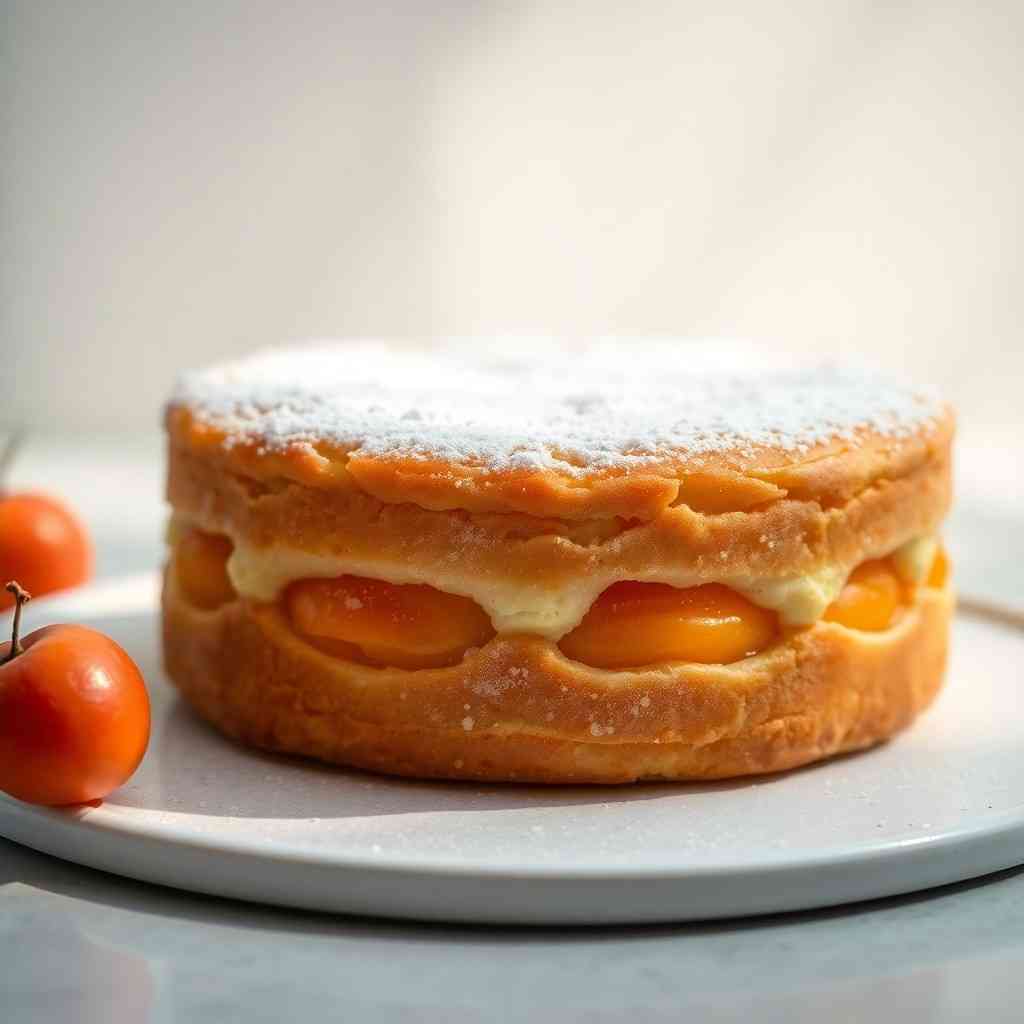
Welcome to the delightful world of Marillenkuchen, Austria's beloved apricot sheet cake! This isn't just any `apricot cake recipe`; it's a taste of Viennese café culture, brought right into your kitchen. What makes this `Marillenkuchen` so special? It's wonderfully light, never overly sweet, and absolutely bursting with the juicy, sun-kissed flavor of fresh apricots. If you adore simple fruit cakes and dream of savoring a slice of Austria at home, this recipe is definitely for you. I've taken the classic Austrian style and adapted it for U.S. home bakers, ensuring a perfect, foolproof result every time.
Ingredients
Directions
- Prep the Pan and Apricots:
- Preheat your oven to 350°F (175°C). Lightly grease and flour a 9x13 inch metal baking pan, or line it with parchment paper, leaving an overhang on the longer sides to help lift the cake later.
- Wash the apricots, then halve them and carefully remove the pits. To do this easily, follow the natural seam around the fruit with a knife, twist the halves apart, and pop out the pit. Remember: do NOT peel the apricots! If your apricots are very juicy, or if you're using canned or frozen ones, gently pat them dry with a paper towel.
- Make the Sponge Batter:
- In a large mixing bowl, using a stand mixer with the paddle attachment or a hand mixer, cream together the softened butter and granulated sugar on medium-high speed until the mixture is light, pale, and fluffy. This should take about 3-5 minutes.
- Beat in the egg yolks one at a time, mixing well after each addition. Stir in the lemon zest, vanilla extract (or vanilla sugar), and the optional rum or amaretto.
- In a separate, clean bowl, whip the egg whites with a pinch of salt until soft peaks form.
- In a small bowl, whisk together the all-purpose flour, baking powder, and the remaining 1/4 teaspoon of salt.
- Gradually add the dry flour mixture to the butter-yolk mixture, mixing on low speed just until combined. Be careful not to overmix; overmixing develops gluten and can make the cake tough.
- Gently fold in about one-third of the whipped egg whites into the batter to lighten it. Then, carefully fold in the remaining egg whites in two additions, using a rubber spatula. Use a light hand to preserve the airiness. Baking Science Side Note: The egg whites provide crucial lift and a tender crumb, so gentle folding is key to keeping your cake light and airy!
- Arrange the Apricots So They Stay Juicy (Not Soggy):
- Spread the prepared sponge batter evenly into your greased 9x13 inch baking pan.
- Arrange the apricot halves in neat rows on top of the batter, cut side up. Space them evenly. It's important not to press the apricots down into the batter. What happens if you press them in? Pressing them deep into the batter can lead to sunken fruit and soggy pockets at the bottom of your cake. Keeping them on the surface helps them bake beautifully and prevents a gummy base.
- Bake, Cool, and Finish:
- Bake for 35-45 minutes, or until the top is deeply golden brown, especially around the apricots. The sponge should spring back lightly when gently pressed, and a toothpick inserted into the center (avoiding an apricot) should come out with just a few moist crumbs, not wet batter.
- Let the cake cool completely in the pan on a wire rack. This allows the crumb to set properly before cutting.
- Optional Finishing: Once cooled, you can dust the cake generously with powdered sugar. For a simple apricot glaze, gently warm the apricot jam with 1-2 tablespoons of water, rum, or amaretto until it's smooth and pourable. Brush this glaze over the warm cake for extra shine and apricot flavor.
The following nutritional values are per serving (one piece of cake) Calories Approximately 300-350 calories per square (based on 16 servings) Carbohydrates Approximately 40-50g Protein Approximately 4-6g Fat Approximately 15-20g Got a busy schedule but still craving that homemade Marillenkuchen? These tools and ingredients can make your baking journey smoother and faster, letting you get to the delicious part even sooner! Problem: Whipping egg whites and creaming butter and sugar by hand takes ages and a lot of arm strength. Problem: Achieving even baking and easy removal from the pan can be a struggle, leading to stuck or unevenly cooked cake. Problem: Zesting citrus can be fiddly and time-consuming, especially if you want to avoid the bitter white pith. Click any ingredient for detailed nutritional information:Recipe Nutritional Values
Additional Information
Recipe Success Tips
Ingredient Substitutions & Variations
Cultural Variations
Make-Ahead & Storage Instructions
Frequently Asked Questions
Recommended Kitchen Tools
stand mixer or hand mixer
Agitate: Without proper aeration, your cake can come out dense and flat, missing that signature light sponge.
Solution: A stand mixer or hand mixer is your best friend here. It effortlessly whips egg whites to soft peaks and creams butter and sugar until light and fluffy in minutes, ensuring a perfectly airy batter every time.9x13 inch metal baking pan
Agitate: A cake that sticks to the pan or bakes unevenly is a total bummer, potentially ruining your hard work and presentation.
Solution: A 9x13 inch metal baking pan (especially one with a light non-stick coating or lined with parchment paper) ensures consistent heat distribution and easy release. Metal conducts heat more efficiently than glass, helping prevent soggy bottoms and promoting a beautiful golden crust.microplane zester
Agitate: Skipping the zest means missing out on a bright, fresh flavor that elevates the entire cake, but getting it wrong can make your cake bitter.
Solution: A good quality microplane zester makes quick work of lemon zest, shaving off only the fragrant yellow rind without digging into the pith. This simple tool adds a burst of fresh, vibrant flavor to your cake with minimal effort.Calories per Ingredient
You may also like



Hey there! I’m just someone who seriously loves good food and believes that cooking doesn’t have to be complicated to be amazing. Whether it’s a quick weeknight dinner or a cozy weekend meal, I’m all about sharing easy, tasty recipes that actually work.