Make Akassa - Vegan & Gluten-Free from Benin
Make Akassa - Vegan & Gluten-Free from Benin
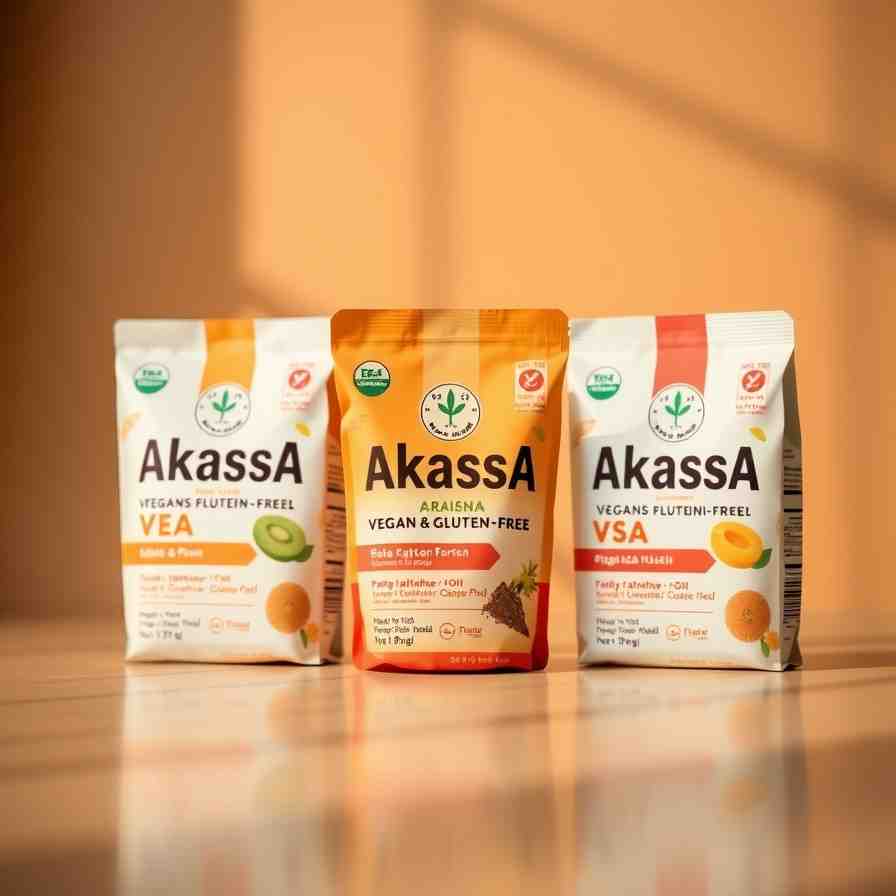
- Serves: 6 People
- Prepare Time: 15 minutes
- Cooking Time: 40 minutes
- Calories: -
- Difficulty: Medium
Ever wanted to dive deep into the heart of West African cuisine, especially with vegan and gluten free recipes? Get ready to discover Akassa, a beloved staple from Benin that's as wholesome as it is delicious! This isn't just any cornmeal dish; Akassa is a fermented, firm paste that's incredibly versatile, naturally gluten free vegan food recipes, and a true taste of tradition. Many recipes out there skip the critical fermentation process or offer simplified versions, but we're going full from-scratch fermentation + cooking to bring you the most authentic experience. Whether you're a seasoned chef or just starting your culinary journey, this guide will walk you through creating this amazing gluten free comfort food from the ground up. It’s a fantastic way to explore healthy, wholesome food recipes and connect with Beninese culture, one delicious bite at a time. Let's get cooking!
Ingredients
Directions
- Part 1: The Fermentation Process (2-3 Days)
- Rinse & Soak: Place the white cornmeal in a large, clean bowl. Add about 4-5 cups of water, enough to fully submerge the cornmeal with a few inches to spare. Stir well to ensure all the meal is wet.
- Cover & Ferment: Cover the bowl loosely with a clean kitchen towel or plastic wrap, allowing some air circulation. Place it in a warm spot in your kitchen (away from direct sunlight). Let it ferment for 2-3 days.
- Daily Check-in: Each day, give the mixture a good stir. You’ll notice bubbles forming, and a distinct sour, tangy aroma developing – this means the fermentation is working its magic!
- Separate & Rinse: After 2-3 days, the cornmeal will have settled at the bottom, and a layer of cloudy water will be on top. Carefully pour off most of this cloudy water.
- Strain & Rinse Again: Add fresh water to the bowl, stir, and let it settle again. Carefully pour off the water. Repeat this process 2-3 times until the water you're pouring off is clearer, and the cornmeal smells pleasantly sour, not overly pungent. This rinsing helps achieve the perfect Akassa flavor.
- Final Drain: Once rinsed, pour the cornmeal mixture into a fine-mesh sieve lined with cheesecloth or a clean kitchen towel. Allow it to drain for at least 30 minutes, or until most of the excess water has dripped away, leaving you with a thick, pasty cornmeal mixture. This is your fermented cornmeal paste.
- Part 2: Cooking the Akassa
- Prepare the Slurry: Take about 1/2 cup of the drained fermented cornmeal paste and mix it with 1 cup of cold water in a small bowl. Stir until smooth and lump-free. Set aside.
- Boil Water: In a medium-sized pot, bring 2-3 cups of water to a rolling boil. If using salt, add a pinch now.
- Incorporate Slurry: Once the water is boiling, reduce the heat to medium-low. Slowly pour the cornmeal slurry into the boiling water, stirring continuously with a wooden spoon or whisk to prevent lumps.
- Cook & Thicken: Continue stirring constantly. The mixture will begin to thicken rapidly. Once it starts to form a thick, smooth paste (like a very thick porridge), gradually add the remaining fermented cornmeal paste, about a tablespoon at a time, still stirring vigorously.
- Achieve Consistency: Keep stirring and cooking for about 15-20 minutes, or until the Akassa is very thick, smooth, and pulls away from the sides of the pot. It should have a firm, dough-like consistency, yet still be pliable. The color will also deepen slightly.
- Shape (Optional): Once cooked, you can serve it as a soft paste or shape it. Traditionally, Akassa is scooped into small, clean plastic bags or wrapped in banana leaves to form individual portions, then allowed to cool and firm up. This step makes it easier to serve and store.
- Serve: Unmold the Akassa and serve warm or at room temperature. It's traditionally enjoyed with a variety of stews, especially those with okra, or spicy sauces.
Make Akassa - Vegan & Gluten-Free from Benin

- Serves: 6 People
- Prepare Time: 15 minutes
- Cooking Time: 40 minutes
- Calories: -
- Difficulty: Medium
Ever wanted to dive deep into the heart of West African cuisine, especially with vegan and gluten free recipes? Get ready to discover Akassa, a beloved staple from Benin that's as wholesome as it is delicious! This isn't just any cornmeal dish; Akassa is a fermented, firm paste that's incredibly versatile, naturally gluten free vegan food recipes, and a true taste of tradition. Many recipes out there skip the critical fermentation process or offer simplified versions, but we're going full from-scratch fermentation + cooking to bring you the most authentic experience. Whether you're a seasoned chef or just starting your culinary journey, this guide will walk you through creating this amazing gluten free comfort food from the ground up. It’s a fantastic way to explore healthy, wholesome food recipes and connect with Beninese culture, one delicious bite at a time. Let's get cooking!
Ingredients
Directions
- Part 1: The Fermentation Process (2-3 Days)
- Rinse & Soak: Place the white cornmeal in a large, clean bowl. Add about 4-5 cups of water, enough to fully submerge the cornmeal with a few inches to spare. Stir well to ensure all the meal is wet.
- Cover & Ferment: Cover the bowl loosely with a clean kitchen towel or plastic wrap, allowing some air circulation. Place it in a warm spot in your kitchen (away from direct sunlight). Let it ferment for 2-3 days.
- Daily Check-in: Each day, give the mixture a good stir. You’ll notice bubbles forming, and a distinct sour, tangy aroma developing – this means the fermentation is working its magic!
- Separate & Rinse: After 2-3 days, the cornmeal will have settled at the bottom, and a layer of cloudy water will be on top. Carefully pour off most of this cloudy water.
- Strain & Rinse Again: Add fresh water to the bowl, stir, and let it settle again. Carefully pour off the water. Repeat this process 2-3 times until the water you're pouring off is clearer, and the cornmeal smells pleasantly sour, not overly pungent. This rinsing helps achieve the perfect Akassa flavor.
- Final Drain: Once rinsed, pour the cornmeal mixture into a fine-mesh sieve lined with cheesecloth or a clean kitchen towel. Allow it to drain for at least 30 minutes, or until most of the excess water has dripped away, leaving you with a thick, pasty cornmeal mixture. This is your fermented cornmeal paste.
- Part 2: Cooking the Akassa
- Prepare the Slurry: Take about 1/2 cup of the drained fermented cornmeal paste and mix it with 1 cup of cold water in a small bowl. Stir until smooth and lump-free. Set aside.
- Boil Water: In a medium-sized pot, bring 2-3 cups of water to a rolling boil. If using salt, add a pinch now.
- Incorporate Slurry: Once the water is boiling, reduce the heat to medium-low. Slowly pour the cornmeal slurry into the boiling water, stirring continuously with a wooden spoon or whisk to prevent lumps.
- Cook & Thicken: Continue stirring constantly. The mixture will begin to thicken rapidly. Once it starts to form a thick, smooth paste (like a very thick porridge), gradually add the remaining fermented cornmeal paste, about a tablespoon at a time, still stirring vigorously.
- Achieve Consistency: Keep stirring and cooking for about 15-20 minutes, or until the Akassa is very thick, smooth, and pulls away from the sides of the pot. It should have a firm, dough-like consistency, yet still be pliable. The color will also deepen slightly.
- Shape (Optional): Once cooked, you can serve it as a soft paste or shape it. Traditionally, Akassa is scooped into small, clean plastic bags or wrapped in banana leaves to form individual portions, then allowed to cool and firm up. This step makes it easier to serve and store.
- Serve: Unmold the Akassa and serve warm or at room temperature. It's traditionally enjoyed with a variety of stews, especially those with okra, or spicy sauces.
You may also like




Hey there! I’m just someone who seriously loves good food and believes that cooking doesn’t have to be complicated to be amazing. Whether it’s a quick weeknight dinner or a cozy weekend meal, I’m all about sharing easy, tasty recipes that actually work.