Khash Soup - Armenian Recipe
Khash Soup - Armenian Recipe

- Serves: 6 People
- Prepare Time: 15 minutes
- Cooking Time: 6-8 hours
- Calories: -
- Difficulty: Medium
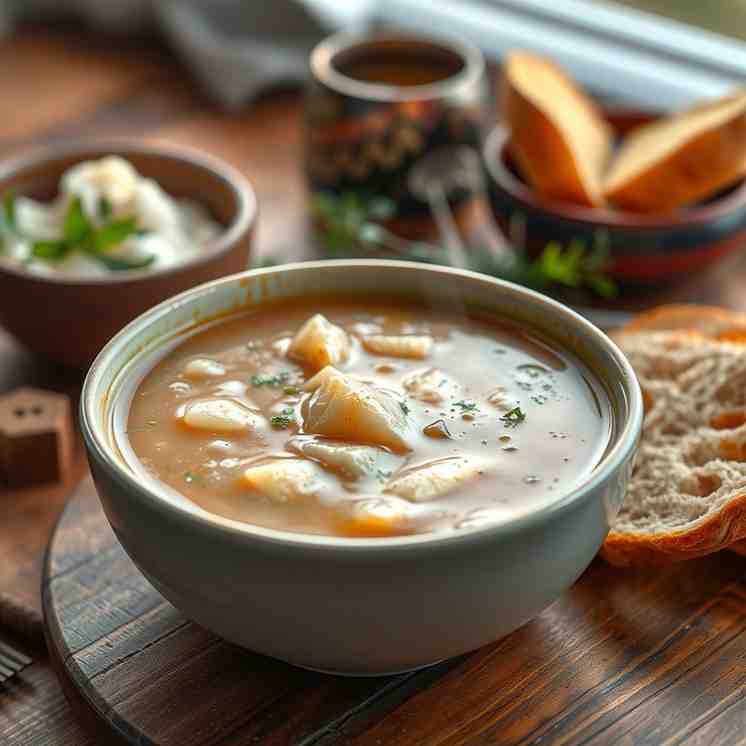
If you’ve ever heard about the Armenian "hangover soup" made from cow’s feet, this is it! Welcome to the world of khash soup, a truly legendary dish that’s so much more than just a meal—it’s a tradition, a ritual, and a hearty embrace in a bowl. Khash is a slow-simmered cow-foot broth, often served with generous amounts of garlic, torn lavash flatbread, and a whole lot of winter-morning vibes. It’s a dish that demands patience but rewards you with incredible flavor and a deeply satisfying experience.
This guide will walk you through a clear, step-by-step recipe for traditional Armenian khash, designed to respect its ancient roots while being perfectly doable in a modern kitchen. Whether you're a seasoned chef or a curious beginner looking to master how to make khash at home, get ready to discover the secrets behind this collagen-rich bone broth khash that warms the soul and energizes the body. Let’s get cooking!
Ingredients
Directions
- Phase 1 – Clean & Soak the Feet (and Optional Tripe/Tongue)
- Rinse Thoroughly: Start by rinsing the cow's feet under cold running water. Inspect them for any residual hair or dirt. If you find any, use a clean razor or a sharp knife to carefully scrape them off. Trim any excess fat or gristle. Rinse the optional tripe and tongue as well.
- Initial Soak: Place the cleaned feet (and optional tripe/tongue) in a very large bowl or clean basin. Cover them completely with cold water.
- Overnight Soak: Let the feet soak for at least 12 hours, and preferably 24 hours. During this time, change the water every 3-4 hours. This crucial step helps draw out impurities, blood, and any residual strong odors, making your khash soup clean and flavorful. The water should appear clearer with each change.
- Phase 2 – First Boil (Blanch & De-funk)
- First Cover: After soaking, drain the feet and place them in your large stockpot. Cover them again with fresh, cold water, ensuring the water level is about 2 inches above the meat.
- Hard Boil & Skim: Bring the pot to a vigorous, rolling boil over high heat. As it heats, you’ll see a significant amount of scum and foam rise to the surface. Use your fine-mesh skimmer to meticulously remove all of this foam. This is another vital step to ensure a clear, clean broth and minimize any unwanted "off" smells.
- Blanch & Discard: Continue to boil hard for about 10-15 minutes, constantly skimming. Then, carefully drain all the water from the pot.
- Rinse Everything: Remove the feet (and optional tripe/tongue) from the pot and rinse them thoroughly under cold running water. Wash the stockpot as well to remove any residue. This double-cleaning process is key for authentic Armenian winter breakfast soup khash.
- Phase 3 – Long, Slow Simmer
- Refill & Simmer: Return the rinsed feet (and optional tripe/tongue) to the clean stockpot. Cover them once more with fresh, cold water, this time aiming for about 1-2 inches above the meat. Add optional bay leaves now if using.
- Gentle Heat: Bring the water just to a boil, then immediately reduce the heat to the lowest possible setting. You want a bare, gentle simmer – just a few bubbles breaking the surface occasionally. This slow cooking is essential for extracting all the collagen and flavor, resulting in a rich, sticky broth.
- Long Cook: Let the khash soup simmer gently for 6-8 hours. Check it periodically to ensure it's simmering, not boiling, and to add a little hot water if the liquid level drops too much.
- Add Optional Meats (if using): If you're using tripe and/or tongue, you can add them to the pot after the feet have been simmering for about 3-4 hours. This ensures they cook through but don't become overly soft or disintegrate.
- Signs of Doneness: The khash is ready when the meat is incredibly tender and easily falls off the bones. The broth should be rich, slightly opaque, and feel sticky on your lips due to the high gelatin content.
- Phase 4 – Strain, Adjust, and Skim Fat
- Strain the Broth: Carefully remove the cooked feet (and other meats) from the pot. Strain the broth through a fine-mesh strainer into a clean bowl or separate pot. This removes any small bone fragments or impurities. The gelatinous thickness is normal and desired.
- Separate Meat: Once cool enough to handle, separate the meat from the bones. You can either leave the meat in larger pieces or shred it slightly. Discard the bones. Return the meat to the strained broth.
- Skim Fat: Allow the broth to cool slightly, or even chill it in the refrigerator overnight. This makes it easier to skim off any excess fat that solidifies on top. For a healthier option, remove as much fat as you like.
- Seasoning: Reheat the broth gently. Now is the time to season generously with salt and freshly ground black pepper to your taste. If the broth is too thick, you can thin it slightly with a little hot water.
- Phase 5 – Garlic Mixture & Garnishes
- Garlic Concoction: In a small bowl, combine a generous portion of the crushed garlic (from the head you prepared earlier) with a few spoonfuls of the hot khash broth. This creates a potent garlic mixture that each person can add to their bowl.
- Prep Garnishes: Finely chop your parsley and cilantro. Slice the radishes and lemons. Arrange all garnishes, lavash pieces, and the garlic mixture on a large platter or in individual bowls for serving. This allows everyone to customize their khash with garlic and lavash.
Khash Soup - Armenian Recipe

- Serves: 6 People
- Prepare Time: 15 minutes
- Cooking Time: 6-8 hours
- Calories: -
- Difficulty: Medium
If you’ve ever heard about the Armenian "hangover soup" made from cow’s feet, this is it! Welcome to the world of khash soup, a truly legendary dish that’s so much more than just a meal—it’s a tradition, a ritual, and a hearty embrace in a bowl. Khash is a slow-simmered cow-foot broth, often served with generous amounts of garlic, torn lavash flatbread, and a whole lot of winter-morning vibes. It’s a dish that demands patience but rewards you with incredible flavor and a deeply satisfying experience.
This guide will walk you through a clear, step-by-step recipe for traditional Armenian khash, designed to respect its ancient roots while being perfectly doable in a modern kitchen. Whether you're a seasoned chef or a curious beginner looking to master how to make khash at home, get ready to discover the secrets behind this collagen-rich bone broth khash that warms the soul and energizes the body. Let’s get cooking!
Ingredients
Directions
- Phase 1 – Clean & Soak the Feet (and Optional Tripe/Tongue)
- Rinse Thoroughly: Start by rinsing the cow's feet under cold running water. Inspect them for any residual hair or dirt. If you find any, use a clean razor or a sharp knife to carefully scrape them off. Trim any excess fat or gristle. Rinse the optional tripe and tongue as well.
- Initial Soak: Place the cleaned feet (and optional tripe/tongue) in a very large bowl or clean basin. Cover them completely with cold water.
- Overnight Soak: Let the feet soak for at least 12 hours, and preferably 24 hours. During this time, change the water every 3-4 hours. This crucial step helps draw out impurities, blood, and any residual strong odors, making your khash soup clean and flavorful. The water should appear clearer with each change.
- Phase 2 – First Boil (Blanch & De-funk)
- First Cover: After soaking, drain the feet and place them in your large stockpot. Cover them again with fresh, cold water, ensuring the water level is about 2 inches above the meat.
- Hard Boil & Skim: Bring the pot to a vigorous, rolling boil over high heat. As it heats, you’ll see a significant amount of scum and foam rise to the surface. Use your fine-mesh skimmer to meticulously remove all of this foam. This is another vital step to ensure a clear, clean broth and minimize any unwanted "off" smells.
- Blanch & Discard: Continue to boil hard for about 10-15 minutes, constantly skimming. Then, carefully drain all the water from the pot.
- Rinse Everything: Remove the feet (and optional tripe/tongue) from the pot and rinse them thoroughly under cold running water. Wash the stockpot as well to remove any residue. This double-cleaning process is key for authentic Armenian winter breakfast soup khash.
- Phase 3 – Long, Slow Simmer
- Refill & Simmer: Return the rinsed feet (and optional tripe/tongue) to the clean stockpot. Cover them once more with fresh, cold water, this time aiming for about 1-2 inches above the meat. Add optional bay leaves now if using.
- Gentle Heat: Bring the water just to a boil, then immediately reduce the heat to the lowest possible setting. You want a bare, gentle simmer – just a few bubbles breaking the surface occasionally. This slow cooking is essential for extracting all the collagen and flavor, resulting in a rich, sticky broth.
- Long Cook: Let the khash soup simmer gently for 6-8 hours. Check it periodically to ensure it's simmering, not boiling, and to add a little hot water if the liquid level drops too much.
- Add Optional Meats (if using): If you're using tripe and/or tongue, you can add them to the pot after the feet have been simmering for about 3-4 hours. This ensures they cook through but don't become overly soft or disintegrate.
- Signs of Doneness: The khash is ready when the meat is incredibly tender and easily falls off the bones. The broth should be rich, slightly opaque, and feel sticky on your lips due to the high gelatin content.
- Phase 4 – Strain, Adjust, and Skim Fat
- Strain the Broth: Carefully remove the cooked feet (and other meats) from the pot. Strain the broth through a fine-mesh strainer into a clean bowl or separate pot. This removes any small bone fragments or impurities. The gelatinous thickness is normal and desired.
- Separate Meat: Once cool enough to handle, separate the meat from the bones. You can either leave the meat in larger pieces or shred it slightly. Discard the bones. Return the meat to the strained broth.
- Skim Fat: Allow the broth to cool slightly, or even chill it in the refrigerator overnight. This makes it easier to skim off any excess fat that solidifies on top. For a healthier option, remove as much fat as you like.
- Seasoning: Reheat the broth gently. Now is the time to season generously with salt and freshly ground black pepper to your taste. If the broth is too thick, you can thin it slightly with a little hot water.
- Phase 5 – Garlic Mixture & Garnishes
- Garlic Concoction: In a small bowl, combine a generous portion of the crushed garlic (from the head you prepared earlier) with a few spoonfuls of the hot khash broth. This creates a potent garlic mixture that each person can add to their bowl.
- Prep Garnishes: Finely chop your parsley and cilantro. Slice the radishes and lemons. Arrange all garnishes, lavash pieces, and the garlic mixture on a large platter or in individual bowls for serving. This allows everyone to customize their khash with garlic and lavash.
You may also like
.jpg)


Hey there! I’m just someone who seriously loves good food and believes that cooking doesn’t have to be complicated to be amazing. Whether it’s a quick weeknight dinner or a cozy weekend meal, I’m all about sharing easy, tasty recipes that actually work.