Belarusian Kolduny Stuffed Potato Dumplings
Belarusian Kolduny Stuffed Potato Dumplings
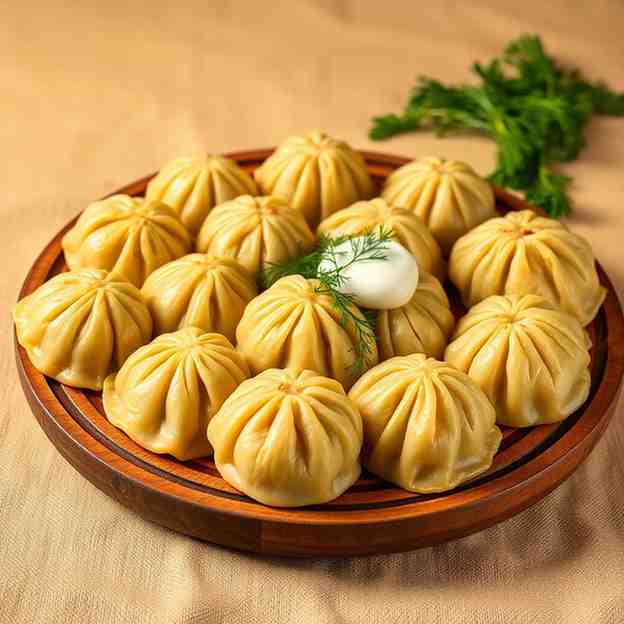
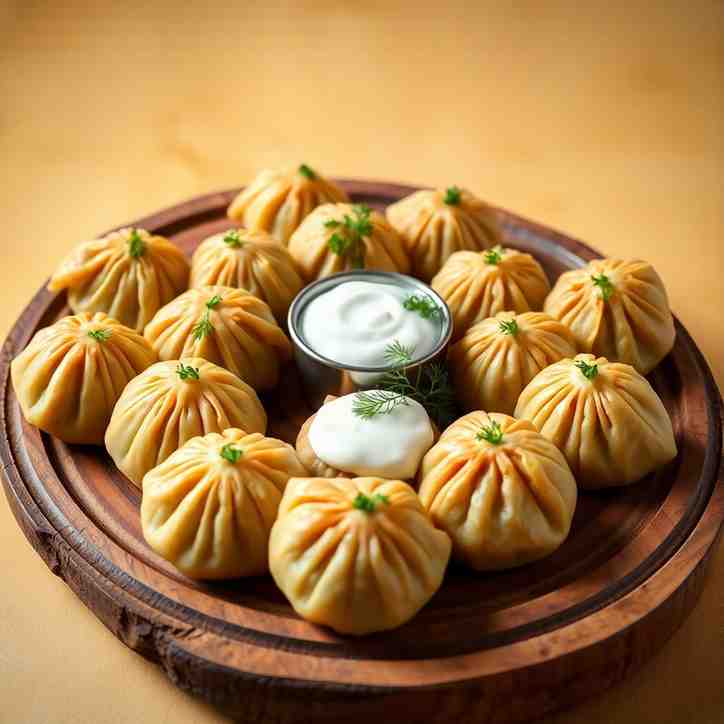
- Serves: 4 People
- Prepare Time: 45 minutes
- Cooking Time: 30 minutes
- Calories: -
- Difficulty: Medium
Ever dreamt of a dish that’s both comforting and exciting? Imagine crisp-edged pillows of potato wrapped around juicy, savory meat, finished with a dollop of cool sour cream and fresh herbs. That, my friends, is the magic of Belarusian Kolduny! These beloved dumplings are a heartwarming hybrid of a potato pancake and a stuffed dumpling, offering a unique texture and flavor that sets them apart from their pierogi or pelmeni cousins.
This isn't just another recipe; it’s your single, definitive guide to traditional Belarusian potato Kolduny. We’ve tested every step, gathered all the insider tips, and simplified the process so you can confidently create these culinary treasures right in your own kitchen. While you might associate sour cream with many Eastern European dishes, it truly shines here, balancing the richness of the potato and meat. Get ready to embark on a delicious journey to the heart of Belarus!
Ingredients
Directions
- Before You Start (Prep Checklist):
- Chill the meat mixture while you prep potatoes.
- Line a large baking tray with parchment paper to hold shaped kolduny.
- Have toppings (sour cream, herbs) ready for serving.
- Make the Meat Filling:
- In a small skillet, heat a tiny bit of oil over medium heat. Add the finely grated or minced onion and sauté until it's softened, sweet, and lightly golden, about 5-7 minutes. Let it cool completely.
- In a mixing bowl, combine the ground meat, cooled sautéed onion, minced garlic, marjoram/dill, salt, pepper, and any optional broth or spices.
- Mix thoroughly with your hands until the mixture is sticky and cohesive. It should look well-combined and hold together.
- Cover the bowl and chill in the refrigerator for at least 30 minutes to firm up. Visual cue: The filling should hold a small ball shape without crumbling.
- Prep & Squeeze the Potatoes:
- Peel the potatoes and immediately place them in a bowl of cold water to prevent browning while you work.
- Using the fine side of a box grater or a food processor with a grating disk, grate all the potatoes.
- Immediately transfer the grated potatoes to a clean kitchen towel or a nut-milk bag. Squeeze out as much liquid as humanly possible over a bowl. This is a crucial step for crispy kolduny!
- Optional: Let the squeezed potato liquid sit for 5-10 minutes. A white starch layer will settle at the bottom. Carefully pour off the clear liquid, then stir the settled starch back into the squeezed potatoes. This helps with binding.
- Visual cue: Squeezed potato should feel damp but not dripping; if you squeeze again, only a few drops should come out.
- Mix the Potato Dough:
- In a clean mixing bowl, combine the thoroughly squeezed potatoes with the large egg, 2 tablespoons of flour, salt, and pepper.
- Mix gently with your hands until just combined. Be careful not to overwork the dough, as this can make it gummy.
- If the mixture feels too wet to form a patty, add the remaining tablespoon of flour, one teaspoon at a time, until it can be formed into a soft patty that holds together.
- Visual cue: The dough should feel like a soft meatball mixture – it holds a patty but is still tender and a bit sticky.
- Shape the Kolduny:
- Have a small bowl of water nearby to keep your hands damp, which prevents the potato mixture from sticking.
- Portion out about 1.5-2 tablespoons of the potato mixture and flatten it into an oval or round patty (about 3-4 inches in diameter) in the palm of your hand.
- Place a smaller spoonful (about 1-1.5 tablespoons) of the chilled meat filling in the center of the potato patty.
- Carefully fold the potato mixture around the filling, sealing the edges completely. Gently smooth the dumpling into an oval or football shape. Ensure there are no cracks for the meat to escape.
- Place the shaped kolduny on your parchment paper-lined tray.
- Repeat with the remaining potato dough and meat filling.
- Tip bullets:
- Work with slightly wet hands to prevent sticking.
- Keep formed dumplings in a single layer on the tray; don’t stack them, or they might stick together.
- Fry the Kolduny:
- Heat the neutral oil and butter (or duck fat) in a large nonstick or cast-iron skillet over medium heat. You want enough fat to generously coat the bottom of the pan.
- Once the fat is shimmering (but not smoking), carefully add the kolduny to the pan in batches. Do not crowd the pan, as this lowers the temperature and prevents proper browning.
- Fry for 5-7 minutes per side, or until they are a deep, rich golden brown and crisp on the first side.
- Gently turn them over and cook until golden on the second side and the meat filling is cooked through.
- Optional: For thicker kolduny, you can cover the pan briefly (2-3 minutes) after turning to help cook the center, then uncover to crisp the outside for the last few minutes.
- Doneness cues:
- The exterior should be deep golden brown and crisp.
- For pork/poultry, the internal temperature should reach 165°F (74°C). An instant-read thermometer is nice to have for this.
- If you cut one open, the juices should run clear, and the meat should no longer be pink.
- Rest & Serve:
- Transfer the cooked kolduny to a paper-towel-lined plate (briefly) or a wire rack to drain any excess oil.
- Serve hot with a generous dollop of cool sour cream, a sprinkle of fresh chopped herbs (dill is classic!), and optional sautéed onions or crispy bacon bits.
Belarusian Kolduny Stuffed Potato Dumplings
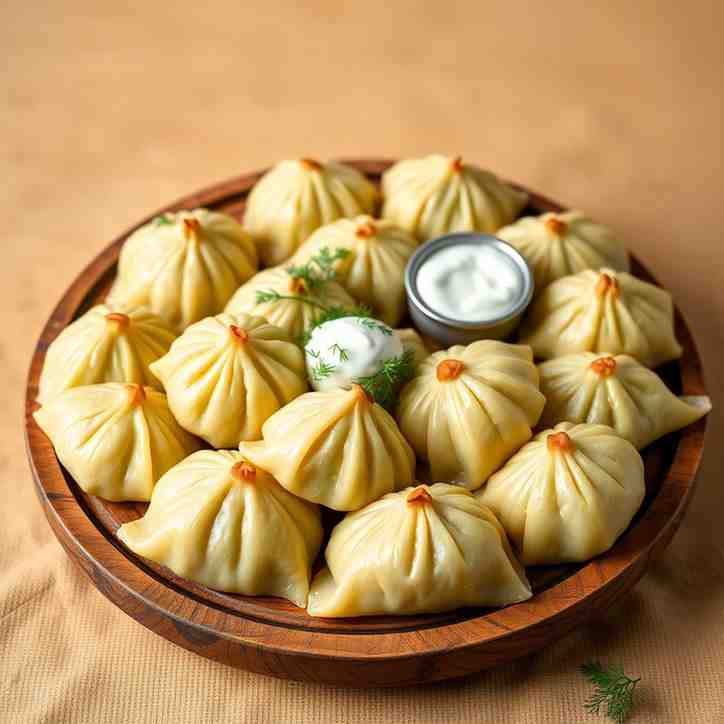
- Serves: 4 People
- Prepare Time: 45 minutes
- Cooking Time: 30 minutes
- Calories: -
- Difficulty: Medium
Ever dreamt of a dish that’s both comforting and exciting? Imagine crisp-edged pillows of potato wrapped around juicy, savory meat, finished with a dollop of cool sour cream and fresh herbs. That, my friends, is the magic of Belarusian Kolduny! These beloved dumplings are a heartwarming hybrid of a potato pancake and a stuffed dumpling, offering a unique texture and flavor that sets them apart from their pierogi or pelmeni cousins.
This isn't just another recipe; it’s your single, definitive guide to traditional Belarusian potato Kolduny. We’ve tested every step, gathered all the insider tips, and simplified the process so you can confidently create these culinary treasures right in your own kitchen. While you might associate sour cream with many Eastern European dishes, it truly shines here, balancing the richness of the potato and meat. Get ready to embark on a delicious journey to the heart of Belarus!
Ingredients
Directions
- Before You Start (Prep Checklist):
- Chill the meat mixture while you prep potatoes.
- Line a large baking tray with parchment paper to hold shaped kolduny.
- Have toppings (sour cream, herbs) ready for serving.
- Make the Meat Filling:
- In a small skillet, heat a tiny bit of oil over medium heat. Add the finely grated or minced onion and sauté until it's softened, sweet, and lightly golden, about 5-7 minutes. Let it cool completely.
- In a mixing bowl, combine the ground meat, cooled sautéed onion, minced garlic, marjoram/dill, salt, pepper, and any optional broth or spices.
- Mix thoroughly with your hands until the mixture is sticky and cohesive. It should look well-combined and hold together.
- Cover the bowl and chill in the refrigerator for at least 30 minutes to firm up. Visual cue: The filling should hold a small ball shape without crumbling.
- Prep & Squeeze the Potatoes:
- Peel the potatoes and immediately place them in a bowl of cold water to prevent browning while you work.
- Using the fine side of a box grater or a food processor with a grating disk, grate all the potatoes.
- Immediately transfer the grated potatoes to a clean kitchen towel or a nut-milk bag. Squeeze out as much liquid as humanly possible over a bowl. This is a crucial step for crispy kolduny!
- Optional: Let the squeezed potato liquid sit for 5-10 minutes. A white starch layer will settle at the bottom. Carefully pour off the clear liquid, then stir the settled starch back into the squeezed potatoes. This helps with binding.
- Visual cue: Squeezed potato should feel damp but not dripping; if you squeeze again, only a few drops should come out.
- Mix the Potato Dough:
- In a clean mixing bowl, combine the thoroughly squeezed potatoes with the large egg, 2 tablespoons of flour, salt, and pepper.
- Mix gently with your hands until just combined. Be careful not to overwork the dough, as this can make it gummy.
- If the mixture feels too wet to form a patty, add the remaining tablespoon of flour, one teaspoon at a time, until it can be formed into a soft patty that holds together.
- Visual cue: The dough should feel like a soft meatball mixture – it holds a patty but is still tender and a bit sticky.
- Shape the Kolduny:
- Have a small bowl of water nearby to keep your hands damp, which prevents the potato mixture from sticking.
- Portion out about 1.5-2 tablespoons of the potato mixture and flatten it into an oval or round patty (about 3-4 inches in diameter) in the palm of your hand.
- Place a smaller spoonful (about 1-1.5 tablespoons) of the chilled meat filling in the center of the potato patty.
- Carefully fold the potato mixture around the filling, sealing the edges completely. Gently smooth the dumpling into an oval or football shape. Ensure there are no cracks for the meat to escape.
- Place the shaped kolduny on your parchment paper-lined tray.
- Repeat with the remaining potato dough and meat filling.
- Tip bullets:
- Work with slightly wet hands to prevent sticking.
- Keep formed dumplings in a single layer on the tray; don’t stack them, or they might stick together.
- Fry the Kolduny:
- Heat the neutral oil and butter (or duck fat) in a large nonstick or cast-iron skillet over medium heat. You want enough fat to generously coat the bottom of the pan.
- Once the fat is shimmering (but not smoking), carefully add the kolduny to the pan in batches. Do not crowd the pan, as this lowers the temperature and prevents proper browning.
- Fry for 5-7 minutes per side, or until they are a deep, rich golden brown and crisp on the first side.
- Gently turn them over and cook until golden on the second side and the meat filling is cooked through.
- Optional: For thicker kolduny, you can cover the pan briefly (2-3 minutes) after turning to help cook the center, then uncover to crisp the outside for the last few minutes.
- Doneness cues:
- The exterior should be deep golden brown and crisp.
- For pork/poultry, the internal temperature should reach 165°F (74°C). An instant-read thermometer is nice to have for this.
- If you cut one open, the juices should run clear, and the meat should no longer be pink.
- Rest & Serve:
- Transfer the cooked kolduny to a paper-towel-lined plate (briefly) or a wire rack to drain any excess oil.
- Serve hot with a generous dollop of cool sour cream, a sprinkle of fresh chopped herbs (dill is classic!), and optional sautéed onions or crispy bacon bits.
The following nutritional values are per serving (one piece of cake) Calories Approximately 350-450 calories per serving (4 dumplings) Carbohydrates Approximately 30-40g per serving Protein Approximately 20-25g per serving Fat Approximately 20-30g per serving Making traditional Belarusian Kolduny is a labor of love, but that doesn't mean you can't smarten up your process! Here are a few tools and ingredients that can help you shave off some precious time without sacrificing flavor. Food Processor with Grating DiskProblem: Grating a pile of potatoes by hand is a serious arm workout and can take ages, especially if you're making a big batch. Problem: Grating a pile of potatoes by hand is a serious arm workout and can take ages, especially if you're making a big batch. Problem: Squeezing liquid from grated potatoes is crucial for crisp kolduny, but a flimsy cloth can tear, making a huge mess and leaving your potatoes too wet. Problem: Trying to fry too many kolduny in a small pan crowds them, lowering the oil temperature and preventing them from getting beautifully golden and crisp. Problem: Peeling and mincing fresh garlic takes a moment, and sometimes you just want to get dinner on the table. Click any ingredient for detailed nutritional information:Recipe Nutritional Values
Additional Information
Recipe Success Tips
Ingredient Substitutions & Variations
Cultural Variations
Make-Ahead & Storage Instructions
Frequently Asked Questions
Recommended Kitchen Tools
Sturdy Nut-Milk Bag or Heavy-Duty Kitchen Towel
Agitate: Manual grating can be tiring, messy, and frankly, a bit boring when you're eager to get to the cooking part. Plus, inconsistent grating can lead to unevenly textured kolduny.
Solution: A food processor with a grating disk is a lifesaver! It makes quick work of shredding potatoes evenly, letting you move on to the fun part much faster. Sturdy Nut-Milk Bag or Heavy-Duty Kitchen TowelLarge Nonstick or Cast-Iron Skillet
Agitate: Too much moisture means mushy, falling-apart dumplings – a real disappointment after all your effort! A weak towel can give way under pressure, spilling potato pulp everywhere.
Solution: Invest in a robust nut-milk bag or a thick, clean kitchen towel. It makes squeezing out excess liquid efficient and mess-free, ensuring your potato dough is just right for shaping. Large Nonstick or Cast-Iron SkilletPre-Minced Garlic or Garlic Powder
Agitate: Overcrowding leads to pale, greasy dumplings that steam instead of fry, robbing them of that irresistible crispy exterior. You'll spend more time frying in multiple, tiny batches.
Solution: A spacious nonstick or cast-iron skillet allows you to fry a good number of kolduny at once, giving them plenty of room to develop that perfect deep golden crust. Pre-Minced Garlic or Garlic PowderKitchen Tool
Agitate: Every second counts when hunger strikes! While fresh is always great, the fiddly task of mincing can slow you down.
Solution: Keep pre-minced garlic in a jar or garlic powder in your pantry. A quick scoop or shake adds the savory flavor you need to the meat filling without the extra knife work.Calories per Ingredient
You may also like



Hey there! I’m just someone who seriously loves good food and believes that cooking doesn’t have to be complicated to be amazing. Whether it’s a quick weeknight dinner or a cozy weekend meal, I’m all about sharing easy, tasty recipes that actually work.