Bhutanese Puta Easy Buckwheat Noodle Recipes
Bhutanese Puta Easy Buckwheat Noodle Recipes
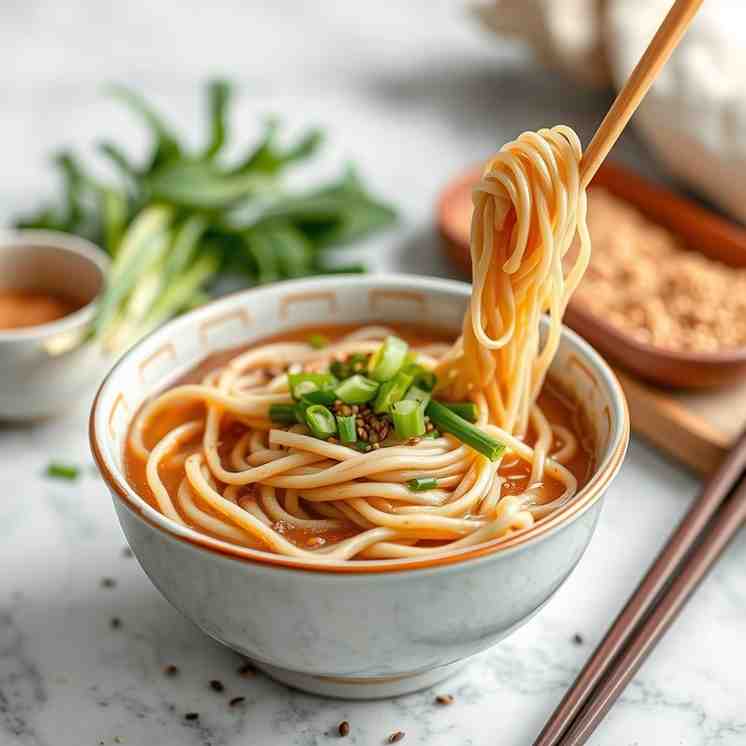
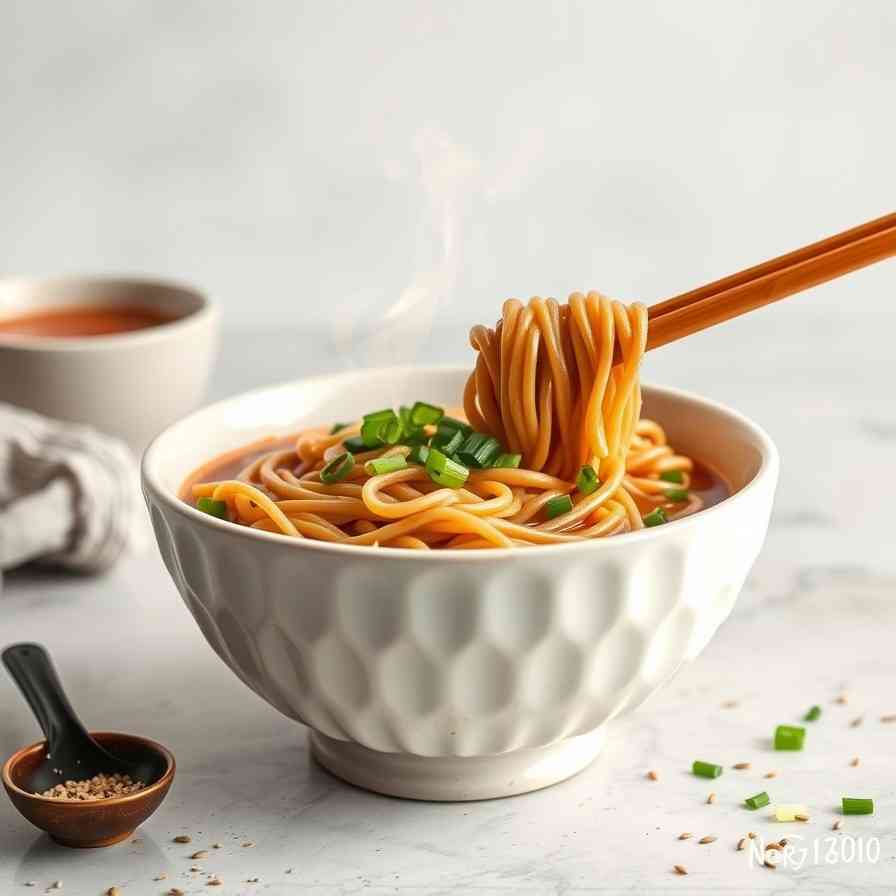
- Serves: 4 People
- Prepare Time: 20-45 minut
- Cooking Time: 15-20 minut
- Calories: -
- Difficulty: Easy
Ready for a culinary adventure that whisks you away to the majestic Himalayas? Get ready to explore the vibrant flavors of Bhutan with Puta, a traditional stir-fried buckwheat noodle dish that’s as delicious as it is unique. If you're searching for recipes using buckwheat or eager to dive into international cuisine recipes, you've landed in the right spot! Puta isn't just a meal; it's a taste of Bhutanese culture, often enjoyed with fresh chili and a medley of simple, wholesome ingredients.
Whether you're a seasoned chef looking for easy international food or a beginner eager to try cooking for beginners recipes, we've got you covered. We'll show you how to make this delightful dish from scratch, including an easy recipe for homemade noodles, for the purists and adventurous cooks out there. But don't worry, if you're short on time or wondering buckwheat noodles where to buy, we’ll also guide you through making Puta with convenient store-bought buckwheat soba noodles. Prepare to discover a truly satisfying and flavorful dish that brings the heart of Bhutanese tradition right to your kitchen. Let's get cooking!
Want to truly impress? Making your own buckwheat noodles is simpler than you think and adds an authentic touch to your Puta. This is perfect if you're looking for a homemade chilli recipe that includes fresh noodles.
Ingredients
Directions
- Combine Dry Ingredients: In a large bowl, whisk together the buckwheat flour, all-purpose flour, and salt.
- Add Water: Gradually add the warm water to the flour mixture, mixing with a spoon until a shaggy dough forms.
- Knead the Dough: Turn the dough out onto a lightly floured surface. Knead for 5-7 minutes, adding a little vegetable oil to prevent sticking. The dough should be firm but pliable. If it's too dry, add a tiny bit more water; if too sticky, add a sprinkle of flour.
- Rest the Dough: Form the dough into a ball, cover it with a damp cloth or plastic wrap, and let it rest at room temperature for at least 30 minutes. This helps the gluten relax, making it easier to roll.
- Roll the Noodles: Divide the dough into two or three portions. On a lightly floured surface (using buckwheat flour if possible to prevent sticking), roll out each portion very thinly, about 1/16th to 1/8th inch thick. You can use a rolling pin or a pasta machine.
- Cut the Noodles: Lightly dust the rolled-out dough with flour, then fold it loosely or roll it up. Using a sharp knife, cut the dough into thin strips, about 1/8th inch wide. Unfurl the noodles and toss them gently with a little more flour to prevent sticking.
- Cook the Noodles: Bring a large pot of salted water to a rolling boil. Add the fresh buckwheat noodles and cook for 2-4 minutes, or until al dente. They cook much faster than dried noodles! Drain immediately and rinse under cold water to stop the cooking and remove excess starch. Toss with a tiny bit of oil to prevent sticking. Set aside.
- Bhutanese Puta (Stir-Fried Buckwheat Noodles)
- This is the main event! A flavorful and satisfying chili and noodles recipe that's quick to prepare, especially if you're using store-bought buckwheat soba noodles.
- Bhutanese Puta Step-by-Step Instructions
- Prepare Noodles: If using store-bought buckwheat noodles, cook them according to package directions. Drain, rinse with cold water, and toss with a little oil to prevent sticking. Set aside.
- Sauté Aromatics: Heat the vegetable oil in a large wok or skillet over medium-high heat. Add the sliced onion and cook until softened and translucent, about 3-4 minutes.
- Add Garlic & Chili: Stir in the minced garlic and sliced fresh chilies. Cook for another minute until fragrant, being careful not to burn the garlic. This is where the chili recipe with noodles truly comes alive!
- Add Protein (Optional): If using chicken, pork, beef, or a vegetarian alternative, add it to the wok and stir-fry until cooked through or heated, about 3-5 minutes.
- Combine with Noodles: Add the cooked buckwheat noodles to the wok. Pour in the soy sauce, rice vinegar, sesame oil, and black pepper.
- Stir-Fry: Toss everything together gently but thoroughly, ensuring the noodles are evenly coated with the sauce and heated through. Stir-fry for 2-3 minutes.
- Garnish and Serve: Remove from heat. Stir in half of the chopped scallions. Transfer the Puta to serving bowls, garnish with the remaining scallions and fresh cilantro (if using). Serve immediately with an optional squeeze of fresh lime juice. This makes for a fantastic noodles recipe easy enough for any weeknight!
Bhutanese Puta Easy Buckwheat Noodle Recipes

- Serves: 4 People
- Prepare Time: 20-45 minut
- Cooking Time: 15-20 minut
- Calories: -
- Difficulty: Easy
Ready for a culinary adventure that whisks you away to the majestic Himalayas? Get ready to explore the vibrant flavors of Bhutan with Puta, a traditional stir-fried buckwheat noodle dish that’s as delicious as it is unique. If you're searching for recipes using buckwheat or eager to dive into international cuisine recipes, you've landed in the right spot! Puta isn't just a meal; it's a taste of Bhutanese culture, often enjoyed with fresh chili and a medley of simple, wholesome ingredients.
Whether you're a seasoned chef looking for easy international food or a beginner eager to try cooking for beginners recipes, we've got you covered. We'll show you how to make this delightful dish from scratch, including an easy recipe for homemade noodles, for the purists and adventurous cooks out there. But don't worry, if you're short on time or wondering buckwheat noodles where to buy, we’ll also guide you through making Puta with convenient store-bought buckwheat soba noodles. Prepare to discover a truly satisfying and flavorful dish that brings the heart of Bhutanese tradition right to your kitchen. Let's get cooking!
Want to truly impress? Making your own buckwheat noodles is simpler than you think and adds an authentic touch to your Puta. This is perfect if you're looking for a homemade chilli recipe that includes fresh noodles.
Ingredients
Directions
- Combine Dry Ingredients: In a large bowl, whisk together the buckwheat flour, all-purpose flour, and salt.
- Add Water: Gradually add the warm water to the flour mixture, mixing with a spoon until a shaggy dough forms.
- Knead the Dough: Turn the dough out onto a lightly floured surface. Knead for 5-7 minutes, adding a little vegetable oil to prevent sticking. The dough should be firm but pliable. If it's too dry, add a tiny bit more water; if too sticky, add a sprinkle of flour.
- Rest the Dough: Form the dough into a ball, cover it with a damp cloth or plastic wrap, and let it rest at room temperature for at least 30 minutes. This helps the gluten relax, making it easier to roll.
- Roll the Noodles: Divide the dough into two or three portions. On a lightly floured surface (using buckwheat flour if possible to prevent sticking), roll out each portion very thinly, about 1/16th to 1/8th inch thick. You can use a rolling pin or a pasta machine.
- Cut the Noodles: Lightly dust the rolled-out dough with flour, then fold it loosely or roll it up. Using a sharp knife, cut the dough into thin strips, about 1/8th inch wide. Unfurl the noodles and toss them gently with a little more flour to prevent sticking.
- Cook the Noodles: Bring a large pot of salted water to a rolling boil. Add the fresh buckwheat noodles and cook for 2-4 minutes, or until al dente. They cook much faster than dried noodles! Drain immediately and rinse under cold water to stop the cooking and remove excess starch. Toss with a tiny bit of oil to prevent sticking. Set aside.
- Bhutanese Puta (Stir-Fried Buckwheat Noodles)
- This is the main event! A flavorful and satisfying chili and noodles recipe that's quick to prepare, especially if you're using store-bought buckwheat soba noodles.
- Bhutanese Puta Step-by-Step Instructions
- Prepare Noodles: If using store-bought buckwheat noodles, cook them according to package directions. Drain, rinse with cold water, and toss with a little oil to prevent sticking. Set aside.
- Sauté Aromatics: Heat the vegetable oil in a large wok or skillet over medium-high heat. Add the sliced onion and cook until softened and translucent, about 3-4 minutes.
- Add Garlic & Chili: Stir in the minced garlic and sliced fresh chilies. Cook for another minute until fragrant, being careful not to burn the garlic. This is where the chili recipe with noodles truly comes alive!
- Add Protein (Optional): If using chicken, pork, beef, or a vegetarian alternative, add it to the wok and stir-fry until cooked through or heated, about 3-5 minutes.
- Combine with Noodles: Add the cooked buckwheat noodles to the wok. Pour in the soy sauce, rice vinegar, sesame oil, and black pepper.
- Stir-Fry: Toss everything together gently but thoroughly, ensuring the noodles are evenly coated with the sauce and heated through. Stir-fry for 2-3 minutes.
- Garnish and Serve: Remove from heat. Stir in half of the chopped scallions. Transfer the Puta to serving bowls, garnish with the remaining scallions and fresh cilantro (if using). Serve immediately with an optional squeeze of fresh lime juice. This makes for a fantastic noodles recipe easy enough for any weeknight!
The following nutritional values are per serving (one piece of cake) Calories ~350-450 kcal Carbs ~50-60g Protein ~20-25g Fat ~10-15g Harnessing the right tools and smart ingredient choices can transform your cooking experience, making this Bhutanese delight even more accessible, especially on busy weeknights. Problem: Preparing homemade noodles can be a time-consuming task, often deterring home cooks from attempting traditional recipes. Problem: Chopping and mincing fresh garlic, ginger, and chili can be tedious and messy. Problem: Finding authentic buckwheat noodles can sometimes be a challenge, and making them from scratch isn't always feasible. Click any ingredient for detailed nutritional information:Recipe Nutritional Values
Additional Information
Recipe Success Tips
Ingredient Substitutions & Variations
Cultural Variations
Make-Ahead & Storage Instructions
Frequently Asked Questions
Recommended Kitchen Tools
Noodle Maker Attachment for your Stand Mixer
Agitate: Who has hours to dedicate to kneading, rolling, and cutting dough after a long day, especially when hunger strikes?
Solution: Invest in a Noodle Maker Attachment for your Stand Mixer or a dedicated Manual Pasta Maker. These tools significantly cut down on the manual effort, allowing you to enjoy fresh, homemade buckwheat noodles without the extensive labor.Mini Food Processor
Agitate: Dealing with sticky garlic peels, fiery chili seeds, and the constant threat of kitchen knife accidents can dampen the joy of cooking.
Solution: A Mini Food Processor or even a simple Garlic Press can quickly mince your aromatics. For chilies, consider using pre-minced chili paste or frozen diced chilies available in most Asian markets.high-quality, store-bought buckwheat soba noodles
Agitate: You've got a craving for Puta, but you're short on time or can't locate the specific ingredients. Does that mean giving up on your culinary adventure?
Solution: Don't hesitate to use high-quality, store-bought buckwheat soba noodles. Many brands offer excellent options that provide a similar texture and flavor profile, making Puta an easy weeknight meal. Just ensure they are 100% buckwheat for authenticity if preferred, or a buckwheat-wheat blend for a chewier texture.Calories per Ingredient
You may also like




Hey there! I’m just someone who seriously loves good food and believes that cooking doesn’t have to be complicated to be amazing. Whether it’s a quick weeknight dinner or a cozy weekend meal, I’m all about sharing easy, tasty recipes that actually work.