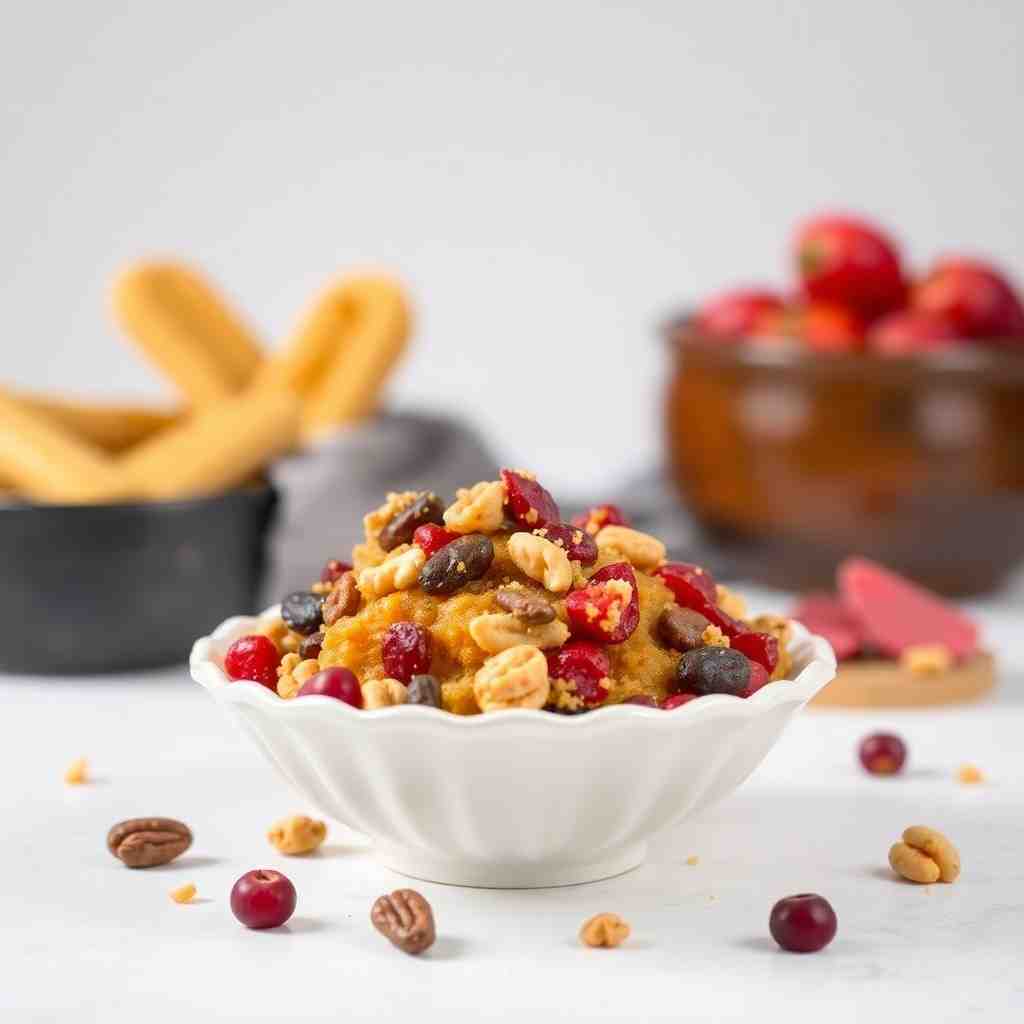
Bosnian Popara - Make Delicious Bread with Cottage Cheese Today
Bosnian Popara - Make Delicious Bread with Cottage Cheese Today


- Serves: 4 People
- Prepare Time: 5 minutes
- Cooking Time: 10 minutes
- Calories: -
- Difficulty: Easy
Ever wonder how to turn humble ingredients into something truly extraordinary? Say hello to Bosnian Popara! This traditional comfort food is a heartwarming dish that brilliantly transforms stale bread with cottage cheese into a savory, satisfying meal. Forget food waste; Popara is a delicious testament to resourcefulness, perfect for anyone looking to make a meal with what they have. Whether you're craving a taste of the Balkans, exploring recipes using bread, or simply seeking a cozy breakfast or light dinner, this simple yet incredibly flavorful dish hits all the right notes. Get ready to discover why Popara, often enriched with creamy fresh feta cheese and a generous amount of butter for bread, is a beloved staple in Bosnian kitchens and an absolute must-try for your own. It’s more than just cheese and bread; it’s a bowl of pure comfort.
Ingredients
Directions
- Sauté Aromatics (Optional but Recommended): In a large, deep skillet or pot, melt 2 tablespoons of butter over medium heat. Add the finely chopped onion and sauté for 5-7 minutes until softened and translucent, but not browned. This step adds a wonderful depth of flavor. If skipping the onion, proceed to the next step.
- Combine & Soften: Add the torn bread pieces to the pot. Pour in the hot water or milk (or your preferred liquid mix). Stir gently to ensure all the bread pieces are submerged and start to absorb the liquid.
- Simmer & Mash: Bring the mixture to a gentle simmer over medium-low heat. Cook for about 5-8 minutes, stirring occasionally, until the bread has softened considerably and most of the liquid has been absorbed. The mixture should be thick and porridge-like. You can use a wooden spoon to gently mash any larger bread chunks if you prefer a smoother consistency.
- Add the Cheeses & Butter: Remove the pot from the heat. Stir in the cottage cheese, crumbled feta cheese, and the remaining 2 tablespoons of butter. Mix well until the cheeses are melted and evenly distributed, and the butter has fully incorporated, making the Popara rich and creamy.
- Season & Serve: Season with salt and black pepper to taste. Remember that feta cheese is salty, so adjust accordingly. Serve immediately in warm bowls. Garnish with extra crumbled feta, fresh parsley, or a sprinkle of paprika if desired. Enjoy this comforting dish warm!
Bosnian Popara - Make Delicious Bread with Cottage Cheese Today

- Serves: 4 People
- Prepare Time: 5 minutes
- Cooking Time: 10 minutes
- Calories: -
- Difficulty: Easy
Ever wonder how to turn humble ingredients into something truly extraordinary? Say hello to Bosnian Popara! This traditional comfort food is a heartwarming dish that brilliantly transforms stale bread with cottage cheese into a savory, satisfying meal. Forget food waste; Popara is a delicious testament to resourcefulness, perfect for anyone looking to make a meal with what they have. Whether you're craving a taste of the Balkans, exploring recipes using bread, or simply seeking a cozy breakfast or light dinner, this simple yet incredibly flavorful dish hits all the right notes. Get ready to discover why Popara, often enriched with creamy fresh feta cheese and a generous amount of butter for bread, is a beloved staple in Bosnian kitchens and an absolute must-try for your own. It’s more than just cheese and bread; it’s a bowl of pure comfort.
Ingredients
Directions
- Sauté Aromatics (Optional but Recommended): In a large, deep skillet or pot, melt 2 tablespoons of butter over medium heat. Add the finely chopped onion and sauté for 5-7 minutes until softened and translucent, but not browned. This step adds a wonderful depth of flavor. If skipping the onion, proceed to the next step.
- Combine & Soften: Add the torn bread pieces to the pot. Pour in the hot water or milk (or your preferred liquid mix). Stir gently to ensure all the bread pieces are submerged and start to absorb the liquid.
- Simmer & Mash: Bring the mixture to a gentle simmer over medium-low heat. Cook for about 5-8 minutes, stirring occasionally, until the bread has softened considerably and most of the liquid has been absorbed. The mixture should be thick and porridge-like. You can use a wooden spoon to gently mash any larger bread chunks if you prefer a smoother consistency.
- Add the Cheeses & Butter: Remove the pot from the heat. Stir in the cottage cheese, crumbled feta cheese, and the remaining 2 tablespoons of butter. Mix well until the cheeses are melted and evenly distributed, and the butter has fully incorporated, making the Popara rich and creamy.
- Season & Serve: Season with salt and black pepper to taste. Remember that feta cheese is salty, so adjust accordingly. Serve immediately in warm bowls. Garnish with extra crumbled feta, fresh parsley, or a sprinkle of paprika if desired. Enjoy this comforting dish warm!
The following nutritional values are per serving (one piece of cake) Calories ~350-400 kcal per serving Carbohydrates ~35-45g per serving Protein ~15-20g per serving Fat ~15-20g per serving Tools and ingredients that can help you cook more easily and consistently. Sometimes, a little help in the kitchen can make all the difference, especially when you're craving comfort food but are short on time. Here are a few things that can speed up your Popara making: Problem: Tearing stale bread by hand can be a bit messy and time-consuming, and you might end up with uneven pieces. Problem: Heating milk or water on the stovetop can take a few minutes, and you have to keep an eye on it to prevent scorching or boiling over. Problem: Mixing and mashing the cottage cheese and butter into the softened bread can sometimes feel like a bit of a workout. Click any ingredient for detailed nutritional information:Recipe Nutritional Values
Additional Information
Recipe Success Tips
Ingredient Substitutions & Variations
Cultural Variations
Make-Ahead & Storage Instructions
Frequently Asked Questions
Recommended Kitchen Tools
Time-Saving Tools & Ingredients
Food Processor for Bread
Agitate: Uneven bread chunks can lead to some parts of your Popara being too soggy and others still a bit dry, making for an inconsistent texture.
Solution: A food processor can quickly pulse your stale bread into perfectly uniform, bite-sized pieces, ensuring even absorption and a consistent, delightful texture every time. Just a few pulses, and you're good to go!Microwave for Heating Liquids
Agitate: Waiting for liquids to heat up can interrupt your flow, and nobody wants burnt milk!
Solution: A microwave is your best friend for quickly heating milk or water. Just a minute or two, depending on the amount, and your liquid is ready for the bread, saving you precious time and stovetop space.Potato Masher or Sturdy Fork
Agitate: You want that lovely, creamy consistency, but achieving it with a flimsy utensil can be frustrating and leave lumps.
Solution: A good old potato masher or a sturdy fork makes quick work of incorporating the cheese and butter into the bread mixture. It helps break down the bread further and creates that desired smooth, comforting texture with minimal effort.Calories per Ingredient
You may also like



Hey there! I’m just someone who seriously loves good food and believes that cooking doesn’t have to be complicated to be amazing. Whether it’s a quick weeknight dinner or a cozy weekend meal, I’m all about sharing easy, tasty recipes that actually work.