Botswana Mogodu - Make Tender Traditional Tripe Stew Today
Botswana Mogodu - Make Tender Traditional Tripe Stew Today
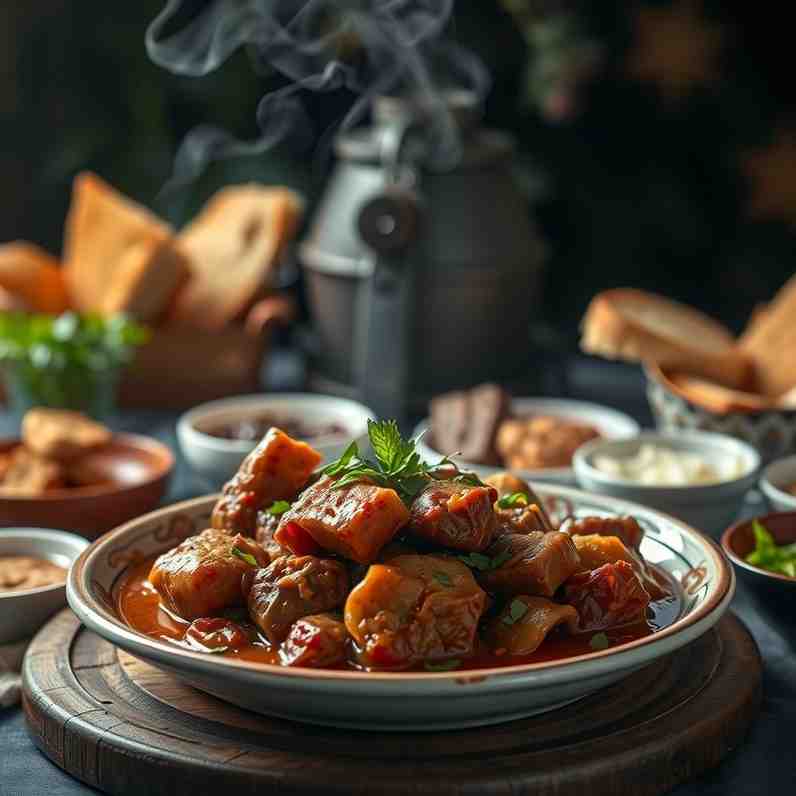
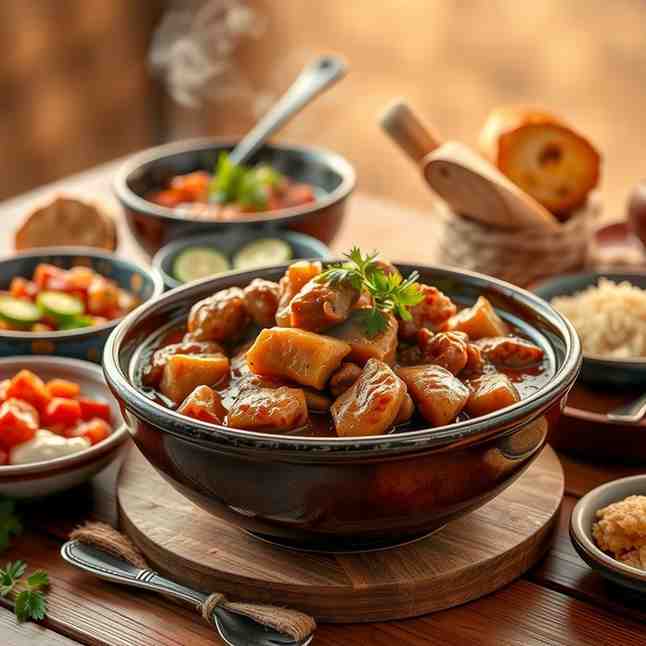
- Serves: 6 People
- Prepare Time: 30 minutes
- Cooking Time: 3 hours
- Calories: -
- Difficulty: Medium
If you're a fan of hearty, slow-cooked comfort foods like beef stew or braised short ribs, then you're in for a treat! Get ready to meet mogodu, the incredible Southern African cousin you haven't yet discovered. This isn't just any stew; mogodu (also known as mala mogodu) is a deeply flavorful tripe and intestine stew that's super popular in Botswana and across Southern Africa.
Now, we know what you might be thinking: "Offal? Really?" And yes, it is! But trust us, when cooked low and slow with the right spices, mogodu transforms into something truly magical. It becomes incredibly rich, melt-in-your-mouth tender, and wonderfully savory – a truly healthy and nutritious recipe that warms you from the inside out.
This article is your definitive guide to mastering this traditional dish. We're going to give you:
One definitive Botswana mogodu recipe that's easy to follow.
Clear, simple steps for cleaning tripe and controlling any odors.
All the cultural context you need, plus fantastic serving ideas.
Quick variations and answers to your most burning questions, helping you cook a truly tasty healthy meal at home. Let's get cooking!
Ingredients
Directions
- How to Clean Tripe for Mogodu
- Trim: Carefully trim away any visible excess fat or very tough, hard membranes from the tripe.
- Rinse Thoroughly: Place the tripe in a large colander and rinse it generously under cold running water. Gently rub the surface to remove any impurities.
- Optional Odor-Reduction Soak: For extra freshness, soak the tripe briefly (15-20 minutes) in a bowl of cold water with a splash of white vinegar and a tablespoon of salt. Afterward, rinse it thoroughly again under cold water.
- Cut: Pat the tripe dry with paper towels. Using a sharp knife or kitchen scissors, cut the tripe into bite-sized pieces, roughly the size of a large spoon or about 1-1.5 inches. This size ensures even cooking and makes it easy to eat.
- Ready to Cook: Your tripe should now look clean, have a neutral smell, and be ready for the pot!
- Step-by-Step Cooking Method:
- Build the Flavor Base: Heat a heavy pot or Dutch oven over medium heat. Add a tablespoon of oil (like vegetable or canola). Once hot, add the chopped onion and sauté until it's soft and translucent, about 5-7 minutes. If using, add the minced garlic and chopped chili, cooking for another minute until fragrant.
- Add and Season the Tripe: Add the cleaned, cut tripe to the pot. Stir well to coat the tripe in the sautéed aromatics. Sprinkle in the ground coriander, black pepper, and optional curry powder. Stir for 1-2 minutes to lightly toast the spices, blooming their flavors. Season lightly with salt at this stage.
- Add Liquid and Slow-Cook: Pour in the beef broth or well-salted water, ensuring it just covers the tripe. Bring the liquid to a rolling boil, then immediately reduce the heat to a very gentle simmer. Cover the pot partially with a lid, allowing some steam to escape. Cook low and slow for approximately 2-3 hours.
- Checkpoints: Stir every 30-45 minutes to prevent sticking and ensure even cooking. If the liquid gets too low, add a little more hot water or broth.
- Tenderness: The tripe is ready when it's fork-tender and yields easily when pressed, with a pleasant chewiness.
- Reduce to a Rich Sauce: Once the tripe is tender, remove the lid completely. Increase the heat slightly to a medium-low simmer. Continue to cook uncovered, stirring occasionally, allowing the liquid to reduce and thicken into a rich, glossy gravy. This can take 20-40 minutes, depending on how much liquid is left.
- Final Seasoning & Brightness: Taste the stew and adjust the salt as needed. Adding salt at the end helps you control the flavor precisely, as salting too early can sometimes toughen the meat or reduce liquid too quickly. Stir in the lemon juice or vinegar for a final touch of brightness and balance. Sprinkle with fresh cilantro or parsley.
- Serve: Ladle the hot mogodu into bowls. Traditionally, it's served with pap (maize porridge) or bogobe (sorghum porridge), or even steamed dumplings. Use the pap to scoop up the tender tripe and the rich, savory sauce – it's a truly authentic way to enjoy this delicious dish!
- Pressure Cooker Note: If you're using a pressure cooker, you can significantly shorten the simmer time; follow your appliance's timing recommendations for tripe, then finish uncovered on the stove to reduce the sauce to your desired consistency.
Botswana Mogodu - Make Tender Traditional Tripe Stew Today
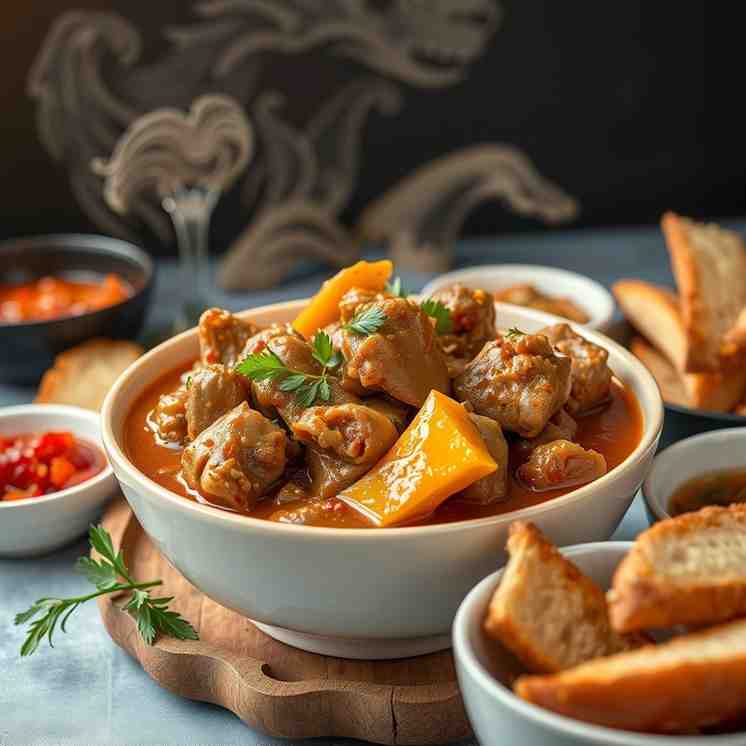
- Serves: 6 People
- Prepare Time: 30 minutes
- Cooking Time: 3 hours
- Calories: -
- Difficulty: Medium
If you're a fan of hearty, slow-cooked comfort foods like beef stew or braised short ribs, then you're in for a treat! Get ready to meet mogodu, the incredible Southern African cousin you haven't yet discovered. This isn't just any stew; mogodu (also known as mala mogodu) is a deeply flavorful tripe and intestine stew that's super popular in Botswana and across Southern Africa.
Now, we know what you might be thinking: "Offal? Really?" And yes, it is! But trust us, when cooked low and slow with the right spices, mogodu transforms into something truly magical. It becomes incredibly rich, melt-in-your-mouth tender, and wonderfully savory – a truly healthy and nutritious recipe that warms you from the inside out.
This article is your definitive guide to mastering this traditional dish. We're going to give you:
One definitive Botswana mogodu recipe that's easy to follow.
Clear, simple steps for cleaning tripe and controlling any odors.
All the cultural context you need, plus fantastic serving ideas.
Quick variations and answers to your most burning questions, helping you cook a truly tasty healthy meal at home. Let's get cooking!
Ingredients
Directions
- How to Clean Tripe for Mogodu
- Trim: Carefully trim away any visible excess fat or very tough, hard membranes from the tripe.
- Rinse Thoroughly: Place the tripe in a large colander and rinse it generously under cold running water. Gently rub the surface to remove any impurities.
- Optional Odor-Reduction Soak: For extra freshness, soak the tripe briefly (15-20 minutes) in a bowl of cold water with a splash of white vinegar and a tablespoon of salt. Afterward, rinse it thoroughly again under cold water.
- Cut: Pat the tripe dry with paper towels. Using a sharp knife or kitchen scissors, cut the tripe into bite-sized pieces, roughly the size of a large spoon or about 1-1.5 inches. This size ensures even cooking and makes it easy to eat.
- Ready to Cook: Your tripe should now look clean, have a neutral smell, and be ready for the pot!
- Step-by-Step Cooking Method:
- Build the Flavor Base: Heat a heavy pot or Dutch oven over medium heat. Add a tablespoon of oil (like vegetable or canola). Once hot, add the chopped onion and sauté until it's soft and translucent, about 5-7 minutes. If using, add the minced garlic and chopped chili, cooking for another minute until fragrant.
- Add and Season the Tripe: Add the cleaned, cut tripe to the pot. Stir well to coat the tripe in the sautéed aromatics. Sprinkle in the ground coriander, black pepper, and optional curry powder. Stir for 1-2 minutes to lightly toast the spices, blooming their flavors. Season lightly with salt at this stage.
- Add Liquid and Slow-Cook: Pour in the beef broth or well-salted water, ensuring it just covers the tripe. Bring the liquid to a rolling boil, then immediately reduce the heat to a very gentle simmer. Cover the pot partially with a lid, allowing some steam to escape. Cook low and slow for approximately 2-3 hours.
- Checkpoints: Stir every 30-45 minutes to prevent sticking and ensure even cooking. If the liquid gets too low, add a little more hot water or broth.
- Tenderness: The tripe is ready when it's fork-tender and yields easily when pressed, with a pleasant chewiness.
- Reduce to a Rich Sauce: Once the tripe is tender, remove the lid completely. Increase the heat slightly to a medium-low simmer. Continue to cook uncovered, stirring occasionally, allowing the liquid to reduce and thicken into a rich, glossy gravy. This can take 20-40 minutes, depending on how much liquid is left.
- Final Seasoning & Brightness: Taste the stew and adjust the salt as needed. Adding salt at the end helps you control the flavor precisely, as salting too early can sometimes toughen the meat or reduce liquid too quickly. Stir in the lemon juice or vinegar for a final touch of brightness and balance. Sprinkle with fresh cilantro or parsley.
- Serve: Ladle the hot mogodu into bowls. Traditionally, it's served with pap (maize porridge) or bogobe (sorghum porridge), or even steamed dumplings. Use the pap to scoop up the tender tripe and the rich, savory sauce – it's a truly authentic way to enjoy this delicious dish!
- Pressure Cooker Note: If you're using a pressure cooker, you can significantly shorten the simmer time; follow your appliance's timing recommendations for tripe, then finish uncovered on the stove to reduce the sauce to your desired consistency.
The following nutritional values are per serving (one piece of cake) Calories 250-350 kcal Carbohydrates 5-10g Protein 30-40g Fat 10-20g Time-Saving Tools & Ingredients Cooking traditional dishes like Botswana Mogodu can feel like a big commitment, but with a few smart tools, you can streamline your process and get that delicious stew on the table faster. Here are some recommendations: Problem: Achieving consistent tenderness in a slow-cooked stew often requires even heat distribution, and a thin pot can lead to hot spots, burning, or unevenly cooked tripe. Problem: Tripe can be slippery and somewhat tough to cut, making preparation tedious and potentially unsafe with dull tools. Problem: Properly cleaning tripe is crucial for odor control and hygiene, but it can be messy and inefficient without the right setup. Problem: The traditional method for tenderizing tripe can take 2-3 hours of simmering, which isn't always feasible on a busy day. Click any ingredient for detailed nutritional information:Recipe Nutritional Values
Additional Information
Recipe Success Tips
Ingredient Substitutions & Variations
Cultural Variations
Make-Ahead & Storage Instructions
Frequently Asked Questions
Recommended Kitchen Tools
Heavy Pot or Dutch Oven
Agitate: Nobody wants to spend hours simmering a stew only to find parts are tough and others are stuck to the bottom. Inconsistent cooking equals a less satisfying meal and more cleanup.
Solution: A quality heavy pot or Dutch oven, like a cast-iron enamel pot, ensures superior heat retention and even distribution. This means your mogodu will simmer gently and uniformly, leading to perfectly tender tripe and a rich, unburnt sauce every time, without constant supervision.Sharp Knife and/or Kitchen Scissors
Agitate: Struggling with inadequate cutting tools not only slows down your prep but also increases the risk of accidents and makes achieving uniform pieces a challenge. Unevenly cut tripe cooks inconsistently.
Solution: A very sharp chef's knife or sturdy kitchen scissors (dedicated for meat) makes trimming fat and cutting tripe into bite-sized pieces quick, efficient, and safe. Uniform pieces also ensure even cooking.Large Colander or Bowl
Agitate: Inadequate rinsing can leave behind unwanted odors or bits, affecting the final flavor and texture of your mogodu. A small bowl makes multiple rinses a chore.
Solution: A large colander nested in a large bowl provides an ideal setup for multiple rinses and a vinegar-salt soak. This makes the cleaning process much easier, ensuring your tripe is thoroughly prepared for cooking.Pressure Cooker or Instant Pot
Agitate: Who has all day to wait for dinner, no matter how delicious? Long cooking times can deter even the most enthusiastic home cooks from trying traditional recipes.
Solution: A pressure cooker or Instant Pot dramatically reduces the cooking time required to achieve fall-apart tender tripe, often cutting it down to under an hour. This allows you to enjoy authentic mogodu even on weeknights, without sacrificing flavor or tenderness.Calories per Ingredient
You may also like



Hey there! I’m just someone who seriously loves good food and believes that cooking doesn’t have to be complicated to be amazing. Whether it’s a quick weeknight dinner or a cozy weekend meal, I’m all about sharing easy, tasty recipes that actually work.