Bulgarian Tikvenik - Easy Pumpkin Filo Pastry Dessert Recipe
Bulgarian Tikvenik - Easy Pumpkin Filo Pastry Dessert Recipe

- Serves: 8 People
- Prepare Time: 30 minutes
- Cooking Time: 50 minutes
- Calories: -
- Difficulty: Medium
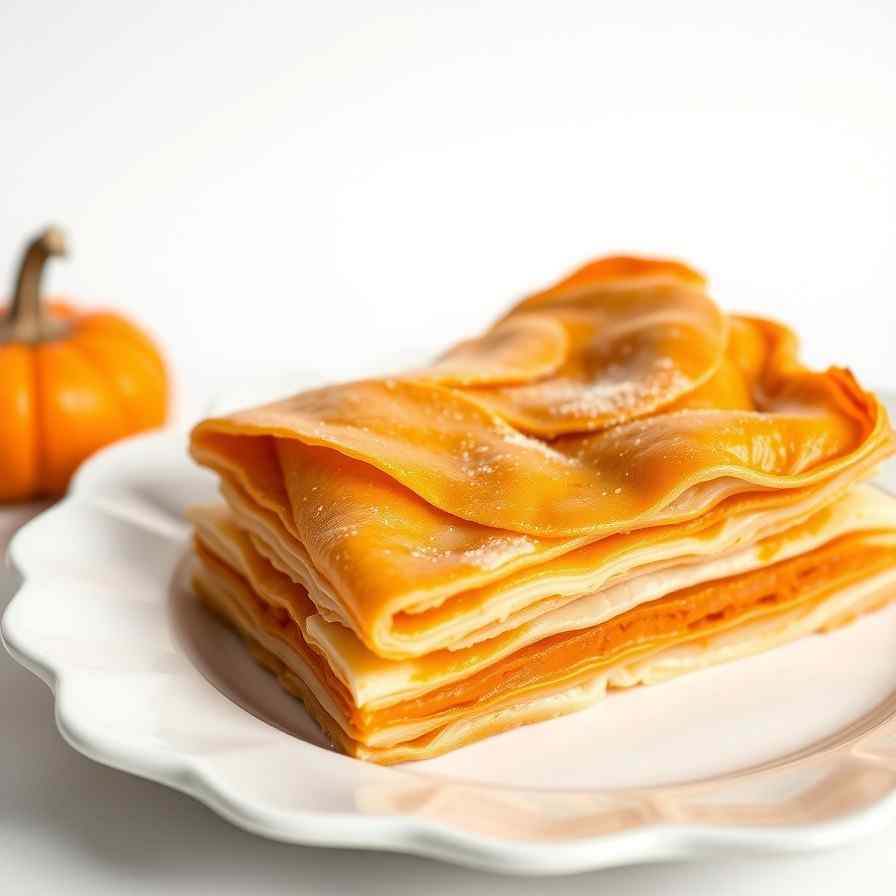
Craving a cozy winter dessert that’s both impressive and surprisingly simple to make? Get ready to fall in love with Bulgarian Tikvenik! Imagine layers of crispy, golden filo pastry cradling a warm, cinnamon-spiced pumpkin and walnut filling. It's a sweet symphony that will transport your taste buds straight to a Bulgarian holiday table. Unlike a savory feta hand pie you might find, or a heavy American pumpkin pie with its thick crust and custard, Tikvenik offers a lighter, yet incredibly satisfying experience. It's not a diet "skinny" pie, but it also steers clear of the ultra-heavy, syrup-soaked versions. This unique pastry dessert recipe is perfect for anyone looking for easy sweet treats to make using readily available ingredients. In this recipe, you’ll learn how to make a traditional Bulgarian Tikvenik with filo pastry using ingredients you can find at any US grocery store. Let's make some magic!
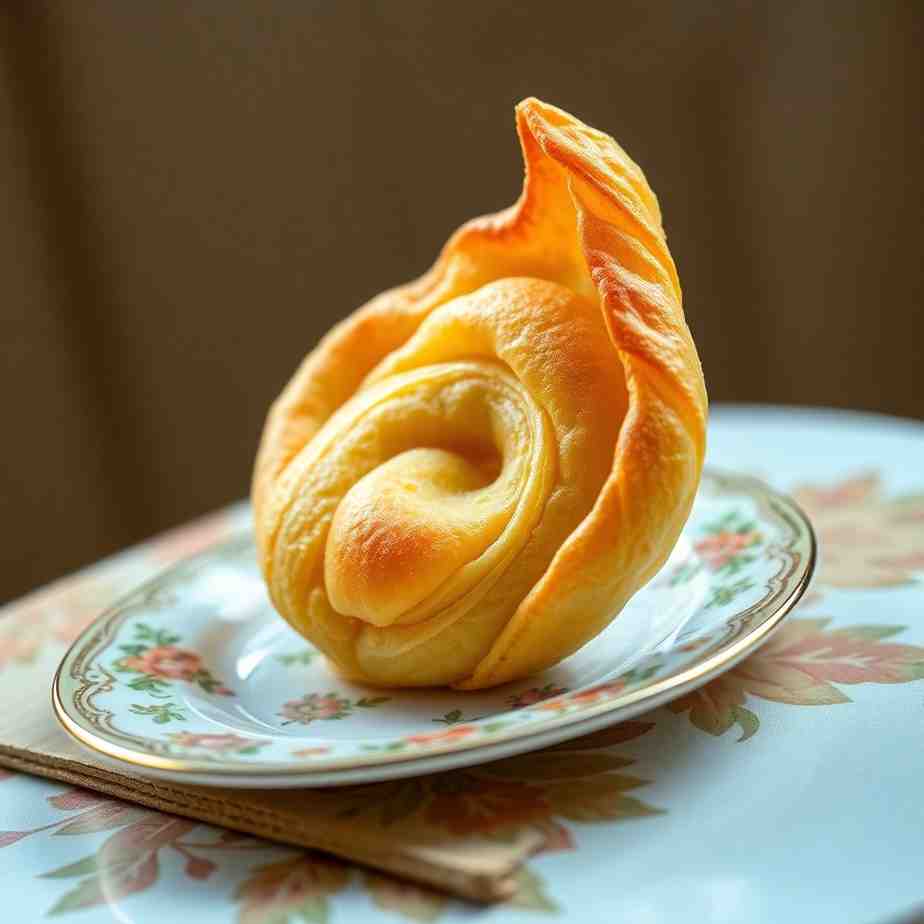
Bulgarian Tikvenik is a delightful coiled pumpkin pastry, a close cousin to banitsa, made with delicate filo dough, a sweet and warmly spiced pumpkin filling, crunchy walnuts, and often dusted with powdered sugar. It’s a staple on the Bulgarian table, especially during Christmas and New Year’s, forming a cherished part of meatless holiday spreads. While it might remind you of American pumpkin pie, Tikvenik is distinct with its thin, flaky filo layers and a less custardy, more vibrant pumpkin filling. It also differs from some Greek pumpkin or bougatsa-style pies, which often feature semolina or heavier cream-based custards. This delicious baking recipe offers a unique texture and flavor profile that stands out from other pumpkin pie pumpkin desserts.
You're about to discover your new favorite easy sweet treats to make for so many reasons:
Crisp & Cozy: Enjoy the delightful contrast of shattery, crisp filo pastry on the outside and a soft, warmly spiced pumpkin center.
Everyday Ingredients: This recipe uses simple ingredients you can find at any grocery store, whether it's canned pumpkin or store-bought filo.
Bakery-Level Presentation: The coiled "spiral" presentation looks incredibly impressive, like something from a fancy bakery, but it's surprisingly easy once you see the steps.
Balanced Sweetness: It's less sweet and creamy than custard-heavy pies, offering a more satisfying experience without being overly rich.
Diet-Friendly Adaptations: Naturally vegetarian, it's also easy to adapt for nut-free or dairy-free diets with brief notes we'll cover later. This makes it one of the most versatile desserts to make that are easy.
Ingredients
Directions
Ingredients You Need for Bulgarian Tikvenik Step-by-Step Instructions
Let's break down how to create this amazing pastry dessert recipe step-by-step. Don't worry about clarity; we're making sure every instruction is easy to follow!Prep the Pumpkin & Walnuts- If using fresh pumpkin or butternut squash: First, peel the pumpkin, scoop out the seeds and stringy bits, then grate the flesh using a box grater or a food processor. Once grated, place the pumpkin in a clean kitchen towel or a fine-mesh sieve and squeeze out as much excess moisture as you can. This step is crucial for preventing a soggy pie!
- If using canned pumpkin puree: Spread the puree thinly on a few layers of paper towel or in a fine mesh strainer. Let it sit for at least 15-20 minutes, or gently press to remove extra liquid.
- In a large bowl, combine the prepared pumpkin with the sugar, cinnamon (and optional cloves/nutmeg), chopped walnuts, a tablespoon or two of oil/melted butter, and a pinch of salt. Mix everything together until it’s thick and slightly juicy but definitely not watery. Taste a tiny bit of the mixture and adjust sweetness or spice to your liking.
- Thawing: If your filo is frozen, thaw it safely! The best way is to transfer the unopened package to the refrigerator overnight. Then, about 30–60 minutes before you plan to use it, take the package out and let it come to room temperature on your counter. Rushing this can cause the sheets to stick and tear.
- Set Up: Carefully open the package and gently unroll the filo sheets. Immediately cover the stack of sheets with a barely damp (not wet!) clean kitchen towel or plastic wrap to prevent them from drying out and becoming brittle while you work.
- Lightly grease your 9–10 inch round baking pan with butter or oil. If you want an extra crisp bottom, sprinkle a thin, even layer of extra fine breadcrumbs in the pan.
- You'll work with two sheets of filo at a time, stacked one on top of the other. Lay them flat on your clean work surface (a large cutting board or clean counter works well).
- Using your pastry brush, lightly brush the top sheet with melted butter or oil, ensuring you get good coverage without soaking it.
- Spoon a strip of your pumpkin filling along one of the long edges of the filo sheets, leaving about an inch or so margin on the sides and the edge closest to you. Spread the filling evenly.
- Starting from the long edge with the filling, carefully roll the filo sheets into a loose log. Don't roll it too tightly; you want to allow space for steam to escape during baking, which helps keep the filo flaky.
- Repeat this process with the remaining filo sheets and pumpkin filling until all the filling is used up. You should have several long, filled filo logs.
- Take your first filo log and gently coil it into a tight spiral in the very center of your prepared baking pan.
- Then, take the next log and carefully wrap it around the first coil, continuing the spiral pattern. Keep adding logs, wrapping them around the previous one, until you've used all of them and formed a large, beautiful spiral that fills your pan.
- Tuck any loose ends neatly underneath the spiral.
- Finally, generously brush the entire top surface of your Tikvenik and any exposed filo with more melted butter or oil. This is key for achieving that gorgeous golden, crispy crust.
- Optional note: If you're using a rectangular 9x13 inch pan instead of a round one, you can arrange the logs in neat rows side-by-side. The recipe and taste will be the same, just the presentation will be different!
- Preheat your oven to 350°F (175°C).
- Place the Tikvenik in the preheated oven and bake for approximately 45-60 minutes.
- Keep an eye on it! The top should turn a deep, rich golden brown and feel wonderfully crisp to the touch. You should even hear a faint crackle when you gently tap the filo.
- If you notice the edges browning too quickly, you can loosely tent the pie with aluminum foil during the last 15-20 minutes of baking to prevent over-browning. You might also want to rotate the pan halfway through baking for even browning.
- Once baked, remove the Tikvenik from the oven and let it rest in the pan for 15–20 minutes. This allows the filling to set properly and makes for easier slicing.
- After resting, generously dust the entire top with powdered sugar. A little extra sprinkle of cinnamon is also lovely.
- Slice the Tikvenik into wedges and serve it slightly warm or at room temperature. The filo will be at its crispiest when warm, but the flavors deepen as it cools.
Bulgarian Tikvenik - Easy Pumpkin Filo Pastry Dessert Recipe
- Serves: 8 People
- Prepare Time: 30 minutes
- Cooking Time: 50 minutes
- Calories: -
- Difficulty: Medium
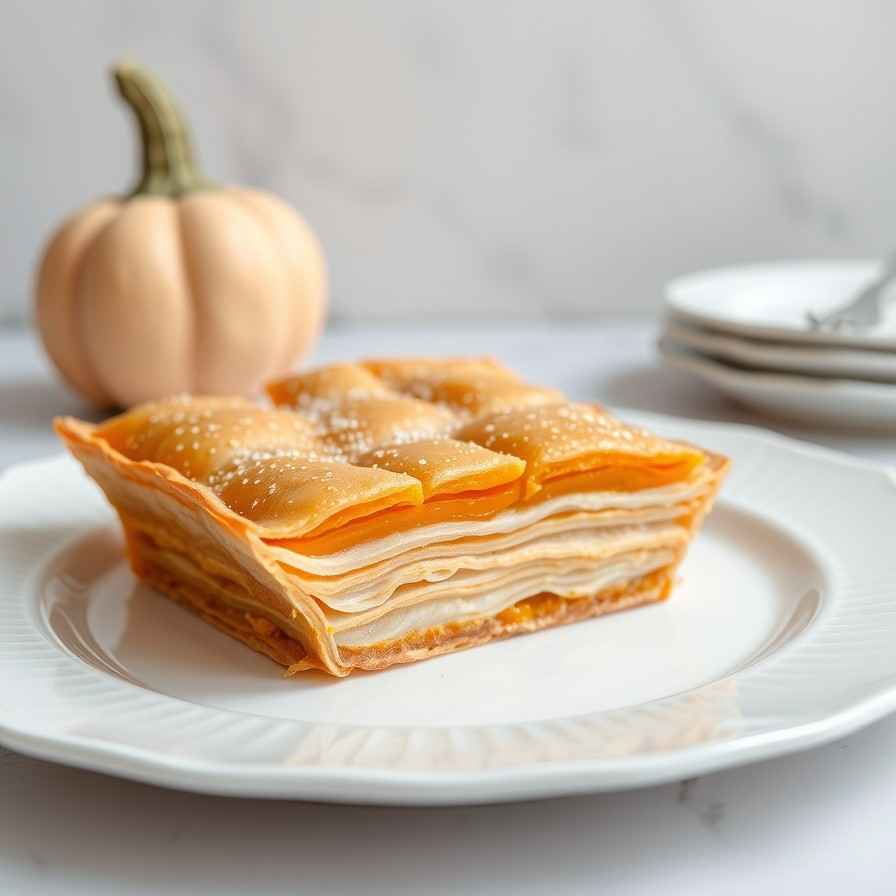
Craving a cozy winter dessert that’s both impressive and surprisingly simple to make? Get ready to fall in love with Bulgarian Tikvenik! Imagine layers of crispy, golden filo pastry cradling a warm, cinnamon-spiced pumpkin and walnut filling. It's a sweet symphony that will transport your taste buds straight to a Bulgarian holiday table. Unlike a savory feta hand pie you might find, or a heavy American pumpkin pie with its thick crust and custard, Tikvenik offers a lighter, yet incredibly satisfying experience. It's not a diet "skinny" pie, but it also steers clear of the ultra-heavy, syrup-soaked versions. This unique pastry dessert recipe is perfect for anyone looking for easy sweet treats to make using readily available ingredients. In this recipe, you’ll learn how to make a traditional Bulgarian Tikvenik with filo pastry using ingredients you can find at any US grocery store. Let's make some magic!
Bulgarian Tikvenik is a delightful coiled pumpkin pastry, a close cousin to banitsa, made with delicate filo dough, a sweet and warmly spiced pumpkin filling, crunchy walnuts, and often dusted with powdered sugar. It’s a staple on the Bulgarian table, especially during Christmas and New Year’s, forming a cherished part of meatless holiday spreads. While it might remind you of American pumpkin pie, Tikvenik is distinct with its thin, flaky filo layers and a less custardy, more vibrant pumpkin filling. It also differs from some Greek pumpkin or bougatsa-style pies, which often feature semolina or heavier cream-based custards. This delicious baking recipe offers a unique texture and flavor profile that stands out from other pumpkin pie pumpkin desserts.
You're about to discover your new favorite easy sweet treats to make for so many reasons:
Crisp & Cozy: Enjoy the delightful contrast of shattery, crisp filo pastry on the outside and a soft, warmly spiced pumpkin center.
Everyday Ingredients: This recipe uses simple ingredients you can find at any grocery store, whether it's canned pumpkin or store-bought filo.
Bakery-Level Presentation: The coiled "spiral" presentation looks incredibly impressive, like something from a fancy bakery, but it's surprisingly easy once you see the steps.
Balanced Sweetness: It's less sweet and creamy than custard-heavy pies, offering a more satisfying experience without being overly rich.
Diet-Friendly Adaptations: Naturally vegetarian, it's also easy to adapt for nut-free or dairy-free diets with brief notes we'll cover later. This makes it one of the most versatile desserts to make that are easy.
Ingredients
Directions
Ingredients You Need for Bulgarian Tikvenik Step-by-Step Instructions
Let's break down how to create this amazing pastry dessert recipe step-by-step. Don't worry about clarity; we're making sure every instruction is easy to follow!Prep the Pumpkin & Walnuts- If using fresh pumpkin or butternut squash: First, peel the pumpkin, scoop out the seeds and stringy bits, then grate the flesh using a box grater or a food processor. Once grated, place the pumpkin in a clean kitchen towel or a fine-mesh sieve and squeeze out as much excess moisture as you can. This step is crucial for preventing a soggy pie!
- If using canned pumpkin puree: Spread the puree thinly on a few layers of paper towel or in a fine mesh strainer. Let it sit for at least 15-20 minutes, or gently press to remove extra liquid.
- In a large bowl, combine the prepared pumpkin with the sugar, cinnamon (and optional cloves/nutmeg), chopped walnuts, a tablespoon or two of oil/melted butter, and a pinch of salt. Mix everything together until it’s thick and slightly juicy but definitely not watery. Taste a tiny bit of the mixture and adjust sweetness or spice to your liking.
- Thawing: If your filo is frozen, thaw it safely! The best way is to transfer the unopened package to the refrigerator overnight. Then, about 30–60 minutes before you plan to use it, take the package out and let it come to room temperature on your counter. Rushing this can cause the sheets to stick and tear.
- Set Up: Carefully open the package and gently unroll the filo sheets. Immediately cover the stack of sheets with a barely damp (not wet!) clean kitchen towel or plastic wrap to prevent them from drying out and becoming brittle while you work.
- Lightly grease your 9–10 inch round baking pan with butter or oil. If you want an extra crisp bottom, sprinkle a thin, even layer of extra fine breadcrumbs in the pan.
- You'll work with two sheets of filo at a time, stacked one on top of the other. Lay them flat on your clean work surface (a large cutting board or clean counter works well).
- Using your pastry brush, lightly brush the top sheet with melted butter or oil, ensuring you get good coverage without soaking it.
- Spoon a strip of your pumpkin filling along one of the long edges of the filo sheets, leaving about an inch or so margin on the sides and the edge closest to you. Spread the filling evenly.
- Starting from the long edge with the filling, carefully roll the filo sheets into a loose log. Don't roll it too tightly; you want to allow space for steam to escape during baking, which helps keep the filo flaky.
- Repeat this process with the remaining filo sheets and pumpkin filling until all the filling is used up. You should have several long, filled filo logs.
- Take your first filo log and gently coil it into a tight spiral in the very center of your prepared baking pan.
- Then, take the next log and carefully wrap it around the first coil, continuing the spiral pattern. Keep adding logs, wrapping them around the previous one, until you've used all of them and formed a large, beautiful spiral that fills your pan.
- Tuck any loose ends neatly underneath the spiral.
- Finally, generously brush the entire top surface of your Tikvenik and any exposed filo with more melted butter or oil. This is key for achieving that gorgeous golden, crispy crust.
- Optional note: If you're using a rectangular 9x13 inch pan instead of a round one, you can arrange the logs in neat rows side-by-side. The recipe and taste will be the same, just the presentation will be different!
- Preheat your oven to 350°F (175°C).
- Place the Tikvenik in the preheated oven and bake for approximately 45-60 minutes.
- Keep an eye on it! The top should turn a deep, rich golden brown and feel wonderfully crisp to the touch. You should even hear a faint crackle when you gently tap the filo.
- If you notice the edges browning too quickly, you can loosely tent the pie with aluminum foil during the last 15-20 minutes of baking to prevent over-browning. You might also want to rotate the pan halfway through baking for even browning.
- Once baked, remove the Tikvenik from the oven and let it rest in the pan for 15–20 minutes. This allows the filling to set properly and makes for easier slicing.
- After resting, generously dust the entire top with powdered sugar. A little extra sprinkle of cinnamon is also lovely.
- Slice the Tikvenik into wedges and serve it slightly warm or at room temperature. The filo will be at its crispiest when warm, but the flavors deepen as it cools.
The following nutritional values are per serving (one piece of cake) Calories ~280-350 kcal Carbohydrates ~40-50g Protein ~4-6g Fat ~12-18g Time-Saving Tools & Ingredients Making Bulgarian Tikvenik is a labor of love, but who says you can't get a little help from your kitchen friends? These tools and ingredients can make your baking experience even smoother, letting you get to that first delicious bite faster! Problem: Grating a whole pumpkin or butternut squash by hand can be a real arm workout and pretty time-consuming. Problem: Even with a food processor, peeling and seeding a fresh pumpkin takes time. Sometimes you just want to bake without the fuss. Problem: An old, shedding pastry brush can leave bristles in your beautiful filo layers, or worse, not distribute butter/oil evenly, leading to dry spots. Problem: Trying to serve a beautiful, coiled Tikvenik from a regular baking pan can be tricky, potentially damaging your perfect spiral. Click any ingredient for detailed nutritional information:Recipe Nutritional Values
Additional Information
Recipe Success Tips
Pro Tips, Variations & Storage
Pro Tips for Perfect Filo Every Time
Serving Ideas & Occasions
Make-Ahead, Storage & Freezing
Ingredient Substitutions & Variations (Quick Ideas)
Frequently Asked Questions
Recommended Kitchen Tools
Food Processor with Grating Attachment
Agitate: Imagine spending precious minutes hunched over a box grater, getting tired before you even start mixing the filling.
Solution: A food processor with a grating disc attachment makes quick work of fresh pumpkin. Just cut your squash into pieces that fit the chute, and let the machine do the heavy lifting!Pre-Grated Butternut Squash or Canned Pumpkin
Agitate: You're craving Tikvenik now, but the thought of prepping a fresh pumpkin puts you off starting.
Solution: Many grocery stores now offer pre-grated butternut squash in the produce section, which works beautifully as a fresh pumpkin substitute. Or, for ultimate convenience, a can of pureed pumpkin (just remember to drain it well!) is your best friend.High-Quality Pastry Brush
Agitate: Nothing's more frustrating than finding a stray brush hair in your dessert, or having unevenly browned, brittle filo.
Solution: Invest in a good quality silicone or natural bristle pastry brush. It'll ensure every layer of filo is perfectly coated, leading to that signature golden, crispy finish, and no unwanted extras!Springform Pan
Agitate: You've spent all that time making a gorgeous coiled pastry, only to struggle to get it out of the pan in one piece, ruining the presentation.
Solution: A springform pan, typically used for cheesecakes, has removable sides that make serving your Tikvenik incredibly easy. Simply unclip the sides, and your stunning spiral is ready to be admired and sliced!Calories per Ingredient
You may also like

Hey there! I’m just someone who seriously loves good food and believes that cooking doesn’t have to be complicated to be amazing. Whether it’s a quick weeknight dinner or a cozy weekend meal, I’m all about sharing easy, tasty recipes that actually work.