
Easy Caribbean Sautéed Saltfish Recipe
Easy Caribbean Sautéed Saltfish Recipe

- Serves: 4 People
- Prepare Time: 20 minutes
- Cooking Time: 20 minutes
- Calories: -
- Difficulty: Easy
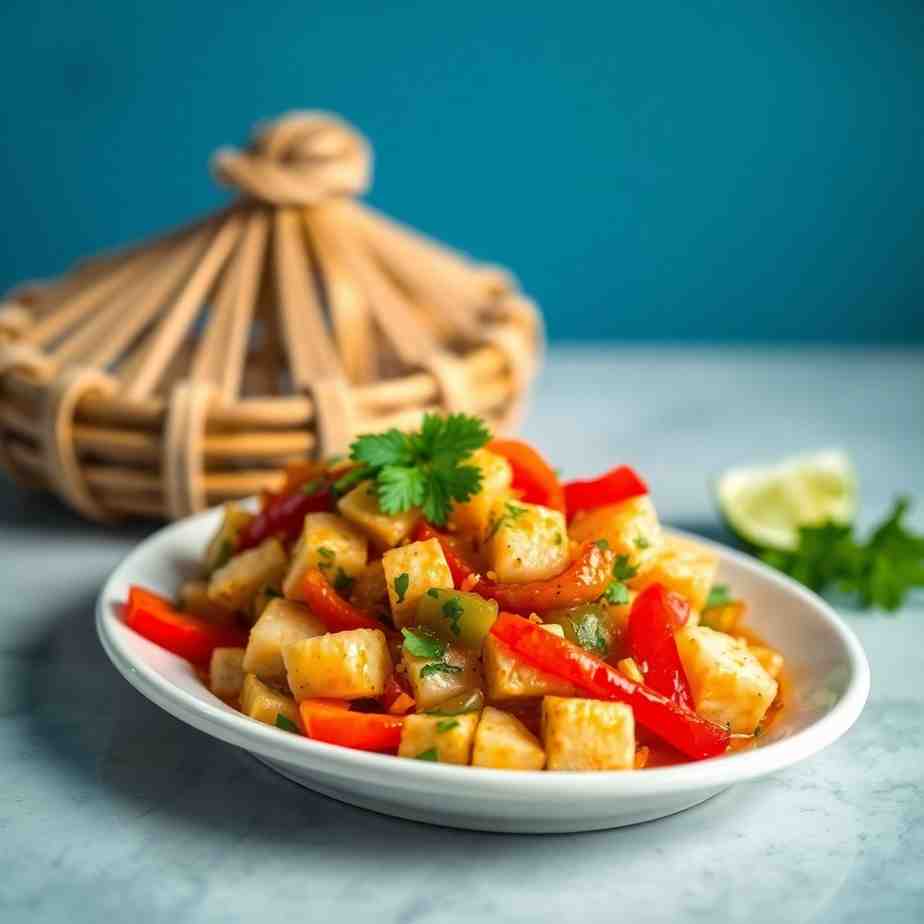
Welcome to a taste of the Caribbean right in your kitchen! Caribbean Sautéed Salt Fish, often known as salted cod, is a vibrant, flavorful dish that’s cherished across the islands. Whether you call it bacalao, bacalhau, or simply saltfish, this pantry protein is a secret weapon for big flavor on a budget. It’s incredibly versatile, perfect for a hearty weekend breakfast, a quick brunch, or a satisfying dinner.
This recipe cuts through the confusion, offering a clear guide to desalting—the most crucial step—and provides US-friendly substitutions without sacrificing authentic taste. We’ll show you how to transform humble salted cod into a deliciously savory, easy one-pan meal that will have everyone asking for more. Get ready to enjoy the rich, spicy, and aromatic flavors of the Caribbean with minimal fuss!
Ingredients
Directions
- Preparing Your Saltfish: Desalting Methods (Essential Prep) Desalting is the most critical step to ensure your saltfish is delicious, not overwhelmingly salty. Don't skip this!
- How to Know It’s Ready: The desalted fish should still be pleasantly salty but not aggressively so. It should flake easily but not be mushy or rubbery. Remember, you want some saltiness—it’s saltfish after all! Avoid over-desalting, or your dish will taste bland.
- Quick Health Note on Sodium: Saltfish is naturally high in sodium. Desalting significantly reduces this, and pairing it with unsalted sides further helps balance the sodium content. If you're on a low-sodium diet, consult your doctor about incorporating saltfish.
- Option 1 – Overnight Soak (Least Work)This method requires minimal effort but takes the longest.
Rinse: Rinse the salted cod thoroughly under cool running water to remove any surface salt or impurities.
Soak: Place the fish in a large bowl and cover it with plenty of fresh, cool water. Ensure the fish is fully submerged.
Refrigerate: Cover the bowl and refrigerate overnight (8-12 hours).
Change Water: Change the water at least once, or preferably twice, during the soaking period.
Taste Test: In the morning, break off a tiny piece and taste it. If it's still too salty, proceed to a quick boil (Option 2) for 10-15 minutes, or continue soaking for a few more hours with fresh water. - Option 2 – Quick Boil Method (About 45–60 Minutes) This method is faster and great if you forgot to soak overnight.
Rinse: Rinse the salted cod thoroughly under cool running water.
First Boil: Place the fish in a pot, cover with fresh water, and bring to a gentle boil over medium heat.
Simmer & Drain: Simmer for 10-15 minutes. Drain the water, rinse the fish, and refill the pot with fresh water.
Repeat: Repeat the boiling, draining, and refilling process 2-3 more times.
Taste Test: After the second or third boil, break off a small piece and taste it. Continue boiling in fresh water if it's still too salty.- Pro Tip: Always simmer, don't hard boil, to prevent the fish from becoming tough or rubbery.
Once your saltfish is perfectly desalted, the rest is a breeze! - Desalt and Flake the Fish
- You should be starting with desalted fish at this point! Pat the desalted fish dry with paper towels. Carefully remove any skin and bones (if present). Flake the fish into bite-sized pieces. Set aside.
- Prep Your Vegetables
- Chop your onion, mince the garlic, dice the tomatoes, and slice your bell peppers and hot pepper (if using). If using fresh thyme, strip the leaves from the stems.
- Quick Note: Get all your vegetables prepped and ready before you turn on the stove. This sauté moves quickly!
- Sauté the Aromatics
- Heat the neutral oil in a large skillet or frying pan over medium heat.
- Add the chopped onion and diced bell peppers (and celery, if using). Cook for 5-7 minutes, stirring occasionally, until they soften.
- Stir in the minced garlic, hot pepper, and fresh thyme. Cook for just 1-2 minutes until fragrant, being careful not to burn the garlic.
- Add Tomatoes & Herbs
- Stir in the diced fresh tomatoes. Cook for 5-8 minutes, stirring occasionally, until the tomatoes break down and form a light sauce. If the pan looks too dry, add a splash of water (about 1-2 tablespoons).
- Add the Salt Fish & Finish
- Add the flaked saltfish to the skillet. Toss gently to coat the fish evenly in the vegetable mixture.
- Cook for another 3-5 minutes, allowing the flavors to meld and the fish to heat through.
- Taste before adding any extra salt! Season with freshly ground black pepper.
- Finish the dish with a squeeze of fresh lime juice and a sprinkle of chopped fresh parsley or cilantro.
- Taste & Adjust
- Spicy? Add a little more hot pepper or a dash of chili flakes if you like more heat.
- Freshness? Stir in more fresh herbs.
- Too Salty? If, by some chance, it's still too salty, stir in a handful of extra sautéed bell peppers, a few more diced tomatoes, or a small dollop of tomato paste to balance the flavor.
Easy Caribbean Sautéed Saltfish Recipe

- Serves: 4 People
- Prepare Time: 20 minutes
- Cooking Time: 20 minutes
- Calories: -
- Difficulty: Easy
Welcome to a taste of the Caribbean right in your kitchen! Caribbean Sautéed Salt Fish, often known as salted cod, is a vibrant, flavorful dish that’s cherished across the islands. Whether you call it bacalao, bacalhau, or simply saltfish, this pantry protein is a secret weapon for big flavor on a budget. It’s incredibly versatile, perfect for a hearty weekend breakfast, a quick brunch, or a satisfying dinner.
This recipe cuts through the confusion, offering a clear guide to desalting—the most crucial step—and provides US-friendly substitutions without sacrificing authentic taste. We’ll show you how to transform humble salted cod into a deliciously savory, easy one-pan meal that will have everyone asking for more. Get ready to enjoy the rich, spicy, and aromatic flavors of the Caribbean with minimal fuss!
Ingredients
Directions
- Preparing Your Saltfish: Desalting Methods (Essential Prep) Desalting is the most critical step to ensure your saltfish is delicious, not overwhelmingly salty. Don't skip this!
- How to Know It’s Ready: The desalted fish should still be pleasantly salty but not aggressively so. It should flake easily but not be mushy or rubbery. Remember, you want some saltiness—it’s saltfish after all! Avoid over-desalting, or your dish will taste bland.
- Quick Health Note on Sodium: Saltfish is naturally high in sodium. Desalting significantly reduces this, and pairing it with unsalted sides further helps balance the sodium content. If you're on a low-sodium diet, consult your doctor about incorporating saltfish.
- Option 1 – Overnight Soak (Least Work)This method requires minimal effort but takes the longest.
Rinse: Rinse the salted cod thoroughly under cool running water to remove any surface salt or impurities.
Soak: Place the fish in a large bowl and cover it with plenty of fresh, cool water. Ensure the fish is fully submerged.
Refrigerate: Cover the bowl and refrigerate overnight (8-12 hours).
Change Water: Change the water at least once, or preferably twice, during the soaking period.
Taste Test: In the morning, break off a tiny piece and taste it. If it's still too salty, proceed to a quick boil (Option 2) for 10-15 minutes, or continue soaking for a few more hours with fresh water. - Option 2 – Quick Boil Method (About 45–60 Minutes) This method is faster and great if you forgot to soak overnight.
Rinse: Rinse the salted cod thoroughly under cool running water.
First Boil: Place the fish in a pot, cover with fresh water, and bring to a gentle boil over medium heat.
Simmer & Drain: Simmer for 10-15 minutes. Drain the water, rinse the fish, and refill the pot with fresh water.
Repeat: Repeat the boiling, draining, and refilling process 2-3 more times.
Taste Test: After the second or third boil, break off a small piece and taste it. Continue boiling in fresh water if it's still too salty.- Pro Tip: Always simmer, don't hard boil, to prevent the fish from becoming tough or rubbery.
Once your saltfish is perfectly desalted, the rest is a breeze! - Desalt and Flake the Fish
- You should be starting with desalted fish at this point! Pat the desalted fish dry with paper towels. Carefully remove any skin and bones (if present). Flake the fish into bite-sized pieces. Set aside.
- Prep Your Vegetables
- Chop your onion, mince the garlic, dice the tomatoes, and slice your bell peppers and hot pepper (if using). If using fresh thyme, strip the leaves from the stems.
- Quick Note: Get all your vegetables prepped and ready before you turn on the stove. This sauté moves quickly!
- Sauté the Aromatics
- Heat the neutral oil in a large skillet or frying pan over medium heat.
- Add the chopped onion and diced bell peppers (and celery, if using). Cook for 5-7 minutes, stirring occasionally, until they soften.
- Stir in the minced garlic, hot pepper, and fresh thyme. Cook for just 1-2 minutes until fragrant, being careful not to burn the garlic.
- Add Tomatoes & Herbs
- Stir in the diced fresh tomatoes. Cook for 5-8 minutes, stirring occasionally, until the tomatoes break down and form a light sauce. If the pan looks too dry, add a splash of water (about 1-2 tablespoons).
- Add the Salt Fish & Finish
- Add the flaked saltfish to the skillet. Toss gently to coat the fish evenly in the vegetable mixture.
- Cook for another 3-5 minutes, allowing the flavors to meld and the fish to heat through.
- Taste before adding any extra salt! Season with freshly ground black pepper.
- Finish the dish with a squeeze of fresh lime juice and a sprinkle of chopped fresh parsley or cilantro.
- Taste & Adjust
- Spicy? Add a little more hot pepper or a dash of chili flakes if you like more heat.
- Freshness? Stir in more fresh herbs.
- Too Salty? If, by some chance, it's still too salty, stir in a handful of extra sautéed bell peppers, a few more diced tomatoes, or a small dollop of tomato paste to balance the flavor.
The following nutritional values are per serving (one piece of cake) Calories Approximately 280-350 kcal per serving Carbohydrates Approximately 15-20g per serving Protein Approximately 25-30g per serving Fat Approximately 10-15g per serving Here are a few tools and ingredients that can help you whip up your Sautéed Salt Fish even faster, so you can spend less time prepping and more time enjoying! Problem: Chopping all those fresh vegetables by hand can feel like a chore, especially when you're hungry. Problem: Managing the desalting process, particularly the boiling method, requires keeping an eye on the pot. Problem: Sautéing all those delicious aromatics and fish without sticking can be a hassle, leading to burnt bits and difficult cleanup. Problem: Peeling and mincing fresh garlic and ginger every time can be fiddly and time-consuming. Problem: Chopping fresh tomatoes can be messy and time-consuming. Click any ingredient for detailed nutritional information:Recipe Nutritional Values
Additional Information
Recipe Success Tips
Ingredient Substitutions & Variations
Cooking Tips & Troubleshooting
Make-Ahead & Storage Instructions
Regional Serving Traditions
Frequently Asked Questions
Recommended Kitchen Tools
Essential Kitchen Tools
Agitate: A dull knife or slow chopping can add significant time to your prep, making a quick meal feel not-so-quick.
Solution: A good quality chef's knife and a sturdy cutting board are your best friends. Invest in a sharp knife, and you'll find yourself gliding through onions, peppers, and garlic in no time. For even quicker work, a mini food processor can finely chop garlic and onions with just a few pulses.Essential Kitchen Tools
Agitate: Without a decent pot, you might struggle with boil-overs or uneven cooking, making desalting less efficient.
Solution: A large, heavy-bottomed pot ensures even heat distribution and provides ample space for the saltfish to boil without overflowing. This makes the desalting process smoother and more hands-off.Essential Kitchen Tools
Agitate: A sticky pan can ruin the texture of your veggies and fish, turning a flavorful dish into a frustrating mess.
Solution: A large non-stick skillet or a well-seasoned cast-iron pan is perfect for this recipe. It allows your ingredients to sauté beautifully, ensuring nothing sticks and cleanup is a breeze.Smart Ingredient Choices
Agitate: Skipping these fresh aromatics means missing out on a huge flavor boost for your saltfish.
Solution: Keep pre-minced garlic (in a jar or frozen cubes) on hand. While fresh is always best, these can be a fantastic shortcut for busy weeknights without sacrificing too much flavor.Smart Ingredient Choices
Agitate: You want that rich tomato base, but don't always have time for extensive prep.
Solution: Canned diced tomatoes (drained) can be a fantastic substitute for fresh. They break down quickly and still provide that essential tangy, sweet base for your sautéed saltfish.Calories per Ingredient
You may also like




Hey there! I’m just someone who seriously loves good food and believes that cooking doesn’t have to be complicated to be amazing. Whether it’s a quick weeknight dinner or a cozy weekend meal, I’m all about sharing easy, tasty recipes that actually work.