
French Duck Stew - Civet de Canard Recipe
French Duck Stew - Civet de Canard Recipe
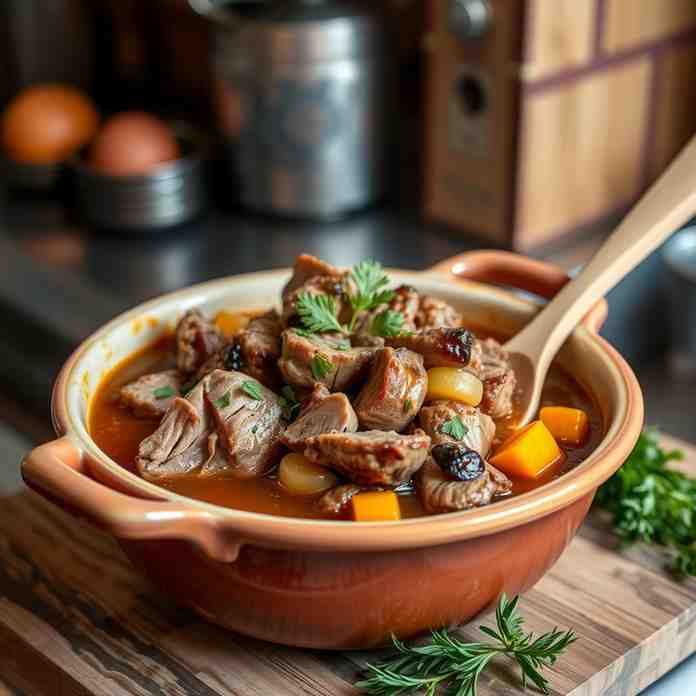

- Serves: 4 People
- Prepare Time: 30 minutes
- Cooking Time: 2.5 - 3.5 h
- Calories: -
- Difficulty: Medium
Welcome to the wonderful world of French cooking! Today, we're diving into a hearty, deeply flavorful dish that's a true classic: Civet de Canard, or French Duck Stew in Red Wine. If you've ever dreamt of creating a rich, slow-cooked masterpiece in your own kitchen, this civet de canard recipe is your perfect starting point. A "civet" in French cuisine refers to a game stew, traditionally marinated in red wine and often thickened for an incredibly luxurious sauce. While you might find civets made with rabbit, wild boar, or venison, our French duck stew takes advantage of readily available duck legs to deliver that same authentic, rustic charm right to your dinner table.
This isn't just any red wine duck stew; it's a celebration of deep flavors, tender meat, and the kind of comforting warmth that makes any meal feel special. We've streamlined a classic french cooking recipe to make it accessible for everyday home cooks, without sacrificing any of its traditional richness. Imagine succulent duck, slowly braised in a vibrant red wine sauce with aromatic vegetables and herbs, all coming together in your trusty dutch oven. It's make-ahead friendly, perfect for impressing guests, or simply for a cozy night in. Get ready to create a truly memorable meal that tastes like it came straight from a French bistro!
Ingredients
Directions
- Day 1 – Marinate the Duck:
- Season the Duck: Pat the duck legs dry with paper towels. Season generously all over with salt and freshly ground black pepper.
- Combine Marinade Ingredients: In a large, nonreactive bowl or container (like a ceramic bowl, glass dish, or even a large zip-top bag), combine the seasoned duck legs, chopped onion/shallots, carrots, smashed garlic, bouquet garni (and juniper berries, if using).Add Wine: Pour the entire bottle of red wine over the duck and vegetables, ensuring the duck is mostly submerged. If it's not fully covered, turn the duck pieces once or twice during marination.
- Marinate: Cover the container tightly and refrigerate for a minimum of 8 hours, but ideally 24 hours (or up to 48 hours for maximum flavor).
- Day 2 – Brown, Braise & Finish:
- Prepare for Cooking: Remove the marinated duck from the refrigerator. Lift the duck legs out of the marinade and pat them thoroughly dry with paper towels. This is crucial for achieving a good sear! Strain the marinade through a fine-mesh sieve, reserving the liquid and discarding the solids (vegetables and herbs).
- Render Lardons (Optional):
- If using lardons or bacon, heat a large, heavy Dutch oven over medium heat. Add the lardons and cook, stirring occasionally, until crispy and the fat has rendered. Remove the crispy lardons with a slotted spoon and set aside, leaving the rendered fat in the pot.
- Brown the Duck: Add 1-2 tablespoons of duck fat, butter, or oil to the Dutch oven (if not enough fat from lardons). Increase heat to medium-high. Working in batches if necessary to avoid overcrowding, brown the duck legs skin-side down until deeply golden and crispy, about 6-8 minutes. Flip and brown the other side for another 4-5 minutes. Remove the browned duck legs and set aside.
- Sauté Aromatics: Reduce the heat to medium. Add the strained vegetables from the marinade (onion, carrots, garlic) to the Dutch oven, along with any remaining fat/oil. Sauté, stirring occasionally, until softened and lightly caramelized, about 8-10 minutes. Scrape up any browned bits (fond) from the bottom of the pot as you go.
- Build the Sauce: Sprinkle the flour over the sautéed vegetables and cook, stirring constantly, for 1-2 minutes to create a light roux. This will help thicken the sauce.
- Deglaze & Simmer: Pour the reserved strained red wine marinade into the pot. Bring it to a vigorous simmer, scraping the bottom of the pot to loosen any remaining fond. Let it simmer and reduce by about one-third, about 5-7 minutes.
- Add Stock & Duck: Pour in the stock. Return the browned duck legs to the Dutch oven, ensuring they are mostly submerged in the liquid. Add the fresh bouquet garni (if you discarded the old one).
- Braise: Bring the stew to a gentle simmer. Cover the Dutch oven tightly and either:
- Oven Braise: Transfer to a preheated oven at 325°F (160°C) and braise for 2 to 3 hours.
- Stovetop Simmer: Reduce heat to low and gently simmer on the stovetop for 2 to 3 hours.
- Braise until the duck meat is fork-tender and easily pulls away from the bone.
- Add Mushrooms: About 30-45 minutes before the end of the braising time, add the quartered mushrooms to the pot.
- Finish & Thicken (Primary Method): Once the duck is tender, remove the bouquet garni (and any woody herb stems). If the sauce isn't thick enough for your liking, you can:
- Option 1 (Flour-based): In a small bowl, mix 1 tablespoon of flour with 2 tablespoons of softened butter (beurre manié) or cold water to form a paste. Whisk this into the simmering stew, a little at a time, until the sauce reaches your desired consistency. Simmer gently for 5-10 minutes to cook out the flour taste.
- Option 2 (Classic Civet Finish - Optional): For a truly authentic, deeply enriched sauce, stir in 1-2 tablespoons of boudin noir (blood sausage) or a small amount of chicken/duck liver pâté. Break it up and stir until it dissolves and thickens the sauce. Note: If using boudin noir, ensure it's fully cooked into the hot stew for safety.
- Resting & Serving: Let the stew rest off the heat for 10-15 minutes before serving. This allows the flavors to meld and the duck to become even more tender. Taste and adjust seasoning with salt and pepper as needed. Garnish with fresh chopped parsley and the reserved crispy lardons (if using).
French Duck Stew - Civet de Canard Recipe

- Serves: 4 People
- Prepare Time: 30 minutes
- Cooking Time: 2.5 - 3.5 h
- Calories: -
- Difficulty: Medium
Welcome to the wonderful world of French cooking! Today, we're diving into a hearty, deeply flavorful dish that's a true classic: Civet de Canard, or French Duck Stew in Red Wine. If you've ever dreamt of creating a rich, slow-cooked masterpiece in your own kitchen, this civet de canard recipe is your perfect starting point. A "civet" in French cuisine refers to a game stew, traditionally marinated in red wine and often thickened for an incredibly luxurious sauce. While you might find civets made with rabbit, wild boar, or venison, our French duck stew takes advantage of readily available duck legs to deliver that same authentic, rustic charm right to your dinner table.
This isn't just any red wine duck stew; it's a celebration of deep flavors, tender meat, and the kind of comforting warmth that makes any meal feel special. We've streamlined a classic french cooking recipe to make it accessible for everyday home cooks, without sacrificing any of its traditional richness. Imagine succulent duck, slowly braised in a vibrant red wine sauce with aromatic vegetables and herbs, all coming together in your trusty dutch oven. It's make-ahead friendly, perfect for impressing guests, or simply for a cozy night in. Get ready to create a truly memorable meal that tastes like it came straight from a French bistro!
Ingredients
Directions
- Day 1 – Marinate the Duck:
- Season the Duck: Pat the duck legs dry with paper towels. Season generously all over with salt and freshly ground black pepper.
- Combine Marinade Ingredients: In a large, nonreactive bowl or container (like a ceramic bowl, glass dish, or even a large zip-top bag), combine the seasoned duck legs, chopped onion/shallots, carrots, smashed garlic, bouquet garni (and juniper berries, if using).Add Wine: Pour the entire bottle of red wine over the duck and vegetables, ensuring the duck is mostly submerged. If it's not fully covered, turn the duck pieces once or twice during marination.
- Marinate: Cover the container tightly and refrigerate for a minimum of 8 hours, but ideally 24 hours (or up to 48 hours for maximum flavor).
- Day 2 – Brown, Braise & Finish:
- Prepare for Cooking: Remove the marinated duck from the refrigerator. Lift the duck legs out of the marinade and pat them thoroughly dry with paper towels. This is crucial for achieving a good sear! Strain the marinade through a fine-mesh sieve, reserving the liquid and discarding the solids (vegetables and herbs).
- Render Lardons (Optional):
- If using lardons or bacon, heat a large, heavy Dutch oven over medium heat. Add the lardons and cook, stirring occasionally, until crispy and the fat has rendered. Remove the crispy lardons with a slotted spoon and set aside, leaving the rendered fat in the pot.
- Brown the Duck: Add 1-2 tablespoons of duck fat, butter, or oil to the Dutch oven (if not enough fat from lardons). Increase heat to medium-high. Working in batches if necessary to avoid overcrowding, brown the duck legs skin-side down until deeply golden and crispy, about 6-8 minutes. Flip and brown the other side for another 4-5 minutes. Remove the browned duck legs and set aside.
- Sauté Aromatics: Reduce the heat to medium. Add the strained vegetables from the marinade (onion, carrots, garlic) to the Dutch oven, along with any remaining fat/oil. Sauté, stirring occasionally, until softened and lightly caramelized, about 8-10 minutes. Scrape up any browned bits (fond) from the bottom of the pot as you go.
- Build the Sauce: Sprinkle the flour over the sautéed vegetables and cook, stirring constantly, for 1-2 minutes to create a light roux. This will help thicken the sauce.
- Deglaze & Simmer: Pour the reserved strained red wine marinade into the pot. Bring it to a vigorous simmer, scraping the bottom of the pot to loosen any remaining fond. Let it simmer and reduce by about one-third, about 5-7 minutes.
- Add Stock & Duck: Pour in the stock. Return the browned duck legs to the Dutch oven, ensuring they are mostly submerged in the liquid. Add the fresh bouquet garni (if you discarded the old one).
- Braise: Bring the stew to a gentle simmer. Cover the Dutch oven tightly and either:
- Oven Braise: Transfer to a preheated oven at 325°F (160°C) and braise for 2 to 3 hours.
- Stovetop Simmer: Reduce heat to low and gently simmer on the stovetop for 2 to 3 hours.
- Braise until the duck meat is fork-tender and easily pulls away from the bone.
- Add Mushrooms: About 30-45 minutes before the end of the braising time, add the quartered mushrooms to the pot.
- Finish & Thicken (Primary Method): Once the duck is tender, remove the bouquet garni (and any woody herb stems). If the sauce isn't thick enough for your liking, you can:
- Option 1 (Flour-based): In a small bowl, mix 1 tablespoon of flour with 2 tablespoons of softened butter (beurre manié) or cold water to form a paste. Whisk this into the simmering stew, a little at a time, until the sauce reaches your desired consistency. Simmer gently for 5-10 minutes to cook out the flour taste.
- Option 2 (Classic Civet Finish - Optional): For a truly authentic, deeply enriched sauce, stir in 1-2 tablespoons of boudin noir (blood sausage) or a small amount of chicken/duck liver pâté. Break it up and stir until it dissolves and thickens the sauce. Note: If using boudin noir, ensure it's fully cooked into the hot stew for safety.
- Resting & Serving: Let the stew rest off the heat for 10-15 minutes before serving. This allows the flavors to meld and the duck to become even more tender. Taste and adjust seasoning with salt and pepper as needed. Garnish with fresh chopped parsley and the reserved crispy lardons (if using).
You may also like
.jpg)


Hey there! I’m just someone who seriously loves good food and believes that cooking doesn’t have to be complicated to be amazing. Whether it’s a quick weeknight dinner or a cozy weekend meal, I’m all about sharing easy, tasty recipes that actually work.