Classic Iced Biscuits Easy Recipe & Decorating Tips
Classic Iced Biscuits Easy Recipe & Decorating Tips
- Serves: 24 People
- Prepare Time: 45 minutes
- Cooking Time: 15 minutes
- Calories: -
- Difficulty: Easy
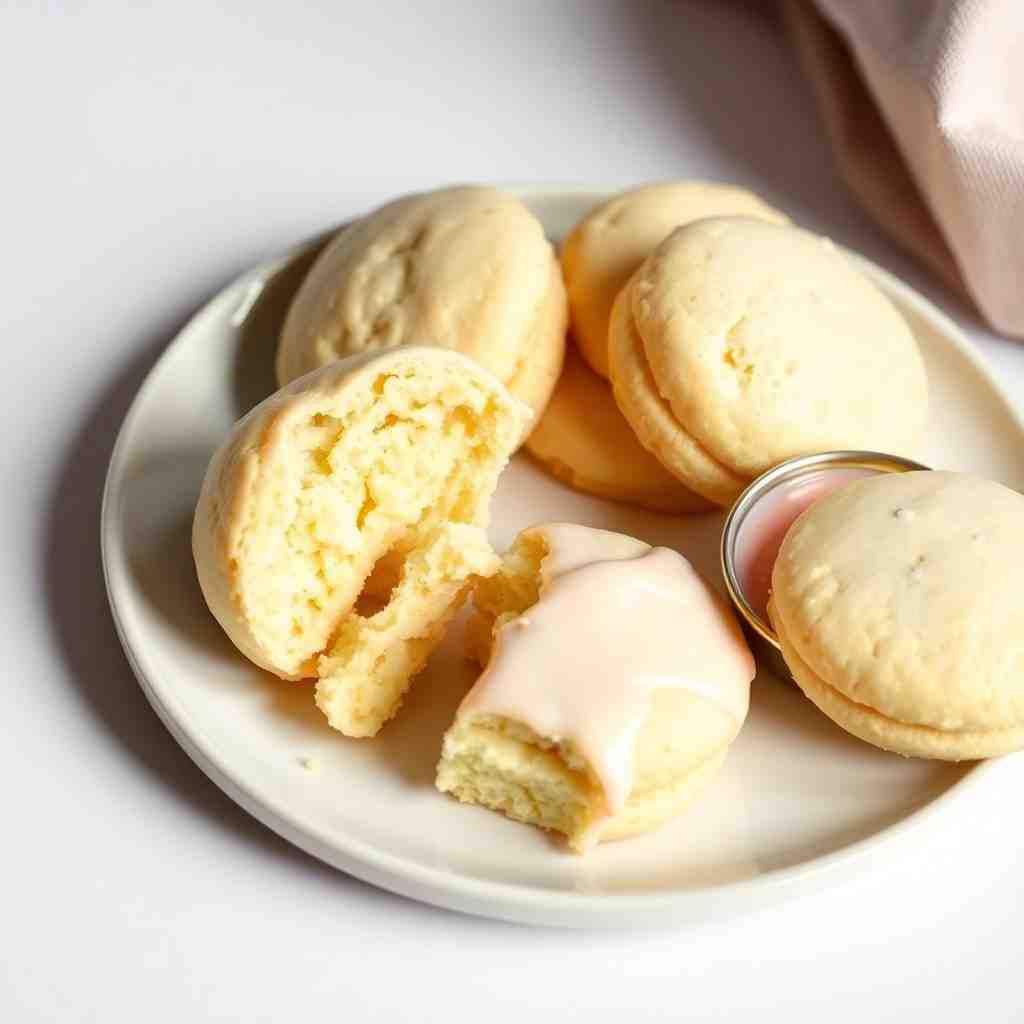
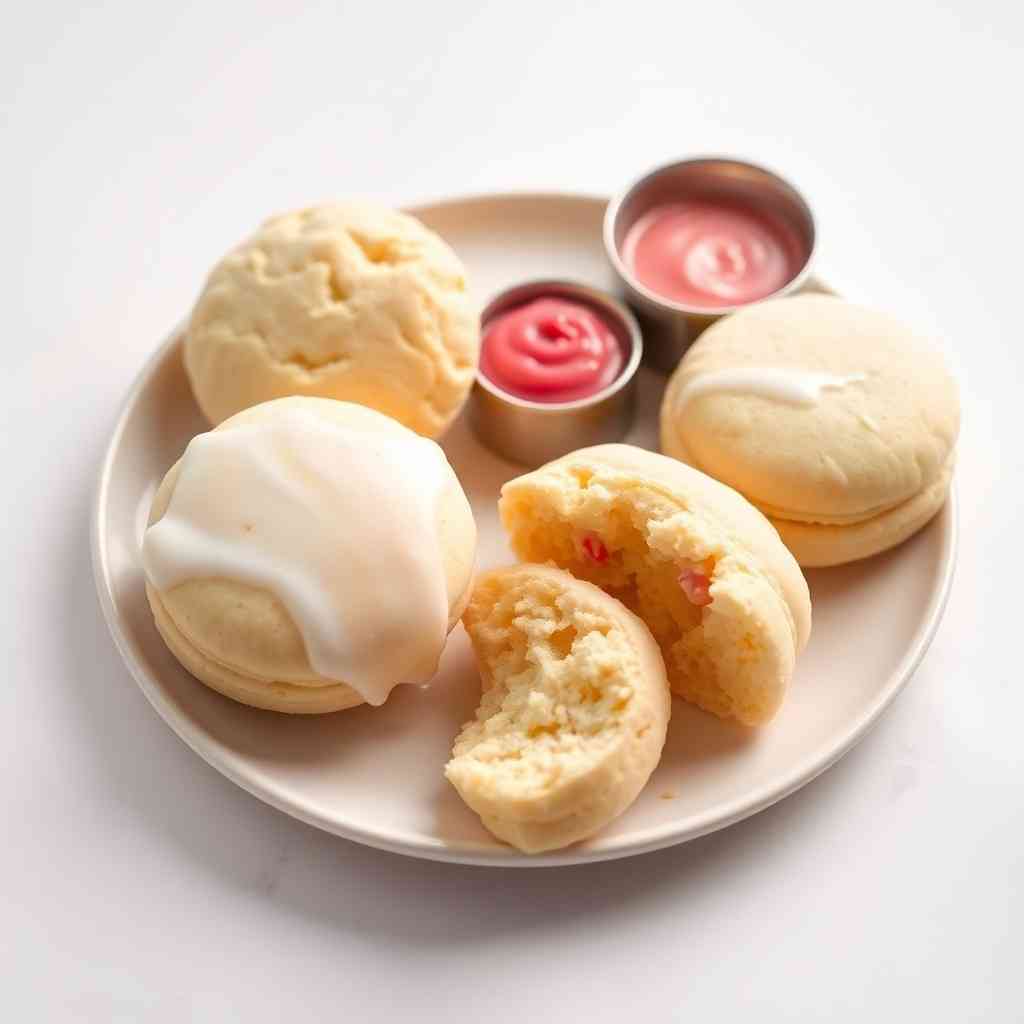
Get ready to bake the best biscuits you've ever decorated! If you've been searching for an iced biscuits recipe that actually works, holds its shape, and results in beautiful, stackable treats, you've found it. This isn't just another cookie recipe; it's your new go-to for crisp, flat sugar cookies topped with colorful icing that sets firm. Whether you're a beginner baker or looking for a fun activity with the kids, these butter biscuits are incredibly easy to make with simple pantry ingredients and no special skills required. Perfect for gifting, parties, or simply enjoying with your tea and biscuits or biscuits with coffee, these iced biscuits are designed for decorating success every single time. Say goodbye to blobbed cookies and hello to perfectly shaped, beautifully adorned treats that everyone will love!
Ingredients
Directions
- Making the Biscuit Dough:
Cream Butter and Sugar: In a large mixing bowl, using a hand mixer or stand mixer with the paddle attachment, beat the softened butter and granulated sugar together on medium speed until light, fluffy, and pale in color. This usually takes about 2-3 minutes. If mixing by hand, use a sturdy whisk or spatula and beat vigorously until combined and airy.
Add Egg and Vanilla: Scrape down the sides of the bowl, then add the room temperature egg and vanilla extract. Beat again until fully combined and smooth. Don't worry if it looks a little curdled at first; keep mixing until it comes back together.
Add Dry Ingredients: In a separate bowl, whisk together the all-purpose flour and salt. Gradually add the dry ingredients to the wet ingredients, mixing on low speed just until a soft dough forms. Be careful not to overmix, as this can lead to tough biscuits. Stop as soon as the last streaks of flour disappear. If your dough feels too sticky, chill it first before adding 1-2 tablespoons of extra flour only if absolutely necessary.
Chill the Dough: Divide the dough into two equal portions. Flatten each portion into a disc, wrap tightly in plastic wrap, and refrigerate for at least 1 hour, or longer if your kitchen is particularly warm. Chilling the dough is crucial for preventing spread and ensuring your biscuit shapes stay sharp during baking.
Shaping and Baking the Biscuits:
Roll the Dough: Once chilled, remove one disc of dough from the fridge (keep the other chilled). Lightly flour your work surface and rolling pin. Roll the dough to an even thickness of about 1/4 inch (6 mm) for biscuits with a slightly soft center, or a bit thinner for a crisper result. Lift and turn the dough occasionally as you roll to prevent it from sticking to the surface.
Cut Your Shapes: Use your favorite cookie cutters (stars, hearts, letters, circles, etc.) to cut out shapes. Place the cut-out biscuits onto baking sheets lined with parchment paper, leaving a little space between each. Gather the dough scraps, gently press them together, and re-roll once or twice. Excessive re-rolling can make the biscuits tough.
Bake: Preheat your oven to 350°F (180°C). Bake the biscuits for approximately 8-11 minutes, depending on their size and thickness, or until the edges are just turning golden and the tops lose their raw, shiny appearance.
Cool Completely: Allow the baked biscuits to set on the hot baking sheets for 2-3 minutes before carefully transferring them to wire cooling racks to cool completely. It's essential that the biscuits are entirely cool before icing, otherwise, the icing will melt and run. - Making the Simple Icing That Sets Firm:
Mix the Base Icing: In a medium bowl, whisk together the sifted icing sugar, a pinch of salt, and 2 tablespoons of milk or water, along with the optional corn syrup, until smooth.
Adjust Consistency: For "outlining" consistency (for borders), the icing should be thick but flow slowly when a spoon is drawn through it. If it's too thick, add more liquid ½ teaspoon at a time. For "flooding" consistency (to fill in the outline), it should be slightly thinner, flowing together smoothly within 10-15 seconds after a line is drawn. Adjust by adding more liquid (½ tsp at a time) or more icing sugar (1 tsp at a time).
Coloring the Icing: Divide the icing into separate small bowls for different colors. Use gel food colors, adding a tiny amount (like the tip of a toothpick) at a time, and mix thoroughly. Gel colors are concentrated, so start small to avoid over-coloring.
Optional Fondant Note: If you prefer a perfectly smooth finish and a different texture, you can press thin rolled fondant cut-outs onto the biscuits using a dab of jam or edible glue instead of glazing them. (No new ingredient list or method for this option).
Classic Iced Biscuits Easy Recipe & Decorating Tips

- Serves: 24 People
- Prepare Time: 45 minutes
- Cooking Time: 15 minutes
- Calories: -
- Difficulty: Easy
Get ready to bake the best biscuits you've ever decorated! If you've been searching for an iced biscuits recipe that actually works, holds its shape, and results in beautiful, stackable treats, you've found it. This isn't just another cookie recipe; it's your new go-to for crisp, flat sugar cookies topped with colorful icing that sets firm. Whether you're a beginner baker or looking for a fun activity with the kids, these butter biscuits are incredibly easy to make with simple pantry ingredients and no special skills required. Perfect for gifting, parties, or simply enjoying with your tea and biscuits or biscuits with coffee, these iced biscuits are designed for decorating success every single time. Say goodbye to blobbed cookies and hello to perfectly shaped, beautifully adorned treats that everyone will love!
Ingredients
Directions
- Making the Biscuit Dough:
Cream Butter and Sugar: In a large mixing bowl, using a hand mixer or stand mixer with the paddle attachment, beat the softened butter and granulated sugar together on medium speed until light, fluffy, and pale in color. This usually takes about 2-3 minutes. If mixing by hand, use a sturdy whisk or spatula and beat vigorously until combined and airy.
Add Egg and Vanilla: Scrape down the sides of the bowl, then add the room temperature egg and vanilla extract. Beat again until fully combined and smooth. Don't worry if it looks a little curdled at first; keep mixing until it comes back together.
Add Dry Ingredients: In a separate bowl, whisk together the all-purpose flour and salt. Gradually add the dry ingredients to the wet ingredients, mixing on low speed just until a soft dough forms. Be careful not to overmix, as this can lead to tough biscuits. Stop as soon as the last streaks of flour disappear. If your dough feels too sticky, chill it first before adding 1-2 tablespoons of extra flour only if absolutely necessary.
Chill the Dough: Divide the dough into two equal portions. Flatten each portion into a disc, wrap tightly in plastic wrap, and refrigerate for at least 1 hour, or longer if your kitchen is particularly warm. Chilling the dough is crucial for preventing spread and ensuring your biscuit shapes stay sharp during baking.
Shaping and Baking the Biscuits:
Roll the Dough: Once chilled, remove one disc of dough from the fridge (keep the other chilled). Lightly flour your work surface and rolling pin. Roll the dough to an even thickness of about 1/4 inch (6 mm) for biscuits with a slightly soft center, or a bit thinner for a crisper result. Lift and turn the dough occasionally as you roll to prevent it from sticking to the surface.
Cut Your Shapes: Use your favorite cookie cutters (stars, hearts, letters, circles, etc.) to cut out shapes. Place the cut-out biscuits onto baking sheets lined with parchment paper, leaving a little space between each. Gather the dough scraps, gently press them together, and re-roll once or twice. Excessive re-rolling can make the biscuits tough.
Bake: Preheat your oven to 350°F (180°C). Bake the biscuits for approximately 8-11 minutes, depending on their size and thickness, or until the edges are just turning golden and the tops lose their raw, shiny appearance.
Cool Completely: Allow the baked biscuits to set on the hot baking sheets for 2-3 minutes before carefully transferring them to wire cooling racks to cool completely. It's essential that the biscuits are entirely cool before icing, otherwise, the icing will melt and run. - Making the Simple Icing That Sets Firm:
Mix the Base Icing: In a medium bowl, whisk together the sifted icing sugar, a pinch of salt, and 2 tablespoons of milk or water, along with the optional corn syrup, until smooth.
Adjust Consistency: For "outlining" consistency (for borders), the icing should be thick but flow slowly when a spoon is drawn through it. If it's too thick, add more liquid ½ teaspoon at a time. For "flooding" consistency (to fill in the outline), it should be slightly thinner, flowing together smoothly within 10-15 seconds after a line is drawn. Adjust by adding more liquid (½ tsp at a time) or more icing sugar (1 tsp at a time).
Coloring the Icing: Divide the icing into separate small bowls for different colors. Use gel food colors, adding a tiny amount (like the tip of a toothpick) at a time, and mix thoroughly. Gel colors are concentrated, so start small to avoid over-coloring.
Optional Fondant Note: If you prefer a perfectly smooth finish and a different texture, you can press thin rolled fondant cut-outs onto the biscuits using a dab of jam or edible glue instead of glazing them. (No new ingredient list or method for this option).
The following nutritional values are per serving (one piece of cake) Calories ~180-220 kcal Carbohydrates ~25-30g Protein ~1-2g Fat ~8-12g Tools and ingredients that can help you cook more easily and consistently. Problem: Tired arms and inconsistent dough from hand-mixing. Problem: Biscuits sticking to the baking sheet or baking unevenly. Problem: Struggling to create uniform and appealing biscuit shapes. Problem: Messy and imprecise icing application. Click any ingredient for detailed nutritional information:Recipe Nutritional Values
Additional Information
Recipe Success Tips
Ingredient Substitutions & Variations
Cultural Variations
Make-Ahead & Storage Instructions
Frequently Asked Questions
Recommended Kitchen Tools
electric hand mixer or stand mixer
Agitate: Manual creaming can leave lumps and make your biscuits dense instead of light and tender.
Solution: An electric hand mixer or stand mixer makes quick work of creaming butter and sugar, ensuring a perfectly fluffy base for your iced biscuits with minimal effort.Parchment paper
Agitate: Ruined shapes and burnt bottoms can be incredibly frustrating, wasting your delicious dough.
Solution: Parchment paper provides a non-stick surface, guaranteeing easy removal and even heat distribution for perfectly baked butter biscuits every time.cookie cutters
Agitate: Irregularly shaped biscuits not only bake unevenly but also make decorating a challenge, impacting the final look.
Solution: A good set of cookie cutters helps you effortlessly create consistent, professional-looking shapes, ready for your creative iced biscuits designs.Piping bags or zip-top bags
Agitate: Smeared or uncontrolled icing can quickly detract from your beautifully baked tea biscuits, making them look less polished.
Solution: Piping bags or zip-top bags (with a corner snipped) give you precise control for outlining and flooding, making the decorating process for your iced biscuits much cleaner and easier.Calories per Ingredient
You may also like



Hey there! I’m just someone who seriously loves good food and believes that cooking doesn’t have to be complicated to be amazing. Whether it’s a quick weeknight dinner or a cozy weekend meal, I’m all about sharing easy, tasty recipes that actually work.