Coques d'Andorra Recipe Sweet Flat Cakes
Coques d'Andorra Recipe Sweet Flat Cakes
- Serves: 8 People
- Prepare Time: 25 minutes
- Cooking Time: 20-25 minut
- Calories: -
- Difficulty: Medium
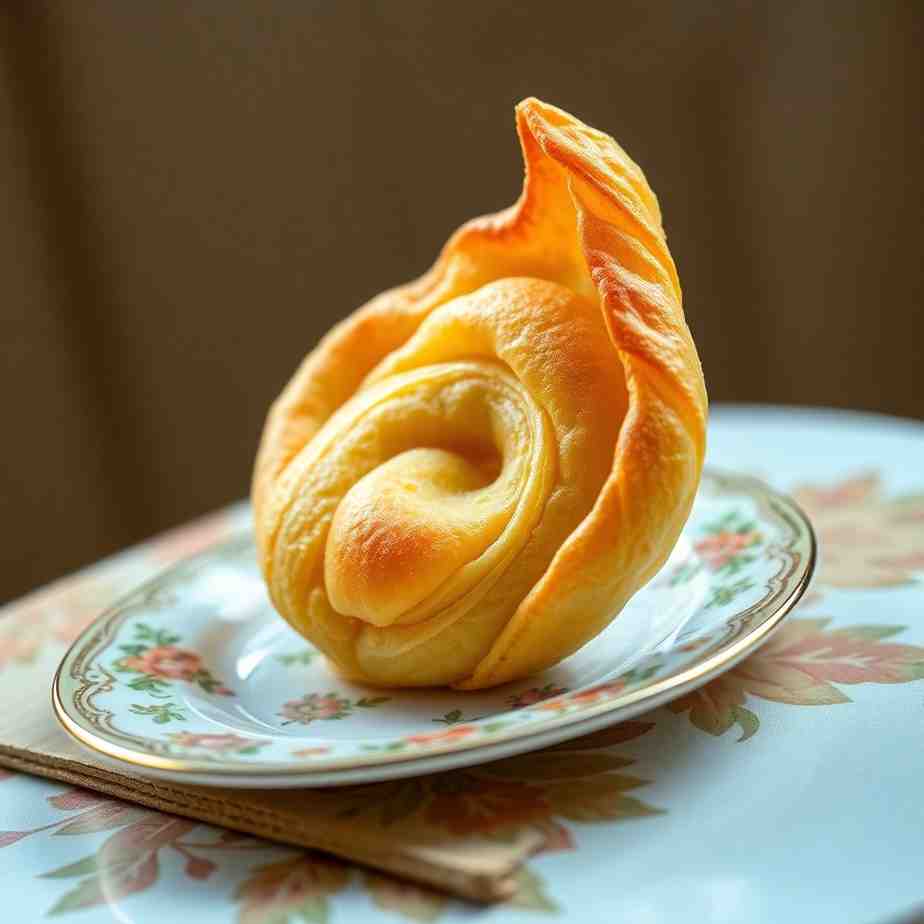
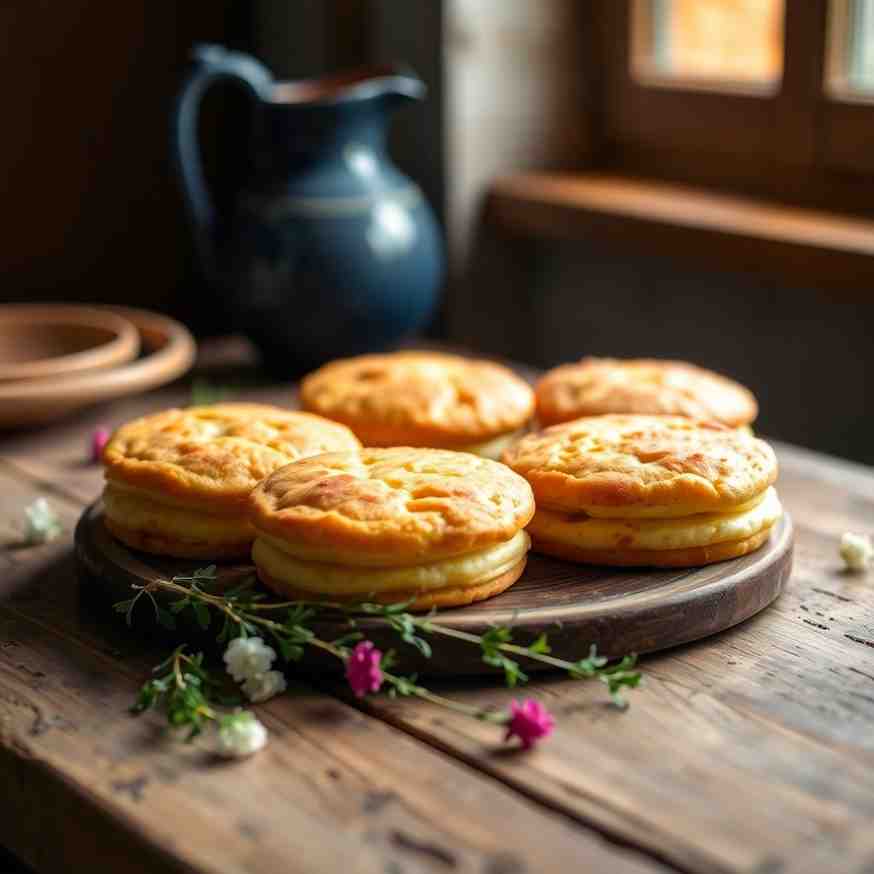
Welcome to the heart of the Pyrenees, right in your kitchen! Today, we're diving into the delightful world of Coques d'Andorra Recipe, a sweet, flat, and wonderfully festive cake that’s beloved across Andorra and the wider Catalan-speaking regions. Imagine a soft, yeasted flat cake, subtly sweet, with a satisfying crunch from toasted pine nuts and a bright whisper of citrus or anise. This isn't just a dessert; it's a taste of tradition, perfect for celebrations or simply a cozy afternoon treat.
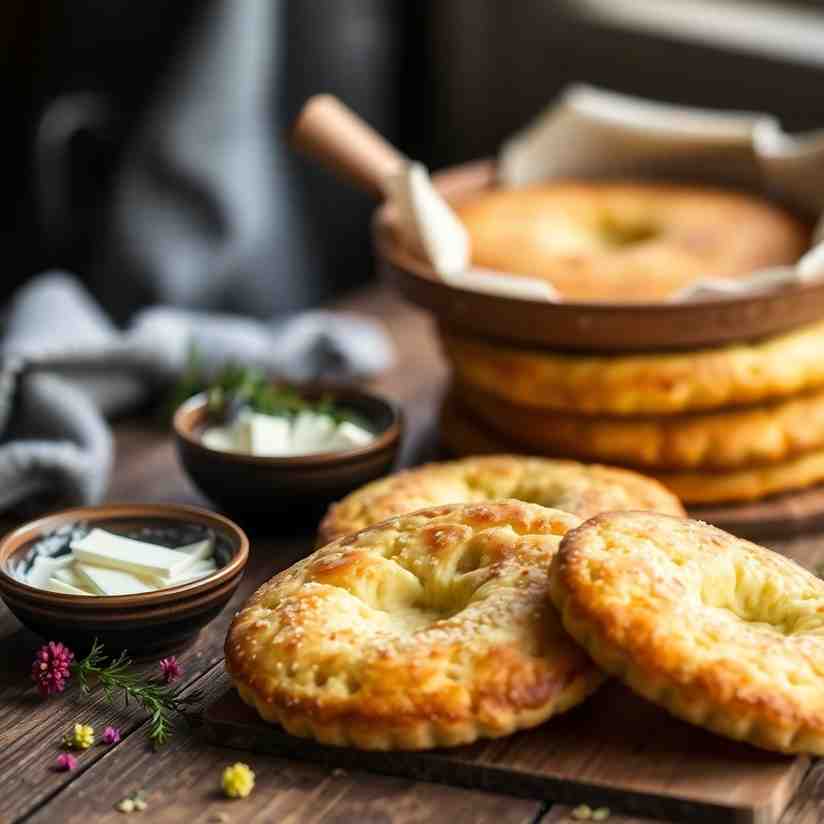
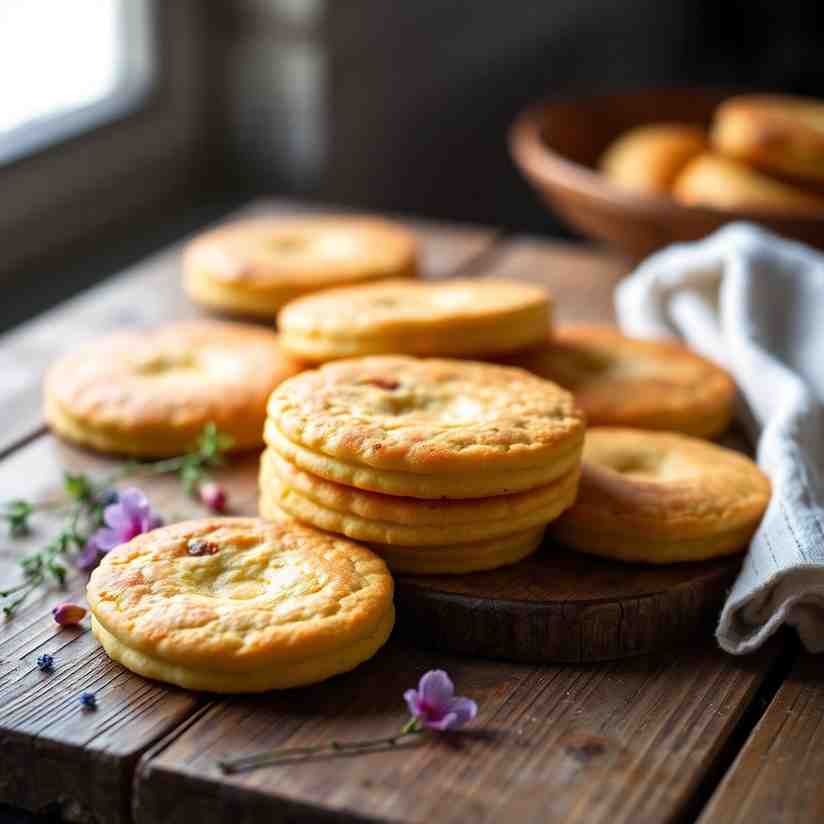
Our Coques d'Andorra Recipe focuses on creating a sweet, soft, yeasted flat cake, much like the traditional coca masegada or coca de canal styles you'd find in the region. You’ll love the light, tender crumb that melts in your mouth, contrasted with a beautiful, crunchy sugar crust. It's truly a unique flavor experience that stands apart from your usual coffee cakes or pastries.
This is the definitive Coques d'Andorra Recipe you've been searching for. We've simplified the process with clear, easy-to-follow steps and US-friendly measurements, ensuring that whether you're a beginner baker or a seasoned pro, you'll achieve perfect results every time. Get ready to bake a little piece of Andorran magic!
Ingredients
Directions
- Activate & Mix the Dough In a large mixing bowl (or the bowl of a stand mixer), combine the warm milk (ensure it’s about 105-115°F / 40-46°C), instant dry yeast, and ¼ cup of granulated sugar. Stir gently and let it sit for 5-10 minutes until the mixture is foamy. This tells you your yeast is active! Next, add the room temperature eggs, melted butter (or oil), lemon zest, and optional anise liqueur or seeds to the yeast mixture. Whisk everything together until well combined. Gradually add the all-purpose flour and salt to the wet ingredients. Mix on low speed with a dough hook, or by hand with a wooden spoon, until a shaggy dough forms.
- Knead and First Rise Turn the dough out onto a lightly floured surface if kneading by hand, or continue with the stand mixer. Knead for 8-10 minutes by hand, or 5-7 minutes with a stand mixer on medium-low speed, until the dough is smooth, elastic, and slightly tacky but clears the sides of the bowl. It should spring back slowly when poked. Lightly oil a clean bowl, place the dough inside, turning once to coat. Cover the bowl tightly with plastic wrap or a damp kitchen towel. Let the dough rise in a warm, draft-free place for 1 to 1.5 hours, or until it has visibly doubled in size.
- Shape into Flat Cakes Gently punch down the risen dough to release the air. Divide the dough into two equal pieces. On two separate sheets of parchment paper (or directly on lightly floured baking sheets), roll or gently stretch each piece of dough into an oval or rectangular shape, about ½ inch thick. Aim for roughly 12x8 inches for each coque. Transfer the parchment-lined dough to baking sheets. Use your fingertips to gently dimple or lightly score the top of each coque for a traditional look. In a small bowl, whisk together one egg with one tablespoon of milk to create an egg wash, then lightly brush the tops of the coques.
- Topping & Final Proof Generously scatter the remaining ¼ cup of granulated sugar and the pine nuts evenly over the top of each brushed coque. Cover the coques loosely with plastic wrap or a light kitchen towel. Let them rise again in a warm spot for another 20-30 minutes, or until they look slightly puffy and have increased in volume.
- Bake Preheat your oven to 375°F (190°C) with a rack in the middle position. Once preheated, place the baking sheets with the coques into the oven. Bake for 20-25 minutes, or until the edges are deep golden brown and the pine nuts are lightly toasted. If baking two coques at once, you might need to rotate the trays halfway through baking to ensure even browning. If the pine nuts are browning too quickly, you can loosely tent the coques with foil.
- Cool & Serve Once baked, remove the coques from the oven and transfer them, still on their parchment paper, to a wire rack. Let them cool for at least 15-20 minutes. This cooling time allows the crumb to set properly while ensuring they are still wonderfully warm when you slice into them. Cut the coques into triangles, rectangles, or small wedges, and serve them warm.
Coques d'Andorra Recipe Sweet Flat Cakes
- Serves: 8 People
- Prepare Time: 25 minutes
- Cooking Time: 20-25 minut
- Calories: -
- Difficulty: Medium
Welcome to the heart of the Pyrenees, right in your kitchen! Today, we're diving into the delightful world of Coques d'Andorra Recipe, a sweet, flat, and wonderfully festive cake that’s beloved across Andorra and the wider Catalan-speaking regions. Imagine a soft, yeasted flat cake, subtly sweet, with a satisfying crunch from toasted pine nuts and a bright whisper of citrus or anise. This isn't just a dessert; it's a taste of tradition, perfect for celebrations or simply a cozy afternoon treat.
Our Coques d'Andorra Recipe focuses on creating a sweet, soft, yeasted flat cake, much like the traditional coca masegada or coca de canal styles you'd find in the region. You’ll love the light, tender crumb that melts in your mouth, contrasted with a beautiful, crunchy sugar crust. It's truly a unique flavor experience that stands apart from your usual coffee cakes or pastries.
This is the definitive Coques d'Andorra Recipe you've been searching for. We've simplified the process with clear, easy-to-follow steps and US-friendly measurements, ensuring that whether you're a beginner baker or a seasoned pro, you'll achieve perfect results every time. Get ready to bake a little piece of Andorran magic!
Ingredients
Directions
- Activate & Mix the Dough In a large mixing bowl (or the bowl of a stand mixer), combine the warm milk (ensure it’s about 105-115°F / 40-46°C), instant dry yeast, and ¼ cup of granulated sugar. Stir gently and let it sit for 5-10 minutes until the mixture is foamy. This tells you your yeast is active! Next, add the room temperature eggs, melted butter (or oil), lemon zest, and optional anise liqueur or seeds to the yeast mixture. Whisk everything together until well combined. Gradually add the all-purpose flour and salt to the wet ingredients. Mix on low speed with a dough hook, or by hand with a wooden spoon, until a shaggy dough forms.
- Knead and First Rise Turn the dough out onto a lightly floured surface if kneading by hand, or continue with the stand mixer. Knead for 8-10 minutes by hand, or 5-7 minutes with a stand mixer on medium-low speed, until the dough is smooth, elastic, and slightly tacky but clears the sides of the bowl. It should spring back slowly when poked. Lightly oil a clean bowl, place the dough inside, turning once to coat. Cover the bowl tightly with plastic wrap or a damp kitchen towel. Let the dough rise in a warm, draft-free place for 1 to 1.5 hours, or until it has visibly doubled in size.
- Shape into Flat Cakes Gently punch down the risen dough to release the air. Divide the dough into two equal pieces. On two separate sheets of parchment paper (or directly on lightly floured baking sheets), roll or gently stretch each piece of dough into an oval or rectangular shape, about ½ inch thick. Aim for roughly 12x8 inches for each coque. Transfer the parchment-lined dough to baking sheets. Use your fingertips to gently dimple or lightly score the top of each coque for a traditional look. In a small bowl, whisk together one egg with one tablespoon of milk to create an egg wash, then lightly brush the tops of the coques.
- Topping & Final Proof Generously scatter the remaining ¼ cup of granulated sugar and the pine nuts evenly over the top of each brushed coque. Cover the coques loosely with plastic wrap or a light kitchen towel. Let them rise again in a warm spot for another 20-30 minutes, or until they look slightly puffy and have increased in volume.
- Bake Preheat your oven to 375°F (190°C) with a rack in the middle position. Once preheated, place the baking sheets with the coques into the oven. Bake for 20-25 minutes, or until the edges are deep golden brown and the pine nuts are lightly toasted. If baking two coques at once, you might need to rotate the trays halfway through baking to ensure even browning. If the pine nuts are browning too quickly, you can loosely tent the coques with foil.
- Cool & Serve Once baked, remove the coques from the oven and transfer them, still on their parchment paper, to a wire rack. Let them cool for at least 15-20 minutes. This cooling time allows the crumb to set properly while ensuring they are still wonderfully warm when you slice into them. Cut the coques into triangles, rectangles, or small wedges, and serve them warm.
The following nutritional values are per serving (one piece of cake) Calories ~280-320 kcal Carbohydrates ~40-45g Protein ~7-9g Fat ~10-14g Tools and ingredients that can help you cook more easily and consistently. Problem: Kneading dough by hand can be a real workout, especially when you're aiming for that perfect smooth, elastic texture. It's time-consuming and can be tough on your arms! Problem: Measuring ingredients, especially flour, by volume (cups) can be notoriously inaccurate. A little too much or too little can throw off your dough's consistency. Problem: Dealing with sticky dough can be a messy affair, and nobody wants their beautiful Coques to stick to the baking sheet. Click any ingredient for detailed nutritional information:Recipe Nutritional Values
Additional Information
Recipe Success Tips
Ingredient Substitutions & Flavor Variations
Cultural Variations
Make-Ahead & Storage Instructions
Frequently Asked Questions
Recommended Kitchen Tools
stand mixer with a dough hook
Agitate: Without proper kneading, your Coques might end up dense or tough, missing that light, airy crumb you're dreaming of. This can make baking feel more like a chore than a joy, and nobody wants a disappointing bake.
Solution: A stand mixer with a dough hook is your best friend here. It takes all the hard work out of kneading, doing the job efficiently and consistently in just 5-7 minutes. This frees you up to prep other ingredients or simply relax while your dough develops perfectly.digital kitchen scale
Agitate: Inconsistent measurements lead to unpredictable results – dough that's too sticky, too dry, or hard to handle. This can be frustrating and make troubleshooting difficult, leaving you guessing what went wrong.
Solution: A digital kitchen scale provides precise measurements in grams, ensuring your ingredient ratios are spot-on every single time. This consistency is key for perfect dough development and a reliable, delicious outcome.Parchment paper
Agitate: Scraping off stuck pastry can damage your delicate flat cakes and make cleanup a nightmare. It adds unnecessary stress to the baking process and can ruin the presentation of your finished product.
Solution: Parchment paper is a simple yet revolutionary tool. Lining your baking sheets with it ensures a non-stick surface, making it incredibly easy to transfer your shaped Coques to the oven and preventing any sticking. Plus, cleanup is a breeze!Calories per Ingredient
You may also like


Hey there! I’m just someone who seriously loves good food and believes that cooking doesn’t have to be complicated to be amazing. Whether it’s a quick weeknight dinner or a cozy weekend meal, I’m all about sharing easy, tasty recipes that actually work.