Crispy Ahvenfileet Recipe Pan-Fry Finnish Perch Fillets
Crispy Ahvenfileet Recipe Pan-Fry Finnish Perch Fillets
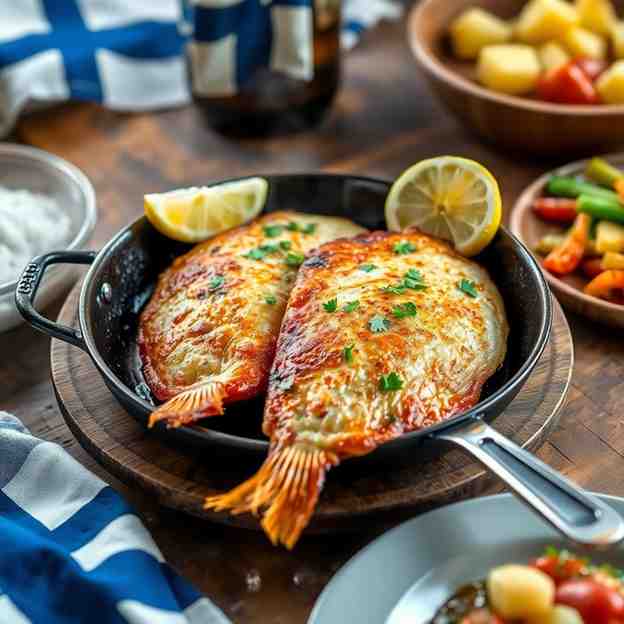
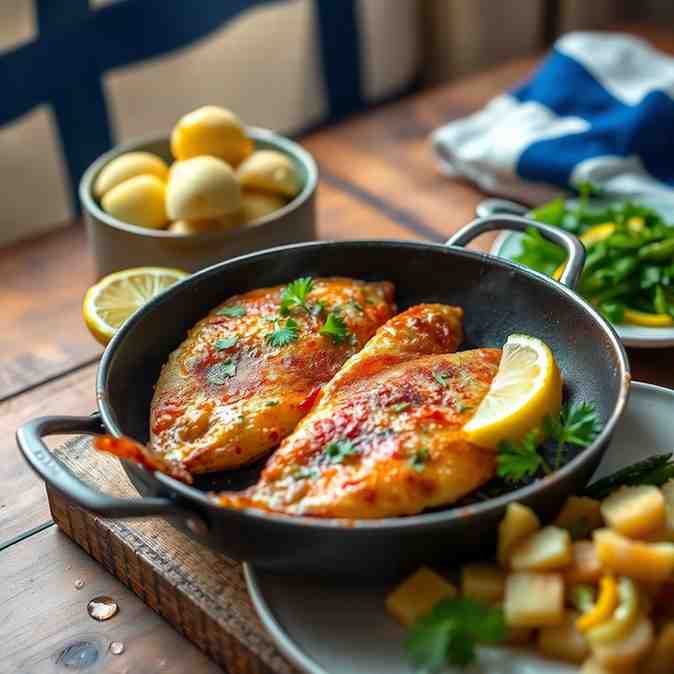
- Serves: 4 People
- Prepare Time: 15 minutes
- Cooking Time: 10-15 minut
- Calories: 300
- Difficulty: Easy
Welcome to a taste of the Nordic islands! If you've ever wondered how to prepare delicate, flavorful fish that's both simple and impressive, look no further than this ahvenfileet fish fillet recipe. We're talking about perfectly pan-fried Finnish perch fillets, inspired by the serene Åland archipelago. This recipe is incredibly straightforward, promising a crispy outside and tender inside, making it an absolute delight for any home cook.
Why This Ahvenfileet Recipe Is Your New Go-To
This isn't just another fish fillet recipe; it's your ticket to effortlessly delicious weeknight dinners and special occasions alike. Here’s why you’ll love it:Quick & Easy: One pan, 15–20 minutes of cooking time, and minimal ingredients mean dinner is on the table in a flash.
Irresistible Texture: Achieve that coveted crispy outside and tender, flaky inside every single time. Even kids will enjoy this mild perch fillets dish!
Versatile: Works beautifully with fresh or frozen ahvenfileet. Plus, the pan-frying method is super approachable for US home cooks and can be adapted for other white fish.
Light & Healthy: Lean perch protein with a controlled amount of fat makes this a wholesome and satisfying meal.
What Are Ahvenfileet? (Perch Fillets 101)
Ahven is the Finnish word for European perch, a highly prized and popular lake fish in Finland. These ahvenfileet (perch fillets) are known for their mild, delicate flavor and firm, white flesh. If you're wondering what to expect, imagine something milder than salmon, with a texture somewhat similar to walleye or small cod fillets. Perch is also incredibly lean and high in protein, packing in essential minerals like calcium and selenium with very low fat content.You can find fresh or frozen perch fillets at Nordic specialty stores or larger fish markets in the US. If perch is hard to come by, don't worry! This cooking method works wonderfully with any thin, mild white fish fillet.
Ingredients
Directions
- Prep the Fillets
Gently pat your fish fillet pieces lightly dry with paper towels. You don't need them bone-dry, just remove excess moisture. Carefully feel along the fillet for any tiny pin bones and remove them with tweezers if present. If your fillets still have the skin on, make a couple of shallow slashes across the skin side. This helps prevent the fish from curling up in the hot pan. - Season & Coat
Season both sides of your perch fillets generously with salt and pepper. In your shallow dish, mix the rye flour (or alternative) with the optional cornstarch and a tiny pinch of paprika if using. Lightly dredge each fillet in the coating mixture, shaking off any excess. Place the coated fillets on a clean plate, ready for frying. - Heat the PanAdd the neutral oil to your large skillet and heat it over medium to medium-high heat until it's shimmering. You can test the heat by dropping a tiny pinch of flour into the oil; it should sizzle gently but not burn immediately.
- Sear the AhvenfileetCarefully place the ahvenfileet into the hot pan. If they have skin, place them skin-side down first. If not, choose the nicer-looking side as your "presentation side" and put that down first. Cook without moving the fillets for a timed range, depending on their thickness:
- For ½-inch (1.25 cm) thick fillets: Cook for about 2 minutes.
- For ¾-inch (2 cm) thick fillets: Cook for about 3 minutes.
- For the last minute of this step, you can optionally add a small knob of butter to the pan. Let it melt and spoon some of the fragrant butter-oil mixture over the tops of the fillets.
- Flip & Finish
Gently slide your wide, flexible fish spatula under each fillet and carefully flip it over. Cook for another 1–3 minutes, depending on thickness, until the fish is opaque throughout and flakes easily with a fork. The target internal temperature is 145°F (63°C). Immediately after cooking, squeeze fresh lemon juice over the fillets and sprinkle with fresh dill. Transfer them to a wire rack set over paper towels to rest; this keeps the underside nice and crisp.< - Serve Nordic StylePlate your beautiful, crispy ahvenfileet with boiled new potatoes, extra lemon wedges, and a simple fresh salad. Remember, perch is so mild and delicious that it's fantastic even with just a squeeze of lemon and the buttery pan juices – a creamy sauce is completely optional!<
- Quick Time & Temperature Guide for Ahvenfileet
To ensure your ahvenfileet are always perfectly cooked:- Fillet Temperature: Let fridge-cold fillets rest on the counter for 10–15 minutes before cooking for more even results
- Pan Heat: Use medium to medium-high heat. The oil should shimmer, and any added butter should foam gently, not brown too quickly.
- Cooking Times (per side):
- ½-inch thick: ~2 minutes
- ¾-inch thick: ~3 minutes
- 1-inch thick (max): ~4 minutes
- Visual Cues: The surface should be golden brown and crispy when ready to flip, and the fish should be opaque and flake easily when done.
- Easy Ahvenfileet Preparation Tips (Skimmable Cheat Sheet)
Here are some easy ahvenfileet preparation tips to guarantee success:- Thawing: Always thaw frozen fillets slowly in the fridge overnight, never on the counter, to maintain texture and safety.
- Dry Fillets: Lightly pat your fillets dry before coating to prevent a soggy crust and ensure maximum crispness.
- Don't Overcrowd: Cook in batches if necessary. Overcrowding the pan lowers the oil temperature and steams the fish instead of searing it.
- Patience is Key: If the fish fillet sticks when you try to flip it, wait another 30-60 seconds. It will naturally release from the pan once a good crust has formed.
- Fresh Finish: Add fresh lemon juice and herbs after removing the fish from the heat to keep their flavors bright and vibrant.
- Kid-Friendly: For little ones, skip strong spices and offer a mild dipping sauce on the side.
- Variations & Substitutions (Short Notes Only)
Keep things interesting with these simple tweaks to your ahvenfileet recipe:- Different Fish: Cod, walleye, tilapia, or other mild white fish can be used with the same method. Thicker pieces will need slightly longer cooking times.
- Gluten-Free Coating: Swap rye flour for fine cornmeal or gluten-free breadcrumbs for a gluten-free option.
- Herb & Spice Twists: Experiment by swapping dill for fresh chives or parsley, or add a tiny bit of garlic powder or smoked paprika to the coating mix.
- Lighter Version: For a leaner dish, use only oil in the pan and skip the butter finish. Serve with extra lemon and fresh herbs for brightness.
- Serving Ideas – What to Eat with AhvenfileetWhether you’re embracing the Nordic tradition or adding a US twist, these ahvenfileet pair beautifully with many sides:
- Classic Finnish/Nordic: Serve with boiled new potatoes sprinkled with fresh dill, a simple cucumber salad, or a grated carrot salad. Dark rye bread on the side is also traditional.
- For a US Audience: Try roasted baby potatoes, steamed green beans, or a light coleslaw. A simple yogurt-dill or mustard-lemon sauce made with pantry ingredients would also be delicious.
Crispy Ahvenfileet Recipe Pan-Fry Finnish Perch Fillets
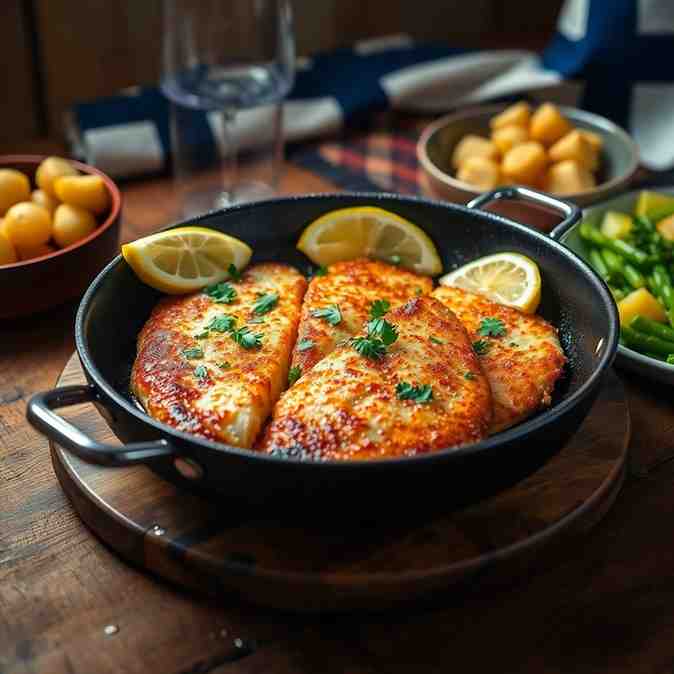
- Serves: 4 People
- Prepare Time: 15 minutes
- Cooking Time: 10-15 minut
- Calories: 300
- Difficulty: Easy
Welcome to a taste of the Nordic islands! If you've ever wondered how to prepare delicate, flavorful fish that's both simple and impressive, look no further than this ahvenfileet fish fillet recipe. We're talking about perfectly pan-fried Finnish perch fillets, inspired by the serene Åland archipelago. This recipe is incredibly straightforward, promising a crispy outside and tender inside, making it an absolute delight for any home cook.
Why This Ahvenfileet Recipe Is Your New Go-To
This isn't just another fish fillet recipe; it's your ticket to effortlessly delicious weeknight dinners and special occasions alike. Here’s why you’ll love it:Quick & Easy: One pan, 15–20 minutes of cooking time, and minimal ingredients mean dinner is on the table in a flash.
Irresistible Texture: Achieve that coveted crispy outside and tender, flaky inside every single time. Even kids will enjoy this mild perch fillets dish!
Versatile: Works beautifully with fresh or frozen ahvenfileet. Plus, the pan-frying method is super approachable for US home cooks and can be adapted for other white fish.
Light & Healthy: Lean perch protein with a controlled amount of fat makes this a wholesome and satisfying meal.
What Are Ahvenfileet? (Perch Fillets 101)
Ahven is the Finnish word for European perch, a highly prized and popular lake fish in Finland. These ahvenfileet (perch fillets) are known for their mild, delicate flavor and firm, white flesh. If you're wondering what to expect, imagine something milder than salmon, with a texture somewhat similar to walleye or small cod fillets. Perch is also incredibly lean and high in protein, packing in essential minerals like calcium and selenium with very low fat content.You can find fresh or frozen perch fillets at Nordic specialty stores or larger fish markets in the US. If perch is hard to come by, don't worry! This cooking method works wonderfully with any thin, mild white fish fillet.
Ingredients
Directions
- Prep the Fillets
Gently pat your fish fillet pieces lightly dry with paper towels. You don't need them bone-dry, just remove excess moisture. Carefully feel along the fillet for any tiny pin bones and remove them with tweezers if present. If your fillets still have the skin on, make a couple of shallow slashes across the skin side. This helps prevent the fish from curling up in the hot pan. - Season & Coat
Season both sides of your perch fillets generously with salt and pepper. In your shallow dish, mix the rye flour (or alternative) with the optional cornstarch and a tiny pinch of paprika if using. Lightly dredge each fillet in the coating mixture, shaking off any excess. Place the coated fillets on a clean plate, ready for frying. - Heat the PanAdd the neutral oil to your large skillet and heat it over medium to medium-high heat until it's shimmering. You can test the heat by dropping a tiny pinch of flour into the oil; it should sizzle gently but not burn immediately.
- Sear the AhvenfileetCarefully place the ahvenfileet into the hot pan. If they have skin, place them skin-side down first. If not, choose the nicer-looking side as your "presentation side" and put that down first. Cook without moving the fillets for a timed range, depending on their thickness:
- For ½-inch (1.25 cm) thick fillets: Cook for about 2 minutes.
- For ¾-inch (2 cm) thick fillets: Cook for about 3 minutes.
- For the last minute of this step, you can optionally add a small knob of butter to the pan. Let it melt and spoon some of the fragrant butter-oil mixture over the tops of the fillets.
- Flip & Finish
Gently slide your wide, flexible fish spatula under each fillet and carefully flip it over. Cook for another 1–3 minutes, depending on thickness, until the fish is opaque throughout and flakes easily with a fork. The target internal temperature is 145°F (63°C). Immediately after cooking, squeeze fresh lemon juice over the fillets and sprinkle with fresh dill. Transfer them to a wire rack set over paper towels to rest; this keeps the underside nice and crisp.< - Serve Nordic StylePlate your beautiful, crispy ahvenfileet with boiled new potatoes, extra lemon wedges, and a simple fresh salad. Remember, perch is so mild and delicious that it's fantastic even with just a squeeze of lemon and the buttery pan juices – a creamy sauce is completely optional!<
- Quick Time & Temperature Guide for Ahvenfileet
To ensure your ahvenfileet are always perfectly cooked:- Fillet Temperature: Let fridge-cold fillets rest on the counter for 10–15 minutes before cooking for more even results
- Pan Heat: Use medium to medium-high heat. The oil should shimmer, and any added butter should foam gently, not brown too quickly.
- Cooking Times (per side):
- ½-inch thick: ~2 minutes
- ¾-inch thick: ~3 minutes
- 1-inch thick (max): ~4 minutes
- Visual Cues: The surface should be golden brown and crispy when ready to flip, and the fish should be opaque and flake easily when done.
- Easy Ahvenfileet Preparation Tips (Skimmable Cheat Sheet)
Here are some easy ahvenfileet preparation tips to guarantee success:- Thawing: Always thaw frozen fillets slowly in the fridge overnight, never on the counter, to maintain texture and safety.
- Dry Fillets: Lightly pat your fillets dry before coating to prevent a soggy crust and ensure maximum crispness.
- Don't Overcrowd: Cook in batches if necessary. Overcrowding the pan lowers the oil temperature and steams the fish instead of searing it.
- Patience is Key: If the fish fillet sticks when you try to flip it, wait another 30-60 seconds. It will naturally release from the pan once a good crust has formed.
- Fresh Finish: Add fresh lemon juice and herbs after removing the fish from the heat to keep their flavors bright and vibrant.
- Kid-Friendly: For little ones, skip strong spices and offer a mild dipping sauce on the side.
- Variations & Substitutions (Short Notes Only)
Keep things interesting with these simple tweaks to your ahvenfileet recipe:- Different Fish: Cod, walleye, tilapia, or other mild white fish can be used with the same method. Thicker pieces will need slightly longer cooking times.
- Gluten-Free Coating: Swap rye flour for fine cornmeal or gluten-free breadcrumbs for a gluten-free option.
- Herb & Spice Twists: Experiment by swapping dill for fresh chives or parsley, or add a tiny bit of garlic powder or smoked paprika to the coating mix.
- Lighter Version: For a leaner dish, use only oil in the pan and skip the butter finish. Serve with extra lemon and fresh herbs for brightness.
- Serving Ideas – What to Eat with AhvenfileetWhether you’re embracing the Nordic tradition or adding a US twist, these ahvenfileet pair beautifully with many sides:
- Classic Finnish/Nordic: Serve with boiled new potatoes sprinkled with fresh dill, a simple cucumber salad, or a grated carrot salad. Dark rye bread on the side is also traditional.
- For a US Audience: Try roasted baby potatoes, steamed green beans, or a light coleslaw. A simple yogurt-dill or mustard-lemon sauce made with pantry ingredients would also be delicious.
The following nutritional values are per serving (one piece of cake) Calories ~250-300 kcal Protein ~25-30g Total Fat ~10-15g Carbohydrates ~5-8g Sodium ~300-400mg Sometimes, a few smart choices in your kitchen setup can make all the difference, especially when you're trying to get a delicious meal on the table quickly. Here are a few tools and ingredients that can help streamline your ahvenfileet cooking experience: Problem: You're trying to flip delicate fish fillets, but they keep breaking apart, making a mess and ruining that beautiful crispy crust. Agitate: It's frustrating when your perfectly cooked fish turns into scrambled fish in the pan, right? Plus, it adds extra time trying to clean up the bits. Problem: You're trying to flip delicate fish fillets, but they keep breaking apart, making a mess and ruining that beautiful crispy crust. Problem: Your pan is either too cold, leading to soggy fish, or too hot, burning the coating before the fish is cooked through. Problem: You've just finished cooking a batch of crispy ahvenfileet, but as they sit on a plate, the bottoms get steamy and lose their crunch. Problem: You want to add a little extra zing to your fish, but zesting a lemon feels like a hassle, and chopping fresh herbs takes time. Click any ingredient for detailed nutritional information:Recipe Nutritional Values
Additional Information
Recipe Success Tips
Variations & Substitutions (Short Notes Only)
Serving Ideas – What to Eat with Ahvenfileet
Make-Ahead, Storage & Reheating
Ahvenfileet Nutrition & Health
Crispy Åland Ahvenfileet Nutritional Snapshot
Additional Information:
Frequently Asked Questions
Recommended Kitchen Tools
wide, flexible fish spatula
Agitate: It's frustrating when your perfectly cooked fish turns into scrambled fish in the pan, right? Plus, it adds extra time trying to clean up the bits.
Solution: A wide, flexible fish spatula is your best friend here. Its thin, broad blade slides easily under the entire fillet, providing full support as you gently lift and flip. This means fewer broken fillets and more perfectly intact, crispy fish!instant-read thermometer
Agitate: Guesswork with pan temperature can lead to inconsistent results – either undercooked, mushy fish or a charred exterior with a raw interior. Who wants that?
Solution: An instant-read thermometer isn't just for meat! While optional, a quick check of your pan's temperature (or even the fish's internal temperature) can take out all the guesswork. For the fish, aiming for 145°F (63°C) ensures it's perfectly cooked and safe. This little gadget gives you confidence and perfect results every time.wire rack
Agitate: All that effort for a golden, crispy crust, only for it to go soft while you're finishing the rest of the meal? It's a bummer, and it compromises the texture you worked so hard for.
Solution: A simple wire rack set over a few paper towels. As soon as your fillets are done, transfer them to the rack. The air circulates underneath, keeping that beautiful crust crisp, and any excess oil drips away. It's a tiny step that makes a huge difference in texture!microplane zester
Agitate: Sometimes, those fresh finishing touches get skipped because you're in a hurry, and the meal feels a little less vibrant without them.
Solution: Keep a microplane zester handy for lemons and a small pair of kitchen shears for herbs. Zesting a lemon takes seconds with a microplane, and snipping fresh dill or parsley with shears is much faster and less messy than using a knife and cutting board. Bright, fresh flavors, fast!Calories per Ingredient
You may also like


Hey there! I’m just someone who seriously loves good food and believes that cooking doesn’t have to be complicated to be amazing. Whether it’s a quick weeknight dinner or a cozy weekend meal, I’m all about sharing easy, tasty recipes that actually work.