Dikgobe - South African Food Recipe | Cook Now
Dikgobe - South African Food Recipe | Cook Now
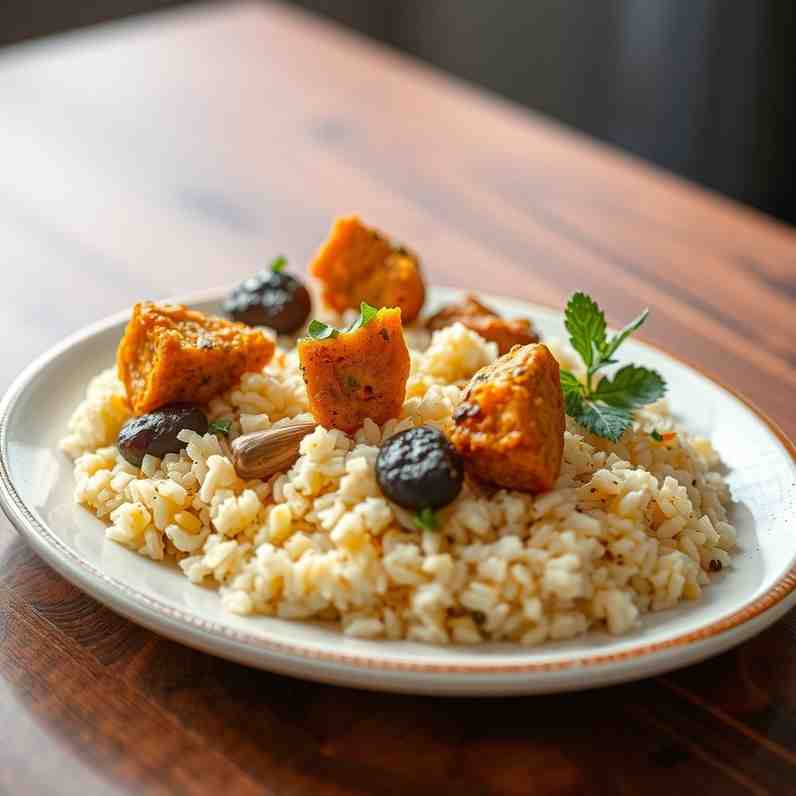

- Serves: 6 People
- Prepare Time: 20 minutes
- Cooking Time: 2 hours
- Calories: -
- Difficulty: Easy
Welcome to a culinary journey into the heart of Botswana, where simple ingredients transform into a dish brimming with flavor and comfort! Today, we're diving deep into Dikgobe, a beloved traditional Botswanan staple that perfectly embodies the spirit of unique African cuisine. While our primary keyword focuses on south african food recipes, Dikgobe holds a special place across Southern Africa, making it a must-try for anyone eager to explore african dishes recipes and south african cuisine recipes.
Dikgobe, often known as samp and beans, is more than just a meal; it's a warm hug in a bowl, a symbol of gathering, and a taste of home for many. This isn't just another recipe; it's your go-to guide for mastering this authentic dish. We’ve tested this version specifically for US kitchens, ensuring clear timings, accessible ingredients, and a respectful nod to its rich Botswanan roots. Get ready to discover authentic Botswana Dikgobe recipes, explore Southern African culinary traditions, and learn the simple yet profound methods for preparing this unique African comfort food dish. Let's get cooking!
Ingredients
Directions
- Before You Start – Soaking, Equipment & Texture:
- Soaking the Samp and Beans: Soaking is non-negotiable for dried samp and beans! It significantly reduces cooking time and helps them cook more evenly.
- Overnight Soak: Place samp and beans in separate bowls. Cover each with plenty of cold water (at least 3-4 inches above the level of the samp/beans, as they will expand). Let them soak for 8-12 hours, or overnight, at room temperature.
- Quick-Soak Option: If you're short on time, combine samp and beans in a large pot, cover with water, bring to a boil for 5 minutes, then remove from heat, cover, and let stand for 1 hour. Drain and rinse.
- Pot, Stove, and Basic Tools: You'll need a heavy-bottomed pot or a Dutch oven for even heat distribution, a wooden spoon for stirring, a colander for rinsing, and measuring cups/spoons.
- What the Finished Dish Should Look and Feel Like:
- Samp: Should be tender but still have a delightful, slightly chewy bite, not mushy.
- Beans: Soft and creamy, easily mashed with a spoon, but still holding their shape.
- Overall: The dish should be thick, spoonable, and have a wonderfully cozy, porridge-like or stew-like texture.
- Let's Make Dikgobe!
- Soak and RinseThoroughly rinse your soaked samp and beans under cold running water in a colander. This removes any starch and ensures a cleaner flavor. Drain them well.
- Start the PotCombine the drained samp and beans in your heavy pot or Dutch oven. Add 6 cups of fresh water or low-sodium stock. Bring the mixture to a rolling boil over medium-high heat. Once boiling, reduce the heat to a gentle simmer. If any foam rises to the surface, skim it off with a spoon.
- Simmer Until TenderCover the pot and let the samp and beans simmer gently for approximately 1½ to 2½ hours. The exact time will depend on the age and type of your beans and samp. Stir occasionally to prevent sticking and add more water or stock (½ cup at a time) if the mixture becomes too dry. You're looking for the samp to be tender with a slight chew and the beans to be soft and creamy, easily mashable with a fork. This is the heart of the low and slow cooking process, allowing flavors to meld beautifully.
- Build FlavorWhile the samp and beans are simmering in their final stages, prepare your flavor base. In a small pan, heat the neutral oil or butter over medium heat. Add the chopped onion and sauté until softened and translucent, about 5-7 minutes. Stir in the minced garlic and cook for another minute until fragrant. Add the diced tomato (fresh or canned) and any optional spices like bay leaf, thyme, curry powder, or paprika. Cook this mixture, stirring occasionally, for about 5-10 minutes until the tomatoes break down and the mixture forms a simple, fragrant relish. Stir this relish directly into the pot of simmering samp and beans.
- Final Seasoning and RestingNow is the time to add salt. Season with 1-2 teaspoons of salt, tasting as you go. Adding salt earlier can sometimes toughen dried beans, so we wait until they’re almost done. If the Dikgobe is too thick, add a splash more water or stock. If it’s too thin, simmer uncovered for a few minutes to allow some liquid to evaporate. Remove the pot from the heat, cover, and let it rest for 5-10 minutes. This resting period allows the flavors to truly settle and deepen.
- Taste & AdjustGive your Dikgobe one final taste test. Adjust salt, add a squeeze of lemon for brightness, or a pinch more chili if you like. For an extra luxurious touch, you can stir in a tablespoon of cream, sour milk, or butter directly into the pot, or offer it as an optional topping for individual bowls. Serve warm and enjoy your homemade meat and vegetable recipe (even without meat, it's hearty enough!) that showcases royal african cuisine at its best.
Dikgobe - South African Food Recipe | Cook Now

- Serves: 6 People
- Prepare Time: 20 minutes
- Cooking Time: 2 hours
- Calories: -
- Difficulty: Easy
Welcome to a culinary journey into the heart of Botswana, where simple ingredients transform into a dish brimming with flavor and comfort! Today, we're diving deep into Dikgobe, a beloved traditional Botswanan staple that perfectly embodies the spirit of unique African cuisine. While our primary keyword focuses on south african food recipes, Dikgobe holds a special place across Southern Africa, making it a must-try for anyone eager to explore african dishes recipes and south african cuisine recipes.
Dikgobe, often known as samp and beans, is more than just a meal; it's a warm hug in a bowl, a symbol of gathering, and a taste of home for many. This isn't just another recipe; it's your go-to guide for mastering this authentic dish. We’ve tested this version specifically for US kitchens, ensuring clear timings, accessible ingredients, and a respectful nod to its rich Botswanan roots. Get ready to discover authentic Botswana Dikgobe recipes, explore Southern African culinary traditions, and learn the simple yet profound methods for preparing this unique African comfort food dish. Let's get cooking!
Ingredients
Directions
- Before You Start – Soaking, Equipment & Texture:
- Soaking the Samp and Beans: Soaking is non-negotiable for dried samp and beans! It significantly reduces cooking time and helps them cook more evenly.
- Overnight Soak: Place samp and beans in separate bowls. Cover each with plenty of cold water (at least 3-4 inches above the level of the samp/beans, as they will expand). Let them soak for 8-12 hours, or overnight, at room temperature.
- Quick-Soak Option: If you're short on time, combine samp and beans in a large pot, cover with water, bring to a boil for 5 minutes, then remove from heat, cover, and let stand for 1 hour. Drain and rinse.
- Pot, Stove, and Basic Tools: You'll need a heavy-bottomed pot or a Dutch oven for even heat distribution, a wooden spoon for stirring, a colander for rinsing, and measuring cups/spoons.
- What the Finished Dish Should Look and Feel Like:
- Samp: Should be tender but still have a delightful, slightly chewy bite, not mushy.
- Beans: Soft and creamy, easily mashed with a spoon, but still holding their shape.
- Overall: The dish should be thick, spoonable, and have a wonderfully cozy, porridge-like or stew-like texture.
- Let's Make Dikgobe!
- Soak and RinseThoroughly rinse your soaked samp and beans under cold running water in a colander. This removes any starch and ensures a cleaner flavor. Drain them well.
- Start the PotCombine the drained samp and beans in your heavy pot or Dutch oven. Add 6 cups of fresh water or low-sodium stock. Bring the mixture to a rolling boil over medium-high heat. Once boiling, reduce the heat to a gentle simmer. If any foam rises to the surface, skim it off with a spoon.
- Simmer Until TenderCover the pot and let the samp and beans simmer gently for approximately 1½ to 2½ hours. The exact time will depend on the age and type of your beans and samp. Stir occasionally to prevent sticking and add more water or stock (½ cup at a time) if the mixture becomes too dry. You're looking for the samp to be tender with a slight chew and the beans to be soft and creamy, easily mashable with a fork. This is the heart of the low and slow cooking process, allowing flavors to meld beautifully.
- Build FlavorWhile the samp and beans are simmering in their final stages, prepare your flavor base. In a small pan, heat the neutral oil or butter over medium heat. Add the chopped onion and sauté until softened and translucent, about 5-7 minutes. Stir in the minced garlic and cook for another minute until fragrant. Add the diced tomato (fresh or canned) and any optional spices like bay leaf, thyme, curry powder, or paprika. Cook this mixture, stirring occasionally, for about 5-10 minutes until the tomatoes break down and the mixture forms a simple, fragrant relish. Stir this relish directly into the pot of simmering samp and beans.
- Final Seasoning and RestingNow is the time to add salt. Season with 1-2 teaspoons of salt, tasting as you go. Adding salt earlier can sometimes toughen dried beans, so we wait until they’re almost done. If the Dikgobe is too thick, add a splash more water or stock. If it’s too thin, simmer uncovered for a few minutes to allow some liquid to evaporate. Remove the pot from the heat, cover, and let it rest for 5-10 minutes. This resting period allows the flavors to truly settle and deepen.
- Taste & AdjustGive your Dikgobe one final taste test. Adjust salt, add a squeeze of lemon for brightness, or a pinch more chili if you like. For an extra luxurious touch, you can stir in a tablespoon of cream, sour milk, or butter directly into the pot, or offer it as an optional topping for individual bowls. Serve warm and enjoy your homemade meat and vegetable recipe (even without meat, it's hearty enough!) that showcases royal african cuisine at its best.
You may also like




Hey there! I’m just someone who seriously loves good food and believes that cooking doesn’t have to be complicated to be amazing. Whether it’s a quick weeknight dinner or a cozy weekend meal, I’m all about sharing easy, tasty recipes that actually work.