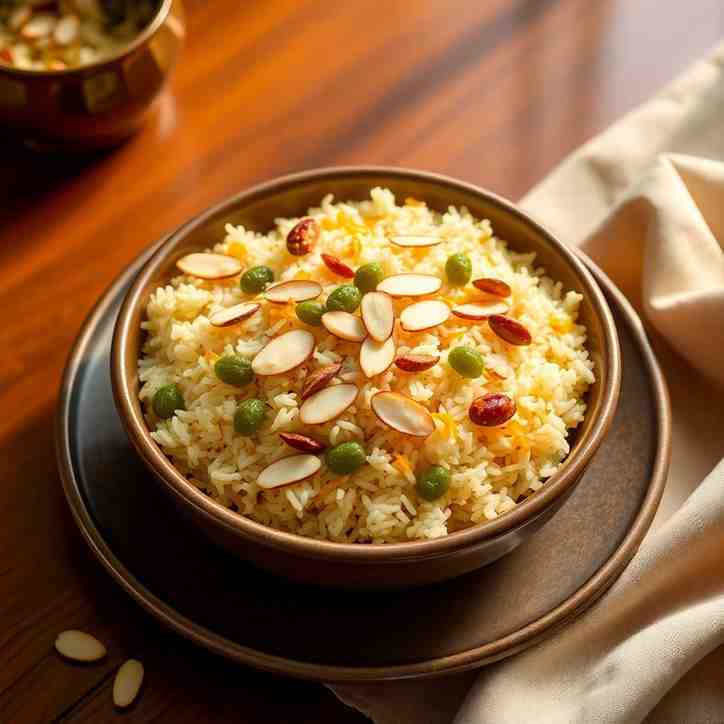
Haft Mewa Pulao Recipe Sweet Rice with Sliced Almonds
Haft Mewa Pulao Recipe Sweet Rice with Sliced Almonds

- Serves: 8 People
- Prepare Time: 30 minutes
- Cooking Time: 30-35 minut
- Calories: 450
- Difficulty: Easy
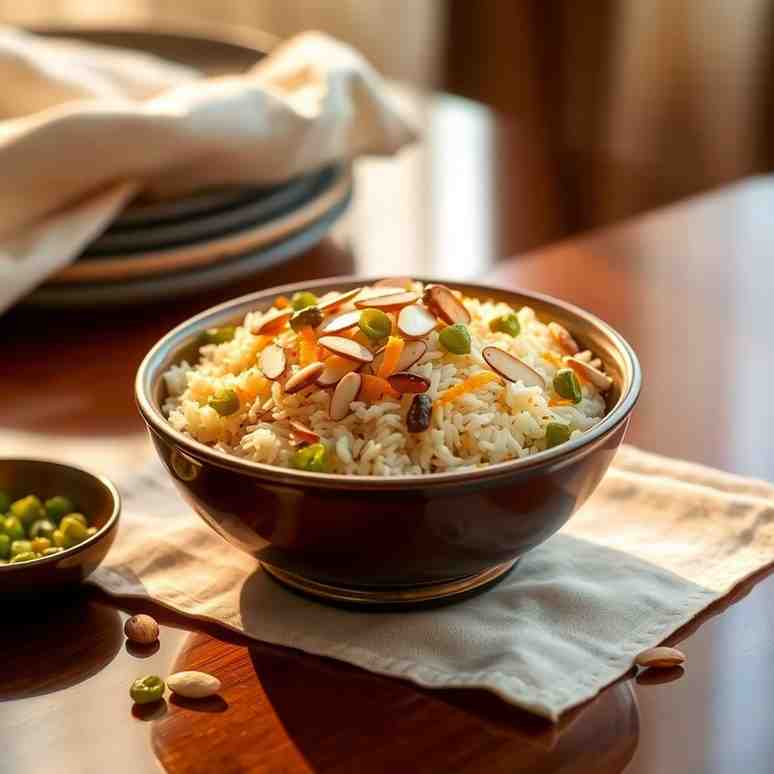
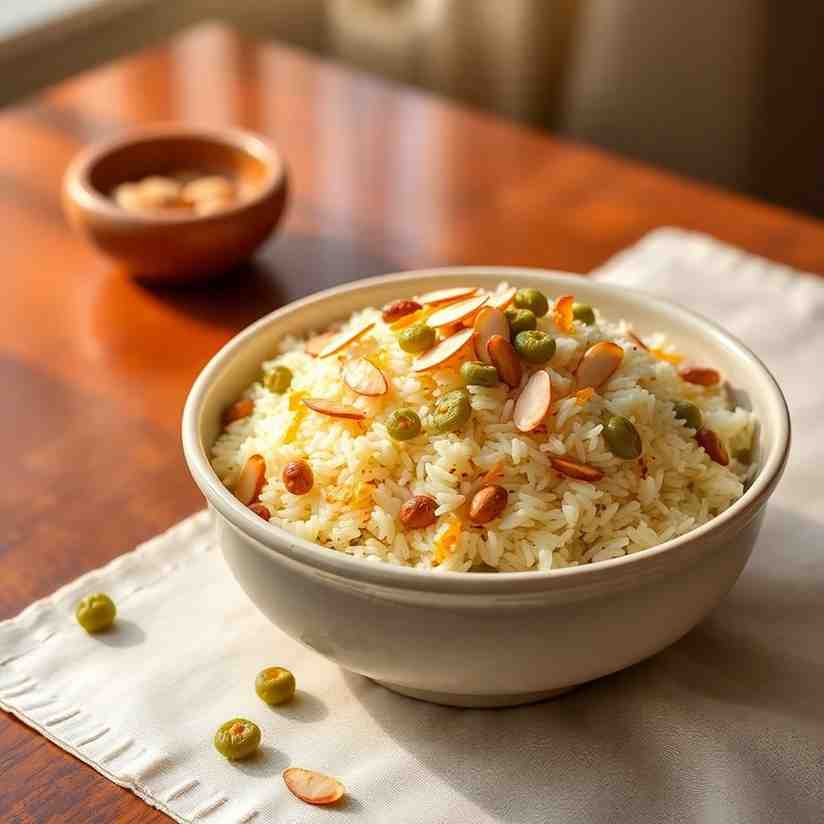
Haft Mewa, translating to "Seven Fruits," is a traditional Afghan mix of dried fruits and nuts primarily served during Nowruz, the Persian New Year. This recipe, however, takes that cherished concept and turns it into a sweet, festive rice dish known as pulao. Unlike the traditional Haft Mewa which is a cold fruit and nut salad, our Haft Mewa Pulao combines these ingredients directly into fluffy basmati rice, creating a warm, fragrant, and subtly sweet main or side dish.
How is it different from other sweet rices? While dishes like Shirin Polo (Persian sweet rice) or Kashmiri Pulao also incorporate fruits and nuts, Haft Mewa Pulao often boasts a more pronounced sweetness and a specific blend of fruits and nuts reminiscent of the traditional Haft Mewa. It’s a unique balance of savory rice tradition with a sweet, celebratory twist.
When to serve it? Haft Mewa Pulao shines brightest during Nowruz and Eid celebrations, but it's also perfect for family gatherings, special dinners, or potlucks where you want to impress. This is a rice dish with fruits and nuts, loaded with sliced almonds and roasted cashews, perfect when you want a sweet and festive rice recipe.
It’s a fantastic one-pot dish, easy enough for a weeknight but fancy enough for any celebration.
Uses a customizable Haft Mewa-style fruit and nut mix, allowing you to adapt it to your preferences.
Clear, step-by-step instructions ensure you get perfect, fluffy rice every time – no mushy or dry grains here!
Includes built-in guidance on toasting almonds and cashews to achieve that irresistible crunch and depth of flavor.
It's make-ahead friendly, and the leftovers taste absolutely delicious the next day, often even better!
Ingredients
Directions
- Toast the Nuts
- Heat the ghee (or oil) in a large, heavy-bottomed pot or Dutch oven over medium heat.
- Add the sliced almonds and cashew halves (and any optional pistachios). Stir constantly for 3-5 minutes until they turn a light golden color and become wonderfully fragrant. Be careful not to burn them – they can go from perfect to burnt quickly!
- Scoop out about two-thirds of the toasted nuts and set them aside. These will be used later for garnish, ensuring they stay crunchy. Leave the remaining one-third of the nuts in the pot for flavor within the rice.
- Bloom the Spices & Aromatics
- In the same pot with the remaining ghee and nuts, add the whole spices: bay leaves, crushed cardamom pods, cinnamon stick, and peppercorns/cloves (if using).
- Let them crackle gently for about 30 seconds to 1 minute, until they become aromatic. This "blooms" the spices, releasing their full flavor
- Build the Sweet Base
- Add the soaked, drained, and patted dry dried fruits to the pot. Toss them briefly with the ghee and spices for 1-2 minutes, allowing them to warm slightly and absorb some of the aromatic flavors.
- Stir in the sugar (or honey) and a splash of water (about ¼ cup). Let this mixture simmer gently for 2-3 minutes, stirring occasionally, until the sugar dissolves and forms a light, glossy syrup around the fruits.
- Remove the pot from the heat and stir in the rosewater or vanilla extract. Adding it now prevents the delicate aroma from cooking off completely.
- Add Rice & Water
- Gently add the soaked and thoroughly drained basmati rice to the pot, spreading it evenly over the fruit and nut mixture. Do not stir vigorously yet.
- Carefully pour in the measured hot water or vegetable stock. For basmati, a common ratio is 1:1.5 to 1:1.75 rice to water. For 2 cups of rice, this means 3 to 3.5 cups of water. Start with 3 cups and add more if needed.
- Add the salt. Gently taste the liquid (before it boils!) – it should taste slightly saltier and sweeter than you’d want the final dish, as the rice will absorb much of the flavor. Adjust salt and sugar if necessary.
- Par-Cook the Rice
- Bring the liquid to a rolling boil over medium-high heat.
- Once boiling, reduce the heat to medium-low and cook uncovered until most of the liquid is absorbed. You’ll see small craters forming on the surface of the rice. The rice grains should still be slightly undercooked and firm in the center when you test one. This usually takes about 8-12 minutes.
- Gently level the top of the rice with the back of a spoon, but avoid stirring too much, as this can break the delicate grains.
- Steam to Finish (Dum)
- Gather the reserved toasted nuts and sprinkle about half of them over the par-cooked rice.
- Cover the pot tightly. You can use its lid, or if your lid isn't tight, cover the pot with foil first, then place the lid on top. For extra seal, you can even place a clean kitchen towel between the lid and the pot.
- Reduce the heat to very low and cook for 10-15 minutes. This "dum" cooking method allows the rice to steam gently and finish cooking perfectly.
- After 10-15 minutes, turn off the heat but leave the pot covered and let it rest undisturbed for another 5-10 minutes. This final resting period is crucial for the grains to firm up and become fluffy.
- To check for doneness without disturbing the surface, gently poke a wooden spoon handle along the side of the pot to see if any liquid remains at the bottom.
- Fluff & Serve
- Carefully remove the lid and any whole spices (bay leaves, cinnamon stick, cardamom pods) you can easily spot.
- Using a fork, gently fluff the rice. Avoid using a spoon or stirring too vigorously, which can crush the grains.
- Transfer the Haft Mewa Pulao to a serving platter.
- Top generously with the remaining reserved toasted almonds and cashews, and any optional garnishes like orange zest, saffron, or edible rose petals.
- Taste and adjust sweetness if needed with a drizzle of honey or a light sprinkle of sugar. Serve warm and enjoy!
- How to Know It’s Perfect (Doneness & Texture Cues)
- Rice texture: The grains should be separate, long, and fluffy, holding their shape beautifully. They should be tender but not mushy, and definitely not chalky or undercooked in the center.
- Fruits: The dried fruits should be plump and soft, but still distinct and not disintegrating into the rice.
- Nuts: The nuts, especially the reserved ones for garnish, should still have a delightful crunch. The nuts cooked within the rice will be slightly softer but still provide texture. They should be lightly golden, never dark or bitter.
- Flavor balance: The dish should be pleasantly sweet, but not overwhelmingly so like a dessert. It should have an aromatic depth from the spices and a rich nuttiness that complements the rice, making it suitable as a festive side or a light main.
Haft Mewa Pulao Recipe Sweet Rice with Sliced Almonds
- Serves: 8 People
- Prepare Time: 30 minutes
- Cooking Time: 30-35 minut
- Calories: 450
- Difficulty: Easy
Haft Mewa, translating to "Seven Fruits," is a traditional Afghan mix of dried fruits and nuts primarily served during Nowruz, the Persian New Year. This recipe, however, takes that cherished concept and turns it into a sweet, festive rice dish known as pulao. Unlike the traditional Haft Mewa which is a cold fruit and nut salad, our Haft Mewa Pulao combines these ingredients directly into fluffy basmati rice, creating a warm, fragrant, and subtly sweet main or side dish.
How is it different from other sweet rices? While dishes like Shirin Polo (Persian sweet rice) or Kashmiri Pulao also incorporate fruits and nuts, Haft Mewa Pulao often boasts a more pronounced sweetness and a specific blend of fruits and nuts reminiscent of the traditional Haft Mewa. It’s a unique balance of savory rice tradition with a sweet, celebratory twist.
When to serve it? Haft Mewa Pulao shines brightest during Nowruz and Eid celebrations, but it's also perfect for family gatherings, special dinners, or potlucks where you want to impress. This is a rice dish with fruits and nuts, loaded with sliced almonds and roasted cashews, perfect when you want a sweet and festive rice recipe.
It’s a fantastic one-pot dish, easy enough for a weeknight but fancy enough for any celebration.
Uses a customizable Haft Mewa-style fruit and nut mix, allowing you to adapt it to your preferences.
Clear, step-by-step instructions ensure you get perfect, fluffy rice every time – no mushy or dry grains here!
Includes built-in guidance on toasting almonds and cashews to achieve that irresistible crunch and depth of flavor.
It's make-ahead friendly, and the leftovers taste absolutely delicious the next day, often even better!
Ingredients
Directions
- Toast the Nuts
- Heat the ghee (or oil) in a large, heavy-bottomed pot or Dutch oven over medium heat.
- Add the sliced almonds and cashew halves (and any optional pistachios). Stir constantly for 3-5 minutes until they turn a light golden color and become wonderfully fragrant. Be careful not to burn them – they can go from perfect to burnt quickly!
- Scoop out about two-thirds of the toasted nuts and set them aside. These will be used later for garnish, ensuring they stay crunchy. Leave the remaining one-third of the nuts in the pot for flavor within the rice.
- Bloom the Spices & Aromatics
- In the same pot with the remaining ghee and nuts, add the whole spices: bay leaves, crushed cardamom pods, cinnamon stick, and peppercorns/cloves (if using).
- Let them crackle gently for about 30 seconds to 1 minute, until they become aromatic. This "blooms" the spices, releasing their full flavor
- Build the Sweet Base
- Add the soaked, drained, and patted dry dried fruits to the pot. Toss them briefly with the ghee and spices for 1-2 minutes, allowing them to warm slightly and absorb some of the aromatic flavors.
- Stir in the sugar (or honey) and a splash of water (about ¼ cup). Let this mixture simmer gently for 2-3 minutes, stirring occasionally, until the sugar dissolves and forms a light, glossy syrup around the fruits.
- Remove the pot from the heat and stir in the rosewater or vanilla extract. Adding it now prevents the delicate aroma from cooking off completely.
- Add Rice & Water
- Gently add the soaked and thoroughly drained basmati rice to the pot, spreading it evenly over the fruit and nut mixture. Do not stir vigorously yet.
- Carefully pour in the measured hot water or vegetable stock. For basmati, a common ratio is 1:1.5 to 1:1.75 rice to water. For 2 cups of rice, this means 3 to 3.5 cups of water. Start with 3 cups and add more if needed.
- Add the salt. Gently taste the liquid (before it boils!) – it should taste slightly saltier and sweeter than you’d want the final dish, as the rice will absorb much of the flavor. Adjust salt and sugar if necessary.
- Par-Cook the Rice
- Bring the liquid to a rolling boil over medium-high heat.
- Once boiling, reduce the heat to medium-low and cook uncovered until most of the liquid is absorbed. You’ll see small craters forming on the surface of the rice. The rice grains should still be slightly undercooked and firm in the center when you test one. This usually takes about 8-12 minutes.
- Gently level the top of the rice with the back of a spoon, but avoid stirring too much, as this can break the delicate grains.
- Steam to Finish (Dum)
- Gather the reserved toasted nuts and sprinkle about half of them over the par-cooked rice.
- Cover the pot tightly. You can use its lid, or if your lid isn't tight, cover the pot with foil first, then place the lid on top. For extra seal, you can even place a clean kitchen towel between the lid and the pot.
- Reduce the heat to very low and cook for 10-15 minutes. This "dum" cooking method allows the rice to steam gently and finish cooking perfectly.
- After 10-15 minutes, turn off the heat but leave the pot covered and let it rest undisturbed for another 5-10 minutes. This final resting period is crucial for the grains to firm up and become fluffy.
- To check for doneness without disturbing the surface, gently poke a wooden spoon handle along the side of the pot to see if any liquid remains at the bottom.
- Fluff & Serve
- Carefully remove the lid and any whole spices (bay leaves, cinnamon stick, cardamom pods) you can easily spot.
- Using a fork, gently fluff the rice. Avoid using a spoon or stirring too vigorously, which can crush the grains.
- Transfer the Haft Mewa Pulao to a serving platter.
- Top generously with the remaining reserved toasted almonds and cashews, and any optional garnishes like orange zest, saffron, or edible rose petals.
- Taste and adjust sweetness if needed with a drizzle of honey or a light sprinkle of sugar. Serve warm and enjoy!
- How to Know It’s Perfect (Doneness & Texture Cues)
- Rice texture: The grains should be separate, long, and fluffy, holding their shape beautifully. They should be tender but not mushy, and definitely not chalky or undercooked in the center.
- Fruits: The dried fruits should be plump and soft, but still distinct and not disintegrating into the rice.
- Nuts: The nuts, especially the reserved ones for garnish, should still have a delightful crunch. The nuts cooked within the rice will be slightly softer but still provide texture. They should be lightly golden, never dark or bitter.
- Flavor balance: The dish should be pleasantly sweet, but not overwhelmingly so like a dessert. It should have an aromatic depth from the spices and a rich nuttiness that complements the rice, making it suitable as a festive side or a light main.
The following nutritional values are per serving (one piece of cake) Calories 350-450 kcal Carbohydrates 60-80g Protein 6-9g Fat 10-15g Making Haft Mewa Pulao is a joyful experience, but sometimes we're short on time. Here are a few recommendations to help you get this delicious dish on the table faster, without compromising on flavor! Problem: Soaking and peeling nuts can take a lot of time. Problem: Cooking rice perfectly on the stovetop can be tricky, especially when juggling other ingredients. Problem: Chopping dried fruits can be sticky and time-consuming. Click any ingredient for detailed nutritional information:Recipe Nutritional Values
Additional Information
Recipe Success Tips
Ingredient Substitutions & Variations
Cultural Variations
Make-Ahead & Storage Instructions
Frequently Asked Questions
Recommended Kitchen Tools
pre-sliced or blanched almonds
Agitate: Who wants to spend precious minutes peeling fiddly almond skins when you could be enjoying your evening?
Solution: Opt for pre-sliced or blanched almonds and pre-halved cashews. Many stores also carry pre-roasted nuts, though toasting them fresh in ghee really boosts the flavor!good quality rice cooker
Agitate: Mushy or undercooked rice can ruin the texture of your beautiful pulao, and nobody wants to be hovering over a pot.
Solution: A good quality rice cooker can take the guesswork out of cooking rice. Just rinse, add your measured water, and let it do its magic while you prep your fruits and spices.kitchen shears
Agitate: Dealing with sticky raisins and apricots can slow down your prep and make your hands messy.
Solution: Use kitchen shears for easily dicing dried apricots and dates. For smaller fruits like raisins, buy them pre-chopped if available, or just give them a quick rinse and they're good to go.Calories per Ingredient
You may also like

Hey there! I’m just someone who seriously loves good food and believes that cooking doesn’t have to be complicated to be amazing. Whether it’s a quick weeknight dinner or a cozy weekend meal, I’m all about sharing easy, tasty recipes that actually work.