
Healthy Hand-Torn Noodle Soup & African Food Recipes
Healthy Hand-Torn Noodle Soup & African Food Recipes


- Serves: 4 People
- Prepare Time: 30 minutes
- Cooking Time: 40 minutes
- Calories: -
- Difficulty: Medium
Looking for authentic, healthy home cooked recipes that bring warmth and comfort to your table? While our culinary journey often explores diverse global flavors, including vibrant african food recipes, today we’re diving into a beloved Korean classic: Sujebi! This cozy hand-torn noodle soup is the ultimate comfort food, perfect for cold nights, rainy days, or any time you crave a heartwarming, savory bowl. Imagine tender, chewy noodle flakes, soft potatoes, and fresh vegetables swimming in a rich, umami-packed broth. Sujebi is simple to make but incredibly satisfying, offering a delightful texture and a light, savory flavor profile. Originally a special occasion dish, it transformed into an everyday staple after the Korean War, becoming a symbol of humble, shared comfort. Forget knife-cut noodles; the charm of Sujebi lies in its uniquely irregular, hand-torn dough pieces that make every spoonful a delightful surprise. Get ready to discover a delicious, healthy meal that’s perfect for the whole family!
Ingredients
Directions
- Make the Dough In a large bowl, combine the all-purpose flour, salt, and neutral oil. Gradually add the water, mixing with your hands until a rough, shaggy dough forms. Transfer the dough to a clean surface and knead for about 5-7 minutes until it becomes smooth, elastic, and feels like soft pizza dough. It should bounce back slightly when pressed. Shape the dough into a ball, wrap it tightly in plastic wrap, and let it rest in the refrigerator for at least 30 minutes, and up to 2 hours. This resting period relaxes the gluten, making the dough much easier to stretch and tear.
- Build the Anchovy-Kelp Broth In a large pot, combine the 10-12 cups of water, dried anchovies, and dried kelp. Bring it to a gentle simmer over medium heat. Do not bring it to a rolling boil, as this can make the broth cloudy or bitter. Let it simmer gently for 20-30 minutes until the broth tastes rich and savory. Carefully strain the broth into a clean pot, discarding the anchovies. You can optionally reserve the kelp to dice finely and add back to the soup for extra nutrients, or use it for a quick side dish. Season the strained broth lightly with 1 tablespoon of Korean soup soy sauce and a pinch of salt, remembering that the final salt adjustment will happen later.
- Prep the Vegetables While the broth is simmering, prepare your vegetables. Peel and cut the potatoes into small, bite-sized chunks or thin slices for quicker cooking. Thinly slice the onion and zucchini. Julienne or thinly slice the carrot. Mince the garlic cloves, and slice the green onions for garnish and adding to the soup.
- Cook the Vegetables Add the prepared potato chunks and sliced onion to the simmering broth. Cook until the potatoes are just tender, which usually takes about 10-15 minutes, depending on their size. Closer to the end of the cooking process, add the sliced carrot and zucchini, allowing them to cook just until tender-crisp, ensuring they don’t become mushy.
- Tear and Cook the Noodles Set a small bowl of cold water near your stove. Take the rested dough out of the fridge. Hold a portion of the dough in one hand. Dip the fingers of your other hand into the cold water, then use your wet fingers to pinch and stretch thin, flat pieces of dough, about 1-1.5 inches long. The goal is to make them as thin as possible without tearing completely. Drop each torn piece directly into the gently boiling broth. Repeat this process until all the dough is used. Stir the soup occasionally to prevent the dough pieces from sticking to each other or to the bottom of the pot.
- Finish and Season Once all the noodle pieces are in the soup, add the minced garlic, most of the sliced green onions (reserve some for garnish), and any optional sliced mild chili. Continue to simmer until the noodle pieces float to the surface and look slightly translucent around the edges, indicating they are cooked through and chewy. Taste the soup and adjust the seasoning as needed with more Korean soup soy sauce or salt. Just before serving, drizzle in a teaspoon of sesame oil for an extra layer of aroma and flavor.
- Serve Ladle the hot Sujebi into warm bowls. Garnish with the remaining sliced green onions. For an authentic Korean experience, serve with a small side dish of fresh kimchi. Enjoy this comforting, delicious, and healthy meal!
Healthy Hand-Torn Noodle Soup & African Food Recipes
- Serves: 4 People
- Prepare Time: 30 minutes
- Cooking Time: 40 minutes
- Calories: -
- Difficulty: Medium
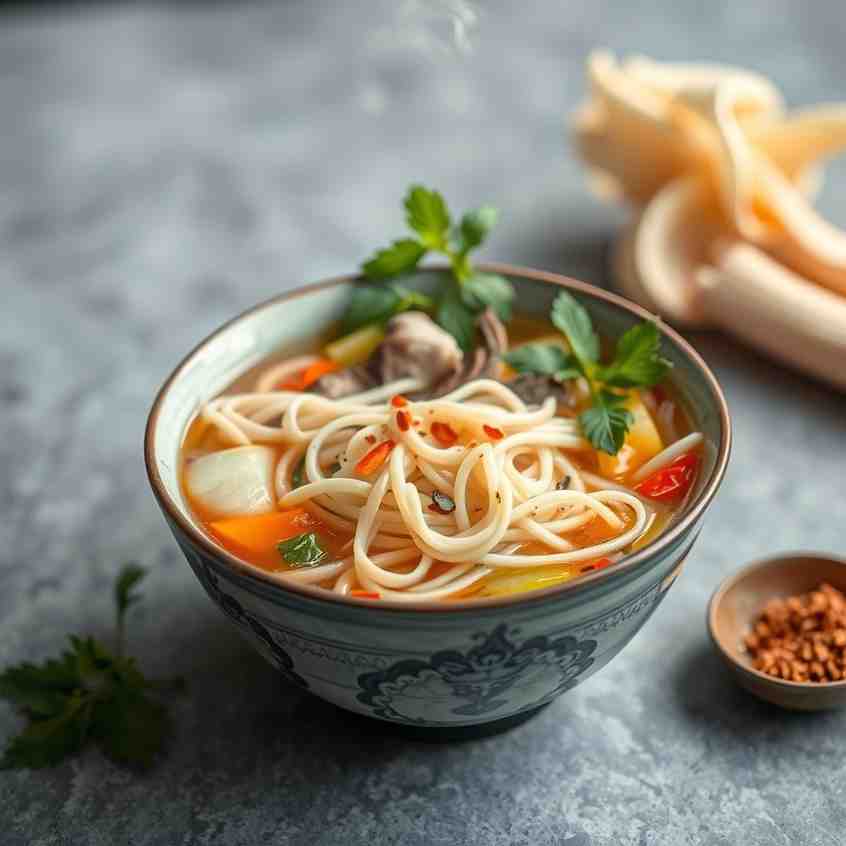
Looking for authentic, healthy home cooked recipes that bring warmth and comfort to your table? While our culinary journey often explores diverse global flavors, including vibrant african food recipes, today we’re diving into a beloved Korean classic: Sujebi! This cozy hand-torn noodle soup is the ultimate comfort food, perfect for cold nights, rainy days, or any time you crave a heartwarming, savory bowl. Imagine tender, chewy noodle flakes, soft potatoes, and fresh vegetables swimming in a rich, umami-packed broth. Sujebi is simple to make but incredibly satisfying, offering a delightful texture and a light, savory flavor profile. Originally a special occasion dish, it transformed into an everyday staple after the Korean War, becoming a symbol of humble, shared comfort. Forget knife-cut noodles; the charm of Sujebi lies in its uniquely irregular, hand-torn dough pieces that make every spoonful a delightful surprise. Get ready to discover a delicious, healthy meal that’s perfect for the whole family!
Ingredients
Directions
- Make the Dough In a large bowl, combine the all-purpose flour, salt, and neutral oil. Gradually add the water, mixing with your hands until a rough, shaggy dough forms. Transfer the dough to a clean surface and knead for about 5-7 minutes until it becomes smooth, elastic, and feels like soft pizza dough. It should bounce back slightly when pressed. Shape the dough into a ball, wrap it tightly in plastic wrap, and let it rest in the refrigerator for at least 30 minutes, and up to 2 hours. This resting period relaxes the gluten, making the dough much easier to stretch and tear.
- Build the Anchovy-Kelp Broth In a large pot, combine the 10-12 cups of water, dried anchovies, and dried kelp. Bring it to a gentle simmer over medium heat. Do not bring it to a rolling boil, as this can make the broth cloudy or bitter. Let it simmer gently for 20-30 minutes until the broth tastes rich and savory. Carefully strain the broth into a clean pot, discarding the anchovies. You can optionally reserve the kelp to dice finely and add back to the soup for extra nutrients, or use it for a quick side dish. Season the strained broth lightly with 1 tablespoon of Korean soup soy sauce and a pinch of salt, remembering that the final salt adjustment will happen later.
- Prep the Vegetables While the broth is simmering, prepare your vegetables. Peel and cut the potatoes into small, bite-sized chunks or thin slices for quicker cooking. Thinly slice the onion and zucchini. Julienne or thinly slice the carrot. Mince the garlic cloves, and slice the green onions for garnish and adding to the soup.
- Cook the Vegetables Add the prepared potato chunks and sliced onion to the simmering broth. Cook until the potatoes are just tender, which usually takes about 10-15 minutes, depending on their size. Closer to the end of the cooking process, add the sliced carrot and zucchini, allowing them to cook just until tender-crisp, ensuring they don’t become mushy.
- Tear and Cook the Noodles Set a small bowl of cold water near your stove. Take the rested dough out of the fridge. Hold a portion of the dough in one hand. Dip the fingers of your other hand into the cold water, then use your wet fingers to pinch and stretch thin, flat pieces of dough, about 1-1.5 inches long. The goal is to make them as thin as possible without tearing completely. Drop each torn piece directly into the gently boiling broth. Repeat this process until all the dough is used. Stir the soup occasionally to prevent the dough pieces from sticking to each other or to the bottom of the pot.
- Finish and Season Once all the noodle pieces are in the soup, add the minced garlic, most of the sliced green onions (reserve some for garnish), and any optional sliced mild chili. Continue to simmer until the noodle pieces float to the surface and look slightly translucent around the edges, indicating they are cooked through and chewy. Taste the soup and adjust the seasoning as needed with more Korean soup soy sauce or salt. Just before serving, drizzle in a teaspoon of sesame oil for an extra layer of aroma and flavor.
- Serve Ladle the hot Sujebi into warm bowls. Garnish with the remaining sliced green onions. For an authentic Korean experience, serve with a small side dish of fresh kimchi. Enjoy this comforting, delicious, and healthy meal!
You may also like




Hey there! I’m just someone who seriously loves good food and believes that cooking doesn’t have to be complicated to be amazing. Whether it’s a quick weeknight dinner or a cozy weekend meal, I’m all about sharing easy, tasty recipes that actually work.