
Home Made Beef Stew Recipe
Home Made Beef Stew Recipe
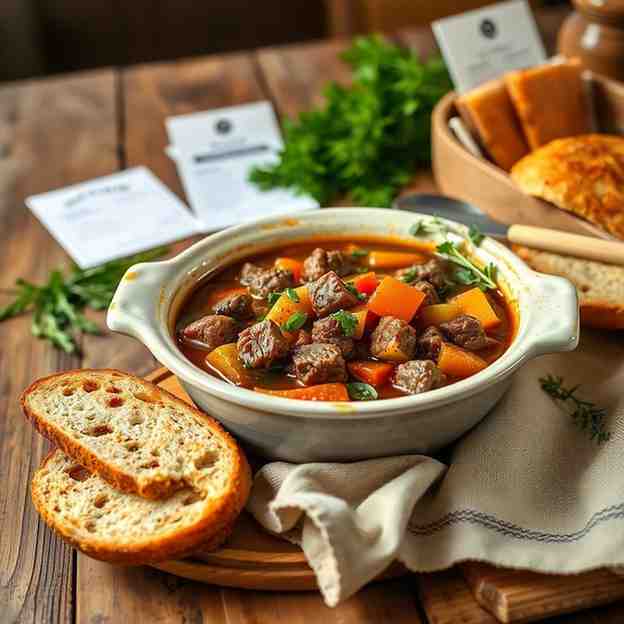
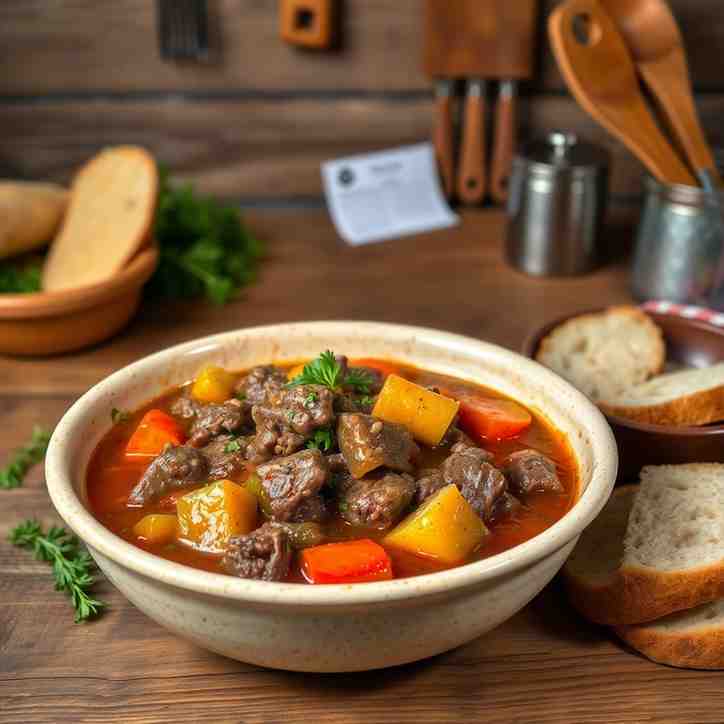
- Serves: 4 People
- Prepare Time: 25 minutes
- Cooking Time: 1 hour 30 m
- Calories: -
- Difficulty: Medium
Craving a hearty, comforting meal that tells a story? Look no further than this home made beef stew recipe straight from the vibrant kitchens of Benin, West Africa! While you might be familiar with various homemade stew recipe traditions, this Authentic Beninese Beef and Vegetable Stew offers a unique blend of flavors that's both deeply satisfying and surprisingly straightforward to master. It’s a fantastic beef vegetable soup recipe easy enough for weeknight dinners but special enough to impress guests. Get ready to dive into a truly delicious one pot stew that brings warmth and a taste of tradition right to your table. We’ll guide you through creating a rich, savory, and incredibly tender stew that’s bound to become a new family favorite.
Ingredients
Directions
- Prep the Beef and Veggies: Pat the beef cubes dry with paper towels. Season generously with salt and black pepper. Dice all your vegetables as specified in the ingredients list, ensuring they are roughly uniform in size for even cooking.
- Sauté the Beef: Heat the vegetable oil in a large, heavy-bottomed pot or Dutch oven over medium-high heat. Add the seasoned beef in batches, ensuring not to overcrowd the pot. Sear until deeply browned on all sides, about 3-4 minutes per batch. Browning is key for developing rich flavor! Remove the browned beef and set aside.
- Build the Flavor Base: Reduce the heat to medium. Add the chopped onion to the pot and cook until softened and translucent, about 5-7 minutes. Stir in the minced garlic and grated ginger, cooking for another minute until fragrant.
- Add Vegetables and Seasonings: Add the diced red bell pepper, carrots, and potatoes to the pot. Cook for about 5 minutes, stirring occasionally, allowing them to soften slightly. Stir in the tomato paste, dried thyme, curry powder (if using), and cayenne pepper. Cook for 1-2 minutes, stirring constantly, to toast the spices and deepen their flavor.
- Simmer to Perfection: Return the browned beef to the pot. Pour in the canned diced tomatoes (with their juice) and the beef broth or water. Stir everything together, scraping up any browned bits from the bottom of the pot. Bring the mixture to a boil, then reduce the heat to low, cover the pot, and let it simmer gently for 1 hour 30 minutes to 2 hours, or until the beef is fork-tender.
- Check and Adjust: After simmering, check the consistency of the stew. If it's too thick, add a little more broth or water. If it's too thin, you can uncover the pot and simmer for an additional 15-20 minutes to allow it to reduce slightly. Taste and adjust the seasoning with more salt and pepper as needed.
- Serve: Ladle the hot stew into bowls. Garnish with fresh chopped parsley and serve immediately with rice, fufu, or crusty bread for dipping. Enjoy your delicious vegetable soup recipe!
Home Made Beef Stew Recipe
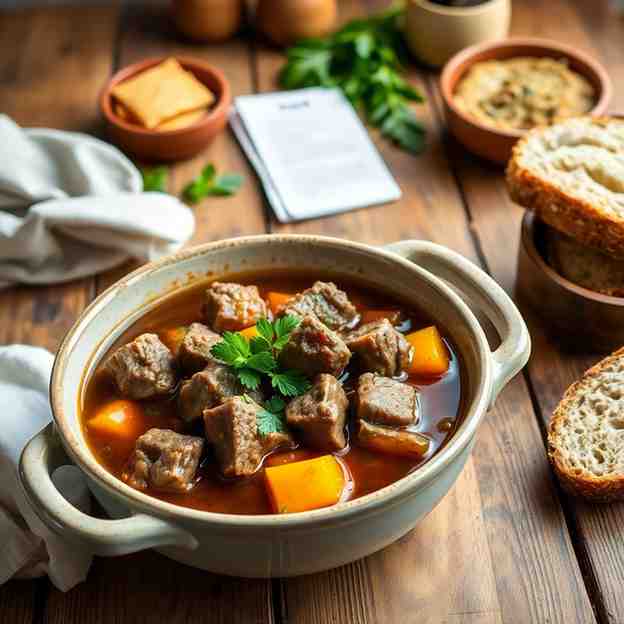
- Serves: 4 People
- Prepare Time: 25 minutes
- Cooking Time: 1 hour 30 m
- Calories: -
- Difficulty: Medium
Craving a hearty, comforting meal that tells a story? Look no further than this home made beef stew recipe straight from the vibrant kitchens of Benin, West Africa! While you might be familiar with various homemade stew recipe traditions, this Authentic Beninese Beef and Vegetable Stew offers a unique blend of flavors that's both deeply satisfying and surprisingly straightforward to master. It’s a fantastic beef vegetable soup recipe easy enough for weeknight dinners but special enough to impress guests. Get ready to dive into a truly delicious one pot stew that brings warmth and a taste of tradition right to your table. We’ll guide you through creating a rich, savory, and incredibly tender stew that’s bound to become a new family favorite.
Ingredients
Directions
- Prep the Beef and Veggies: Pat the beef cubes dry with paper towels. Season generously with salt and black pepper. Dice all your vegetables as specified in the ingredients list, ensuring they are roughly uniform in size for even cooking.
- Sauté the Beef: Heat the vegetable oil in a large, heavy-bottomed pot or Dutch oven over medium-high heat. Add the seasoned beef in batches, ensuring not to overcrowd the pot. Sear until deeply browned on all sides, about 3-4 minutes per batch. Browning is key for developing rich flavor! Remove the browned beef and set aside.
- Build the Flavor Base: Reduce the heat to medium. Add the chopped onion to the pot and cook until softened and translucent, about 5-7 minutes. Stir in the minced garlic and grated ginger, cooking for another minute until fragrant.
- Add Vegetables and Seasonings: Add the diced red bell pepper, carrots, and potatoes to the pot. Cook for about 5 minutes, stirring occasionally, allowing them to soften slightly. Stir in the tomato paste, dried thyme, curry powder (if using), and cayenne pepper. Cook for 1-2 minutes, stirring constantly, to toast the spices and deepen their flavor.
- Simmer to Perfection: Return the browned beef to the pot. Pour in the canned diced tomatoes (with their juice) and the beef broth or water. Stir everything together, scraping up any browned bits from the bottom of the pot. Bring the mixture to a boil, then reduce the heat to low, cover the pot, and let it simmer gently for 1 hour 30 minutes to 2 hours, or until the beef is fork-tender.
- Check and Adjust: After simmering, check the consistency of the stew. If it's too thick, add a little more broth or water. If it's too thin, you can uncover the pot and simmer for an additional 15-20 minutes to allow it to reduce slightly. Taste and adjust the seasoning with more salt and pepper as needed.
- Serve: Ladle the hot stew into bowls. Garnish with fresh chopped parsley and serve immediately with rice, fufu, or crusty bread for dipping. Enjoy your delicious vegetable soup recipe!
The following nutritional values are per serving (one piece of cake) Calories 350-400 kcal Carbohydrates 25-30g Protein 30-35g Fat 15-20g Time-Saving Tools & Ingredients Making a delicious beef and vegetable stew doesn't have to be an all-day affair! Here are a few recommendations to help you get this comforting meal on the table faster. Problem: Traditional stew recipes often require hours of simmering to get that perfect tender beef. Problem: Chopping all those vegetables can feel like the most time-consuming part of stew prep. Problem: The initial chopping of onions, carrots, and celery (the "mirepoix") is often the longest step. Click any ingredient for detailed nutritional information:Recipe Nutritional Values
Additional Information
Recipe Success Tips
Ingredient Substitutions & Variations
Cultural Variations
Make-Ahead & Storage Instructions
Frequently Asked Questions
Recommended Kitchen Tools
Instant Pot or Pressure Cooker
Agitate: Who has that kind of time on a busy weeknight? Waiting for hours can put a damper on your dinner plans.
Solution: An Instant Pot or pressure cooker dramatically cuts down on cooking time, transforming tough stew meat into fork-tender perfection in a fraction of the time. It’s a game-changer for speed and convenience!High-Quality Chef's Knife
Agitate: A dull or flimsy knife makes the task slow, frustrating, and even a bit dangerous.
Solution: Investing in a sharp, well-balanced chef's knife makes quick work of dicing onions, slicing carrots, and cubing potatoes, turning prep into a breeze rather than a chore.Pre-Chopped Vegetables (Mirepoix)
Agitate: Standing at the cutting board for what feels like ages can zap your cooking enthusiasm before you even start.
Solution: Many grocery stores offer pre-chopped mirepoix or other mixed vegetables in the produce section. Grabbing a bag saves you valuable prep time, letting you jump straight into the cooking!Calories per Ingredient
You may also like




Hey there! I’m just someone who seriously loves good food and believes that cooking doesn’t have to be complicated to be amazing. Whether it’s a quick weeknight dinner or a cozy weekend meal, I’m all about sharing easy, tasty recipes that actually work.