Lebanese Kishk Your Yogurt Cheese Recipe
Lebanese Kishk Your Yogurt Cheese Recipe

- Serves: 4 People
- Prepare Time: 30 minutes
- Cooking Time: 10-17 days
- Calories: 80
- Difficulty: Medium
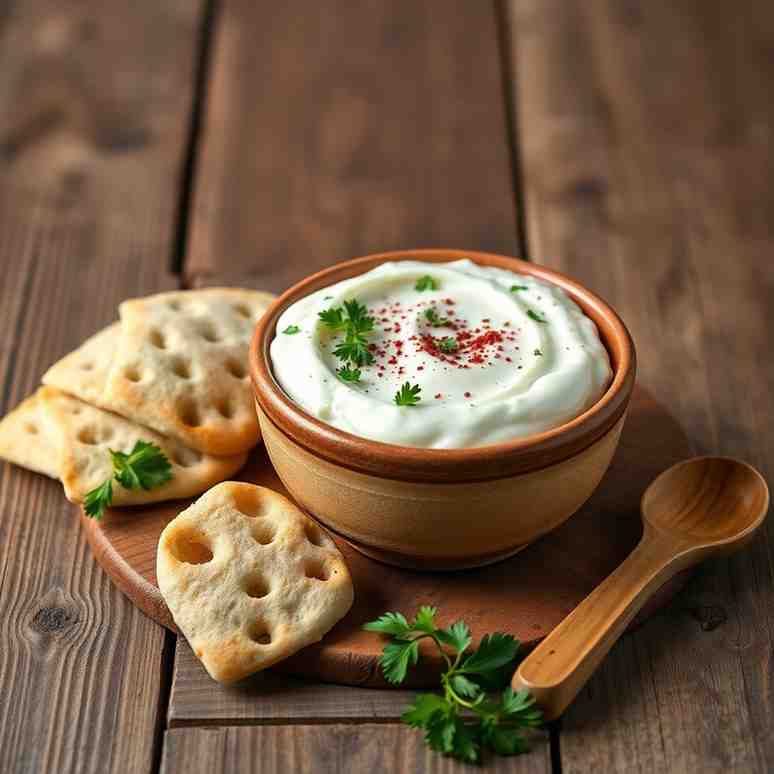
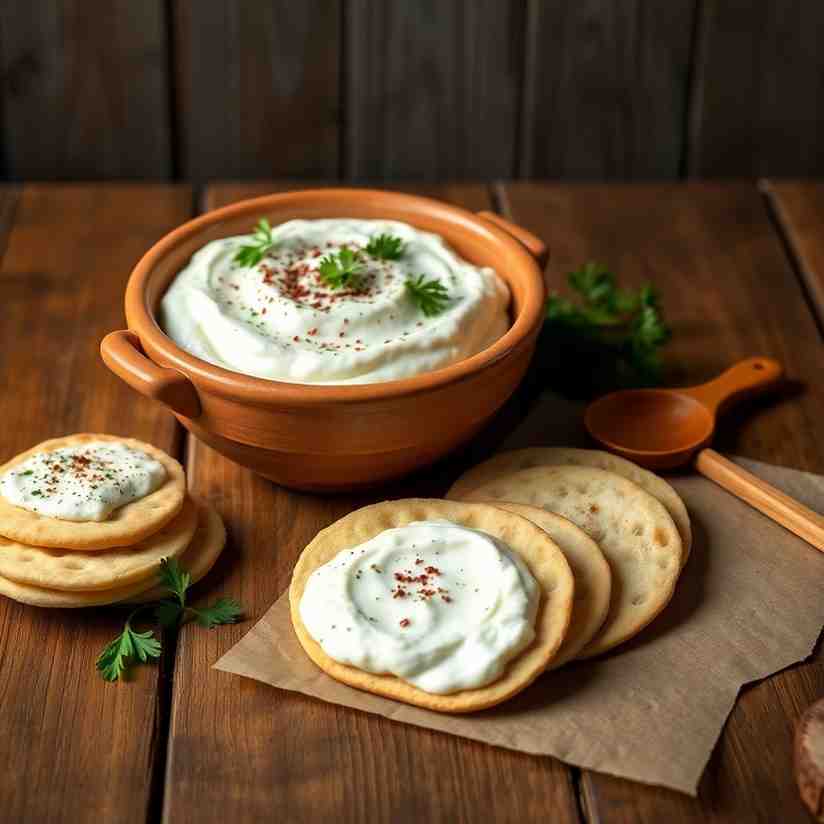
Ever dreamed of making your own cheese, but without the complicated rennet and fancy equipment? Get ready to dive into the wonderful world of homemade yogurt cheese with this definitive guide to Lebanese Kishk! This isn't just any curd cheese recipe; it's a centuries-old tradition, transforming simple ingredients into a unique, tangy, and versatile fermented dairy product.
Kishk (pronounced "kish-k") is a staple in Middle Eastern cuisine, a dried powder made from fermented yogurt and bulgur wheat. It offers a delightful, cheesy tang that's perfect for soups, stews, dips, or even sprinkled over your favorite dishes. Forget about bland fresh cheese recipes – this is a flavor explosion waiting to happen! Whether you’re a beginner curious about cheese making recipes or an experienced fermenter looking to expand your repertoire, you're about to learn how to master this traditional home cheese recipe. We'll cover everything from choosing the right ingredients to ensuring a safe fermentation, drying your masterpiece, and making your own tangy, shelf-stable "cheese" right at home. Let's get started on your make your own cheese adventure!
Ingredients
Directions
- Day 1 – Mix the Base
- In a large, non-reactive bowl or food-safe bucket, combine the bulgur wheat and yogurt. If your yogurt is very thick, add the optional milk to achieve a consistency where the bulgur is fully moistened and easily stirred.
- Mix everything thoroughly until the bulgur is completely saturated and no dry spots remain.
- Cover the bowl with a clean kitchen towel or a breathable lid (like cheesecloth secured with an elastic band) to allow airflow while keeping out dust and insects.
- Note the consistency of the mixture and the room temperature. Place the bowl in a spot where it won't be disturbed, ideally at a consistent room temperature (around 68-75°F / 20-24°C).
- Days 2–4 – Daily Mixing & Hydration
- Once or twice a day, give the mixture a good stir or even a light knead with clean hands. This helps the yogurt absorb into the bulgur evenly and encourages fermentation.
- If the mixture appears dry or too stiff, add a spoonful of yogurt (or milk) to rehydrate it slightly. It should remain moist and pliable.
- By Day 4, you might start noticing a subtle sour smell and a slight thickening of the mixture.
- Days 5–9 (or up to 10) – Active Fermentation
- Continue stirring or kneading the kishk mixture daily. You’ll notice the flavor deepening and becoming tangier, more "cheesy," and slightly yeasty. You might even see small bubbles, which are a good sign of active fermentation.
- Taste a tiny bit each day (using a clean spoon) to monitor the sourness.
- Adjust the environment if needed: if fermentation seems slow, move it to a slightly warmer spot; if it's too fast, a cooler spot can slow it down.
- You can stop fermentation between 8-10 days, or even a bit earlier or later, depending on your preferred level of tanginess.
- Day 9 or 10 – Salting
- Once your kishk has reached your desired sourness, stir in the measured salt thoroughly. This is crucial for flavor and preservation.
- Allow the mixture to rest for at least 30 minutes so the salt can dissolve and distribute evenly. If using optional flavor add-ins like minced garlic or chili flakes, stir them in now.
- Drying the Kishk
- Prepare your drying surface: line baking sheets or large trays with parchment paper or a clean, breathable cloth.
- Take small clumps of the kishk mixture and spread them out thinly on the prepared trays. Aim for small, irregular pieces rather than one thick layer. This allows for even drying.
- Sun-Drying Option: Place the trays in a well-ventilated, sunny area, ideally outdoors. Protect them from insects using a screen or mesh. This can take several days to a week, depending on humidity and sun intensity. You’ll need to periodically crumble, rub, and turn the pieces to expose all sides to the air and sun. Bring them indoors at night or if rain is expected.
Low-Oven Option: Preheat your oven to its lowest setting (approx. 150°F / 65-70°C). Place the trays in the oven, leaving the oven door slightly ajar to allow moisture to escape. This can take 6-12 hours or more. Rotate the trays occasionally and crumble the pieces to speed up drying.
- Final Dryness Test: The kishk pieces must be bone-dry, hard, and brittle to the touch, with no softness or moisture when pressed. Any remaining moisture can lead to spoilage.
- Grinding & Storing
- Once completely dry, transfer the hard kishk pieces to a blender or food processor.
- Grind to your desired fineness: a coarse, parmesan-like crumb, or a fine powder.
- Store the finished kishk powder in airtight jars in a cool, dark place. If thoroughly dried, it can last for many months, even years, similar to dried pasta.
Lebanese Kishk Your Yogurt Cheese Recipe

- Serves: 4 People
- Prepare Time: 30 minutes
- Cooking Time: 10-17 days
- Calories: 80
- Difficulty: Medium
Ever dreamed of making your own cheese, but without the complicated rennet and fancy equipment? Get ready to dive into the wonderful world of homemade yogurt cheese with this definitive guide to Lebanese Kishk! This isn't just any curd cheese recipe; it's a centuries-old tradition, transforming simple ingredients into a unique, tangy, and versatile fermented dairy product.
Kishk (pronounced "kish-k") is a staple in Middle Eastern cuisine, a dried powder made from fermented yogurt and bulgur wheat. It offers a delightful, cheesy tang that's perfect for soups, stews, dips, or even sprinkled over your favorite dishes. Forget about bland fresh cheese recipes – this is a flavor explosion waiting to happen! Whether you’re a beginner curious about cheese making recipes or an experienced fermenter looking to expand your repertoire, you're about to learn how to master this traditional home cheese recipe. We'll cover everything from choosing the right ingredients to ensuring a safe fermentation, drying your masterpiece, and making your own tangy, shelf-stable "cheese" right at home. Let's get started on your make your own cheese adventure!
Ingredients
Directions
- Day 1 – Mix the Base
- In a large, non-reactive bowl or food-safe bucket, combine the bulgur wheat and yogurt. If your yogurt is very thick, add the optional milk to achieve a consistency where the bulgur is fully moistened and easily stirred.
- Mix everything thoroughly until the bulgur is completely saturated and no dry spots remain.
- Cover the bowl with a clean kitchen towel or a breathable lid (like cheesecloth secured with an elastic band) to allow airflow while keeping out dust and insects.
- Note the consistency of the mixture and the room temperature. Place the bowl in a spot where it won't be disturbed, ideally at a consistent room temperature (around 68-75°F / 20-24°C).
- Days 2–4 – Daily Mixing & Hydration
- Once or twice a day, give the mixture a good stir or even a light knead with clean hands. This helps the yogurt absorb into the bulgur evenly and encourages fermentation.
- If the mixture appears dry or too stiff, add a spoonful of yogurt (or milk) to rehydrate it slightly. It should remain moist and pliable.
- By Day 4, you might start noticing a subtle sour smell and a slight thickening of the mixture.
- Days 5–9 (or up to 10) – Active Fermentation
- Continue stirring or kneading the kishk mixture daily. You’ll notice the flavor deepening and becoming tangier, more "cheesy," and slightly yeasty. You might even see small bubbles, which are a good sign of active fermentation.
- Taste a tiny bit each day (using a clean spoon) to monitor the sourness.
- Adjust the environment if needed: if fermentation seems slow, move it to a slightly warmer spot; if it's too fast, a cooler spot can slow it down.
- You can stop fermentation between 8-10 days, or even a bit earlier or later, depending on your preferred level of tanginess.
- Day 9 or 10 – Salting
- Once your kishk has reached your desired sourness, stir in the measured salt thoroughly. This is crucial for flavor and preservation.
- Allow the mixture to rest for at least 30 minutes so the salt can dissolve and distribute evenly. If using optional flavor add-ins like minced garlic or chili flakes, stir them in now.
- Drying the Kishk
- Prepare your drying surface: line baking sheets or large trays with parchment paper or a clean, breathable cloth.
- Take small clumps of the kishk mixture and spread them out thinly on the prepared trays. Aim for small, irregular pieces rather than one thick layer. This allows for even drying.
- Sun-Drying Option: Place the trays in a well-ventilated, sunny area, ideally outdoors. Protect them from insects using a screen or mesh. This can take several days to a week, depending on humidity and sun intensity. You’ll need to periodically crumble, rub, and turn the pieces to expose all sides to the air and sun. Bring them indoors at night or if rain is expected.
Low-Oven Option: Preheat your oven to its lowest setting (approx. 150°F / 65-70°C). Place the trays in the oven, leaving the oven door slightly ajar to allow moisture to escape. This can take 6-12 hours or more. Rotate the trays occasionally and crumble the pieces to speed up drying.
- Final Dryness Test: The kishk pieces must be bone-dry, hard, and brittle to the touch, with no softness or moisture when pressed. Any remaining moisture can lead to spoilage.
- Grinding & Storing
- Once completely dry, transfer the hard kishk pieces to a blender or food processor.
- Grind to your desired fineness: a coarse, parmesan-like crumb, or a fine powder.
- Store the finished kishk powder in airtight jars in a cool, dark place. If thoroughly dried, it can last for many months, even years, similar to dried pasta.
The following nutritional values are per serving (one piece of cake) Calories 60-80 kcal Carbohydrates 10-15g Protein 3-5g Fat 1-2g Tools and ingredients that can help you cook more easily and consistently. Problem: After days of careful fermentation and drying, your kishk will be rock-hard. Grinding it by hand is impossible, and a weak blender will leave you with chunky bits instead of a fine, uniform powder. Problem: Sun-drying requires specific weather conditions, protection from insects, and constant monitoring. Oven drying, while an option, can tie up your oven for hours or even days, and might not always provide the most consistent low heat. Problem: Fermenting in an open bowl, even covered with a towel, can sometimes be susceptible to airborne contaminants or accidental spills. Click any ingredient for detailed nutritional information:Recipe Nutritional Values
Additional Information
Recipe Success Tips
Ingredient Substitutions & Variations
Cultural Variations
Make-Ahead & Storage Instructions
Frequently Asked Questions
Recommended Kitchen Tools
Time-Saving Tools & Ingredients
Agitate: You’ve put in all that effort for a beautiful, versatile powder, but wrestling with inadequate equipment can be frustrating and time-consuming. Lumpy kishk won't dissolve as well in soups or create that perfect sprinkle over dishes.
Solution: A powerful high-speed blender or food processor is your best friend here. It makes quick work of turning those dried kishk pieces into a fine, consistent powder in minutes, ensuring a smooth texture perfect for all your culinary uses. Food DehydratorTime-Saving Tools & Ingredients
Agitate: Inconsistent drying is the enemy of shelf-stable kishk; if it’s not bone-dry, it can spoil quickly. Relying on unpredictable sun or an occupied oven can be inconvenient and less efficient for a multi-day drying process.
Solution: A food dehydrator provides a controlled, consistent low-heat environment for drying your kishk. This reduces active drying time, ensures thorough dryness, and frees up your oven, giving you peace of mind that your hard work won't go to waste. Large Fermentation Crock with LidTime-Saving Tools & Ingredients
Agitate: You're investing days into nurturing your kishk ferment, and the last thing you want is a batch ruined by unwanted mold or an accidental knock-over. Maintaining a stable environment is key to a successful ferment.
Solution: A dedicated large fermentation crock with a lid offers a more stable and protected environment for your kishk to ferment. It helps maintain temperature consistency, minimizes exposure to external elements, and makes daily stirring easier and cleaner, reducing risks and increasing your chances of a perfect batch.Calories per Ingredient
You may also like



Hey there! I’m just someone who seriously loves good food and believes that cooking doesn’t have to be complicated to be amazing. Whether it’s a quick weeknight dinner or a cozy weekend meal, I’m all about sharing easy, tasty recipes that actually work.