Easy Fat Cakes - Magwenya Cake Recipe
Easy Fat Cakes - Magwenya Cake Recipe


- Serves: 6 People
- Prepare Time: 20 minutes
- Cooking Time: 25 minutes
- Calories: -
- Difficulty: Easy
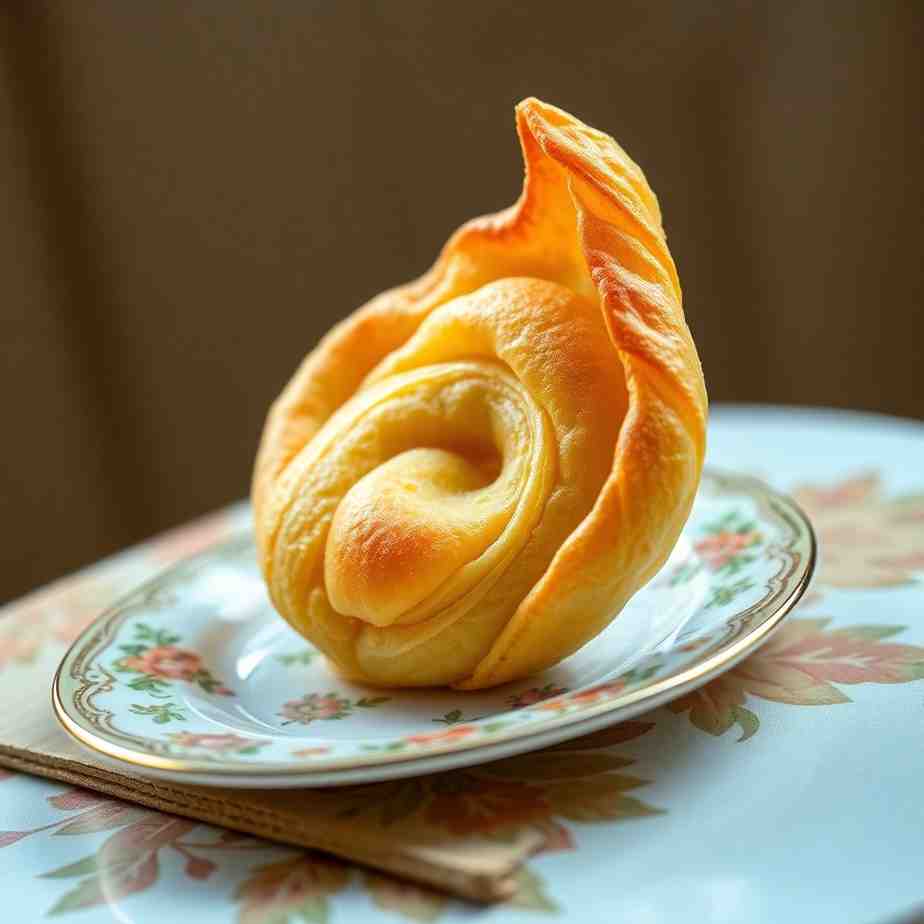
Welcome to your new favorite cake recipe! Ever tried a "fat cake"? If not, you're in for a treat. This authentic Magwenya cake recipe brings the delicious flavors of Southern Africa right to your kitchen. Imagine small, deep-fried yeast "cakes" that are wonderfully fluffy on the inside, much like a soft dinner roll, but with the irresistible golden crispiness of a freshly made donut.
Magwenya, also known as Vetkoek in South Africa, is a beloved fried dough snack enjoyed across countries like Botswana, Namibia, and South Africa. They’re often called "fat cakes" for their satisfying, rich texture. While they might not be a traditional baked `cake recipe`, these fried delights perfectly hit that sweet spot for anyone looking to `find a cake recipe` or `learn how to bake a cake` (or fry one!).
This isn't just any cooking recipe; it's a tested, single-dough method that promises a crisp outside and a soft, pillowy inside every time. Whether you're a beginner looking for `easy cake recipes` or an experienced baker exploring new `baking recipes`, our step-by-step guide will make sure your Magwenya turn out perfectly. Get ready to explore a delightful new `dessert recipe` or even a savory meal component!
Ingredients
Directions
- Mix and Activate the YeastIf using active dry yeast, combine the warm water (105-115°F / 40-46°C) with a pinch of the granulated sugar in a small bowl. Sprinkle the yeast over the water and let it sit for 5-10 minutes. It should become foamy and bubbly, indicating your yeast is alive and ready to go! If using instant yeast, you can skip this step and add it directly to the dry ingredients.
- Make the DoughIn a large mixing bowl, whisk together the flour, remaining granulated sugar, and salt. If using instant yeast, add it here. Pour the activated yeast mixture (or just the warm water if using instant yeast directly) and the optional tablespoon of oil into the dry ingredients. Stir with a wooden spoon or spatula until a shaggy, sticky dough forms. It should hold together but still feel quite wet.
- Quick Tip: If the dough feels too dry, add 1-2 teaspoons more warm water. If it’s too soupy, sprinkle in a tablespoon of flour at a time until it comes together.
- Knead Until Smooth and ElasticTurn the dough out onto a lightly floured surface. Knead by hand for 8-10 minutes, or for about 5-7 minutes in a stand mixer with a dough hook. The dough is ready when it feels smooth, elastic, and springs back when gently poked. It shouldn’t tear easily when stretched.
- First RiseLightly grease a clean bowl with a little oil. Place the dough in the bowl, turning it once to coat all sides. Cover the bowl tightly with plastic wrap or a clean kitchen towel. Let the dough rise in a warm, draft-free place for 1 to 1 ½ hours, or until it has roughly doubled in size and feels soft and pillowy.
- Make-Ahead Option: For a slower rise, you can refrigerate the dough after this step for 8-12 hours. Bring it back to room temperature before proceeding.
- Shape the VetkoekGently deflate the risen dough by punching it down lightly. Turn it out onto a lightly floured surface. Divide the dough into 12-16 equal pieces, each weighing approximately 50-60 grams. You can shape them into round balls or slightly flattened discs. Lightly oiling your hands can help prevent sticking during shaping.
- Rest While You Heat the OilArrange the shaped dough pieces on a lightly floured baking sheet or parchment paper. Cover them loosely with a clean kitchen towel and let them rest for 10-15 minutes. This allows for a quick second mini-rise, which helps them puff up nicely when fried. While they rest, heat your neutral oil in a heavy-bottomed pot or Dutch oven over medium heat to 325-350°F (160-175°C). Use a thermometer for accuracy, or test by dropping a tiny piece of dough into the oil – it should sizzle gently and float to the surface within a few seconds.
- Fry to Golden PerfectionCarefully lower 3-4 vetkoek into the hot oil, being careful not to overcrowd the pot. Fry for 2-3 minutes per side, turning them once, or as needed, until they are deep golden brown and puffed up. They should feel light when picked up. To ensure they are cooked through, you can cut open the first one you fry to check the interior.
- Drain and Cool SlightlyUsing a slotted spoon or spider, transfer the fried vetkoek to a wire cooling rack placed over a baking sheet, or onto a paper-towel-lined tray. Draining on a rack helps excess oil drip away, making them less greasy. Let them cool for a couple of minutes before serving – they're best hot, but not scorching!
Easy Fat Cakes - Magwenya Cake Recipe

- Serves: 6 People
- Prepare Time: 20 minutes
- Cooking Time: 25 minutes
- Calories: -
- Difficulty: Easy
Welcome to your new favorite cake recipe! Ever tried a "fat cake"? If not, you're in for a treat. This authentic Magwenya cake recipe brings the delicious flavors of Southern Africa right to your kitchen. Imagine small, deep-fried yeast "cakes" that are wonderfully fluffy on the inside, much like a soft dinner roll, but with the irresistible golden crispiness of a freshly made donut.
Magwenya, also known as Vetkoek in South Africa, is a beloved fried dough snack enjoyed across countries like Botswana, Namibia, and South Africa. They’re often called "fat cakes" for their satisfying, rich texture. While they might not be a traditional baked `cake recipe`, these fried delights perfectly hit that sweet spot for anyone looking to `find a cake recipe` or `learn how to bake a cake` (or fry one!).
This isn't just any cooking recipe; it's a tested, single-dough method that promises a crisp outside and a soft, pillowy inside every time. Whether you're a beginner looking for `easy cake recipes` or an experienced baker exploring new `baking recipes`, our step-by-step guide will make sure your Magwenya turn out perfectly. Get ready to explore a delightful new `dessert recipe` or even a savory meal component!
Ingredients
Directions
- Mix and Activate the YeastIf using active dry yeast, combine the warm water (105-115°F / 40-46°C) with a pinch of the granulated sugar in a small bowl. Sprinkle the yeast over the water and let it sit for 5-10 minutes. It should become foamy and bubbly, indicating your yeast is alive and ready to go! If using instant yeast, you can skip this step and add it directly to the dry ingredients.
- Make the DoughIn a large mixing bowl, whisk together the flour, remaining granulated sugar, and salt. If using instant yeast, add it here. Pour the activated yeast mixture (or just the warm water if using instant yeast directly) and the optional tablespoon of oil into the dry ingredients. Stir with a wooden spoon or spatula until a shaggy, sticky dough forms. It should hold together but still feel quite wet.
- Quick Tip: If the dough feels too dry, add 1-2 teaspoons more warm water. If it’s too soupy, sprinkle in a tablespoon of flour at a time until it comes together.
- Knead Until Smooth and ElasticTurn the dough out onto a lightly floured surface. Knead by hand for 8-10 minutes, or for about 5-7 minutes in a stand mixer with a dough hook. The dough is ready when it feels smooth, elastic, and springs back when gently poked. It shouldn’t tear easily when stretched.
- First RiseLightly grease a clean bowl with a little oil. Place the dough in the bowl, turning it once to coat all sides. Cover the bowl tightly with plastic wrap or a clean kitchen towel. Let the dough rise in a warm, draft-free place for 1 to 1 ½ hours, or until it has roughly doubled in size and feels soft and pillowy.
- Make-Ahead Option: For a slower rise, you can refrigerate the dough after this step for 8-12 hours. Bring it back to room temperature before proceeding.
- Shape the VetkoekGently deflate the risen dough by punching it down lightly. Turn it out onto a lightly floured surface. Divide the dough into 12-16 equal pieces, each weighing approximately 50-60 grams. You can shape them into round balls or slightly flattened discs. Lightly oiling your hands can help prevent sticking during shaping.
- Rest While You Heat the OilArrange the shaped dough pieces on a lightly floured baking sheet or parchment paper. Cover them loosely with a clean kitchen towel and let them rest for 10-15 minutes. This allows for a quick second mini-rise, which helps them puff up nicely when fried. While they rest, heat your neutral oil in a heavy-bottomed pot or Dutch oven over medium heat to 325-350°F (160-175°C). Use a thermometer for accuracy, or test by dropping a tiny piece of dough into the oil – it should sizzle gently and float to the surface within a few seconds.
- Fry to Golden PerfectionCarefully lower 3-4 vetkoek into the hot oil, being careful not to overcrowd the pot. Fry for 2-3 minutes per side, turning them once, or as needed, until they are deep golden brown and puffed up. They should feel light when picked up. To ensure they are cooked through, you can cut open the first one you fry to check the interior.
- Drain and Cool SlightlyUsing a slotted spoon or spider, transfer the fried vetkoek to a wire cooling rack placed over a baking sheet, or onto a paper-towel-lined tray. Draining on a rack helps excess oil drip away, making them less greasy. Let them cool for a couple of minutes before serving – they're best hot, but not scorching!
You may also like


Hey there! I’m just someone who seriously loves good food and believes that cooking doesn’t have to be complicated to be amazing. Whether it’s a quick weeknight dinner or a cozy weekend meal, I’m all about sharing easy, tasty recipes that actually work.