Matemekwane Recipe - Easy Homemade Botswana Dumplings
Matemekwane Recipe - Easy Homemade Botswana Dumplings
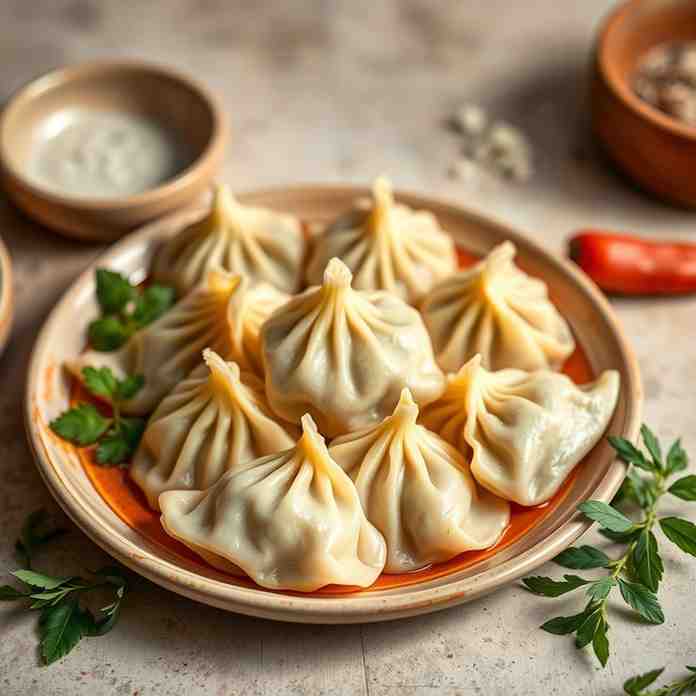
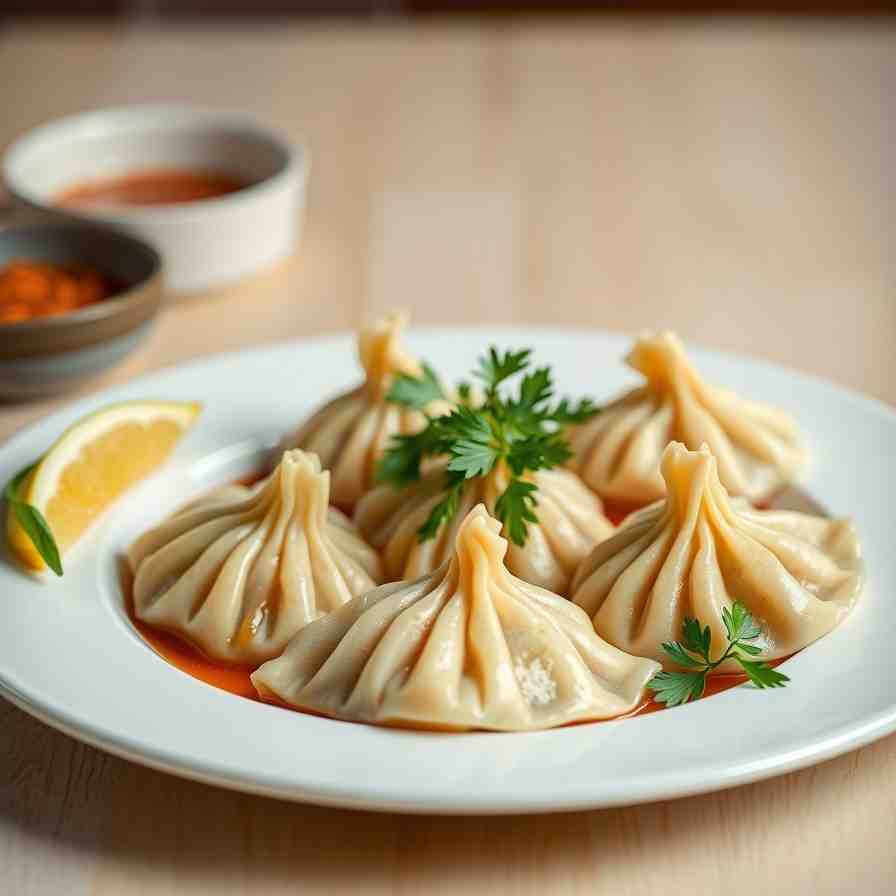
- Serves: 6 People
- Prepare Time: 25 minutes
- Cooking Time: 20 minutes
- Calories: -
- Difficulty: Easy
Get ready to discover Botswana's Matemekwane: A Nutritious Cultural Heritage Staple! These aren't just any dumplings; Matemekwane are soft, fluffy, yeast-raised delights that cook right in a savory stew, soaking up all the incredible flavors. If you're looking for a truly authentic recipe on how to make dumplings that's both comforting and culturally rich, you've come to the right place.
This basic dumplings recipe is incredibly beginner-friendly, using simple pantry ingredients to create delicious homemade dumplings perfect for any meal. We'll guide you through making a single, unified dough and cooking method that results in tender dumplings for soup or stew every time. It’s an easy, one-pot adventure into international cuisine recipes that you'll want to make again and again!
Why You'll Love These Dumplings: They're incredibly satisfying, soak up tons of flavor from the stew, and are a fantastic way to enjoy a taste of Botswana right in your own kitchen. Plus, it's a wonderfully economical way to stretch a meal!
Matemekwane (pronounced ma-teh-meh-KWAH-neh) are traditional dumplings from Botswana, sometimes also called matlebekwane or matlebekwane dumplings. They're typically cooked by steaming directly in a stew or boiling liquid, serving as a hearty side dish or a filling component of a meal. These soft, fluffy dough balls are a staple in country food recipes across Botswana.
In Botswana, Matemekwane play a vital role in making a meal stretch further. They're often added to stews, especially those with meat, to create a more substantial and satisfying dish that can feed more people. This makes them a beloved component of family meals and informal gatherings, turning a modest amount of meat or vegetables into a truly filling feast.
While Matemekwane are a type of dough-based staple, they differ from other popular Botswanan bread-like foods:
Vetkoek / Magwenya: These are deep-fried doughnuts, often savory and sometimes filled, offering a completely different texture and cooking method.
Phaphatha: This is a traditional flatbread, typically cooked on a griddle or in a pan, similar to a thick tortilla or pita.
Bogobe: This refers to a thick porridge or pap, usually made from sorghum, maize, or millet flour, served as a staple carbohydrate.
In this recipe, we're focusing specifically on the delicious, soft, stew-cooked version of Matemekwane.
Ingredients
Directions
- Mix the Dough In your large mixing bowl, combine the all-purpose flour, instant yeast, sugar, and salt. Give them a quick whisk to distribute evenly. Gradually pour in the warm water, adding the optional vegetable oil if using. Stir with a wooden spoon or spatula until the mixture forms a shaggy, somewhat sticky dough. If it's too dry, add a tiny bit more water (a teaspoon at a time); if it's too wet, add a sprinkle of flour.
- Knead & First Rise Turn the dough out onto a lightly floured surface. Knead the dough for about 8-10 minutes by hand, or 5-7 minutes with a stand mixer fitted with a dough hook, until it’s smooth, elastic, and no longer sticky. You should be able to gently stretch a small piece of dough without it tearing immediately (the "windowpane" test). Lightly grease your mixing bowl, place the dough back in, turn it once to coat, then cover the bowl with plastic wrap or a clean kitchen towel. Let it rise in a warm place for about 1 hour, or until it has doubled in size.
- Start the Simple Stew Base While your dough is rising, begin preparing the stew. Heat 1 tablespoon of oil in your heavy pot over medium heat. Add the chopped onion and sauté for 5-7 minutes until softened and translucent. Stir in the minced garlic and cook for another minute until fragrant. Add the crushed tomatoes, stock/broth, salt, pepper, and optional curry powder or paprika. If you're adding meat, brown it now before adding the tomatoes and stock. For a vegetarian version, you can add beans now. Bring the stew to a gentle simmer, then reduce the heat to low and let it cook gently while the dough finishes rising. The stew should be lightly thick and gently bubbling, not boiling vigorously.
- Shape the Dumplings Once the dough has doubled, gently punch it down to release the air. Turn it out onto a lightly floured surface and divide it into 10-12 equal pieces. Roll each piece into a smooth, golf-ball-sized ball. Arrange them on a lightly floured tray or plate and cover them briefly with a clean towel or plastic wrap to prevent them from drying out while you finish shaping.
- Cook the Dumplings in the Stew Ensure your stew base is at a gentle simmer. Carefully nestle the dumpling balls into the simmering stew in a single layer. Try not to overcrowd the pot; you might need to cook them in batches if your pot isn't large enough. Once all the dumplings are in, cover the pot tightly with its lid and cook without lifting the lid for the first 10 minutes. This crucial step allows the dumplings to steam-puff properly and become light and airy. After 10 minutes, you can carefully lift the lid and spoon some of the simmering stew over the tops of the dumplings to ensure even cooking. Continue to cook, covered or partially covered, for another 5-10 minutes, or until the dumplings are fully cooked through.
- Check for Doneness & Serve To check for doneness, carefully remove one dumpling and cut it in half. The center should be light, fluffy, and cooked through, with no raw or doughy bits. If it's still doughy, return it to the pot and cook for a few more minutes. Once cooked, ladle the stew into bowls, topping each serving with a few of the delicious, flavor-soaked Matemekwane dumplings. Serve hot and enjoy!
Matemekwane Recipe - Easy Homemade Botswana Dumplings

- Serves: 6 People
- Prepare Time: 25 minutes
- Cooking Time: 20 minutes
- Calories: -
- Difficulty: Easy
Get ready to discover Botswana's Matemekwane: A Nutritious Cultural Heritage Staple! These aren't just any dumplings; Matemekwane are soft, fluffy, yeast-raised delights that cook right in a savory stew, soaking up all the incredible flavors. If you're looking for a truly authentic recipe on how to make dumplings that's both comforting and culturally rich, you've come to the right place.
This basic dumplings recipe is incredibly beginner-friendly, using simple pantry ingredients to create delicious homemade dumplings perfect for any meal. We'll guide you through making a single, unified dough and cooking method that results in tender dumplings for soup or stew every time. It’s an easy, one-pot adventure into international cuisine recipes that you'll want to make again and again!
Why You'll Love These Dumplings: They're incredibly satisfying, soak up tons of flavor from the stew, and are a fantastic way to enjoy a taste of Botswana right in your own kitchen. Plus, it's a wonderfully economical way to stretch a meal!
Matemekwane (pronounced ma-teh-meh-KWAH-neh) are traditional dumplings from Botswana, sometimes also called matlebekwane or matlebekwane dumplings. They're typically cooked by steaming directly in a stew or boiling liquid, serving as a hearty side dish or a filling component of a meal. These soft, fluffy dough balls are a staple in country food recipes across Botswana.
In Botswana, Matemekwane play a vital role in making a meal stretch further. They're often added to stews, especially those with meat, to create a more substantial and satisfying dish that can feed more people. This makes them a beloved component of family meals and informal gatherings, turning a modest amount of meat or vegetables into a truly filling feast.
While Matemekwane are a type of dough-based staple, they differ from other popular Botswanan bread-like foods:
Vetkoek / Magwenya: These are deep-fried doughnuts, often savory and sometimes filled, offering a completely different texture and cooking method.
Phaphatha: This is a traditional flatbread, typically cooked on a griddle or in a pan, similar to a thick tortilla or pita.
Bogobe: This refers to a thick porridge or pap, usually made from sorghum, maize, or millet flour, served as a staple carbohydrate.
In this recipe, we're focusing specifically on the delicious, soft, stew-cooked version of Matemekwane.
Ingredients
Directions
- Mix the Dough In your large mixing bowl, combine the all-purpose flour, instant yeast, sugar, and salt. Give them a quick whisk to distribute evenly. Gradually pour in the warm water, adding the optional vegetable oil if using. Stir with a wooden spoon or spatula until the mixture forms a shaggy, somewhat sticky dough. If it's too dry, add a tiny bit more water (a teaspoon at a time); if it's too wet, add a sprinkle of flour.
- Knead & First Rise Turn the dough out onto a lightly floured surface. Knead the dough for about 8-10 minutes by hand, or 5-7 minutes with a stand mixer fitted with a dough hook, until it’s smooth, elastic, and no longer sticky. You should be able to gently stretch a small piece of dough without it tearing immediately (the "windowpane" test). Lightly grease your mixing bowl, place the dough back in, turn it once to coat, then cover the bowl with plastic wrap or a clean kitchen towel. Let it rise in a warm place for about 1 hour, or until it has doubled in size.
- Start the Simple Stew Base While your dough is rising, begin preparing the stew. Heat 1 tablespoon of oil in your heavy pot over medium heat. Add the chopped onion and sauté for 5-7 minutes until softened and translucent. Stir in the minced garlic and cook for another minute until fragrant. Add the crushed tomatoes, stock/broth, salt, pepper, and optional curry powder or paprika. If you're adding meat, brown it now before adding the tomatoes and stock. For a vegetarian version, you can add beans now. Bring the stew to a gentle simmer, then reduce the heat to low and let it cook gently while the dough finishes rising. The stew should be lightly thick and gently bubbling, not boiling vigorously.
- Shape the Dumplings Once the dough has doubled, gently punch it down to release the air. Turn it out onto a lightly floured surface and divide it into 10-12 equal pieces. Roll each piece into a smooth, golf-ball-sized ball. Arrange them on a lightly floured tray or plate and cover them briefly with a clean towel or plastic wrap to prevent them from drying out while you finish shaping.
- Cook the Dumplings in the Stew Ensure your stew base is at a gentle simmer. Carefully nestle the dumpling balls into the simmering stew in a single layer. Try not to overcrowd the pot; you might need to cook them in batches if your pot isn't large enough. Once all the dumplings are in, cover the pot tightly with its lid and cook without lifting the lid for the first 10 minutes. This crucial step allows the dumplings to steam-puff properly and become light and airy. After 10 minutes, you can carefully lift the lid and spoon some of the simmering stew over the tops of the dumplings to ensure even cooking. Continue to cook, covered or partially covered, for another 5-10 minutes, or until the dumplings are fully cooked through.
- Check for Doneness & Serve To check for doneness, carefully remove one dumpling and cut it in half. The center should be light, fluffy, and cooked through, with no raw or doughy bits. If it's still doughy, return it to the pot and cook for a few more minutes. Once cooked, ladle the stew into bowls, topping each serving with a few of the delicious, flavor-soaked Matemekwane dumplings. Serve hot and enjoy!
You may also like




Hey there! I’m just someone who seriously loves good food and believes that cooking doesn’t have to be complicated to be amazing. Whether it’s a quick weeknight dinner or a cozy weekend meal, I’m all about sharing easy, tasty recipes that actually work.