Pecel Salad (Gado Gado Recipe) - Easy Peanut Sauce
Pecel Salad (Gado Gado Recipe) - Easy Peanut Sauce
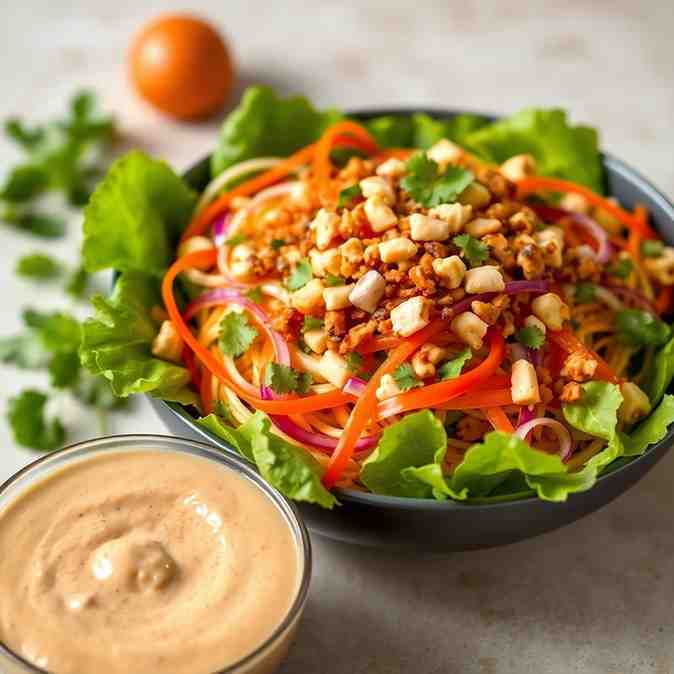
- Serves: 4 People
- Prepare Time: 25 minutes
- Cooking Time: 20 minutes
- Calories: -
- Difficulty: Easy
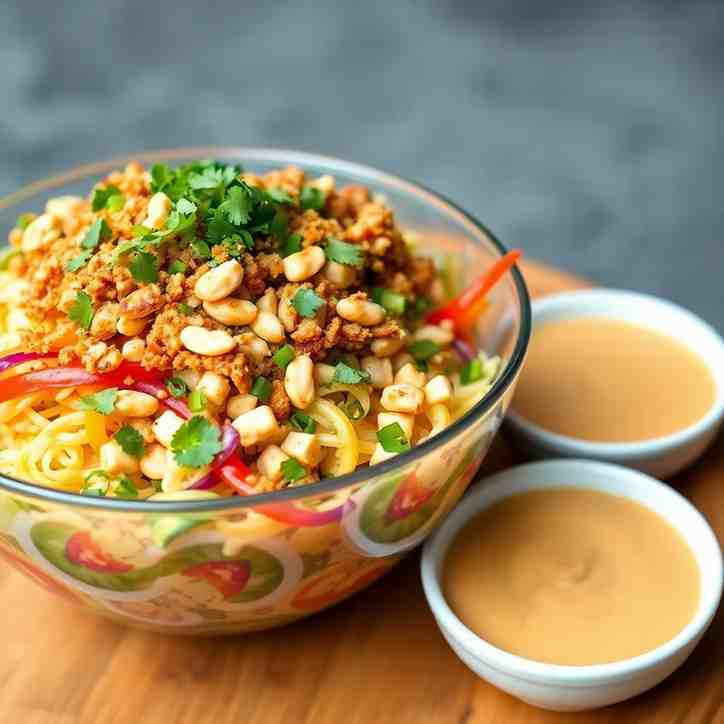
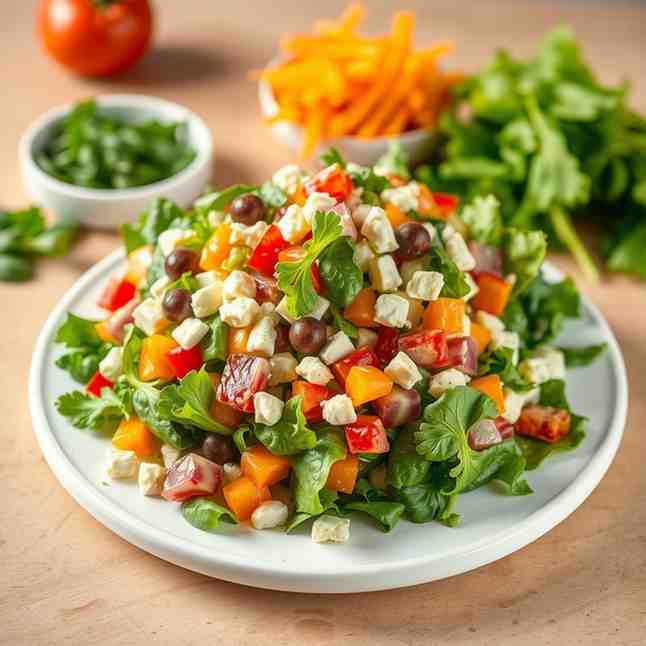
Hey there, food explorers! Ever found yourself craving a vibrant, flavorful meal that’s both healthy and incredibly satisfying? You’re in the right place! We’re diving into the wonderful world of Pecel, a delightful Southeast Asian peanut-sauce salad that, while originally from Java, Indonesia, fits perfectly into any Brunei or Malay-influenced feast. Think of it as a cousin to the famous gado gado recipe, but with its own unique charm and a punchy, sweet-and-spicy peanut dressing that'll have your taste buds singing.
Pecel is essentially a glorious medley of blanched or steamed vegetables, often accompanied by tofu, tempeh, or hard-boiled eggs, all generously drizzled with a rich, aromatic peanut sauce. It's a culinary staple across the region, celebrated for its fresh ingredients and the irresistible depth of its dressing. And guess what? This isn't one of those complicated recipes you save for special occasions. Our Brunei Pecel recipe is super easy to make at home, packed with versatile veggies, and can even be made completely plant-based. Whether you’re looking for a light lunch, a hearty side, or a main course served with rice or rice cakes, this guide has got you covered with all the ingredients, step-by-step instructions, and tips you need to master this traditional Bruneian salad recipe. Let's get cooking!
Ingredients
Directions
- Prep Your Veggies:
- Start by thoroughly washing all your vegetables.
- For the firmer vegetables like cabbage and long beans (or green beans), bring a large pot of water to a boil. Add the cabbage and long beans and boil or steam them until they are just tender-crisp, usually 3-5 minutes.
- For the leafy greens like spinach or kangkung, and your bean sprouts, blanch them quickly in the same boiling water for about 30 seconds to 1 minute until wilted but still vibrant.
- Immediately transfer all cooked vegetables to an ice bath or rinse under cold water to stop the cooking process and preserve their color and crunch. Drain them very well and set aside.
- Leave your cucumber raw; simply slice or julienne it.
- If you're adding tofu or tempeh, prepare them now. For a classic tofu frying recipe, heat about 1/2 inch of peanut oil deep frying in a pan over medium-high heat. Fry the cubed tofu (and/or tempeh) until golden and crispy on all sides, then drain on paper towels. If you prefer, you can also steam them.
- For recipe for hard boiled eggs, place eggs in a saucepan and cover with cold water by 1 inch. Bring to a rolling boil, then immediately turn off the heat, cover, and let sit for 10-12 minutes for perfectly hard-boiled eggs how long. Transfer to an ice bath, then peel and halve or quarter.
- Make the Authentic Peanut Sauce:
- If you're using raw peanuts, you'll need to roast or toast them first. Spread them on a baking sheet and roast in a preheated oven at 350°F (175°C) for 10-15 minutes, or toast in a dry pan over medium heat until fragrant and lightly browned. Let them cool completely, then rub them between your hands to remove the skins if desired (this helps with a smoother sauce, but isn't strictly necessary). This is a key step for any recipe using peanuts.
- In a food processor or blender, combine the roasted peanuts, tamarind paste (or strained tamarind liquid), palm sugar, garlic, chilies, aromatic ginger (if using), kaffir lime leaves (if using), and salt. Process until you have a coarse, relatively smooth paste. For a more traditional texture, use a mortar and pestle – it gives a slightly chunkier, more rustic feel.
- Gradually add the hot water, a little at a time, while processing, until the sauce reaches your desired consistency. You want it thick enough to coat the vegetables but still pourable. Taste and adjust the seasoning: add more salt for savoriness, more palm sugar for sweetness, more tamarind for tang, or more chili for heat. If using optional shrimp paste or kecap manis, stir them in now. This is your delicious easy recipe for peanut sauce!
- Assemble Your Pecel Salad:
- Arrange all your drained, prepared vegetables (and any tofu, tempeh, or hard-boiled eggs) attractively on a large serving plate or in a wide bowl. For an authentic touch, you can line the plate with a banana leaf.
- Generously pour the freshly made peanut sauce over the vegetables. Alternatively, you can serve the sauce on the side in a small bowl, allowing diners to drizzle as much as they like.
- Serving Suggestions:
- Serve your Pecel salad at room temperature for the best flavor experience.
- Garnish with fried shallots, extra crushed peanuts, fresh herbs, or lime wedges.
- Pecel is fantastic on its own, but it’s traditionally served with steamed rice, rice cakes (lontong or ketupat), or crispy crackers (krupuk or rempeyek). It also makes an excellent side dish for grilled meats or satay, rounding out any Southeast Asian meal. You can even offer a small side of sambal or pickles for an extra tangy kick.
Pecel Salad (Gado Gado Recipe) - Easy Peanut Sauce
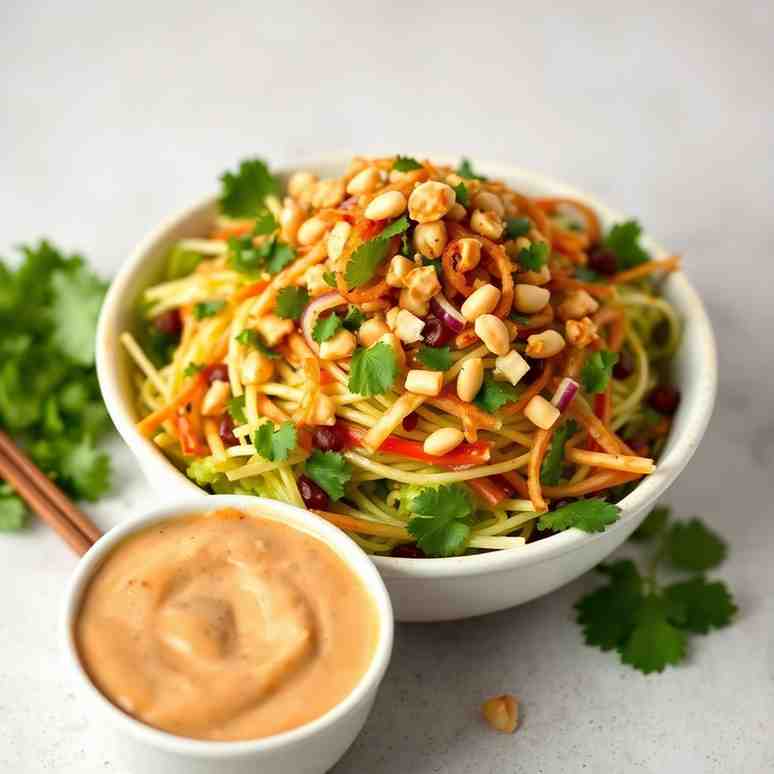
- Serves: 4 People
- Prepare Time: 25 minutes
- Cooking Time: 20 minutes
- Calories: -
- Difficulty: Easy
Hey there, food explorers! Ever found yourself craving a vibrant, flavorful meal that’s both healthy and incredibly satisfying? You’re in the right place! We’re diving into the wonderful world of Pecel, a delightful Southeast Asian peanut-sauce salad that, while originally from Java, Indonesia, fits perfectly into any Brunei or Malay-influenced feast. Think of it as a cousin to the famous gado gado recipe, but with its own unique charm and a punchy, sweet-and-spicy peanut dressing that'll have your taste buds singing.
Pecel is essentially a glorious medley of blanched or steamed vegetables, often accompanied by tofu, tempeh, or hard-boiled eggs, all generously drizzled with a rich, aromatic peanut sauce. It's a culinary staple across the region, celebrated for its fresh ingredients and the irresistible depth of its dressing. And guess what? This isn't one of those complicated recipes you save for special occasions. Our Brunei Pecel recipe is super easy to make at home, packed with versatile veggies, and can even be made completely plant-based. Whether you’re looking for a light lunch, a hearty side, or a main course served with rice or rice cakes, this guide has got you covered with all the ingredients, step-by-step instructions, and tips you need to master this traditional Bruneian salad recipe. Let's get cooking!
Ingredients
Directions
- Prep Your Veggies:
- Start by thoroughly washing all your vegetables.
- For the firmer vegetables like cabbage and long beans (or green beans), bring a large pot of water to a boil. Add the cabbage and long beans and boil or steam them until they are just tender-crisp, usually 3-5 minutes.
- For the leafy greens like spinach or kangkung, and your bean sprouts, blanch them quickly in the same boiling water for about 30 seconds to 1 minute until wilted but still vibrant.
- Immediately transfer all cooked vegetables to an ice bath or rinse under cold water to stop the cooking process and preserve their color and crunch. Drain them very well and set aside.
- Leave your cucumber raw; simply slice or julienne it.
- If you're adding tofu or tempeh, prepare them now. For a classic tofu frying recipe, heat about 1/2 inch of peanut oil deep frying in a pan over medium-high heat. Fry the cubed tofu (and/or tempeh) until golden and crispy on all sides, then drain on paper towels. If you prefer, you can also steam them.
- For recipe for hard boiled eggs, place eggs in a saucepan and cover with cold water by 1 inch. Bring to a rolling boil, then immediately turn off the heat, cover, and let sit for 10-12 minutes for perfectly hard-boiled eggs how long. Transfer to an ice bath, then peel and halve or quarter.
- Make the Authentic Peanut Sauce:
- If you're using raw peanuts, you'll need to roast or toast them first. Spread them on a baking sheet and roast in a preheated oven at 350°F (175°C) for 10-15 minutes, or toast in a dry pan over medium heat until fragrant and lightly browned. Let them cool completely, then rub them between your hands to remove the skins if desired (this helps with a smoother sauce, but isn't strictly necessary). This is a key step for any recipe using peanuts.
- In a food processor or blender, combine the roasted peanuts, tamarind paste (or strained tamarind liquid), palm sugar, garlic, chilies, aromatic ginger (if using), kaffir lime leaves (if using), and salt. Process until you have a coarse, relatively smooth paste. For a more traditional texture, use a mortar and pestle – it gives a slightly chunkier, more rustic feel.
- Gradually add the hot water, a little at a time, while processing, until the sauce reaches your desired consistency. You want it thick enough to coat the vegetables but still pourable. Taste and adjust the seasoning: add more salt for savoriness, more palm sugar for sweetness, more tamarind for tang, or more chili for heat. If using optional shrimp paste or kecap manis, stir them in now. This is your delicious easy recipe for peanut sauce!
- Assemble Your Pecel Salad:
- Arrange all your drained, prepared vegetables (and any tofu, tempeh, or hard-boiled eggs) attractively on a large serving plate or in a wide bowl. For an authentic touch, you can line the plate with a banana leaf.
- Generously pour the freshly made peanut sauce over the vegetables. Alternatively, you can serve the sauce on the side in a small bowl, allowing diners to drizzle as much as they like.
- Serving Suggestions:
- Serve your Pecel salad at room temperature for the best flavor experience.
- Garnish with fried shallots, extra crushed peanuts, fresh herbs, or lime wedges.
- Pecel is fantastic on its own, but it’s traditionally served with steamed rice, rice cakes (lontong or ketupat), or crispy crackers (krupuk or rempeyek). It also makes an excellent side dish for grilled meats or satay, rounding out any Southeast Asian meal. You can even offer a small side of sambal or pickles for an extra tangy kick.
The following nutritional values are per serving (one piece of cake) Calories ~500 kcal Carbohydrates ~35g Protein ~22g Fat ~40g Time-Saving Tools & Ingredients Making delicious Pecel doesn't have to be a marathon. Here are some smart shortcuts to get that fantastic meal on your table faster: Problem: Grinding peanuts and other sauce ingredients by hand with a mortar and pestle is the traditional way, but it can be quite a workout and very time-consuming. Problem: Roasting raw peanuts adds an extra step to the recipe, requiring monitoring to prevent burning and then waiting for them to cool before grinding. Problem: Soaking and extracting pulp from block tamarind can be a sticky, messy, and time-consuming process. Click any ingredient for detailed nutritional information:Recipe Nutritional Values
Additional Information
Recipe Success Tips
Ingredient Substitutions & Variations
Cultural Variations
Make-Ahead & Storage Instructions
Frequently Asked Questions
Recommended Kitchen Tools
Food Processor or Blender
Agitate: Who has endless time for pounding paste when hunger strikes? Achieving that smooth, consistent sauce texture by hand takes serious effort and practice, and an uneven grind can affect the flavor.
Solution: A food processor or blender is your best friend here! It whips up the peanut sauce in minutes, giving you a perfectly smooth or slightly chunky texture with minimal fuss, so you can spend less time grinding and more time enjoying.Pre-Roasted, Unsalted Peanuts
Agitate: Waiting for peanuts to roast and cool can feel like an eternity when you're eager to get that delicious Pecel on the table. Plus, accidentally burning them means starting over and wasting ingredients!
Solution: Using good quality, pre-roasted, unsalted peanuts saves you the roasting step entirely. You can jump straight to grinding and blending the sauce, cutting down significantly on prep time without sacrificing flavor.Tamarind Paste
Agitate: Dealing with sticky tamarind pulp and seeds can be a fiddly task, and ensuring you extract enough of that essential tangy flavor can be tricky. It's one more thing to do when you're trying to get dinner ready.
Solution: Pre-made tamarind paste is a convenient shortcut, providing that essential tangy flavor without the hassle of preparation. Just scoop, measure, and add to your sauce!Calories per Ingredient
You may also like

Hey there! I’m just someone who seriously loves good food and believes that cooking doesn’t have to be complicated to be amazing. Whether it’s a quick weeknight dinner or a cozy weekend meal, I’m all about sharing easy, tasty recipes that actually work.