Caribbean Pig Feet Souse Recipe
Caribbean Pig Feet Souse Recipe
- Serves: 6 People
- Prepare Time: 35 minutes
- Cooking Time: 75 minutes
- Calories: -
- Difficulty: Easy
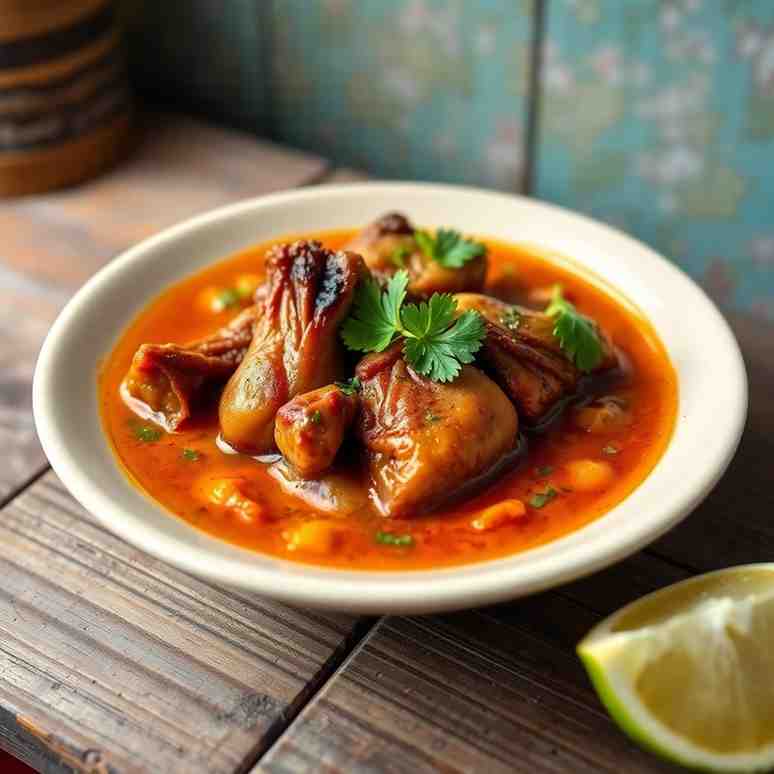
Welcome to a taste of the Caribbean! If you've ever craved a dish that's both refreshing and deeply satisfying, then pig feet souse is about to become your new favorite. This iconic dish, beloved across the islands, transforms humble pig's feet into a vibrant, flavor-packed experience. Imagine tender, gelatin-rich pork, perfectly cooked until it's just yielding, then bathed in a bright, zesty, and spicy brine. It’s a culinary adventure that captures the spirit of Caribbean cooking in every bite.
This Antiguan pig feet souse recipe delivers a true taste of tradition. It's an intermediate-level dish that's incredibly rewarding to make, especially with our step-by-step guidance. Get ready to impress your family and friends with this authentic Caribbean pork souse dish!
This guide provides one clear, canonical method for making pickled pig feet recipe perfect for your table, using ingredients readily available in the US. Let's get cooking!
Before we dive into the recipe, let's talk about what pig feet souse actually is. This cold, lightly pickled dish is a staple across the Caribbean, often enjoyed on weekends, at parties, or as a tasty bar snack. It’s all about balance: you want tender, slightly firm pig’s feet, crunchy fresh vegetables like cucumber and onion, all brought together by a bright, salty, and wonderfully limey brine. Traditionally, it’s served chilled or at room temperature, making it a perfect refreshing bite on a warm day.
Ingredients
Directions
- Before You Start – Cleaning & Prepping Pig's Feet:
Inspect and Trim: Carefully inspect each piece of pig's foot. Use a sharp knife or a small torch to remove any stray hairs. Trim away any unwanted bits of bone or tough skin.
Rinse and Soak: Place the cleaned pig's feet in a colander and rinse thoroughly under cold running water. For extra freshness and to help remove any strong odor, briefly soak them in a bowl of cold water with a splash of lime or lemon juice for about 10-15 minutes. Rinse again.
Safety First: Always wash your hands and clean all surfaces that came into contact with raw pork. - Pre-Boil and Simmer the Pig’s Feet
- Place the cleaned and rinsed pig's feet in your large heavy-bottomed pot. Add 8 cups of cold water, 1 tablespoon of salt, 1/2 teaspoon of black pepper, 2 sprigs of fresh thyme, 1/4 cup of chopped scallions, and the 2 smashed garlic cloves (if using).
- Bring the water to a rolling boil over high heat. As it boils, you'll see foam rise to the surface. Use a slotted spoon or ladle to skim off and discard this foam; it helps keep your souse clear and clean-tasting.
- Once most of the foam is removed, reduce the heat to a steady simmer. Cover the pot partially and let the pig's feet cook until the skin is wonderfully tender and the joints flex easily, but the meat still clings to the bone. This usually takes about 60-90 minutes.
- Pressure Cooker Note: If using a pressure cooker, cook for about 25-30 minutes after reaching pressure for similar tenderness.
- Cool and Rinse
- Carefully remove the cooked souse meat from the pot using tongs or a slotted spoon. Place them in a colander.
- Discard the cooking water. (You can reserve a tiny amount, about 1/4 cup, if you want to add a very subtle depth of flavor to your brine later, but it's not traditional and risks making the brine cloudy).
- Briefly rinse the pig's feet under cool running water. This helps remove any excess fat and stops the cooking process.
- Spread the pieces out on a clean tray or plate to cool slightly while you prepare the brine. They don’t need to be completely cold, but not piping hot.
- Mix the Souse Brine
- While the pig's feet are cooling, grab your large non-reactive bowl.
- Add the thinly sliced cucumber, red onion, 2 sprigs of fresh thyme, 1/4 cup of chopped scallions, and the chopped chadon beni (or cilantro/parsley substitute). Add the thinly sliced Scotch bonnet pepper(s) according to your preferred heat level. Remember, you can always add more later!
- Pour in 2 cups of fresh cold water, the 1/2 cup of lime juice, 1 tablespoon of salt, and 1/2 teaspoon of black pepper. If using, add the sliced celery and/or a pinch of sugar.
- Stir everything together well. Now for the crucial step: taste the brine! It should be briskly salty, clearly limey, and have a pleasant, light spicy kick. Adjust the salt, lime juice, or pepper as needed to get it just right.
- Combine and Marinate
- Add the cooled pig’s feet pieces to the bowl with the brine and vegetables.
- Gently toss everything to ensure the pork meat is well coated and submerged in the liquid. If needed, add a little more cold water to fully cover the ingredients.
- Cover the bowl tightly with plastic wrap or a lid.
- Refrigerate for at least 2 hours to allow the flavors to meld. For the best, most authentic flavor, aim for 8-24 hours of marinating time. The longer it sits, the more the pickled pig feet recipe develops its signature taste.
- Final Taste Check & Serve
- Before serving, give the souse a final taste test. Does it need a little more lime for brightness? A pinch more salt? A sprinkle of fresh herbs? Adjust to your preference.
- Serve chilled or at room temperature. Garnish with a bit of fresh herb and extra cucumber or onion slices for a beautiful presentation and added crunch. Enjoy your delicious pig feet souse!
Caribbean Pig Feet Souse Recipe

- Serves: 6 People
- Prepare Time: 35 minutes
- Cooking Time: 75 minutes
- Calories: -
- Difficulty: Easy
Welcome to a taste of the Caribbean! If you've ever craved a dish that's both refreshing and deeply satisfying, then pig feet souse is about to become your new favorite. This iconic dish, beloved across the islands, transforms humble pig's feet into a vibrant, flavor-packed experience. Imagine tender, gelatin-rich pork, perfectly cooked until it's just yielding, then bathed in a bright, zesty, and spicy brine. It’s a culinary adventure that captures the spirit of Caribbean cooking in every bite.
This Antiguan pig feet souse recipe delivers a true taste of tradition. It's an intermediate-level dish that's incredibly rewarding to make, especially with our step-by-step guidance. Get ready to impress your family and friends with this authentic Caribbean pork souse dish!
This guide provides one clear, canonical method for making pickled pig feet recipe perfect for your table, using ingredients readily available in the US. Let's get cooking!
Before we dive into the recipe, let's talk about what pig feet souse actually is. This cold, lightly pickled dish is a staple across the Caribbean, often enjoyed on weekends, at parties, or as a tasty bar snack. It’s all about balance: you want tender, slightly firm pig’s feet, crunchy fresh vegetables like cucumber and onion, all brought together by a bright, salty, and wonderfully limey brine. Traditionally, it’s served chilled or at room temperature, making it a perfect refreshing bite on a warm day.
Ingredients
Directions
- Before You Start – Cleaning & Prepping Pig's Feet:
Inspect and Trim: Carefully inspect each piece of pig's foot. Use a sharp knife or a small torch to remove any stray hairs. Trim away any unwanted bits of bone or tough skin.
Rinse and Soak: Place the cleaned pig's feet in a colander and rinse thoroughly under cold running water. For extra freshness and to help remove any strong odor, briefly soak them in a bowl of cold water with a splash of lime or lemon juice for about 10-15 minutes. Rinse again.
Safety First: Always wash your hands and clean all surfaces that came into contact with raw pork. - Pre-Boil and Simmer the Pig’s Feet
- Place the cleaned and rinsed pig's feet in your large heavy-bottomed pot. Add 8 cups of cold water, 1 tablespoon of salt, 1/2 teaspoon of black pepper, 2 sprigs of fresh thyme, 1/4 cup of chopped scallions, and the 2 smashed garlic cloves (if using).
- Bring the water to a rolling boil over high heat. As it boils, you'll see foam rise to the surface. Use a slotted spoon or ladle to skim off and discard this foam; it helps keep your souse clear and clean-tasting.
- Once most of the foam is removed, reduce the heat to a steady simmer. Cover the pot partially and let the pig's feet cook until the skin is wonderfully tender and the joints flex easily, but the meat still clings to the bone. This usually takes about 60-90 minutes.
- Pressure Cooker Note: If using a pressure cooker, cook for about 25-30 minutes after reaching pressure for similar tenderness.
- Cool and Rinse
- Carefully remove the cooked souse meat from the pot using tongs or a slotted spoon. Place them in a colander.
- Discard the cooking water. (You can reserve a tiny amount, about 1/4 cup, if you want to add a very subtle depth of flavor to your brine later, but it's not traditional and risks making the brine cloudy).
- Briefly rinse the pig's feet under cool running water. This helps remove any excess fat and stops the cooking process.
- Spread the pieces out on a clean tray or plate to cool slightly while you prepare the brine. They don’t need to be completely cold, but not piping hot.
- Mix the Souse Brine
- While the pig's feet are cooling, grab your large non-reactive bowl.
- Add the thinly sliced cucumber, red onion, 2 sprigs of fresh thyme, 1/4 cup of chopped scallions, and the chopped chadon beni (or cilantro/parsley substitute). Add the thinly sliced Scotch bonnet pepper(s) according to your preferred heat level. Remember, you can always add more later!
- Pour in 2 cups of fresh cold water, the 1/2 cup of lime juice, 1 tablespoon of salt, and 1/2 teaspoon of black pepper. If using, add the sliced celery and/or a pinch of sugar.
- Stir everything together well. Now for the crucial step: taste the brine! It should be briskly salty, clearly limey, and have a pleasant, light spicy kick. Adjust the salt, lime juice, or pepper as needed to get it just right.
- Combine and Marinate
- Add the cooled pig’s feet pieces to the bowl with the brine and vegetables.
- Gently toss everything to ensure the pork meat is well coated and submerged in the liquid. If needed, add a little more cold water to fully cover the ingredients.
- Cover the bowl tightly with plastic wrap or a lid.
- Refrigerate for at least 2 hours to allow the flavors to meld. For the best, most authentic flavor, aim for 8-24 hours of marinating time. The longer it sits, the more the pickled pig feet recipe develops its signature taste.
- Final Taste Check & Serve
- Before serving, give the souse a final taste test. Does it need a little more lime for brightness? A pinch more salt? A sprinkle of fresh herbs? Adjust to your preference.
- Serve chilled or at room temperature. Garnish with a bit of fresh herb and extra cucumber or onion slices for a beautiful presentation and added crunch. Enjoy your delicious pig feet souse!
The following nutritional values are per serving (one piece of cake) Calories ~450-550 kcal Carbohydrates ~25-35g Protein ~30-40g Fat ~25-35g You're busy, we get it! While this recipe is worth every minute, a few smart tools can make your Barbadian BBQ Pig Tails even easier to whip up. These aren't must-haves, but they sure do help! Problem: Pig tails can be notoriously tough and require a long, slow boil to become tender enough for grilling. Problem: Guessing if your pig tails are perfectly cooked can be tricky, especially when you're aiming for that sweet spot between tender and crispy. Problem: Applying that thick, delicious homemade BBQ sauce evenly can be messy and inefficient, leaving some tails gloriously coated and others a bit neglected. Click any ingredient for detailed nutritional information:Recipe Nutritional Values
Additional Information
Recipe Success Tips
Ingredient Substitutions & Variations
Cultural Variations
Make-Ahead & Storage Instructions
Frequently Asked Questions
Recommended Kitchen Tools
Pressure Cooker
Agitate: Who has hours to babysit a pot of boiling pig tails before the real fun of grilling even begins? Rushing this step often leads to chewy, less-than-perfect results, and nobody wants tough BBQ!
Solution: A pressure cooker drastically cuts down the boiling time, turning those tough tails into wonderfully tender morsels in a fraction of the time. It's a game-changer for getting dinner on the table faster without sacrificing tenderness.Digital Meat Thermometer
Agitate: You’ve spent all that effort seasoning and glazing, only to have your tails come out either burnt on the outside or not quite done on the inside. It's frustrating when your BBQ masterpiece isn't perfect, and undercooked pork is a no-go for safety!
Solution: A reliable digital meat thermometer takes all the guesswork out of grilling. It ensures your pig tails reach the ideal internal temperature for safety and tenderness, guaranteeing a perfectly cooked, juicy result every single time.Sturdy Basting Brush & Large Mixing Bowls
Agitate: Trying to slather sauce with a flimsy brush or struggling to toss ingredients in a bowl that's too small makes the process a sticky, frustrating chore. You want every piece of pork to be infused with flavor, not just your hands!
Solution: A good quality basting brush with silicone bristles allows for easy, even application of your homemade BBQ sauce, ensuring every pig tail gets its fair share of flavor. Large, sturdy mixing bowls provide ample space for marinating and tossing, making the prep work clean and simple.Calories per Ingredient
You may also like




Hey there! I’m just someone who seriously loves good food and believes that cooking doesn’t have to be complicated to be amazing. Whether it’s a quick weeknight dinner or a cozy weekend meal, I’m all about sharing easy, tasty recipes that actually work.