Rindsuppe Beef Broth - Austrian Clear Soup
Rindsuppe Beef Broth - Austrian Clear Soup
- Serves: 6 People
- Prepare Time: 25 minutes
- Cooking Time: 3 hours 30
- Calories: -
- Difficulty: Medium
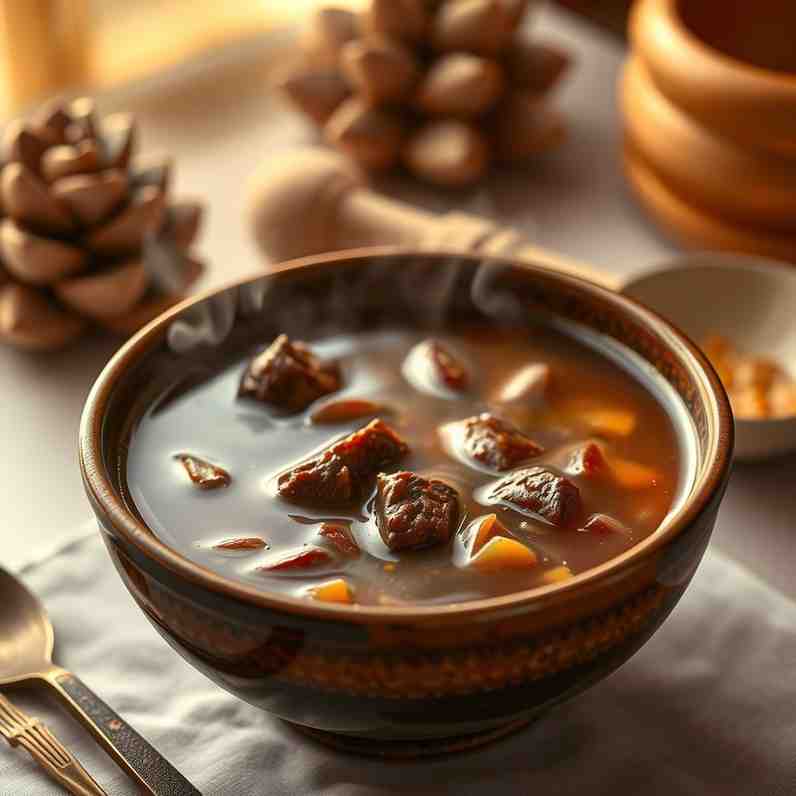
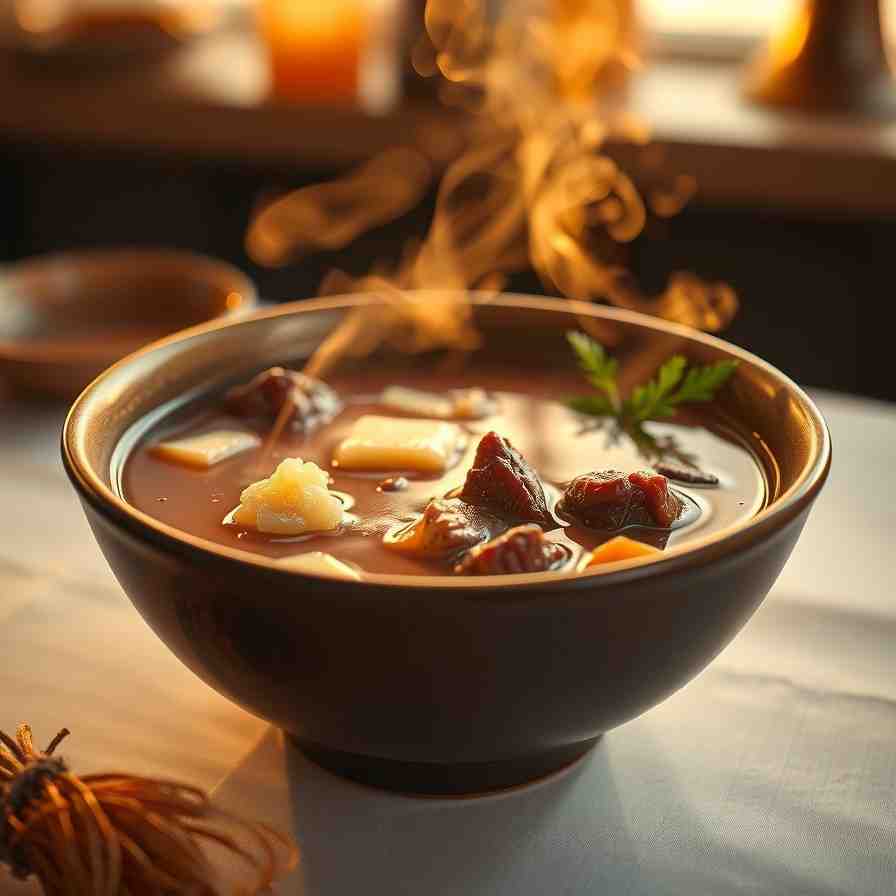
There's something incredibly comforting about a bowl of crystal-clear, deeply flavorful Rindsuppe beef broth. This traditional Austrian clear beef soup, often called Rindfleischsuppe, isn't just a meal; it's a hug in a bowl, a culinary legacy passed down through generations. Perfect for a cozy Sunday lunch, a festive holiday gathering, or even a soothing remedy on a sick day, this recipe brings the heart of Austria right to your kitchen. We're going to dive into what makes this healthy vegetable soup so special, focusing on simple techniques that home cooks in the US can master to create a truly superior, rich soup that stands head and shoulders above the rest. Get ready to explore the magic of slow-simmered beef for broth and transform humble ingredients into a symphony of taste!
Ingredients
Directions
- Prep the Bones, Meat & VegetablesBegin by thoroughly rinsing your beef bones and meat under cold water to remove any impurities. Trim off any excessive surface fat from the meat, as too much can make the broth greasy. For the vegetables, a rough chop is all you need; peeling is optional. Leaving the onion skins on can add a lovely golden hue to your broth. For an extra-clear broth, you can quickly blanch the bones and meat: place them in a pot, cover with cold water, bring to a boil for 5 minutes, then drain, rinse, and proceed with the recipe. This extra step helps remove even more impurities.
- Build the Base BrothPlace the rinsed bones, beef meat, halved onion, bay leaves, peppercorns, and any optional juniper berries or lovage into a large, heavy-bottomed pot or Dutch oven. Pour in 12-14 cups of cold water, ensuring everything is submerged. The key here is to start with cold water, as it slowly extracts more flavor from the ingredients. Slowly bring the pot to a very gentle simmer over medium-low heat. You're looking for tiny bubbles just breaking the surface, not a rolling boil. A slow heat prevents the broth from becoming cloudy. In the first 20-30 minutes, you'll notice a foamy scum rising to the surface. Use a ladle or a fine-mesh skimmer to carefully remove this foam; this is crucial for a crystal-clear broth.
- Long Simmer for Deep FlavorOnce skimmed, continue to simmer the broth gently, uncovered or partially covered, for 2 to 3 hours. A longer simmer allows the flavors to meld beautifully and the connective tissues in the bones and meat to break down, enriching the broth. Check the meat for tenderness after about 2 hours; it should be fork-tender. If too much water evaporates during simmering, you can add a little more hot water to keep the ingredients submerged.
- Add Vegetables at the Right TimeAbout 45-60 minutes before the end of the simmering time, add your chopped carrots, celery, and parsnip (or celery root) to the pot. Adding them later ensures they cook through but don't become mushy or overly sweet, keeping their distinct flavor and texture.
- Strain, Degrease & SeasonOnce the broth has simmered sufficiently and the meat is tender, carefully strain the entire contents of the pot through a large colander into another clean pot or heatproof bowl. Discard the bones and spent aromatics. For an extra-clear broth, you can strain it a second time through a fine-mesh sieve lined with cheesecloth.To degrease, you have a couple of options:
- Quick Skim (for same-day serving): Use a ladle to carefully skim the surface fat from the hot broth.
- Chill & Skim (recommended for best results): Allow the broth to cool down slightly, then refrigerate it overnight. The fat will solidify on top, making it easy to lift off and discard.
- Finally, season your beautiful broth with salt to taste. Remember, you can always add more, but you can't take it away!
- Cook the Noodles & ServeCook your small egg noodles (or other pasta shapes) separately in a pot of salted water according to package directions. This is generally preferred as cooking them directly in the broth can make the broth cloudy and absorb too much liquid. Once cooked, portion the noodles into individual serving bowls. Ladle generous amounts of the hot, strained broth over the noodles, adding some of the tender beef meat and cooked vegetables. Garnish with fresh parsley or chives for a burst of freshness. Enjoy your homemade Austrian Rindsuppe!
Rindsuppe Beef Broth - Austrian Clear Soup

- Serves: 6 People
- Prepare Time: 25 minutes
- Cooking Time: 3 hours 30
- Calories: -
- Difficulty: Medium
There's something incredibly comforting about a bowl of crystal-clear, deeply flavorful Rindsuppe beef broth. This traditional Austrian clear beef soup, often called Rindfleischsuppe, isn't just a meal; it's a hug in a bowl, a culinary legacy passed down through generations. Perfect for a cozy Sunday lunch, a festive holiday gathering, or even a soothing remedy on a sick day, this recipe brings the heart of Austria right to your kitchen. We're going to dive into what makes this healthy vegetable soup so special, focusing on simple techniques that home cooks in the US can master to create a truly superior, rich soup that stands head and shoulders above the rest. Get ready to explore the magic of slow-simmered beef for broth and transform humble ingredients into a symphony of taste!
Ingredients
Directions
- Prep the Bones, Meat & VegetablesBegin by thoroughly rinsing your beef bones and meat under cold water to remove any impurities. Trim off any excessive surface fat from the meat, as too much can make the broth greasy. For the vegetables, a rough chop is all you need; peeling is optional. Leaving the onion skins on can add a lovely golden hue to your broth. For an extra-clear broth, you can quickly blanch the bones and meat: place them in a pot, cover with cold water, bring to a boil for 5 minutes, then drain, rinse, and proceed with the recipe. This extra step helps remove even more impurities.
- Build the Base BrothPlace the rinsed bones, beef meat, halved onion, bay leaves, peppercorns, and any optional juniper berries or lovage into a large, heavy-bottomed pot or Dutch oven. Pour in 12-14 cups of cold water, ensuring everything is submerged. The key here is to start with cold water, as it slowly extracts more flavor from the ingredients. Slowly bring the pot to a very gentle simmer over medium-low heat. You're looking for tiny bubbles just breaking the surface, not a rolling boil. A slow heat prevents the broth from becoming cloudy. In the first 20-30 minutes, you'll notice a foamy scum rising to the surface. Use a ladle or a fine-mesh skimmer to carefully remove this foam; this is crucial for a crystal-clear broth.
- Long Simmer for Deep FlavorOnce skimmed, continue to simmer the broth gently, uncovered or partially covered, for 2 to 3 hours. A longer simmer allows the flavors to meld beautifully and the connective tissues in the bones and meat to break down, enriching the broth. Check the meat for tenderness after about 2 hours; it should be fork-tender. If too much water evaporates during simmering, you can add a little more hot water to keep the ingredients submerged.
- Add Vegetables at the Right TimeAbout 45-60 minutes before the end of the simmering time, add your chopped carrots, celery, and parsnip (or celery root) to the pot. Adding them later ensures they cook through but don't become mushy or overly sweet, keeping their distinct flavor and texture.
- Strain, Degrease & SeasonOnce the broth has simmered sufficiently and the meat is tender, carefully strain the entire contents of the pot through a large colander into another clean pot or heatproof bowl. Discard the bones and spent aromatics. For an extra-clear broth, you can strain it a second time through a fine-mesh sieve lined with cheesecloth.To degrease, you have a couple of options:
- Quick Skim (for same-day serving): Use a ladle to carefully skim the surface fat from the hot broth.
- Chill & Skim (recommended for best results): Allow the broth to cool down slightly, then refrigerate it overnight. The fat will solidify on top, making it easy to lift off and discard.
- Finally, season your beautiful broth with salt to taste. Remember, you can always add more, but you can't take it away!
- Cook the Noodles & ServeCook your small egg noodles (or other pasta shapes) separately in a pot of salted water according to package directions. This is generally preferred as cooking them directly in the broth can make the broth cloudy and absorb too much liquid. Once cooked, portion the noodles into individual serving bowls. Ladle generous amounts of the hot, strained broth over the noodles, adding some of the tender beef meat and cooked vegetables. Garnish with fresh parsley or chives for a burst of freshness. Enjoy your homemade Austrian Rindsuppe!
You may also like
.jpg)


Hey there! I’m just someone who seriously loves good food and believes that cooking doesn’t have to be complicated to be amazing. Whether it’s a quick weeknight dinner or a cozy weekend meal, I’m all about sharing easy, tasty recipes that actually work.