Bake the Best Sugar Cake Easy Recipe & Tips
Bake the Best Sugar Cake Easy Recipe & Tips

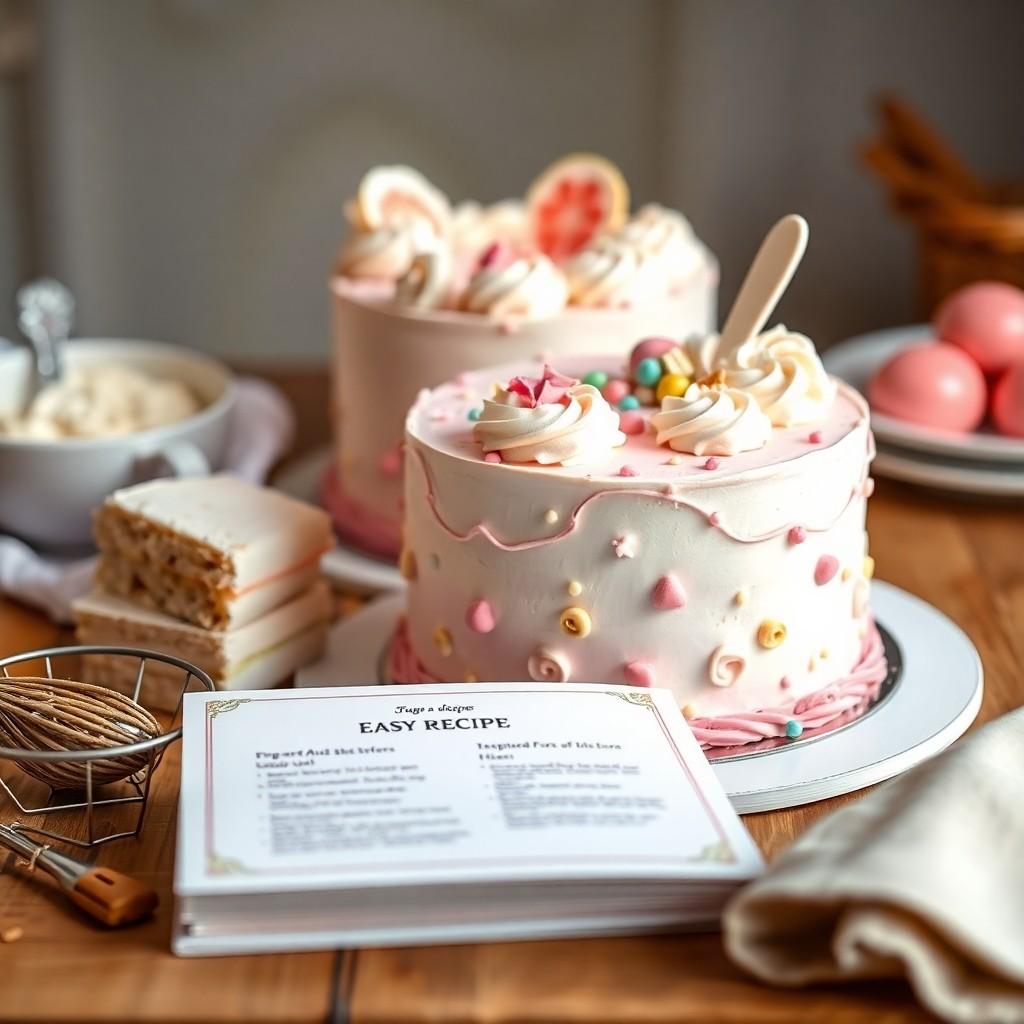
- Serves: 12 People
- Prepare Time: 25 minutes
- Cooking Time: 25-30 minut
- Calories: -
- Difficulty: Medium
Ever dreamt of a simple, comforting cake that tastes like a hug? You're in the right place! This cake baking recipe for traditional Sugar Cake is a true classic, bringing together a tender, buttery base with a sweet, caramelized topping. It’s one of those delicious baking recipes that feels both special and incredibly easy to make. Often associated with Amish and Moravian traditions, this cake isn't just a dessert; it's a piece of history, perfect for sharing with loved ones. Whether you're a seasoned baker or just looking for an easy recipe to bake, we’ll guide you through every step to create this yummy dessert to make from scratch. Get ready to discover the magic of a homemade Sugar Cake!
Ingredients
Directions
- Activate the Yeast: In a large bowl or the bowl of a stand mixer, combine the warm milk and granulated sugar. Sprinkle the active dry yeast over the top. Let it sit for 5-10 minutes until foamy, indicating the yeast is active.
- Combine Wet Ingredients: Add the melted butter, egg, and vanilla extract to the yeast mixture. Whisk gently to combine.
- Add Dry Ingredients: Gradually add the flour and salt to the wet ingredients. If using a stand mixer, attach the dough hook and mix on low speed until a shaggy dough forms. If mixing by hand, stir with a wooden spoon or spatula.
- Knead the Dough: Increase mixer speed to medium-low and knead for 5-7 minutes, or knead by hand on a lightly floured surface for 8-10 minutes, until the dough is smooth, elastic, and no longer sticky.
- First Rise: Lightly grease a clean bowl. Place the dough in the bowl, turning once to coat. Cover the bowl with plastic wrap or a clean kitchen towel and let it rise in a warm place for 1 to 1 ½ hours, or until doubled in size.
- Prepare Pan: Lightly grease a 9x13 inch (23x33 cm) baking pan.
- Shape the Cake: Once risen, gently punch down the dough to release the air. Transfer the dough to the prepared baking pan. Using your fingertips, gently press and spread the dough evenly to cover the bottom of the pan. It might be a little resistant; just keep gently pressing.
- Second Rise: Cover the pan loosely with plastic wrap or a kitchen towel. Let the dough rise again in a warm place for another 30-45 minutes, or until noticeably puffy.
- Preheat Oven & Prepare Topping: While the dough is on its second rise, preheat your oven to 350°F (175°C). In a small bowl, combine the melted butter, brown sugar, cinnamon (if using), and a pinch of salt for the topping. Mix well until it forms a thick, paste-like consistency.
- Add Topping & Bake: Once the dough has risen for the second time, use your fingers (or the back of a spoon) to create small indentations all over the surface of the dough. Spoon the brown sugar topping evenly over the dough, ensuring it gets into the indentations.
- Bake: Bake for 25-30 minutes, or until the cake is golden brown around the edges and the topping is bubbly and caramelized.
- Cool & Serve: Remove from the oven and let cool in the pan for at least 15-20 minutes before slicing and serving. The topping will set as it cools. Enjoy warm or at room temperature!
Bake the Best Sugar Cake Easy Recipe & Tips
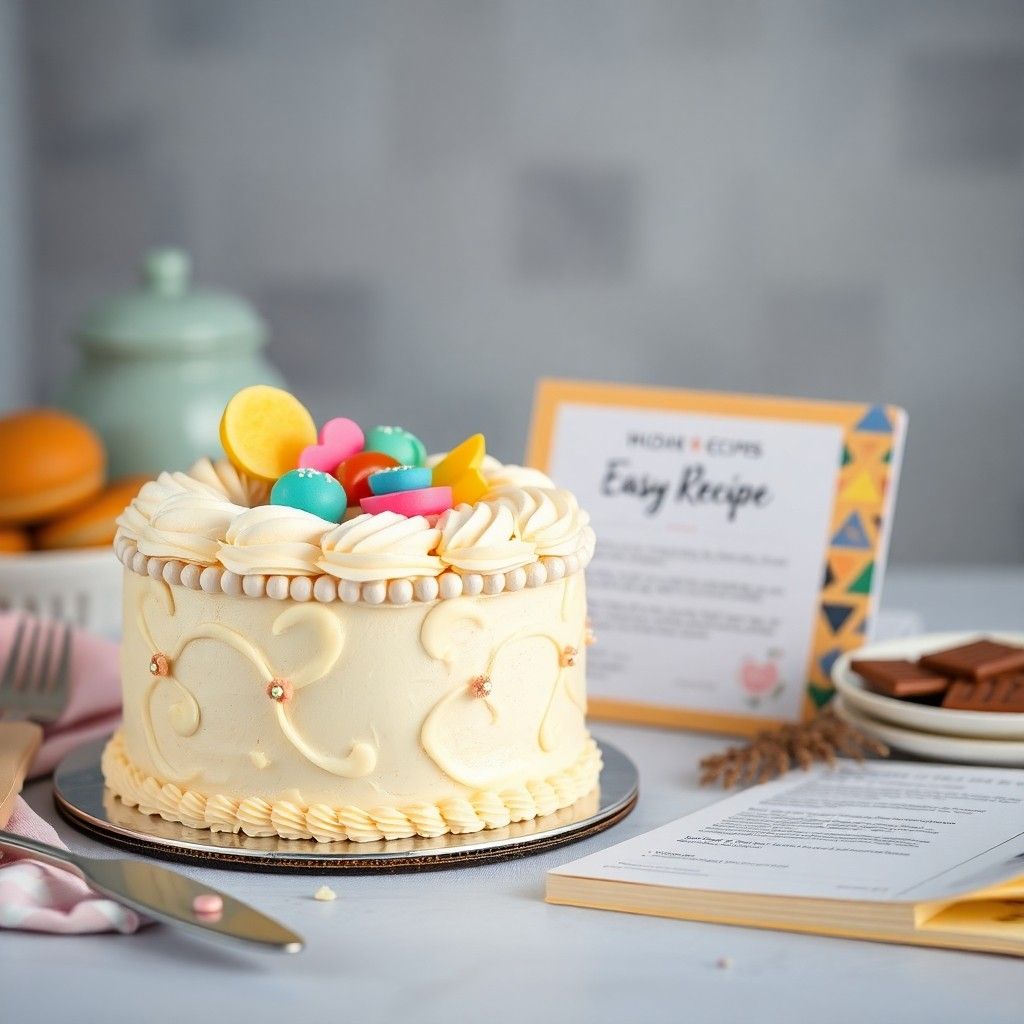
- Serves: 12 People
- Prepare Time: 25 minutes
- Cooking Time: 25-30 minut
- Calories: -
- Difficulty: Medium
Ever dreamt of a simple, comforting cake that tastes like a hug? You're in the right place! This cake baking recipe for traditional Sugar Cake is a true classic, bringing together a tender, buttery base with a sweet, caramelized topping. It’s one of those delicious baking recipes that feels both special and incredibly easy to make. Often associated with Amish and Moravian traditions, this cake isn't just a dessert; it's a piece of history, perfect for sharing with loved ones. Whether you're a seasoned baker or just looking for an easy recipe to bake, we’ll guide you through every step to create this yummy dessert to make from scratch. Get ready to discover the magic of a homemade Sugar Cake!
Ingredients
Directions
- Activate the Yeast: In a large bowl or the bowl of a stand mixer, combine the warm milk and granulated sugar. Sprinkle the active dry yeast over the top. Let it sit for 5-10 minutes until foamy, indicating the yeast is active.
- Combine Wet Ingredients: Add the melted butter, egg, and vanilla extract to the yeast mixture. Whisk gently to combine.
- Add Dry Ingredients: Gradually add the flour and salt to the wet ingredients. If using a stand mixer, attach the dough hook and mix on low speed until a shaggy dough forms. If mixing by hand, stir with a wooden spoon or spatula.
- Knead the Dough: Increase mixer speed to medium-low and knead for 5-7 minutes, or knead by hand on a lightly floured surface for 8-10 minutes, until the dough is smooth, elastic, and no longer sticky.
- First Rise: Lightly grease a clean bowl. Place the dough in the bowl, turning once to coat. Cover the bowl with plastic wrap or a clean kitchen towel and let it rise in a warm place for 1 to 1 ½ hours, or until doubled in size.
- Prepare Pan: Lightly grease a 9x13 inch (23x33 cm) baking pan.
- Shape the Cake: Once risen, gently punch down the dough to release the air. Transfer the dough to the prepared baking pan. Using your fingertips, gently press and spread the dough evenly to cover the bottom of the pan. It might be a little resistant; just keep gently pressing.
- Second Rise: Cover the pan loosely with plastic wrap or a kitchen towel. Let the dough rise again in a warm place for another 30-45 minutes, or until noticeably puffy.
- Preheat Oven & Prepare Topping: While the dough is on its second rise, preheat your oven to 350°F (175°C). In a small bowl, combine the melted butter, brown sugar, cinnamon (if using), and a pinch of salt for the topping. Mix well until it forms a thick, paste-like consistency.
- Add Topping & Bake: Once the dough has risen for the second time, use your fingers (or the back of a spoon) to create small indentations all over the surface of the dough. Spoon the brown sugar topping evenly over the dough, ensuring it gets into the indentations.
- Bake: Bake for 25-30 minutes, or until the cake is golden brown around the edges and the topping is bubbly and caramelized.
- Cool & Serve: Remove from the oven and let cool in the pan for at least 15-20 minutes before slicing and serving. The topping will set as it cools. Enjoy warm or at room temperature!
The following nutritional values are per serving (one piece of cake) Calories ~320-350 kcal Carbohydrates ~45-50g Protein ~5-7g Fat ~15-18g Time-Saving Tools & Ingredients Here are a few handy helpers and ingredients that can make your sugar cake baking experience even smoother and more enjoyable, especially if you're looking to save a few precious minutes! Problem: Creaming butter and sugar by hand can be a real workout, leaving your arms tired before you even get to the fun part. It also takes time to achieve that perfectly light and fluffy texture. Problem: Cakes sticking to the pan is a baker's nightmare, leading to broken edges and frustration when trying to release your beautiful creation. Greasing and flouring can be messy and sometimes isn't enough. Problem: Measuring ingredients by volume (cups) can be notoriously inaccurate, especially with flour, leading to inconsistent results in your baking. A slight variation can drastically change the cake's texture. Click any ingredient for detailed nutritional information:Recipe Nutritional Values
Additional Information
Recipe Success Tips
Pro Tips, Variations & Storage
Ingredient Substitutions & Variations
Cultural Variations
Make-Ahead & Storage Instructions
Frequently Asked Questions
Recommended Kitchen Tools
Stand Mixer or Hand Mixer
Agitate: Without proper aeration, your cake might end up denser than you’d like, missing that signature tender crumb. Plus, who wants to spend extra time vigorously whisking when there are other steps to tackle?
Solution: A stand mixer or a good quality hand mixer does all the hard work for you! It effortlessly creams ingredients, ensuring consistent aeration and a perfectly uniform batter in a fraction of the time. This frees you up to prep other ingredients or simply relax.Parchment Paper
Agitate: Imagine all your hard work going to waste because your cake clings stubbornly to the pan, ruining its presentation and potentially your mood. It adds extra cleanup time too!
Solution: Lining your baking pan with parchment paper creates a non-stick barrier that guarantees an easy release every single time. Simply lift the cake out of the pan, peel away the parchment, and you’re left with a perfectly intact, beautifully baked sugar cake with minimal mess.Digital Kitchen Scale
Agitate: Ever wonder why your cake turned out dry one time and perfectly moist the next, even though you followed the recipe exactly? It’s often due to inconsistent volume measurements, which can be frustrating and wasteful.
Solution: A digital kitchen scale measures ingredients by weight (grams), providing pinpoint accuracy. This ensures you're using the exact amount of each ingredient every time, leading to consistently perfect sugar cakes with the ideal texture and flavor profile. It's a game-changer for serious and aspiring bakers alike.Calories per Ingredient
You may also like



Hey there! I’m just someone who seriously loves good food and believes that cooking doesn’t have to be complicated to be amazing. Whether it’s a quick weeknight dinner or a cozy weekend meal, I’m all about sharing easy, tasty recipes that actually work.