Tagine Chicken Recipe Algerian Olives & Chicken Stew
Tagine Chicken Recipe Algerian Olives & Chicken Stew
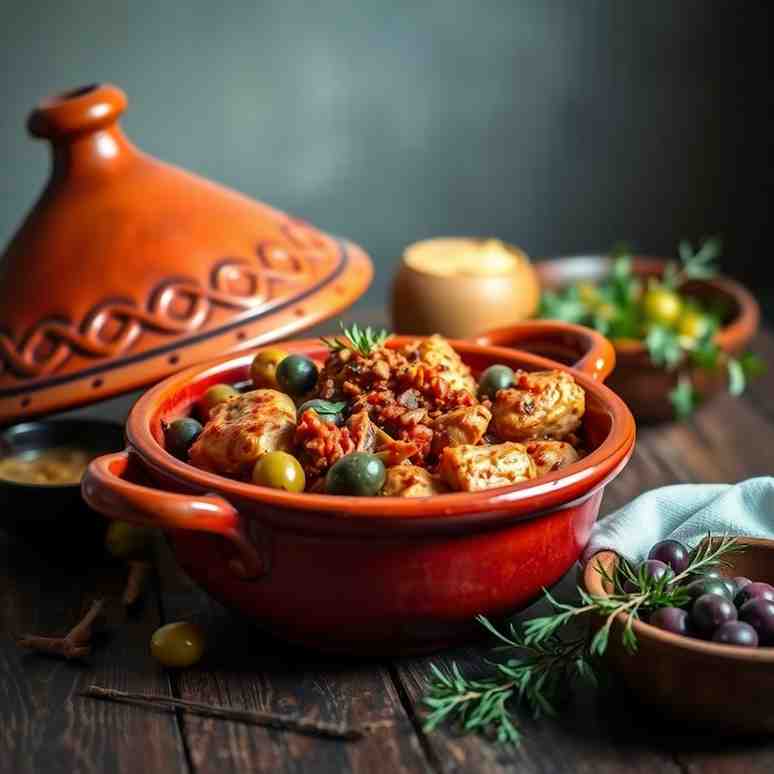
- Serves: 4 People
- Prepare Time: 25 minutes
- Cooking Time: 50 minutes
- Calories: -
- Difficulty: Medium
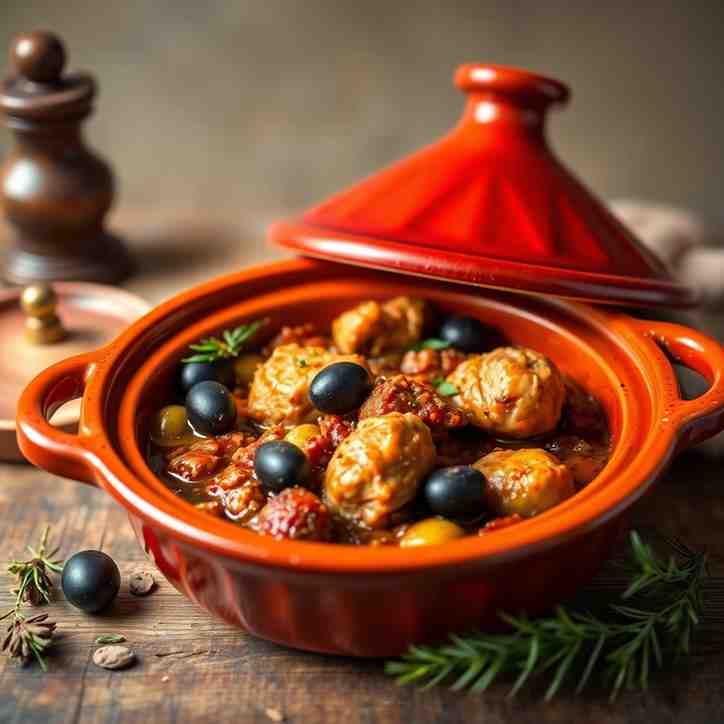
Craving a dish that transports you straight to the vibrant kitchens of North Africa? Get ready to discover Tajine Zitoune, an authentic Algerian chicken with olives stew that’s as comforting as it is flavorful. This isn't just any tagine chicken recipe; it's a culinary journey featuring tender chicken, savory green olives, and aromatic spices, all simmered together in a rich, golden sauce. Perfect for a cozy family dinner or a special gathering, this African cuisine recipe brings the heart of Algerian tradition right to your table.
We’ve tested this recipe extensively for US kitchens, ensuring you can achieve that deep, olive-forward flavor without any overpowering saltiness. It’s a beautifully balanced stew – savory, lightly citrusy, and warm with spices – that works wonders on a weeknight but feels special enough for any occasion. Whether you’re a beginner cook or an experienced home chef, our easy-to-follow guide will help you master this incredible chicken stew with rice or crusty bread. Let's dive into making your new favorite African dish recipe!
Ingredients
Directions
- Step 1 – Prep the Olives First, let's get those whole green olives ready! Rinse them thoroughly under cold water. Place the rinsed olives in a bowl and cover with fresh cold water. Let them soak for 20-30 minutes. After soaking, drain the water. Bring a small pot of water to a simmer, add the olives, and blanch for 3-5 minutes. Drain, taste one – if still very salty, repeat the blanching process once more. Drain again and set aside. This crucial step helps manage their saltiness and bitterness, ensuring a balanced stew.
- Step 2 – Brown the Chicken Pat your chicken with bone in pieces very dry with paper towels. Season them lightly with salt and pepper. In a heavy-bottomed pot or Dutch oven (or a clay tagine with a diffuser, using lower heat), heat 2 tablespoons of olive oil over medium-high heat. Sear the chicken pieces until golden brown on both sides (about 2-3 minutes per side). Don't worry about cooking them through; we just want that beautiful color and flavor. Remove the chicken to a plate and set aside, leaving the rendered fat in the pot. If using a clay tagine, sear more gently and in smaller batches to prevent scorching.
- Step 3 – Build the Onion & Spice Base Reduce the heat to medium. Add the chopped onions to the same pot, adding another splash of olive oil if needed. Cook, stirring occasionally, until the onions are soft and translucent but not browned, about 5-7 minutes. Stir in the minced garlic and cook for another minute until fragrant. Add the turmeric (or saffron), cumin, ginger, cinnamon, black pepper, and optional Ras el Hanout. Cook for 30-60 seconds, stirring constantly, until the spices are fragrant. This step really wakes up their flavors!
- Add Carrots, Herbs & Liquid Stir in the sliced carrots, about half of the fresh parsley and cilantro, the thyme sprig, and the bay leaf. Return the browned chicken pieces to the pot, nestling them among the vegetables. Pour in enough water or mild chicken stock to come most of the way up the chicken, but don't fully submerge it – we want a saucy stew, not a soup. Bring the mixture to a gentle simmer, then cover the pot and cook for 15-25 minutes, or until the chicken is almost tender.
- Add the Olives & Reduce the Sauce Stir in the prepped green olives. If using a clay tagine, you might need to add a splash more water to prevent scorching. Continue to simmer the stew, uncovered or partially covered, until the chicken is fully cooked and very tender (it should practically fall off the bone!), the carrots are soft but still hold their shape, and the sauce has reduced to a glossy, spoon-coating consistency. This could take another 15-20 minutes, depending on how much liquid you started with.
- Finish with Lemon & Fresh Herbs Remove the pot from the heat. Stir in the fresh lemon juice (and a little chopped preserved lemon, if using, for an extra zing). Taste the sauce and adjust the salt if needed (remember the olives bring a lot of flavor!), adding a pinch more pepper if desired. Sprinkle generously with the remaining fresh parsley and cilantro. Serve your delicious Tajine Zitoune hot.
Tagine Chicken Recipe Algerian Olives & Chicken Stew
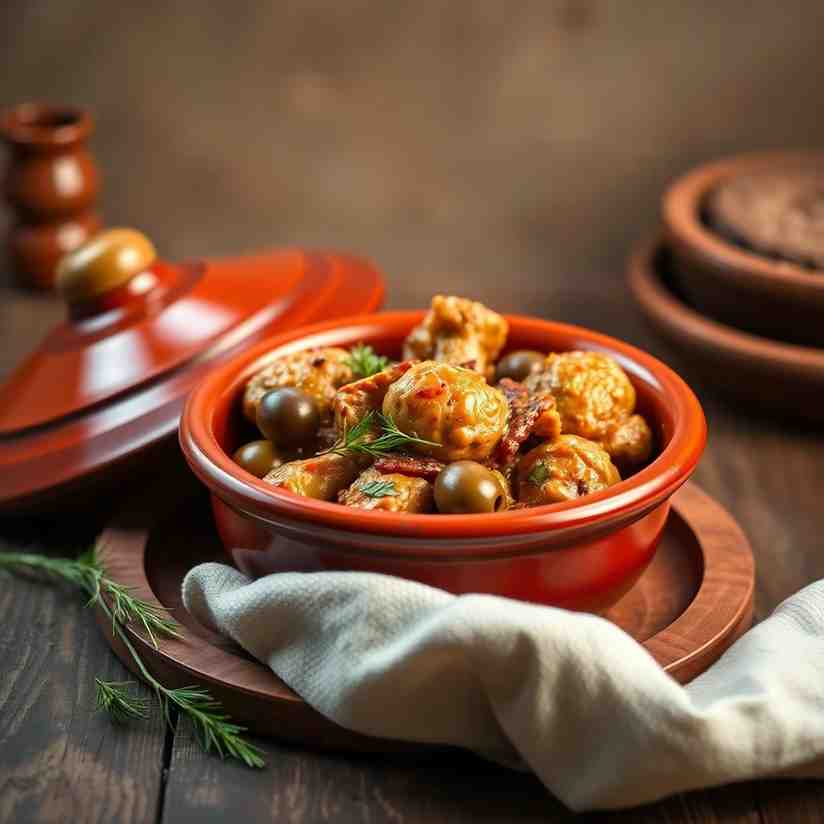
- Serves: 4 People
- Prepare Time: 25 minutes
- Cooking Time: 50 minutes
- Calories: -
- Difficulty: Medium
Craving a dish that transports you straight to the vibrant kitchens of North Africa? Get ready to discover Tajine Zitoune, an authentic Algerian chicken with olives stew that’s as comforting as it is flavorful. This isn't just any tagine chicken recipe; it's a culinary journey featuring tender chicken, savory green olives, and aromatic spices, all simmered together in a rich, golden sauce. Perfect for a cozy family dinner or a special gathering, this African cuisine recipe brings the heart of Algerian tradition right to your table.
We’ve tested this recipe extensively for US kitchens, ensuring you can achieve that deep, olive-forward flavor without any overpowering saltiness. It’s a beautifully balanced stew – savory, lightly citrusy, and warm with spices – that works wonders on a weeknight but feels special enough for any occasion. Whether you’re a beginner cook or an experienced home chef, our easy-to-follow guide will help you master this incredible chicken stew with rice or crusty bread. Let's dive into making your new favorite African dish recipe!
Ingredients
Directions
- Step 1 – Prep the Olives First, let's get those whole green olives ready! Rinse them thoroughly under cold water. Place the rinsed olives in a bowl and cover with fresh cold water. Let them soak for 20-30 minutes. After soaking, drain the water. Bring a small pot of water to a simmer, add the olives, and blanch for 3-5 minutes. Drain, taste one – if still very salty, repeat the blanching process once more. Drain again and set aside. This crucial step helps manage their saltiness and bitterness, ensuring a balanced stew.
- Step 2 – Brown the Chicken Pat your chicken with bone in pieces very dry with paper towels. Season them lightly with salt and pepper. In a heavy-bottomed pot or Dutch oven (or a clay tagine with a diffuser, using lower heat), heat 2 tablespoons of olive oil over medium-high heat. Sear the chicken pieces until golden brown on both sides (about 2-3 minutes per side). Don't worry about cooking them through; we just want that beautiful color and flavor. Remove the chicken to a plate and set aside, leaving the rendered fat in the pot. If using a clay tagine, sear more gently and in smaller batches to prevent scorching.
- Step 3 – Build the Onion & Spice Base Reduce the heat to medium. Add the chopped onions to the same pot, adding another splash of olive oil if needed. Cook, stirring occasionally, until the onions are soft and translucent but not browned, about 5-7 minutes. Stir in the minced garlic and cook for another minute until fragrant. Add the turmeric (or saffron), cumin, ginger, cinnamon, black pepper, and optional Ras el Hanout. Cook for 30-60 seconds, stirring constantly, until the spices are fragrant. This step really wakes up their flavors!
- Add Carrots, Herbs & Liquid Stir in the sliced carrots, about half of the fresh parsley and cilantro, the thyme sprig, and the bay leaf. Return the browned chicken pieces to the pot, nestling them among the vegetables. Pour in enough water or mild chicken stock to come most of the way up the chicken, but don't fully submerge it – we want a saucy stew, not a soup. Bring the mixture to a gentle simmer, then cover the pot and cook for 15-25 minutes, or until the chicken is almost tender.
- Add the Olives & Reduce the Sauce Stir in the prepped green olives. If using a clay tagine, you might need to add a splash more water to prevent scorching. Continue to simmer the stew, uncovered or partially covered, until the chicken is fully cooked and very tender (it should practically fall off the bone!), the carrots are soft but still hold their shape, and the sauce has reduced to a glossy, spoon-coating consistency. This could take another 15-20 minutes, depending on how much liquid you started with.
- Finish with Lemon & Fresh Herbs Remove the pot from the heat. Stir in the fresh lemon juice (and a little chopped preserved lemon, if using, for an extra zing). Taste the sauce and adjust the salt if needed (remember the olives bring a lot of flavor!), adding a pinch more pepper if desired. Sprinkle generously with the remaining fresh parsley and cilantro. Serve your delicious Tajine Zitoune hot.
The following nutritional values are per serving (one piece of cake) Calories Approximately 450-550 kcal per serving Carbohydrates Approximately 15-20g per serving Protein Approximately 35-45g per serving Fat Approximately 25-35g per serving Cooking up a delicious Algerian Tajine Zitoune doesn't have to be a marathon! While this recipe is straightforward, a few smart tools and ingredient choices can make your time in the kitchen even smoother. We're all about making authentic flavors accessible, and sometimes that means a little help from our friends (aka, kitchen gadgets!). Problem: Ever tried to simmer a stew in a thin, flimsy pot? It's a recipe for disaster! Problem: How do you know if your bone-in chicken is truly cooked through without overcooking it into rubbery submission? Problem: Crafting a complex, aromatic spice blend from scratch can be time-consuming and require a well-stocked spice cabinet. Click any ingredient for detailed nutritional information:Recipe Nutritional Values
Additional Information
Recipe Success Tips
Ingredient Substitutions & Variations
Cultural Variations
Make-Ahead & Storage Instructions
Frequently Asked Questions
Recommended Kitchen Tools
A Heavy-Bottomed Pot or Dutch Oven
Agitate: Uneven heat distribution can lead to scorched bottoms, stuck-on food, and chicken that’s tough in some spots and mushy in others. You end up stirring constantly and still getting frustrated.
Solution: A good quality, heavy-bottomed pot or Dutch oven (like a trusty cast iron one) is your best friend. It distributes heat evenly, preventing scorching and allowing your stew to gently bubble to perfection. This means less stirring for you and perfectly tender chicken and vegetables every time.Instant-Read Thermometer
Agitate: Guessing can lead to dry, overcooked chicken or, worse, undercooked poultry that isn't safe to eat. No one wants to serve or eat questionable chicken.
Solution: An instant-read thermometer takes all the guesswork out. A quick poke into the thickest part of the chicken (avoiding the bone) will tell you precisely when it's reached the safe internal temperature of 165°F (74°C), ensuring juicy, tender results every time. It's a small investment for huge peace of mind!Pre-Blended Ras el Hanout Spice Mix
Agitate: Measuring out individual spices like turmeric, cumin, ginger, cinnamon, and various peppers can add precious minutes to your prep time, especially if you're not familiar with the ratios. Plus, if you don't have all the ingredients, you might miss out on that authentic depth.
Solution: Opting for a quality pre-blended Ras el Hanout mix is a fantastic shortcut. This North African staple already contains a harmonious blend of many spices, giving your Tajine Zitoune incredible depth and complexity with just one scoop. It saves time and ensures a beautifully balanced flavor profile without the fuss.Calories per Ingredient
You may also like



Hey there! I’m just someone who seriously loves good food and believes that cooking doesn’t have to be complicated to be amazing. Whether it’s a quick weeknight dinner or a cozy weekend meal, I’m all about sharing easy, tasty recipes that actually work.