Pakhlava - Easy Recipe
Pakhlava - Easy Recipe
- Serves: 36 People
- Prepare Time: 45 minutes
- Cooking Time: 60 minutes
- Calories: -
- Difficulty: Easy
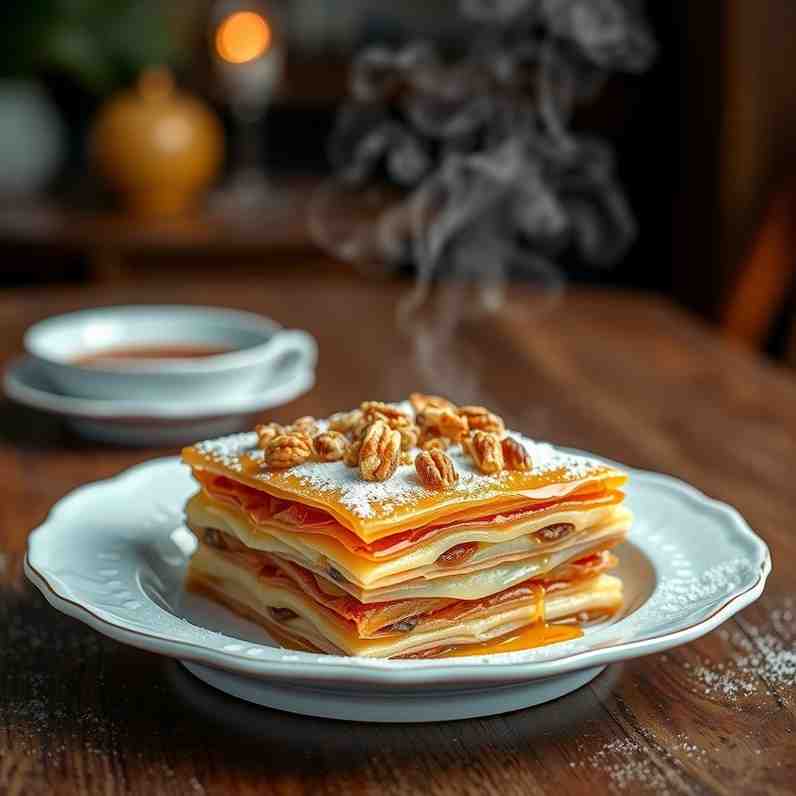
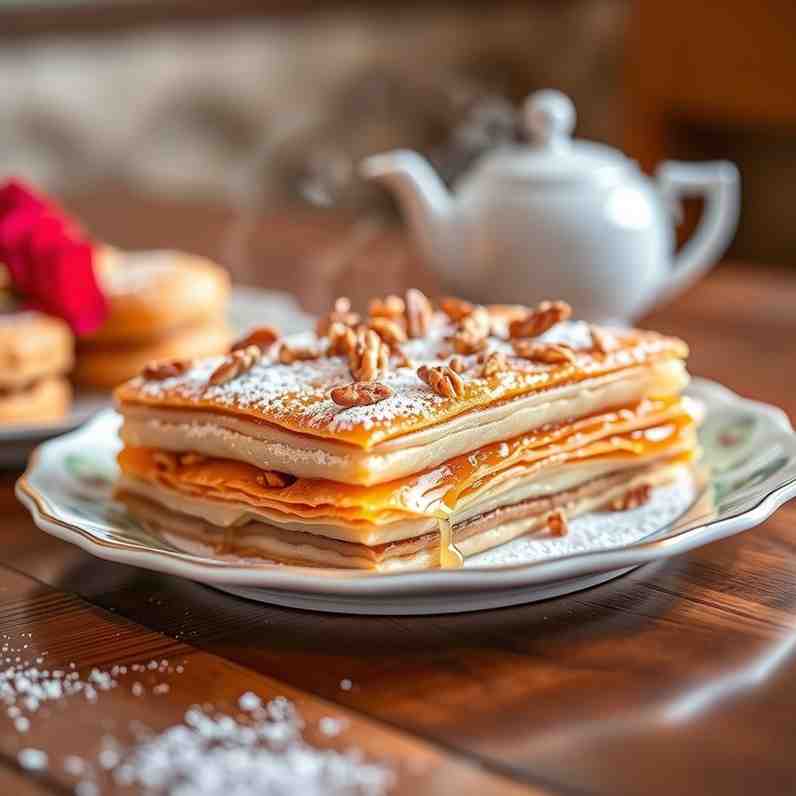
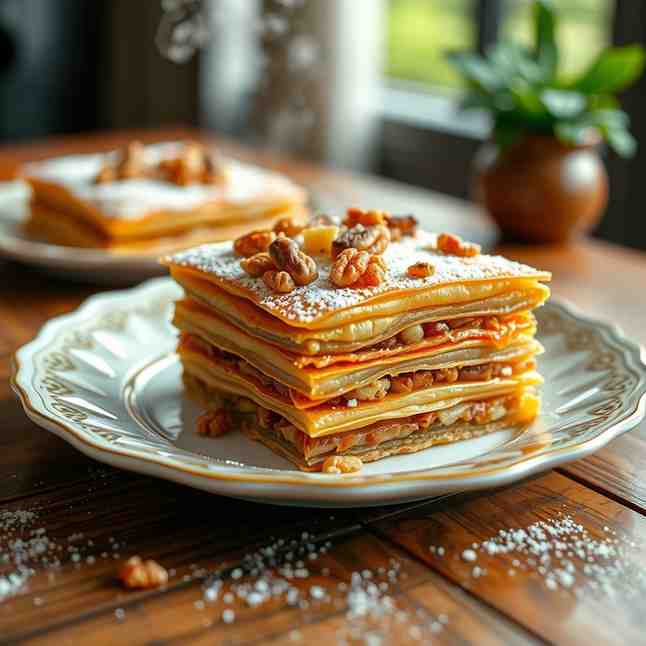
Welcome to a delightful journey into the heart of Middle Eastern and Caucasian sweets! If you’ve ever dreamed of making a truly special dessert, our Pakhlava Recipe is your perfect starting point. Often called Armenian Baklava or simply paklava, this isn't just any baklava recipe; it’s a celebration of crisp phyllo, aromatic spices, and a subtly sweet, lemony syrup that will transport your taste buds. Forget overly complicated food recipes – we're stripping it down to make this traditional treat achievable for every home cook.
What sets this pakhlava apart? It's all about balance. We’re using delicate phyllo dough to create dozens of buttery, flaky layers, a rich walnut-forward filling spiced with cinnamon and a hint of clove, and a sugar-based syrup infused with lemon, rather than the heavy honey often found in Greek baklava. This recipe is designed to be your go-to guide for food to make for holidays, gatherings, or just a sweet craving. We promise a crispy top, a tender, nutty middle, and a syrupy finish that’s flavorful without ever being soggy. Get ready to master one of the most beloved recipes dessert has to offer!
Ingredients
Directions
- Make the Syrup
- In a small saucepan, combine water and sugar. Bring the mixture to a gentle boil over medium heat, stirring occasionally until the sugar completely dissolves.
- Add the lemon juice and whole cloves (or cinnamon stick, if using). Reduce heat to low and simmer gently for 5-7 minutes.
- Remove the saucepan from the heat. Discard the whole cloves or cinnamon stick. Let the syrup cool until it is warm to the touch (it should be noticeably warmer than room temperature, but not hot).
- Why this matters: Pouring warm syrup over hot pakhlava allows the pastry to absorb the liquid gradually without becoming soggy. If both are cold, the absorption is poor; if both are too hot, the pastry can overcook and become mushy.
- Make the Walnut Filling In a medium bowl, combine the chopped walnuts, granulated sugar, cinnamon, optional clove/cardamom, and pinch of salt. Mix thoroughly until everything is evenly distributed.
- Tip: Aim for small, but not powdery, pieces of walnut. A food processor can help, but be careful not to over-process into a paste.
- Prep the Phyllo & Pan
- Preheat your oven to 325°F (160°C).
- Melt the unsalted butter and clarify it if desired (this means gently melting it and skimming off the milk solids for a purer butter flavor and less moisture).
- Brush the bottom and sides of a 9x13-inch metal baking pan generously with some of the melted butter.
- Carefully unroll the thawed phyllo dough. Immediately cover the stack of phyllo sheets with a clean, slightly damp kitchen towel to prevent them from drying out and cracking. Keep them covered throughout the process, only exposing one sheet at a time.
- Layer the Bottom Phyllo Stack
- Layering Overview: We'll build a base of about 10 sheets, then create 4 layers of nuts separated by 5 sheets each, and finally cap it with another 10 sheets on top.
- Place one sheet of phyllo dough into the prepared baking pan. Gently brush the entire surface with melted butter.
- Repeat this process, layering and buttering, until you have a stack of 10 buttered phyllo sheets forming your base. (Don't worry if the sheets don't fit perfectly; you can trim them with scissors or fold them slightly to fit.)
- Add Nut Layers & Middle Phyllo
- Evenly spread about ¾ cup of the walnut filling over the top of your 10-sheet phyllo base.
- Place another phyllo sheet on top of the nuts and brush it with butter. Repeat this for 4 more sheets, so you have 5 buttered phyllo sheets separating the nut layers.
- Spread another ¾ cup of walnut filling over these 5 sheets.
- Repeat the pattern: 5 buttered phyllo sheets, then ¾ cup walnut filling. Do this two more times until all the walnut filling is used (you should have spread nuts four times in total).
- Reassurance: If your phyllo package has slightly more or fewer sheets, don't stress! The key is to have the top and bottom layers thickest, with reasonably consistent layers in the middle.
- Top Layers & Cut
- Once the last layer of nuts is down, begin adding the final top stack of phyllo sheets. Place a sheet, brush with butter, and repeat until you have another 10 buttered phyllo sheets on top. Ensure the top sheet is thoroughly buttered.
- Using a sharp chef’s knife or a long serrated knife, carefully cut the pakhlava into diamond shapes before baking.
- First, make straight cuts down the length of the pan, about 1 ½ inches apart.
- Then, make diagonal cuts across the pan, creating a grid of diamonds. Visualize an imaginary grid to keep your cuts even. Cut all the way through to the bottom of the pan.
- Bake
- Place the pan in your preheated oven. Bake for 50-60 minutes, or until the pakhlava is deeply golden brown on top and the edges are crispy and flaky.
- You'll know it's ready when your kitchen is filled with an absolutely irresistible buttery, nutty aroma!
- Syrup & Resting
- Immediately upon removing the hot pakhlava from the oven, evenly pour the warm syrup over the entire surface of the cut pastry.
- Sensory Cue: You should hear a satisfying sizzle as the syrup hits the hot phyllo – this is a sign it’s absorbing beautifully!
Let the pakhlava cool completely at room temperature. For the best texture and full flavor development, allow it to rest uncovered for several hours, or even better, overnight. This resting time is crucial for the syrup to fully penetrate and for the layers to become perfectly set, crispy, and tender.
Pakhlava - Easy Recipe
- Serves: 36 People
- Prepare Time: 45 minutes
- Cooking Time: 60 minutes
- Calories: -
- Difficulty: Easy
Welcome to a delightful journey into the heart of Middle Eastern and Caucasian sweets! If you’ve ever dreamed of making a truly special dessert, our Pakhlava Recipe is your perfect starting point. Often called Armenian Baklava or simply paklava, this isn't just any baklava recipe; it’s a celebration of crisp phyllo, aromatic spices, and a subtly sweet, lemony syrup that will transport your taste buds. Forget overly complicated food recipes – we're stripping it down to make this traditional treat achievable for every home cook.
What sets this pakhlava apart? It's all about balance. We’re using delicate phyllo dough to create dozens of buttery, flaky layers, a rich walnut-forward filling spiced with cinnamon and a hint of clove, and a sugar-based syrup infused with lemon, rather than the heavy honey often found in Greek baklava. This recipe is designed to be your go-to guide for food to make for holidays, gatherings, or just a sweet craving. We promise a crispy top, a tender, nutty middle, and a syrupy finish that’s flavorful without ever being soggy. Get ready to master one of the most beloved recipes dessert has to offer!
Ingredients
Directions
- Make the Syrup
- In a small saucepan, combine water and sugar. Bring the mixture to a gentle boil over medium heat, stirring occasionally until the sugar completely dissolves.
- Add the lemon juice and whole cloves (or cinnamon stick, if using). Reduce heat to low and simmer gently for 5-7 minutes.
- Remove the saucepan from the heat. Discard the whole cloves or cinnamon stick. Let the syrup cool until it is warm to the touch (it should be noticeably warmer than room temperature, but not hot).
- Why this matters: Pouring warm syrup over hot pakhlava allows the pastry to absorb the liquid gradually without becoming soggy. If both are cold, the absorption is poor; if both are too hot, the pastry can overcook and become mushy.
- Make the Walnut Filling In a medium bowl, combine the chopped walnuts, granulated sugar, cinnamon, optional clove/cardamom, and pinch of salt. Mix thoroughly until everything is evenly distributed.
- Tip: Aim for small, but not powdery, pieces of walnut. A food processor can help, but be careful not to over-process into a paste.
- Prep the Phyllo & Pan
- Preheat your oven to 325°F (160°C).
- Melt the unsalted butter and clarify it if desired (this means gently melting it and skimming off the milk solids for a purer butter flavor and less moisture).
- Brush the bottom and sides of a 9x13-inch metal baking pan generously with some of the melted butter.
- Carefully unroll the thawed phyllo dough. Immediately cover the stack of phyllo sheets with a clean, slightly damp kitchen towel to prevent them from drying out and cracking. Keep them covered throughout the process, only exposing one sheet at a time.
- Layer the Bottom Phyllo Stack
- Layering Overview: We'll build a base of about 10 sheets, then create 4 layers of nuts separated by 5 sheets each, and finally cap it with another 10 sheets on top.
- Place one sheet of phyllo dough into the prepared baking pan. Gently brush the entire surface with melted butter.
- Repeat this process, layering and buttering, until you have a stack of 10 buttered phyllo sheets forming your base. (Don't worry if the sheets don't fit perfectly; you can trim them with scissors or fold them slightly to fit.)
- Add Nut Layers & Middle Phyllo
- Evenly spread about ¾ cup of the walnut filling over the top of your 10-sheet phyllo base.
- Place another phyllo sheet on top of the nuts and brush it with butter. Repeat this for 4 more sheets, so you have 5 buttered phyllo sheets separating the nut layers.
- Spread another ¾ cup of walnut filling over these 5 sheets.
- Repeat the pattern: 5 buttered phyllo sheets, then ¾ cup walnut filling. Do this two more times until all the walnut filling is used (you should have spread nuts four times in total).
- Reassurance: If your phyllo package has slightly more or fewer sheets, don't stress! The key is to have the top and bottom layers thickest, with reasonably consistent layers in the middle.
- Top Layers & Cut
- Once the last layer of nuts is down, begin adding the final top stack of phyllo sheets. Place a sheet, brush with butter, and repeat until you have another 10 buttered phyllo sheets on top. Ensure the top sheet is thoroughly buttered.
- Using a sharp chef’s knife or a long serrated knife, carefully cut the pakhlava into diamond shapes before baking.
- First, make straight cuts down the length of the pan, about 1 ½ inches apart.
- Then, make diagonal cuts across the pan, creating a grid of diamonds. Visualize an imaginary grid to keep your cuts even. Cut all the way through to the bottom of the pan.
- Bake
- Place the pan in your preheated oven. Bake for 50-60 minutes, or until the pakhlava is deeply golden brown on top and the edges are crispy and flaky.
- You'll know it's ready when your kitchen is filled with an absolutely irresistible buttery, nutty aroma!
- Syrup & Resting
- Immediately upon removing the hot pakhlava from the oven, evenly pour the warm syrup over the entire surface of the cut pastry.
- Sensory Cue: You should hear a satisfying sizzle as the syrup hits the hot phyllo – this is a sign it’s absorbing beautifully!
Let the pakhlava cool completely at room temperature. For the best texture and full flavor development, allow it to rest uncovered for several hours, or even better, overnight. This resting time is crucial for the syrup to fully penetrate and for the layers to become perfectly set, crispy, and tender.
You may also like

Hey there! I’m just someone who seriously loves good food and believes that cooking doesn’t have to be complicated to be amazing. Whether it’s a quick weeknight dinner or a cozy weekend meal, I’m all about sharing easy, tasty recipes that actually work.