Yalanchi Recipe Armenian Stuffed Grape Leaves
Yalanchi Recipe Armenian Stuffed Grape Leaves
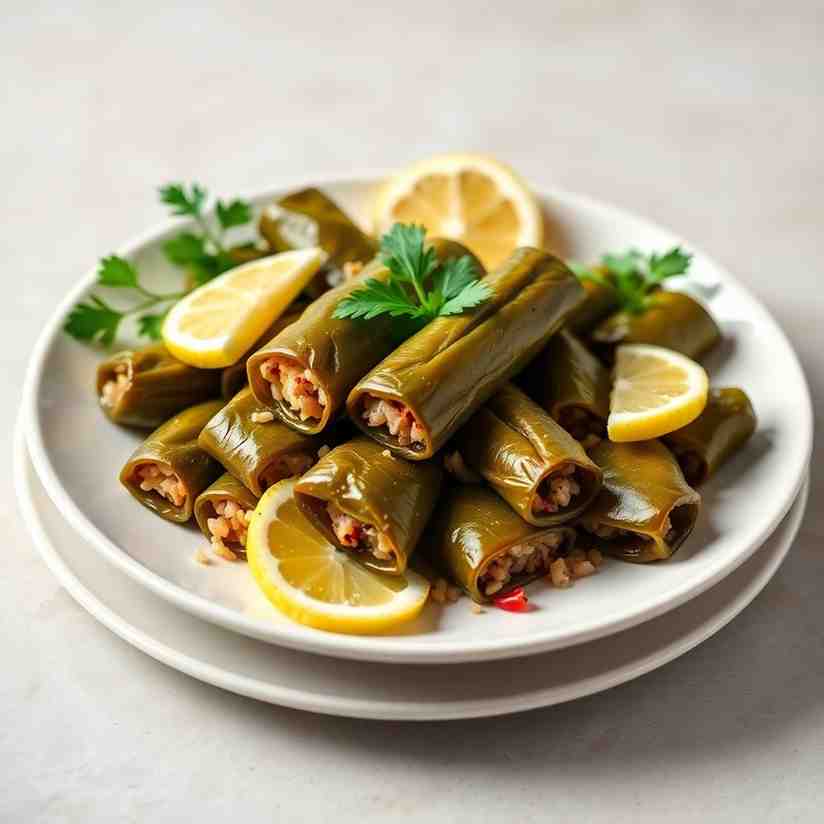
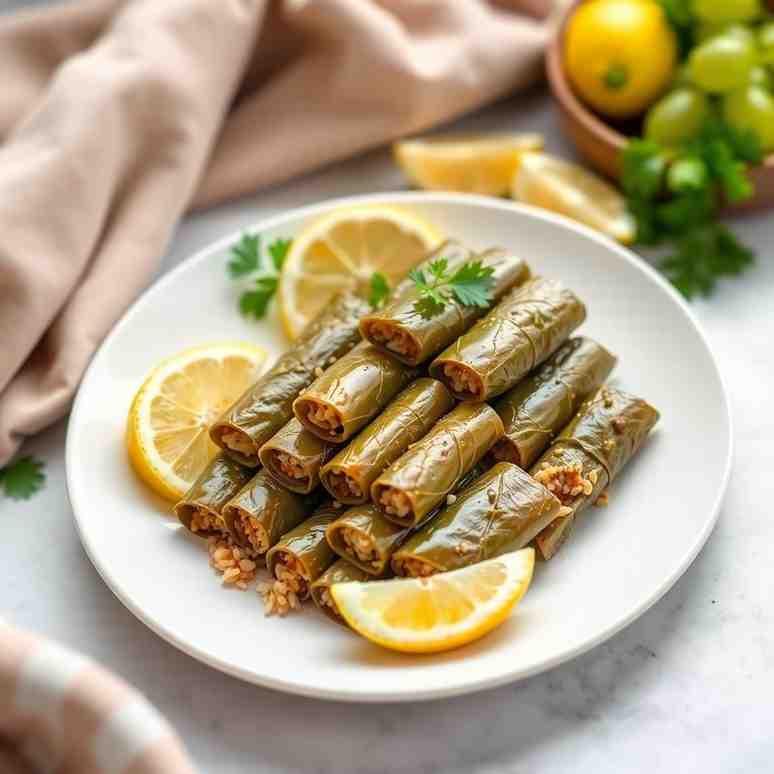
- Serves: 6 People
- Prepare Time: 2 hours 15
- Cooking Time: 1 hour 15 m
- Calories: -
- Difficulty: Medium
Get ready to embark on a delectable journey with Armenian Yalanchi, the ultimate vegetarian stuffed grape leaves! If you've ever fallen in love with the bright, savory, and tender flavors of Mediterranean cuisine, then yalanchi is about to become your new obsession. These perfectly rolled parcels of seasoned rice, fresh herbs, and a zesty lemon kick are not just a dish; they're a celebration, a labor of love, and pure comfort food. Americans tend to adore them for their unique texture and incredible depth of flavor.
For me, learning this authentic yalanchi recipe wasn't just about cooking; it was about connecting with my Armenian heritage and community. Every roll carries a whisper of tradition, passed down through generations. This particular yalanchi sarma recipe is a game-changer: it's naturally vegetarian and vegan-friendly, perfect for making ahead, and an absolute star on any mezze platter or party spread. Whether you're a seasoned chef or a kitchen beginner, this step-by-step guide will help you master the art of making the most delicious Armenian stuffed grape leaves you've ever tasted.
Ingredients
Directions
- Prep the Grape Leaves
Rinse & Soak: Carefully remove the grape leaves from the jar. Rinse them under cool running water for several minutes to remove excess brine. Place them in a large bowl, cover with fresh cool water, and let them soak for at least 30 minutes (or up to 2 hours) to further desalt. Drain well.
Trim Stems: Lay each leaf flat, shiny side down (veiny side up). Using a small sharp knife, carefully trim any tough stems at the base without tearing the leaf itself.
Sort & Reserve: Sort the leaves by size. Set aside any torn, small, or oddly shaped leaves. These will be used to line the baking dish and cover the top of your rolled grape leaves later. Your prepared leaves should feel supple, not brittle or slimy. - Cook the Rice Filling
Sauté Onions: In a large skillet or pot, heat ¼ cup of olive oil over medium heat. Add the finely chopped onions and sauté gently for 10-15 minutes, stirring occasionally, until they are very soft and translucent, almost sweet-smelling, but do not let them brown. This slow cooking develops a deep flavor.
Toast Rice: Add the rinsed medium-grain rice to the skillet with the onions. Stir well to coat the rice in the olive oil. Toast gently for 2-3 minutes until the rice looks slightly glossy.
Add Aromatics & Liquid: Stir in the tomato paste (or sauce), chopped parsley, dill/mint, ¼ cup lemon juice, ½ cup water, salt, black pepper, and optional chili/cayenne. If using pine nuts or currants, stir them in now.
Par-Cook Filling: Bring the mixture to a gentle simmer, then reduce heat to low, cover, and cook for about 10-12 minutes. The rice should be par-cooked, meaning it's still slightly firm in the center but has absorbed most of the liquid. There might be a tiny firm core left, which is perfect as it will finish cooking in the oven.
Cool: Remove the filling from the heat and spread it out on a baking sheet or transfer it to a shallow bowl. Let it cool completely to room temperature. This is crucial for easy handling and to prevent the leaves from tearing when rolling hot rice. - Set Up a Rolling Station
Organize: Clear a clean, flat surface like a large cutting board. Arrange your prepped grape leaves in a stack (veiny side up). Place the cooled rice filling in a bowl nearby, and have your empty baking dish or Dutch oven ready for the finished rolls.
Estimate Filling: For each leaf, you'll use approximately 1-2 teaspoons of filling. Adjust this amount based on the size of your leaf – smaller leaves need less, larger ones can handle a bit more. The goal is a snug, not overstuffed, roll. - Roll the Grape Leaves
Position Leaf: Take one grape leaf and lay it flat on your clean surface with the veiny side facing up and the wider, stem end pointing towards you.
Add Filling: Spoon a small, log-shaped amount of the cooled rice filling near the base of the leaf, leaving about ½ inch margin on the sides.
Fold & Roll:- First, fold the bottom edge of the leaf (the stem end) up over the filling.
- Next, fold in the side margins of the leaf towards the center.
- Finally, starting from the bottom, roll the leaf tightly upwards towards the tip, forming a snug "cigar" shape. It should be firm enough to hold its shape but not so tight that the rice can't expand a little during cooking.
Common Mistakes & Quick Fixes:- Over-stuffing: If filling bursts out, use less rice next time.
- Too loose: If rolls unravel, gently pull the leaf a little tighter as you roll.
- Torn leaf: Don't despair! Overlap two smaller, intact leaves to create one larger surface for rolling.
- Pack, Bake, and Cool
Line the Pan: Line the bottom of your baking dish or Dutch oven with the reserved torn or extra grape leaves. This prevents the bottom layer of rolls from sticking or burning.
Arrange Rolls: Arrange the rolled yalanchi snugly in rows within the prepared dish. Pack them closely together to help them maintain their shape during cooking. You can go one or two layers high; if two layers, ensure they're still packed tightly.
Add Baking Liquid: In a small bowl, whisk together 1 cup water, ¼ cup lemon juice, 2 tablespoons olive oil, and ½ teaspoon salt. Pour this mixture over the stuffed grape leaves until the liquid just comes up to the level of the top layer of rolls (they should be almost, but not fully, submerged). This ensures even cooking without making them mushy.
Cover & Bake: Place another layer of reserved grape leaves over the top of your rolls. Then, cover the dish tightly with a piece of parchment paper (this helps prevent discoloration of the top leaves) and then with aluminum foil or a tight-fitting lid.
Bake: Preheat your oven to 350°F (175°C). Bake for 1 hour to 1 hour 15 minutes, or until the rice is fully tender and the leaves are soft but still hold their shape.- Checkpoint: To test for doneness, carefully remove one roll from the center, let it cool slightly, and taste. The rice should be completely soft and the leaf tender.Cool & Chill: Once baked, remove the dish from the oven. Keep it covered and let the yalanchi rest at room temperature until completely cool. Then, transfer the covered dish to the refrigerator and chill for at least 4 hours, or preferably overnight. The flavors meld and deepen significantly with chilling, making them even more delicious the next day.
Yalanchi Recipe Armenian Stuffed Grape Leaves
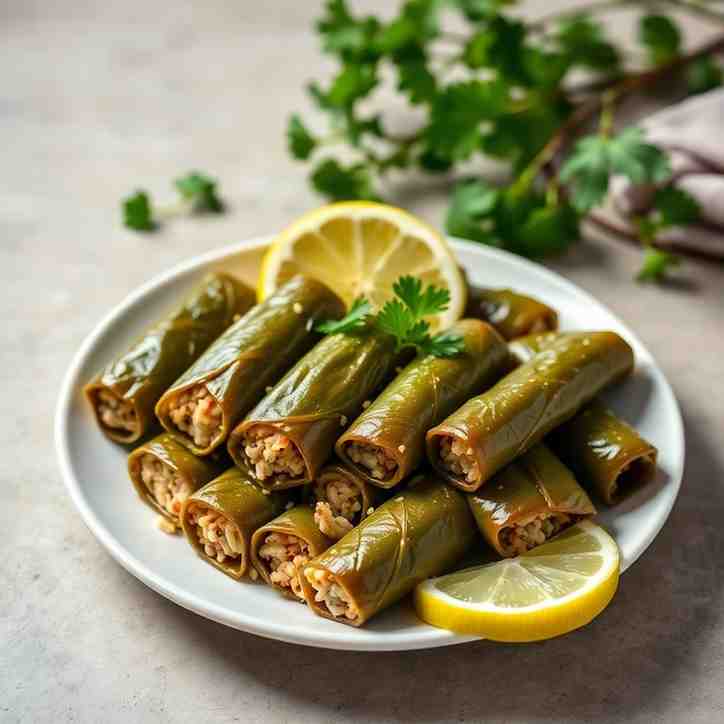
- Serves: 6 People
- Prepare Time: 2 hours 15
- Cooking Time: 1 hour 15 m
- Calories: -
- Difficulty: Medium
Get ready to embark on a delectable journey with Armenian Yalanchi, the ultimate vegetarian stuffed grape leaves! If you've ever fallen in love with the bright, savory, and tender flavors of Mediterranean cuisine, then yalanchi is about to become your new obsession. These perfectly rolled parcels of seasoned rice, fresh herbs, and a zesty lemon kick are not just a dish; they're a celebration, a labor of love, and pure comfort food. Americans tend to adore them for their unique texture and incredible depth of flavor.
For me, learning this authentic yalanchi recipe wasn't just about cooking; it was about connecting with my Armenian heritage and community. Every roll carries a whisper of tradition, passed down through generations. This particular yalanchi sarma recipe is a game-changer: it's naturally vegetarian and vegan-friendly, perfect for making ahead, and an absolute star on any mezze platter or party spread. Whether you're a seasoned chef or a kitchen beginner, this step-by-step guide will help you master the art of making the most delicious Armenian stuffed grape leaves you've ever tasted.Ingredients
Directions
- Prep the Grape Leaves
Rinse & Soak: Carefully remove the grape leaves from the jar. Rinse them under cool running water for several minutes to remove excess brine. Place them in a large bowl, cover with fresh cool water, and let them soak for at least 30 minutes (or up to 2 hours) to further desalt. Drain well.
Trim Stems: Lay each leaf flat, shiny side down (veiny side up). Using a small sharp knife, carefully trim any tough stems at the base without tearing the leaf itself.
Sort & Reserve: Sort the leaves by size. Set aside any torn, small, or oddly shaped leaves. These will be used to line the baking dish and cover the top of your rolled grape leaves later. Your prepared leaves should feel supple, not brittle or slimy. - Cook the Rice Filling
Sauté Onions: In a large skillet or pot, heat ¼ cup of olive oil over medium heat. Add the finely chopped onions and sauté gently for 10-15 minutes, stirring occasionally, until they are very soft and translucent, almost sweet-smelling, but do not let them brown. This slow cooking develops a deep flavor.
Toast Rice: Add the rinsed medium-grain rice to the skillet with the onions. Stir well to coat the rice in the olive oil. Toast gently for 2-3 minutes until the rice looks slightly glossy.
Add Aromatics & Liquid: Stir in the tomato paste (or sauce), chopped parsley, dill/mint, ¼ cup lemon juice, ½ cup water, salt, black pepper, and optional chili/cayenne. If using pine nuts or currants, stir them in now.
Par-Cook Filling: Bring the mixture to a gentle simmer, then reduce heat to low, cover, and cook for about 10-12 minutes. The rice should be par-cooked, meaning it's still slightly firm in the center but has absorbed most of the liquid. There might be a tiny firm core left, which is perfect as it will finish cooking in the oven.
Cool: Remove the filling from the heat and spread it out on a baking sheet or transfer it to a shallow bowl. Let it cool completely to room temperature. This is crucial for easy handling and to prevent the leaves from tearing when rolling hot rice. - Set Up a Rolling Station
Organize: Clear a clean, flat surface like a large cutting board. Arrange your prepped grape leaves in a stack (veiny side up). Place the cooled rice filling in a bowl nearby, and have your empty baking dish or Dutch oven ready for the finished rolls.
Estimate Filling: For each leaf, you'll use approximately 1-2 teaspoons of filling. Adjust this amount based on the size of your leaf – smaller leaves need less, larger ones can handle a bit more. The goal is a snug, not overstuffed, roll. - Roll the Grape Leaves
Position Leaf: Take one grape leaf and lay it flat on your clean surface with the veiny side facing up and the wider, stem end pointing towards you.
Add Filling: Spoon a small, log-shaped amount of the cooled rice filling near the base of the leaf, leaving about ½ inch margin on the sides.
Fold & Roll:- First, fold the bottom edge of the leaf (the stem end) up over the filling.
- Next, fold in the side margins of the leaf towards the center.
- Finally, starting from the bottom, roll the leaf tightly upwards towards the tip, forming a snug "cigar" shape. It should be firm enough to hold its shape but not so tight that the rice can't expand a little during cooking.
Common Mistakes & Quick Fixes:- Over-stuffing: If filling bursts out, use less rice next time.
- Too loose: If rolls unravel, gently pull the leaf a little tighter as you roll.
- Torn leaf: Don't despair! Overlap two smaller, intact leaves to create one larger surface for rolling.
- Pack, Bake, and Cool
Line the Pan: Line the bottom of your baking dish or Dutch oven with the reserved torn or extra grape leaves. This prevents the bottom layer of rolls from sticking or burning.
Arrange Rolls: Arrange the rolled yalanchi snugly in rows within the prepared dish. Pack them closely together to help them maintain their shape during cooking. You can go one or two layers high; if two layers, ensure they're still packed tightly.
Add Baking Liquid: In a small bowl, whisk together 1 cup water, ¼ cup lemon juice, 2 tablespoons olive oil, and ½ teaspoon salt. Pour this mixture over the stuffed grape leaves until the liquid just comes up to the level of the top layer of rolls (they should be almost, but not fully, submerged). This ensures even cooking without making them mushy.
Cover & Bake: Place another layer of reserved grape leaves over the top of your rolls. Then, cover the dish tightly with a piece of parchment paper (this helps prevent discoloration of the top leaves) and then with aluminum foil or a tight-fitting lid.
Bake: Preheat your oven to 350°F (175°C). Bake for 1 hour to 1 hour 15 minutes, or until the rice is fully tender and the leaves are soft but still hold their shape.- Checkpoint: To test for doneness, carefully remove one roll from the center, let it cool slightly, and taste. The rice should be completely soft and the leaf tender.Cool & Chill: Once baked, remove the dish from the oven. Keep it covered and let the yalanchi rest at room temperature until completely cool. Then, transfer the covered dish to the refrigerator and chill for at least 4 hours, or preferably overnight. The flavors meld and deepen significantly with chilling, making them even more delicious the next day.
Recipe Nutritional Values
The following nutritional values are per serving (one piece of cake)
Calories (per serving, 6-8 rolls)
~300-350 kcal
Carbohydrates
~40-45g
Protein
~6-8g
Total Fat
~12-15g (primarily from olive oil)
Additional Information
- serving sizes. Actual values may vary depending on specific brands and preparation methods.) Calories (per serving, 6-8 rolls): ~300-350 kcal Carbohydrates: ~40-45g Protein: ~6-8g Total Fat: ~12-15g (primarily from olive oil) Additional Information:Naturally Vegan & Gluten-Free: This yalanchi recipe is inherently plant-based and suitable for vegan diets.
- Naturally Vegan & Gluten-Free: This yalanchi recipe is inherently plant-based and suitable for vegan diets. Assuming gluten-free grape leaves are used, it's also naturally gluten-free.
- Rich in Healthy Fats: Thanks to a generous amount of olive oil, these stuffed grape leaves provide beneficial monounsaturated fats.
- Fiber-Rich: The combination of rice, grape leaves, and fresh vegetables contributes a good amount of dietary fiber.
Recipe Success Tips
Pro Tips for Perfect Yalanchi
- Doneness Check: The key to perfect yalanchi is tender rice and soft leaves. After baking, if the rice is still hard, you can add a little more hot water to the pan, re-cover, and bake for another 15-20 minutes.
- Flavor Development: The flavors of Armenian stuffed grape leaves truly deepen and become more complex overnight. Resist the urge to eat them all immediately after cooling!
- Visual & Textural Cues: When they're perfect, your yalanchi rolls will be tight and intact, with the leaves still a vibrant greenish hue (not blackened). The filling will be cohesive and soft, never dry or soupy, and the leaves will be tender but not falling apart. You'll taste bright lemon, deep onion, and fresh herb flavors, balanced with enough salt.
Ingredient Substitutions & Variations
- Herb Profiles: While parsley and dill are traditional, feel free to play with your herbs! A mix of parsley and mint (about ½ cup total) offers a brighter, slightly cooler flavor profile. Some recipes lean heavily into mint, others into dill.
- Pine Nuts & Currants: These optional mix-ins add a delightful gentle crunch (pine nuts) or a subtle hint of sweetness (currants/raisins) that beautifully complements the savory flavors. Stir them directly into the rice filling mixture.
- Rice Swaps: If medium-grain rice isn't available, long-grain rice can work in a pinch. You might need a tiny tweak in the water amount for the filling (a tablespoon or two less) and a slightly shorter initial cooking time to ensure it remains par-cooked.
- Lighter Version: For those who prefer a less-rich version, you can slightly reduce the amount of olive oil used in both the filling and the baking liquid, and adjust salt to taste. The core method remains the same.
Cultural Context & Cooking Methods
- Yalanchi vs. Dolma vs. Sarma: In Armenian cuisine, "yalanchi" specifically refers to the vegetarian, often vegan, stuffed grape leaves typically served cool or at room temperature. "Dolma" is a broader term for any stuffed vegetable (peppers, zucchini, tomatoes), and can include meat. "Sarma" refers to anything "wrapped" or "rolled," so yalanchi sarma simply means "rolled yalanchi." This recipe focuses on the meatless, cool-served style.
- Stovetop Cooking: While this recipe uses the oven for baking, many families traditionally cook their stuffed grape leaves on the stovetop. The filling and rolling method remains identical. Instead of baking, you'd arrange the rolls in a heavy-bottomed pot, add the lemon-water-olive-oil liquid, cover with a plate to weigh them down, and simmer gently over low heat until the rice is tender (usually 60-90 minutes).
Make-Ahead & Storage Instructions
- Make-Ahead:Yalanchi are truly a make-ahead marvel! You can prepare and bake them up to 3-4 days in advance. In fact, their flavor improves significantly after a day or two in the fridge.
- Refrigerator Storage: Store cooked and cooled Armenian stuffed grape leaves in an airtight container in the refrigerator for up to 5 days. Ensure they remain covered in their cooking liquid to prevent drying out.
- Freezing Cooked Yalanchi: Yes, you can freeze cooked yalanchi! Once completely cooled, transfer them to a freezer-safe airtight container, ideally with some of their cooking liquid. They can be frozen for up to 2-3 months.
- Thawing & Serving: Thaw frozen yalanchi overnight in the refrigerator. While they can be enjoyed cold, the texture of the leaves might be slightly softer after freezing. You can gently warm them if desired, but they are traditionally served cool.
- Food Safety Reminder: Always ensure cooked rice dishes are cooled quickly and kept refrigerated to prevent bacterial growth. Never leave yalanchi at room temperature for extended periods.
Frequently Asked Questions
Recommended Kitchen Tools
Time-Saving Tools & Ingredients Making authentic yalanchi is a labor of love, but that doesn't mean you can't make the process a little easier on yourself! Here are a few recommendations for tools and ingredients that can help you get these delicious stuffed grape leaves on your table faster.
Food Processor
Problem: Finely chopping a lot of onions and fresh herbs can be a real tear-jerker and a time sink.
Agitate: Who wants to spend precious cooking time meticulously mincing when there's so much delicious rolling to do?
Solution: A good food processor can make quick work of chopping your onions, parsley, and dill/mint, getting your filling prepped in a fraction of the time with minimal effort (and no tears!).Quality Citrus Juicer
Problem: Squeezing fresh lemons by hand, especially for the amount needed for yalanchi, can be tiring and inefficient, often leaving valuable juice behind.
Agitate: You want every drop of that bright, tangy lemon flavor in your yalanchi, but wrestling with lemons isn't anyone's idea of fun.
Solution: An efficient citrus juicer, whether a simple hand press or a reamer, extracts the maximum amount of juice with minimal effort, ensuring your yalanchi has that perfect zesty kick.Large, Wide Baking Dish or Dutch Oven
Problem: Trying to fit all your carefully rolled grape leaves into a small or awkwardly shaped pan can be frustrating, leading to uneven cooking or leaves falling apart.
Agitate: After all that careful rolling, the last thing you want is for your yalanchi to cook improperly or lose their shape because of a cramped pan.
Solution: A generously sized baking dish or Dutch oven that allows you to arrange the yalanchi snugly in one or two layers ensures even cooking, keeps them intact, and simplifies the packing process.Calories per Ingredient
Click any ingredient for detailed nutritional information:
You may also like



Hey there! I’m just someone who seriously loves good food and believes that cooking doesn’t have to be complicated to be amazing. Whether it’s a quick weeknight dinner or a cozy weekend meal, I’m all about sharing easy, tasty recipes that actually work.