Karelian Pasty Rye & Rice Recipe
Karelian Pasty Rye & Rice Recipe
- Serves: 10 People
- Prepare Time: 60 minutes
- Cooking Time: 15-20 minut
- Calories: 150
- Difficulty: Medium
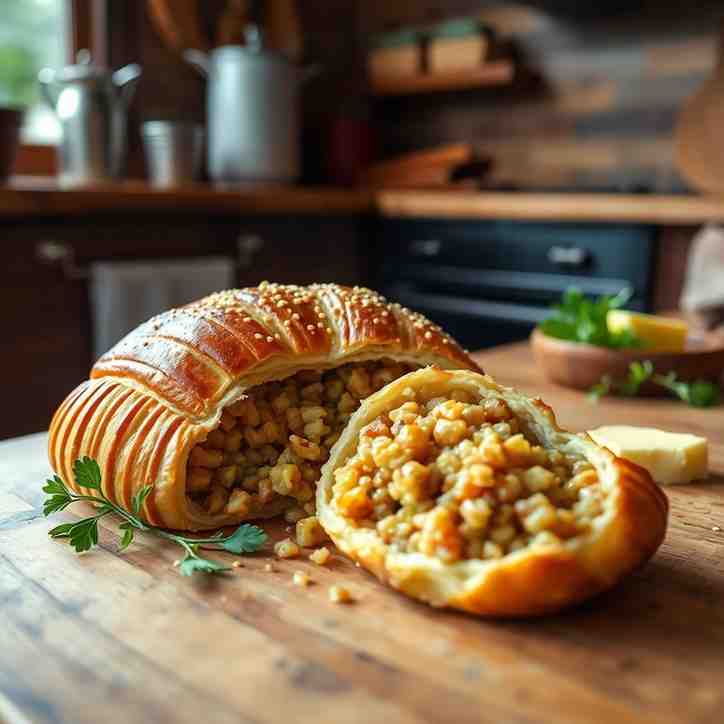
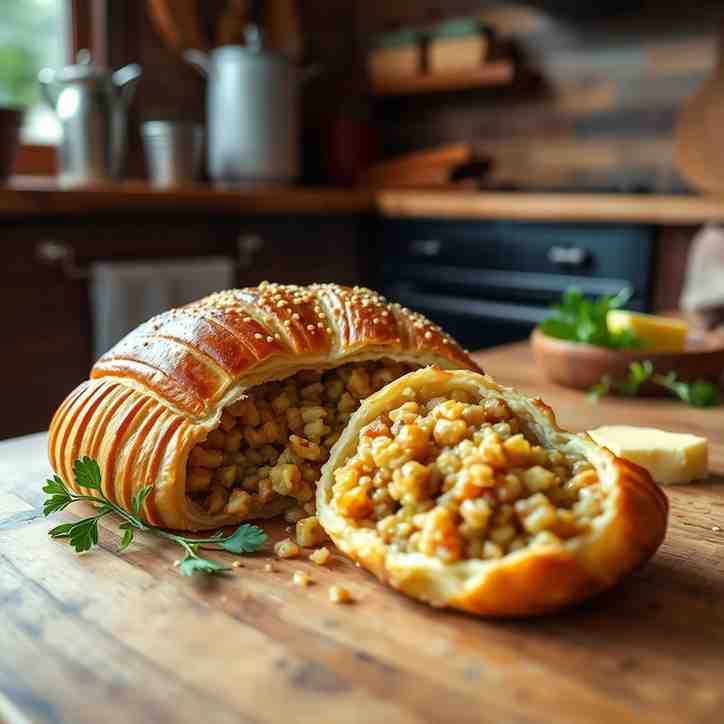
Welcome to the definitive guide to making Aland Karjalanpiirakka, the beloved Finnish Karelian pasty! These aren't just any hand pies; they're a taste of Finnish tradition, featuring a thin, crispy rye dough crust cradling a creamy, savory rice porridge filling. Many online recipes might call them "Karelian pies," but we're diving into the authentic "pasty" experience, just as the European Union's Traditional Speciality Guaranteed (TSG) designation describes them.
If you’ve been searching for a recipe for a pasty that delivers the true Finnish style, you've found it. This recipe promises an authentic rye crust, a perfectly creamy rice filling, and that essential finishing touch of rich egg-butter. Whether you’re a seasoned baker or new to working with rye dough, our clear, step-by-step instructions (complete with photos and a video in later sections!) will guide you to Karelian pasty perfection. Get ready to bake something truly special and delicious!
Ingredients
Directions
- Make the Rice Porridge Filling from Scratch:
- Rinse & Simmer Rice: (Optional: Rinse the short-grain rice under cold water if you prefer less starch, but for creamy porridge, it's fine to skip.) Combine the rice with 2 cups of water in a medium saucepan. Bring to a boil, then reduce heat to low, cover, and simmer for about 10-12 minutes, or until all the water is absorbed.
- Add Milk & Butter: Stir in the 3 cups of milk and 1 tablespoon of butter. Continue to simmer gently, stirring frequently to prevent sticking, for 20-25 minutes. The mixture should become very thick and creamy, with no free liquid visible. A spoon should be able to stand up in it. If it’s too runny, simmer uncovered for a few more minutes. If it becomes too thick, stir in a splash of hot milk.
- Season & Cool: Stir in 1/2 teaspoon of salt. Remove from heat and let the porridge cool completely. For best results and easier handling, you can make the porridge 1-2 days ahead and store it covered in the fridge.
- Make the Rye Crust from Scratch:
- Combine Dry Ingredients: In a large mixing bowl, whisk together the rye flour, all-purpose/bread flour, and 1/2 teaspoon of salt.
- Add Wet Ingredients: Pour in the warm water and oil/melted butter. Stir with a spoon until a shaggy dough forms, then turn it out onto a lightly floured surface.
- Knead the Dough: Knead for 5-7 minutes until the dough is smooth, pliable, and no longer sticky. It should feel soft and slightly elastic, but not cracking.
- Portion & Rest: Shape the dough into a log and divide it into 18-20 equal pieces (about 15-20g each). Roll each piece into a small ball. Cover the dough balls with a clean kitchen towel to prevent them from drying out while you work. Let them rest briefly (10-15 minutes) – this makes rolling much easier.
- Roll the Wrappers:
- Prepare Surface: Lightly dust your work surface with flour. Remember to keep extra flour minimal to avoid drying out the dough.
- Roll Thin Ovals: Take one dough ball at a time (keeping others covered). Using a rolling pin, roll it into a very thin oval, approximately 5-6 inches long and 3-4 inches wide. The dough should be almost translucent in the center.
- Keep Covered: As you roll, stack the finished wrappers on a plate and keep them covered with a clean kitchen towel to maintain their moisture.
- Fill and Crimp the Pasties (Detailed Shaping Guide):
- Preheat Oven: Preheat your oven to a very hot 475-500°F (245-260°C). If your oven maxes out at 450°F, that’s okay – just plan for a slightly longer bake time and position your baking sheet on the upper rack, perhaps using a preheated pizza stone or inverted baking sheet for extra heat.
- Prepare Baking Sheet: Line a baking sheet with parchment paper. No need to grease it.
- Spoon Filling: Take one rolled oval. Spoon a strip of the cooled rice porridge filling down the center, leaving a clear border of about 1/2 to 3/4 inch on all sides. Don't overfill!
- Fold Sides: Carefully fold the long sides of the dough oval toward the center, over the filling.
- Crimp the Edges: This is the signature step! Pinch the middle of the folded dough first, then work your way toward each end, using your thumb and forefinger to create small, even "waves" or crimps along the edges. Pinch the tips to form a boat-like shape. If cracks appear at the folds, your dough might be too dry or rolled too thin. If filling leaks, you might have used too much porridge or not left enough border.
- Arrange on Sheet: Place the shaped pasties on the prepared baking sheet.
- Bake Hot & Finish in Butter-Milk:
- Bake: Bake in the preheated very hot oven for 12-15 minutes, or until the edges of the pasties are firm and lightly browned, and the filling is just tinged with a slight golden color.
- Prepare Dip: While the pasties bake, gently warm 1/4 cup milk and 2 tablespoons butter together in a small saucepan until the butter is melted. Do not boil.
- Dip & Soften: Immediately after removing the pasties from the oven, quickly dip each hot pasty into the warm butter-milk mixture, or brush generously.
- Cover to Soften: Stack the dipped pasties on a tray or plate and cover them completely with a clean kitchen towel. This crucial step softens the rye crust and locks in moisture and flavor. Let them steam and soften for at least 10-15 minutes before serving.
- Make the Egg-Butter:
- Combine: In a small bowl, mash the finely chopped hard-boiled eggs with 1/4 cup softened butter and a pinch of salt until well combined and creamy.
Karelian Pasty Rye & Rice Recipe
- Serves: 10 People
- Prepare Time: 60 minutes
- Cooking Time: 15-20 minut
- Calories: 150
- Difficulty: Medium
Welcome to the definitive guide to making Aland Karjalanpiirakka, the beloved Finnish Karelian pasty! These aren't just any hand pies; they're a taste of Finnish tradition, featuring a thin, crispy rye dough crust cradling a creamy, savory rice porridge filling. Many online recipes might call them "Karelian pies," but we're diving into the authentic "pasty" experience, just as the European Union's Traditional Speciality Guaranteed (TSG) designation describes them.
If you’ve been searching for a recipe for a pasty that delivers the true Finnish style, you've found it. This recipe promises an authentic rye crust, a perfectly creamy rice filling, and that essential finishing touch of rich egg-butter. Whether you’re a seasoned baker or new to working with rye dough, our clear, step-by-step instructions (complete with photos and a video in later sections!) will guide you to Karelian pasty perfection. Get ready to bake something truly special and delicious!
Ingredients
Directions
- Make the Rice Porridge Filling from Scratch:
- Rinse & Simmer Rice: (Optional: Rinse the short-grain rice under cold water if you prefer less starch, but for creamy porridge, it's fine to skip.) Combine the rice with 2 cups of water in a medium saucepan. Bring to a boil, then reduce heat to low, cover, and simmer for about 10-12 minutes, or until all the water is absorbed.
- Add Milk & Butter: Stir in the 3 cups of milk and 1 tablespoon of butter. Continue to simmer gently, stirring frequently to prevent sticking, for 20-25 minutes. The mixture should become very thick and creamy, with no free liquid visible. A spoon should be able to stand up in it. If it’s too runny, simmer uncovered for a few more minutes. If it becomes too thick, stir in a splash of hot milk.
- Season & Cool: Stir in 1/2 teaspoon of salt. Remove from heat and let the porridge cool completely. For best results and easier handling, you can make the porridge 1-2 days ahead and store it covered in the fridge.
- Make the Rye Crust from Scratch:
- Combine Dry Ingredients: In a large mixing bowl, whisk together the rye flour, all-purpose/bread flour, and 1/2 teaspoon of salt.
- Add Wet Ingredients: Pour in the warm water and oil/melted butter. Stir with a spoon until a shaggy dough forms, then turn it out onto a lightly floured surface.
- Knead the Dough: Knead for 5-7 minutes until the dough is smooth, pliable, and no longer sticky. It should feel soft and slightly elastic, but not cracking.
- Portion & Rest: Shape the dough into a log and divide it into 18-20 equal pieces (about 15-20g each). Roll each piece into a small ball. Cover the dough balls with a clean kitchen towel to prevent them from drying out while you work. Let them rest briefly (10-15 minutes) – this makes rolling much easier.
- Roll the Wrappers:
- Prepare Surface: Lightly dust your work surface with flour. Remember to keep extra flour minimal to avoid drying out the dough.
- Roll Thin Ovals: Take one dough ball at a time (keeping others covered). Using a rolling pin, roll it into a very thin oval, approximately 5-6 inches long and 3-4 inches wide. The dough should be almost translucent in the center.
- Keep Covered: As you roll, stack the finished wrappers on a plate and keep them covered with a clean kitchen towel to maintain their moisture.
- Fill and Crimp the Pasties (Detailed Shaping Guide):
- Preheat Oven: Preheat your oven to a very hot 475-500°F (245-260°C). If your oven maxes out at 450°F, that’s okay – just plan for a slightly longer bake time and position your baking sheet on the upper rack, perhaps using a preheated pizza stone or inverted baking sheet for extra heat.
- Prepare Baking Sheet: Line a baking sheet with parchment paper. No need to grease it.
- Spoon Filling: Take one rolled oval. Spoon a strip of the cooled rice porridge filling down the center, leaving a clear border of about 1/2 to 3/4 inch on all sides. Don't overfill!
- Fold Sides: Carefully fold the long sides of the dough oval toward the center, over the filling.
- Crimp the Edges: This is the signature step! Pinch the middle of the folded dough first, then work your way toward each end, using your thumb and forefinger to create small, even "waves" or crimps along the edges. Pinch the tips to form a boat-like shape. If cracks appear at the folds, your dough might be too dry or rolled too thin. If filling leaks, you might have used too much porridge or not left enough border.
- Arrange on Sheet: Place the shaped pasties on the prepared baking sheet.
- Bake Hot & Finish in Butter-Milk:
- Bake: Bake in the preheated very hot oven for 12-15 minutes, or until the edges of the pasties are firm and lightly browned, and the filling is just tinged with a slight golden color.
- Prepare Dip: While the pasties bake, gently warm 1/4 cup milk and 2 tablespoons butter together in a small saucepan until the butter is melted. Do not boil.
- Dip & Soften: Immediately after removing the pasties from the oven, quickly dip each hot pasty into the warm butter-milk mixture, or brush generously.
- Cover to Soften: Stack the dipped pasties on a tray or plate and cover them completely with a clean kitchen towel. This crucial step softens the rye crust and locks in moisture and flavor. Let them steam and soften for at least 10-15 minutes before serving.
- Make the Egg-Butter:
- Combine: In a small bowl, mash the finely chopped hard-boiled eggs with 1/4 cup softened butter and a pinch of salt until well combined and creamy.
The following nutritional values are per serving (one piece of cake) Calories (per pasty, without egg-butter) ~120-150 kcal Carbohydrates ~18-22g Protein ~3-4g Fat ~5-7g Time-Saving Tools & Ingredients Making Karelian pasties from scratch is a labor of love, but a few smart tools can make the process smoother and quicker, especially when you're aiming for that perfect, thin crust and consistent shape. Problem: Achieving the right dough consistency and portion sizes for your pasties can be tricky. Eyeballing measurements often leads to inconsistent results, with some pasties being too thick or too small, and the dough not stretching as it should. Problem: Working with dough, especially a rye dough that can be a bit sticky, often results in floury hands and a messy workstation. Dividing dough into small, equal portions can also be awkward with just a knife. Problem: Achieving the paper-thin, oval shape for Karelian pasty wrappers requires a lot of rolling. A small, flimsy, or sticky rolling pin can make this step arduous and frustrating, leading to uneven thickness or torn dough. Click any ingredient for detailed nutritional information:Recipe Nutritional Values
Additional Information
Recipe Success Tips
Ingredient Substitutions & Variations
Cultural Variations
Make-Ahead & Storage Instructions
Frequently Asked Questions
Recommended Kitchen Tools
Digital Food Scale
Agitate: Inconsistent dough portions mean some pasties bake unevenly, and you might end up with too much or too little filling for your wrappers, leading to frustration and wasted effort.
Solution: A digital food scale allows for precise measurement of ingredients, especially flour and water for the dough, and helps you portion the dough into perfectly equal pieces. This ensures uniform pasties that cook evenly and makes rolling much easier.Pastry Scraper or Bench Scraper
Agitate: Sticky dough clinging to your hands and counter slows you down and makes the delicate shaping process more challenging, potentially leading to overworked dough or uneven pasties.
Solution: A pastry scraper (also known as a bench scraper) is invaluable for cleanly dividing dough, scraping up sticky bits from your work surface, and transferring ingredients. It keeps your hands cleaner and makes portioning the dough into consistent pieces a breeze.Quality Rolling Pin
Agitate: Struggling with a poor rolling pin can quickly tire you out, make it difficult to get the dough thin enough, and result in pasties with thick, chewy crusts instead of the desired delicate texture.
Solution: Invest in a sturdy, smooth rolling pin (a French-style tapered pin or a heavy wooden rolling pin works wonderfully). A good rolling pin allows for even pressure and smooth gliding, making it much easier and faster to roll out those thin, consistent oval wrappers.Calories per Ingredient
You may also like

Hey there! I’m just someone who seriously loves good food and believes that cooking doesn’t have to be complicated to be amazing. Whether it’s a quick weeknight dinner or a cozy weekend meal, I’m all about sharing easy, tasty recipes that actually work.