Ambuyat Recipe Sago & Shrimp Paste Dip
Ambuyat Recipe Sago & Shrimp Paste Dip
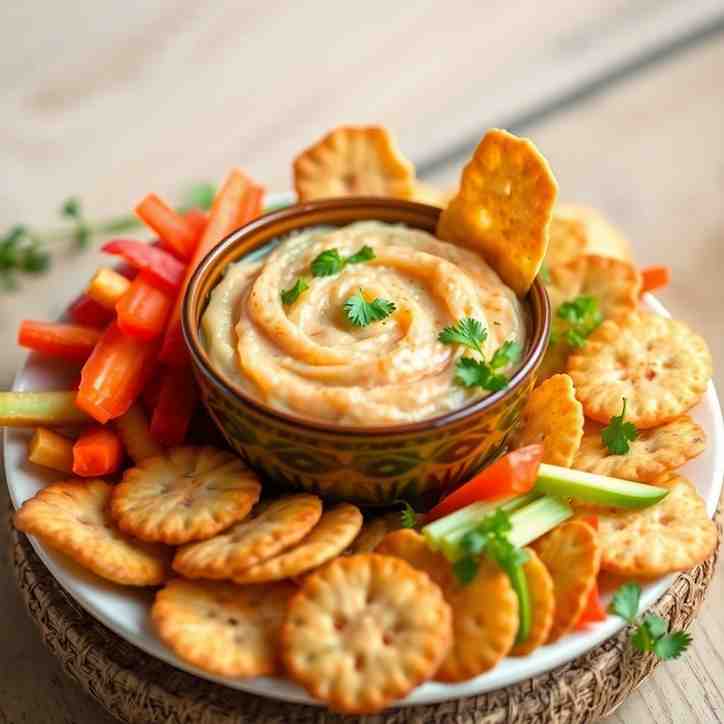
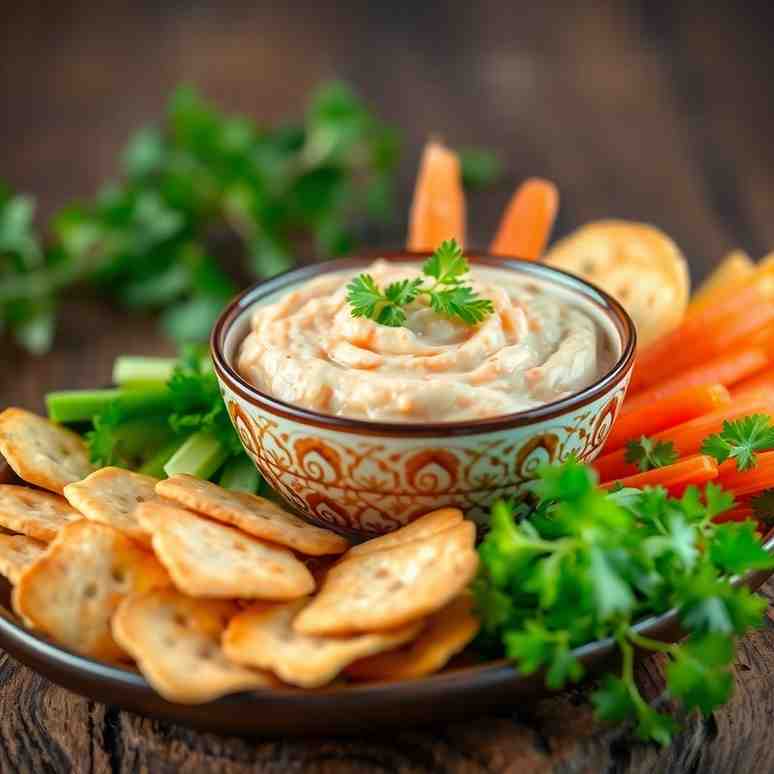
- Serves: 4 People
- Prepare Time: 10 minutes
- Cooking Time: 15 minutes
- Calories: -
- Difficulty: Easy
Ever tried a dish that’s so unique, it completely changes how you think about food? Welcome to the world of Ambuyat, Brunei’s beloved national dish! This isn't just a meal; it's a cultural experience, a sticky, starchy delight made from sago that’s traditionally eaten with a special wooden spoon (called a chandas) and, most importantly, a vibrant, flavorful dipping sauce.
Ambuyat itself is quite neutral in taste, a bit like a thick, gooey porridge. Its magic truly comes alive when paired with the accompanying sauces, especially a zesty shrimp paste dip. This Ambuyat recipe will guide you through creating this fascinating sago dish, ensuring you capture its authentic texture and flavor. We'll show you how to prepare the unique sago starch and whip up a tantalizing shrimp sauce that perfectly complements its mildness. Get ready to explore a taste of Brunei right in your own kitchen – it’s easier than you think and incredibly rewarding!
Ingredients
Directions
- Prepare the Starch: In a large, heat-proof bowl, combine the 1 lb sago starch with 2 ½ cups of cool water. Stir well until the starch is fully dissolved and there are no lumps. Set this mixture aside for a few minutes.
- Boil Water: In a saucepan, bring the remaining 2 ½ cups of water to a rolling boil.
- Cook the Ambuyat: Once the water is boiling vigorously, slowly and carefully pour it into the sago starch mixture while continuously stirring with a sturdy wooden spoon or spatula. Keep stirring vigorously as the mixture transforms from a milky liquid into a thick, translucent, sticky paste. This process happens quite quickly. Continue stirring until the Ambuyat is uniform, smooth, and has a glue-like, slightly elastic consistency. It should be clear with a faint white sheen.
- Rest (Optional but Recommended): Let the Ambuyat sit for 5-10 minutes. This helps it set slightly and become even stickier, making it easier to handle with a chandas.
- Spicy Shrimp Paste Dipping Sauce Step-by-Step Instructions
- Prepare Aromatics: Roughly chop the Thai chili pepper. If using dried shrimp, ensure they are soaked and drained.
- Pound Ingredients: In a mortar and pestle (or a small food processor), combine the chopped Thai chili pepper and the rehydrated dried shrimp. Pound or pulse until they form a coarse paste.
- Add Shrimp Paste: Add the shrimp paste to the mortar (or food processor). Continue pounding or pulsing until all ingredients are well combined and form a thick, fragrant paste.
- Season and Thin: Add a pinch of salt to taste. Gradually add 2-3 tablespoons of water (or lime juice for a tangier sauce) to reach your desired dipping consistency. Stir well. If using durian paste, mix it in now.
- Serve: Transfer the shrimp paste dipping sauce to a small serving bowl.
Ambuyat Recipe Sago & Shrimp Paste Dip
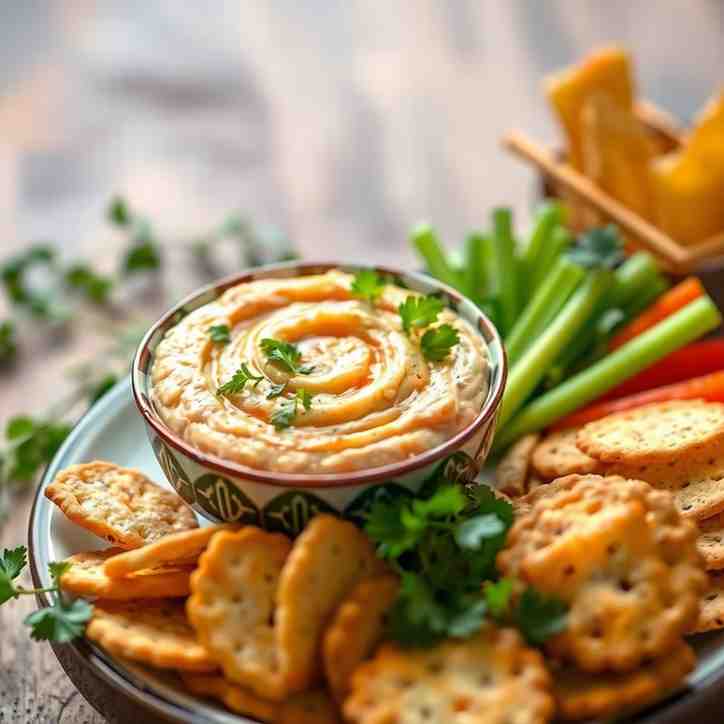
- Serves: 4 People
- Prepare Time: 10 minutes
- Cooking Time: 15 minutes
- Calories: -
- Difficulty: Easy
Ever tried a dish that’s so unique, it completely changes how you think about food? Welcome to the world of Ambuyat, Brunei’s beloved national dish! This isn't just a meal; it's a cultural experience, a sticky, starchy delight made from sago that’s traditionally eaten with a special wooden spoon (called a chandas) and, most importantly, a vibrant, flavorful dipping sauce.
Ambuyat itself is quite neutral in taste, a bit like a thick, gooey porridge. Its magic truly comes alive when paired with the accompanying sauces, especially a zesty shrimp paste dip. This Ambuyat recipe will guide you through creating this fascinating sago dish, ensuring you capture its authentic texture and flavor. We'll show you how to prepare the unique sago starch and whip up a tantalizing shrimp sauce that perfectly complements its mildness. Get ready to explore a taste of Brunei right in your own kitchen – it’s easier than you think and incredibly rewarding!
Ingredients
Directions
- Prepare the Starch: In a large, heat-proof bowl, combine the 1 lb sago starch with 2 ½ cups of cool water. Stir well until the starch is fully dissolved and there are no lumps. Set this mixture aside for a few minutes.
- Boil Water: In a saucepan, bring the remaining 2 ½ cups of water to a rolling boil.
- Cook the Ambuyat: Once the water is boiling vigorously, slowly and carefully pour it into the sago starch mixture while continuously stirring with a sturdy wooden spoon or spatula. Keep stirring vigorously as the mixture transforms from a milky liquid into a thick, translucent, sticky paste. This process happens quite quickly. Continue stirring until the Ambuyat is uniform, smooth, and has a glue-like, slightly elastic consistency. It should be clear with a faint white sheen.
- Rest (Optional but Recommended): Let the Ambuyat sit for 5-10 minutes. This helps it set slightly and become even stickier, making it easier to handle with a chandas.
- Spicy Shrimp Paste Dipping Sauce Step-by-Step Instructions
- Prepare Aromatics: Roughly chop the Thai chili pepper. If using dried shrimp, ensure they are soaked and drained.
- Pound Ingredients: In a mortar and pestle (or a small food processor), combine the chopped Thai chili pepper and the rehydrated dried shrimp. Pound or pulse until they form a coarse paste.
- Add Shrimp Paste: Add the shrimp paste to the mortar (or food processor). Continue pounding or pulsing until all ingredients are well combined and form a thick, fragrant paste.
- Season and Thin: Add a pinch of salt to taste. Gradually add 2-3 tablespoons of water (or lime juice for a tangier sauce) to reach your desired dipping consistency. Stir well. If using durian paste, mix it in now.
- Serve: Transfer the shrimp paste dipping sauce to a small serving bowl.
The following nutritional values are per serving (one piece of cake) Calories ~280-350 kcal Carbohydrates ~60-75g Protein ~5-10g Fat ~1-3g (negligible from Ambuyat, slight from shrimp paste/dried shrimp) Tools and ingredients that can help you cook more easily and consistently. Problem: Getting that perfectly smooth, lump-free sago starch mixture can be tricky and time-consuming when stirring by hand. Problem: Preparing the chili and dried shrimp for your dipping sauce can involve a lot of chopping or laborious grinding. Problem: Waiting for water to boil on the stovetop can feel like forever when you're eager to get cooking. Click any ingredient for detailed nutritional information:Recipe Nutritional Values
Additional Information
Recipe Success Tips
Ingredient Substitutions & Variations
Cultural Variations
Make-Ahead & Storage Instructions
Frequently Asked Questions
Recommended Kitchen Tools
Time-Saving Tools & Ingredients
Agitate: Lumps are no fun and can completely change the desired sticky, gelatinous texture of Ambuyat, making it less authentic and harder to enjoy with your dipping sauce.
Solution: A sturdy whisk or a heat-resistant silicone spatula can be your best friend. These tools allow you to continuously and vigorously stir the sago and hot water, ensuring a silky-smooth consistency without any frustrating lumps.Time-Saving Tools & Ingredients
Agitate: Manually crushing dried shrimp and chilies takes effort and time, especially if you want a really fine texture for your sambal. Plus, chili fumes can be irritating!
Solution: A mini food processor or a good old-fashioned mortar and pestle can save you loads of time. Just toss in your dried shrimp and chili, and with a few pulses or grinds, you'll have a perfectly crushed base for your delicious shrimp paste sauce in no time.Time-Saving Tools & Ingredients
Agitate: Every minute counts when you're preparing a meal, and slow boiling water can put a real damper on your cooking flow, extending your total prep time unnecessarily.
Solution: An electric kettle heats water incredibly fast! You can have your water boiling and ready to pour over your sago starch mixture in just a couple of minutes, speeding up the most crucial step of preparing the Ambuyat itself.Calories per Ingredient
You may also like

Hey there! I’m just someone who seriously loves good food and believes that cooking doesn’t have to be complicated to be amazing. Whether it’s a quick weeknight dinner or a cozy weekend meal, I’m all about sharing easy, tasty recipes that actually work.