Andorran Mushroom Omelette Recipe Fluffy Eggs in 10 Mins
Andorran Mushroom Omelette Recipe Fluffy Eggs in 10 Mins
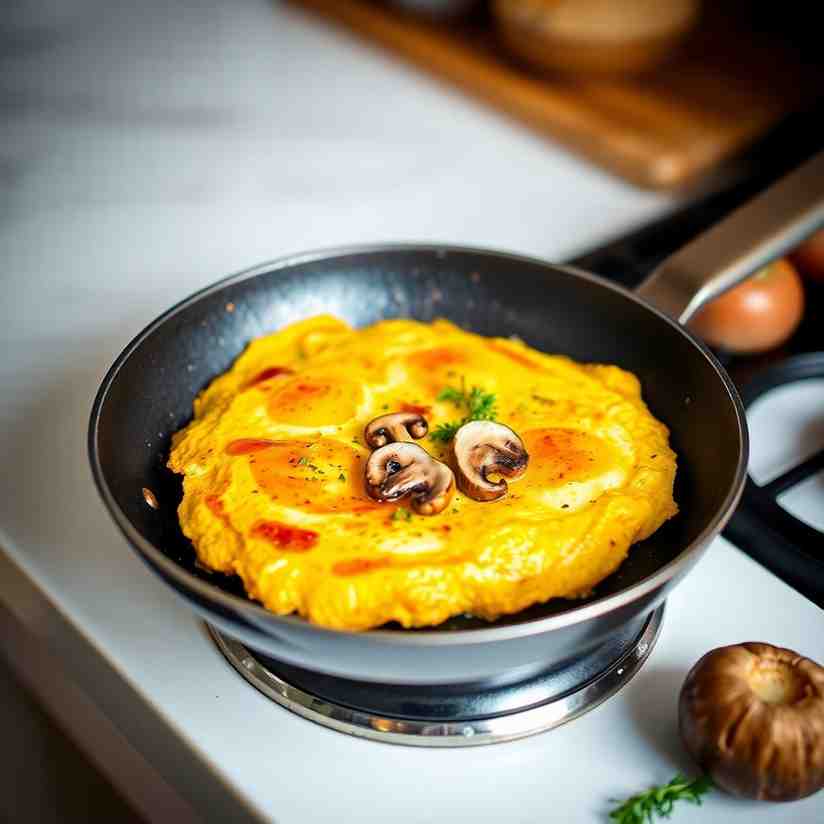
- Serves: 2 People
- Prepare Time: 5 minutes
- Cooking Time: 5 minutes
- Calories: -
- Difficulty: Easy
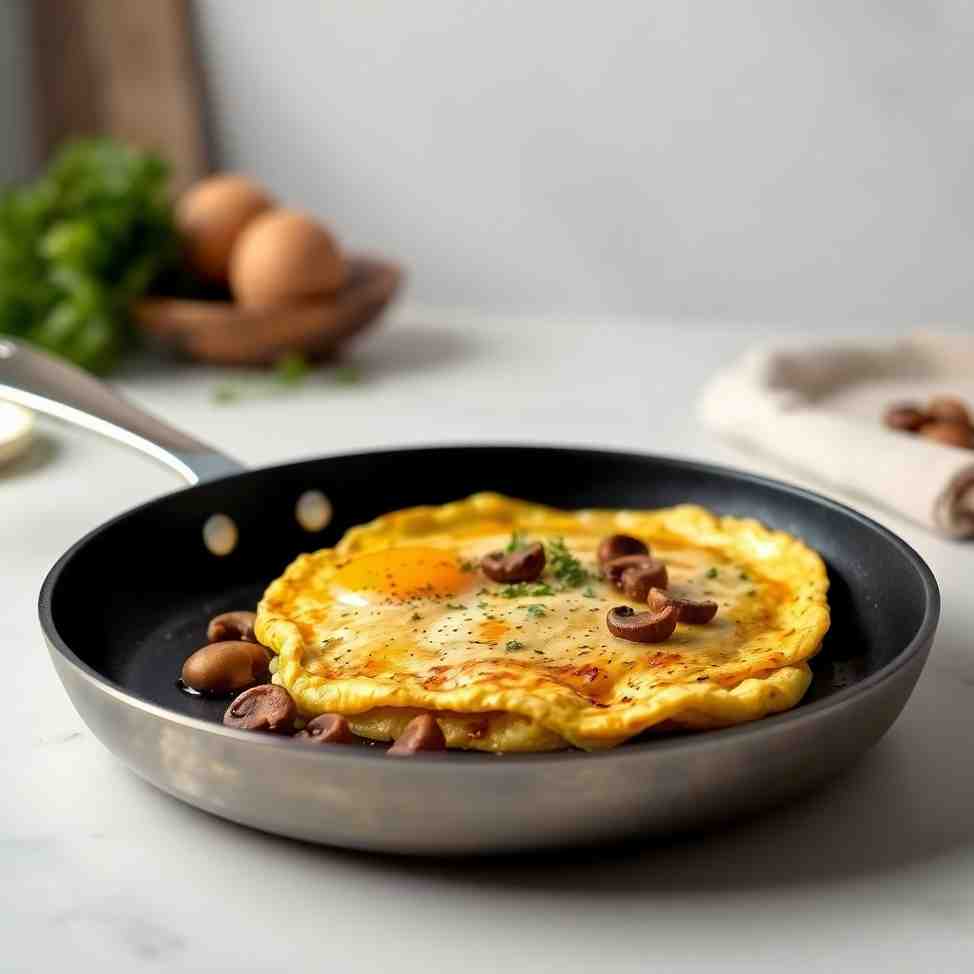
Welcome to the ultimate guide for crafting a truly exceptional Andorran mushroom omelette, known locally as Truites de carreroles! Forget rubbery, dull omelets; we’re diving into a fluffy, 10-minute version that’s perfect for busy mornings, quick lunches, or even a light, healthy mushroom omelet for dinner. This isn't just another egg omelette recipe; it’s a masterclass in achieving that coveted airy texture without any fuss. We'll share our top fluffy omelette tips and a quick breakfast omelette game plan, ensuring your omelette is consistently tender and bursting with flavor. Get ready to transform simple eggs and mushrooms into a delightful dish that truly satisfies those egg recipes dinner cravings!
Ingredients
Directions
- Before You Start (60-second prep for success):
- Pat mushrooms dry: Use a paper towel to remove excess moisture from your sliced mushrooms. This is crucial for achieving a good sear and preventing a watery omelette.
- Pre-sauté (briefly): If you have time, give your mushrooms a quick 2–3 minute sauté in a separate, dry pan or in a small amount of oil to drive off more moisture. Don’t crowd the pan!
- Whisk eggs thoroughly: In a medium bowl, whisk the eggs vigorously for 20–30 seconds until they are homogenous (no clear whites or yolks) and slightly foamy. This incorporates air, which contributes to fluffiness.
- Method (Your 5 Crisp Steps to Fluffy Omelette Perfection):
- Sauté the Mushrooms: Place an 8–10-inch nonstick pan over medium-low heat. Add the olive oil and half of the butter. Once melted, add the thin-sliced mushrooms and sauté for 2–3 minutes, stirring occasionally, until there is no visible moisture in the pan. The mushrooms should be lightly browned and tender. Transfer them to a small plate and set aside.
- Prepare the Pan for Eggs: Add the remaining butter to the same pan. Once it melts and coats the bottom, immediately pour in the whisked eggs.
- Form Tender Curds: Let the eggs sit for about 5 seconds, then use a heat-resistant spatula to gently stir the eggs for 10–15 seconds. This creates small, tender curds and ensures even cooking.
- Fill and Fold: Once the surface of the omelette is just glossy (still slightly wet but not runny), sweep the cooked egg to the center to allow any uncooked liquid egg to flow underneath and cook. Spoon the sautéed mushrooms (and optional Gruyère or Parmesan cheese) onto one half of the omelette.
- Finish and Serve: Carefully fold the empty half of the omelette over the mushroom-filled side. Immediately remove the pan from the heat and let the omelette sit for 10–15 seconds; the residual heat will gently finish cooking it to perfection. Slide the omelette onto a warm plate, garnish with fresh chives or scallions, and serve immediately.
- Why This Stays Fluffy (The Science Behind Your Success): Achieving a perfectly fluffy omelette comes down to a few key techniques. Using gentle heat and employing early curd control by gently stirring the eggs prevents the proteins from tightening up and becoming rubbery. Stopping the cooking process while the surface is still glossy ensures that carryover heat finishes the omelette, leaving it tender and moist. Furthermore, pre-drying your mushrooms avoids releasing moisture into the eggs, which can make your omelette watery and dense.
Andorran Mushroom Omelette Recipe Fluffy Eggs in 10 Mins

- Serves: 2 People
- Prepare Time: 5 minutes
- Cooking Time: 5 minutes
- Calories: -
- Difficulty: Easy
Welcome to the ultimate guide for crafting a truly exceptional Andorran mushroom omelette, known locally as Truites de carreroles! Forget rubbery, dull omelets; we’re diving into a fluffy, 10-minute version that’s perfect for busy mornings, quick lunches, or even a light, healthy mushroom omelet for dinner. This isn't just another egg omelette recipe; it’s a masterclass in achieving that coveted airy texture without any fuss. We'll share our top fluffy omelette tips and a quick breakfast omelette game plan, ensuring your omelette is consistently tender and bursting with flavor. Get ready to transform simple eggs and mushrooms into a delightful dish that truly satisfies those egg recipes dinner cravings!
Ingredients
Directions
- Before You Start (60-second prep for success):
- Pat mushrooms dry: Use a paper towel to remove excess moisture from your sliced mushrooms. This is crucial for achieving a good sear and preventing a watery omelette.
- Pre-sauté (briefly): If you have time, give your mushrooms a quick 2–3 minute sauté in a separate, dry pan or in a small amount of oil to drive off more moisture. Don’t crowd the pan!
- Whisk eggs thoroughly: In a medium bowl, whisk the eggs vigorously for 20–30 seconds until they are homogenous (no clear whites or yolks) and slightly foamy. This incorporates air, which contributes to fluffiness.
- Method (Your 5 Crisp Steps to Fluffy Omelette Perfection):
- Sauté the Mushrooms: Place an 8–10-inch nonstick pan over medium-low heat. Add the olive oil and half of the butter. Once melted, add the thin-sliced mushrooms and sauté for 2–3 minutes, stirring occasionally, until there is no visible moisture in the pan. The mushrooms should be lightly browned and tender. Transfer them to a small plate and set aside.
- Prepare the Pan for Eggs: Add the remaining butter to the same pan. Once it melts and coats the bottom, immediately pour in the whisked eggs.
- Form Tender Curds: Let the eggs sit for about 5 seconds, then use a heat-resistant spatula to gently stir the eggs for 10–15 seconds. This creates small, tender curds and ensures even cooking.
- Fill and Fold: Once the surface of the omelette is just glossy (still slightly wet but not runny), sweep the cooked egg to the center to allow any uncooked liquid egg to flow underneath and cook. Spoon the sautéed mushrooms (and optional Gruyère or Parmesan cheese) onto one half of the omelette.
- Finish and Serve: Carefully fold the empty half of the omelette over the mushroom-filled side. Immediately remove the pan from the heat and let the omelette sit for 10–15 seconds; the residual heat will gently finish cooking it to perfection. Slide the omelette onto a warm plate, garnish with fresh chives or scallions, and serve immediately.
- Why This Stays Fluffy (The Science Behind Your Success): Achieving a perfectly fluffy omelette comes down to a few key techniques. Using gentle heat and employing early curd control by gently stirring the eggs prevents the proteins from tightening up and becoming rubbery. Stopping the cooking process while the surface is still glossy ensures that carryover heat finishes the omelette, leaving it tender and moist. Furthermore, pre-drying your mushrooms avoids releasing moisture into the eggs, which can make your omelette watery and dense.
The following nutritional values are per serving (one piece of cake) Calories ~230 kcal Carbohydrates ~2.5 g Protein ~13.5 g Fat ~18.5 g Making a perfect omelette, especially when you're short on time, can be a breeze with the right gear and smart ingredient choices. Here are a few recommendations to shave off precious minutes and ensure success. Problem: Ever had an omelette stick stubbornly to the pan, turning your fluffy creation into scrambled eggs? It's a common culinary headache. Problem: Slicing fresh mushrooms, while therapeutic for some, can be a time-consuming step when you're rushing to get breakfast or dinner on the table. Problem: Using a metal spatula can scratch your precious nonstick pan, and a flimsy plastic one might not effectively stir the eggs to create those tender curds. Click any ingredient for detailed nutritional information:Recipe Nutritional Values
Additional Information
Recipe Success Tips
Ingredient Substitutions & Flavor Variations
Cooking Tips for Omelette Perfection
Make-Ahead & Storage Instructions
Frequently Asked Questions
Recommended Kitchen Tools
High-Quality Nonstick Pan
Agitate: A sticky pan not only ruins your meal but also makes cleanup a nightmare, adding frustration to your busy morning.
Solution: Investing in a good 8–10-inch nonstick pan ensures your omelette slides out effortlessly, guaranteeing that beautiful fold every time and making cleanup a breeze.Pre-Sliced Mushrooms
Agitate: Those few extra minutes spent chopping can mean the difference between making your train or being late for work.
Solution: Grab a container of pre-sliced mixed mushrooms from your grocery store. They're ready to go straight into the pan, cutting down on prep time and mess.Silicone Spatula
Agitate: Damaging your cookware or struggling with an ineffective tool just adds unnecessary stress to your cooking experience.
Solution: A sturdy, heat-resistant silicone spatula is gentle on your pan and perfect for gently stirring the eggs to achieve that desirable tender, fluffy texture without any fuss.Calories per Ingredient
You may also like




Hey there! I’m just someone who seriously loves good food and believes that cooking doesn’t have to be complicated to be amazing. Whether it’s a quick weeknight dinner or a cozy weekend meal, I’m all about sharing easy, tasty recipes that actually work.