Belizean Cashew Wine - Easy Homemade Recipe
Belizean Cashew Wine - Easy Homemade Recipe
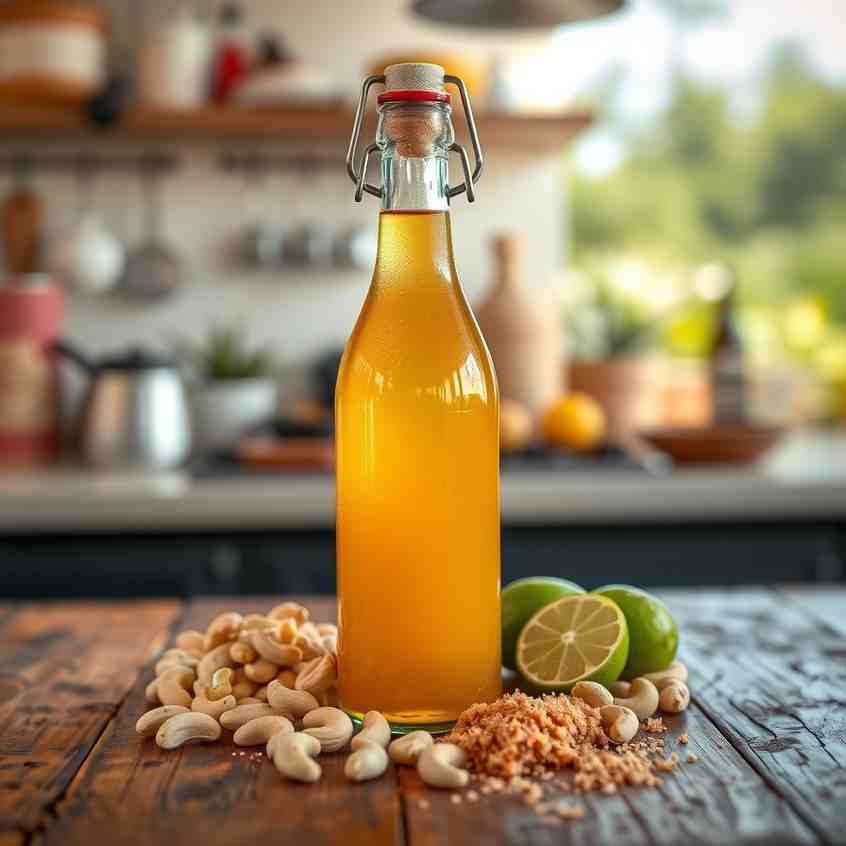
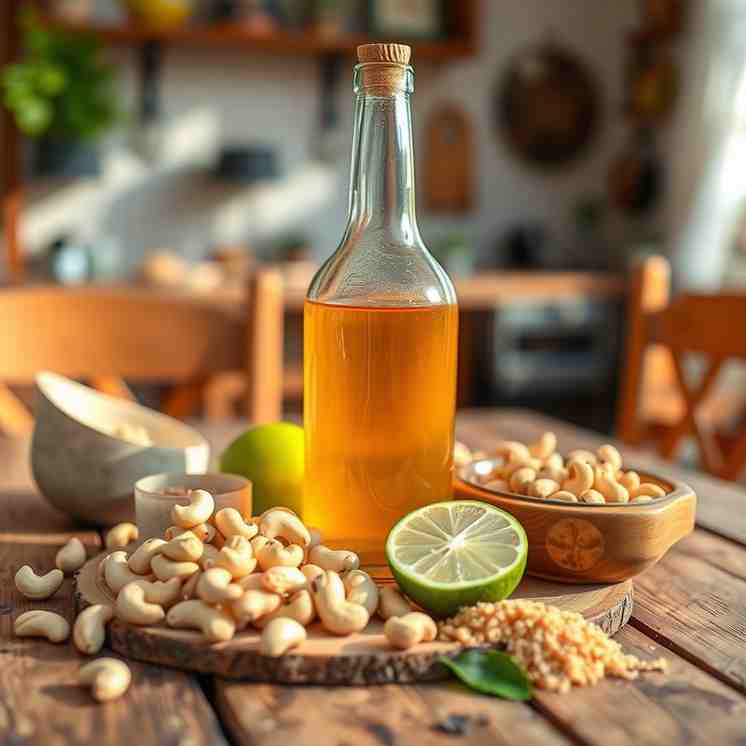
- Serves: 15 People
- Prepare Time: 45 minutes
- Cooking Time: N/A (Fermen
- Calories: -
- Difficulty: Medium
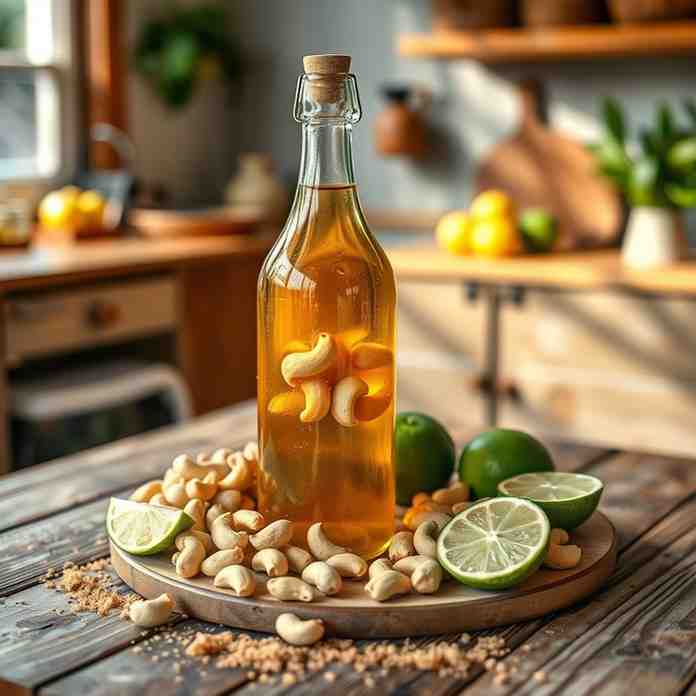
Ever dream of sipping an exotic, homemade brew that transports you straight to the sun-drenched shores of Belize? Get ready to embark on a truly unique fermentation adventure! This guide walks you through crafting your very own Belizean cashew wine right in your kitchen. Forget everything you thought you knew about nuts; this delicious, potent, and wonderfully sweet-tart drink is made not from the familiar cashew nuts recipe but from the vibrant, fleshy fruit they grow from—the cashew apple!
Belizean cashew wine, often called cashew apple wine, is a local favorite known for its distinctive fruity flavor and surprising kick. If you've ever visited Belize, you might have tried this strong, sweet, local favorite, perhaps even from a roadside vendor or at the famous Crooked Tree Cashew Festival. While it's a fermentation project that requires patience, the reward is a truly unique beverage that tastes like a tropical paradise in a glass. This isn't a same-day cocktail; it's a journey into the heart of tropical winemaking, sized perfectly for a home kitchen. We'll guide you through one definitive small-batch recipe, ensuring you understand what cashew wine is, how to make it safely, and how to enjoy every drop.
Ingredients
Directions
- Prep the Cashew Apples
- Thoroughly wash and inspect all cashew apples. Remove any stems, leaves, or bruised/damaged spots. Discard any fruit showing signs of mold.
- Carefully remove any remaining cashew nuts on the plant from the bottom of the fruit. Many commercially available cashew apples or pulp will already have the nuts removed.
- Extract the Juice
- Cut the clean cashew apples into smaller, manageable pieces.
- Place the cut fruit into a large, food-safe bucket or primary fermenter. Mash and squeeze the fruit vigorously to extract as much juice as possible. You can use your clean hands, a potato masher, or even a sturdy spoon.
- For maximum juice extraction and a smoother must, you can optionally blend the fruit pieces lightly in a blender (add a little water if needed to get it moving) and then strain the pulp through a fine mesh bag or several layers of cheesecloth into your primary fermenter. This captures all the precious cashew apple juice.
- Add Sugar, Water & Optional Helpers
- To the extracted cashew apple juice and pulp in the primary fermenter, stir in the granulated sugar (2 to 3 pounds). Mix very well until the sugar is completely dissolved.
- Add clean, chlorine-free water until you reach a total volume of about 1 gallon. Stir thoroughly to combine everything.
- If using, add the pectic enzyme (1/2 teaspoon) and yeast nutrient (1 teaspoon) now. If you're using Campden tablets, add 1-2 crushed tablets, stir, and wait 24 hours before proceeding to Step 4.
- Pitch the Yeast
- Ensure your cashew apple must (the juice/sugar mixture) is at a comfortable room temperature, ideally between 65-75°F (18-24°C).
- Sprinkle the packet of wine yeast directly onto the surface of the must, or rehydrate it first according to the yeast packet's instructions. Stir gently to incorporate.
- Cover your primary fermenter. If using a bucket, snap on the lid and fit an airlock. If using a large glass jar, you can loosely cover it with a clean cloth secured with an elastic band for the first 24-48 hours to allow initial vigorous fermentation gases to escape easily, then switch to an airlock.
- Primary Fermentation
- Place your fermenter in a warm spot, away from direct sunlight, where the temperature is consistent (65-75°F / 18-24°C).
- Active bubbling should begin within 24-48 hours. This primary fermentation typically lasts 5-10 days.
- If you have a significant fruit cap (pulp floating on top), gently stir the must daily for the first few days to keep the fruit cap moist and prevent mold.
- Signs of healthy fermentation include steady bubbling in the airlock and a yeasty, fruity aroma. If there's no activity or you see fuzzy mold, something may have gone wrong (discard if mold appears).
- Strain, Transfer & Secondary Fermentation
- Once active bubbling slows significantly or stops (usually after 1-2 weeks), it's time to strain. Place a fine mesh bag or several layers of cheesecloth over a clean 1-gallon glass jug or carboy.
- Carefully pour the fermenting cashew wine through the strainer, separating all fruit solids from the liquid. Gently squeeze the fruit solids to extract any remaining liquid. Discard the solids.
- Fit an airlock onto the clean jug. This is your secondary fermenter.
- Allow the wine to ferment more slowly in this secondary stage until bubbling nearly stops entirely and sediment begins to settle at the bottom. This can take several additional weeks.
- Rack, Taste & Optional Oak
- Once fermentation has mostly ceased and a layer of sediment has formed, it's time to "rack" the wine. Using a sanitized siphon or tubing, carefully transfer the wine from the secondary fermenter into another clean 1-gallon jug, leaving the sediment behind. This is your first racking.
- At this point, you can take a small taste. The wine will still be young, likely sharp, and possibly a touch yeasty.
- If you're using oak chips or cubes (1/4 ounce), add them to the wine now. Oaking can add a mellow, complex flavor, similar to how some winemakers oak cashew wine to enhance its profile. Let it age on oak for a few weeks to a couple of months, tasting periodically until you reach your desired flavor.
- Clear, Bottle & Age
- Continue to let the wine sit until it is mostly clear and there's no active bubbling. You may need to rack it again if more sediment forms.
- Once clear, carefully siphon the wine into sanitized bottles (swing-top bottles, wine bottles with corks, or even clean soda bottles work). Leave about an inch of headspace in each bottle.
- Cap or cork your bottles securely.
- Aging is crucial! While you can taste it young, cashew wine truly shines with age. Store bottles in a cool, dark place. A minimum resting time of a few months (3-6 months is ideal) will soften any harsh edges, allow flavors to meld, and bring out the beautiful fruitiness of the cashew apple. Some prefer to age it for a year or more.
Belizean Cashew Wine - Easy Homemade Recipe
- Serves: 15 People
- Prepare Time: 45 minutes
- Cooking Time: N/A (Fermen
- Calories: -
- Difficulty: Medium
Ever dream of sipping an exotic, homemade brew that transports you straight to the sun-drenched shores of Belize? Get ready to embark on a truly unique fermentation adventure! This guide walks you through crafting your very own Belizean cashew wine right in your kitchen. Forget everything you thought you knew about nuts; this delicious, potent, and wonderfully sweet-tart drink is made not from the familiar cashew nuts recipe but from the vibrant, fleshy fruit they grow from—the cashew apple!
Belizean cashew wine, often called cashew apple wine, is a local favorite known for its distinctive fruity flavor and surprising kick. If you've ever visited Belize, you might have tried this strong, sweet, local favorite, perhaps even from a roadside vendor or at the famous Crooked Tree Cashew Festival. While it's a fermentation project that requires patience, the reward is a truly unique beverage that tastes like a tropical paradise in a glass. This isn't a same-day cocktail; it's a journey into the heart of tropical winemaking, sized perfectly for a home kitchen. We'll guide you through one definitive small-batch recipe, ensuring you understand what cashew wine is, how to make it safely, and how to enjoy every drop.
Ingredients
Directions
- Prep the Cashew Apples
- Thoroughly wash and inspect all cashew apples. Remove any stems, leaves, or bruised/damaged spots. Discard any fruit showing signs of mold.
- Carefully remove any remaining cashew nuts on the plant from the bottom of the fruit. Many commercially available cashew apples or pulp will already have the nuts removed.
- Extract the Juice
- Cut the clean cashew apples into smaller, manageable pieces.
- Place the cut fruit into a large, food-safe bucket or primary fermenter. Mash and squeeze the fruit vigorously to extract as much juice as possible. You can use your clean hands, a potato masher, or even a sturdy spoon.
- For maximum juice extraction and a smoother must, you can optionally blend the fruit pieces lightly in a blender (add a little water if needed to get it moving) and then strain the pulp through a fine mesh bag or several layers of cheesecloth into your primary fermenter. This captures all the precious cashew apple juice.
- Add Sugar, Water & Optional Helpers
- To the extracted cashew apple juice and pulp in the primary fermenter, stir in the granulated sugar (2 to 3 pounds). Mix very well until the sugar is completely dissolved.
- Add clean, chlorine-free water until you reach a total volume of about 1 gallon. Stir thoroughly to combine everything.
- If using, add the pectic enzyme (1/2 teaspoon) and yeast nutrient (1 teaspoon) now. If you're using Campden tablets, add 1-2 crushed tablets, stir, and wait 24 hours before proceeding to Step 4.
- Pitch the Yeast
- Ensure your cashew apple must (the juice/sugar mixture) is at a comfortable room temperature, ideally between 65-75°F (18-24°C).
- Sprinkle the packet of wine yeast directly onto the surface of the must, or rehydrate it first according to the yeast packet's instructions. Stir gently to incorporate.
- Cover your primary fermenter. If using a bucket, snap on the lid and fit an airlock. If using a large glass jar, you can loosely cover it with a clean cloth secured with an elastic band for the first 24-48 hours to allow initial vigorous fermentation gases to escape easily, then switch to an airlock.
- Primary Fermentation
- Place your fermenter in a warm spot, away from direct sunlight, where the temperature is consistent (65-75°F / 18-24°C).
- Active bubbling should begin within 24-48 hours. This primary fermentation typically lasts 5-10 days.
- If you have a significant fruit cap (pulp floating on top), gently stir the must daily for the first few days to keep the fruit cap moist and prevent mold.
- Signs of healthy fermentation include steady bubbling in the airlock and a yeasty, fruity aroma. If there's no activity or you see fuzzy mold, something may have gone wrong (discard if mold appears).
- Strain, Transfer & Secondary Fermentation
- Once active bubbling slows significantly or stops (usually after 1-2 weeks), it's time to strain. Place a fine mesh bag or several layers of cheesecloth over a clean 1-gallon glass jug or carboy.
- Carefully pour the fermenting cashew wine through the strainer, separating all fruit solids from the liquid. Gently squeeze the fruit solids to extract any remaining liquid. Discard the solids.
- Fit an airlock onto the clean jug. This is your secondary fermenter.
- Allow the wine to ferment more slowly in this secondary stage until bubbling nearly stops entirely and sediment begins to settle at the bottom. This can take several additional weeks.
- Rack, Taste & Optional Oak
- Once fermentation has mostly ceased and a layer of sediment has formed, it's time to "rack" the wine. Using a sanitized siphon or tubing, carefully transfer the wine from the secondary fermenter into another clean 1-gallon jug, leaving the sediment behind. This is your first racking.
- At this point, you can take a small taste. The wine will still be young, likely sharp, and possibly a touch yeasty.
- If you're using oak chips or cubes (1/4 ounce), add them to the wine now. Oaking can add a mellow, complex flavor, similar to how some winemakers oak cashew wine to enhance its profile. Let it age on oak for a few weeks to a couple of months, tasting periodically until you reach your desired flavor.
- Clear, Bottle & Age
- Continue to let the wine sit until it is mostly clear and there's no active bubbling. You may need to rack it again if more sediment forms.
- Once clear, carefully siphon the wine into sanitized bottles (swing-top bottles, wine bottles with corks, or even clean soda bottles work). Leave about an inch of headspace in each bottle.
- Cap or cork your bottles securely.
- Aging is crucial! While you can taste it young, cashew wine truly shines with age. Store bottles in a cool, dark place. A minimum resting time of a few months (3-6 months is ideal) will soften any harsh edges, allow flavors to meld, and bring out the beautiful fruitiness of the cashew apple. Some prefer to age it for a year or more.
You may also like


Hey there! I’m just someone who seriously loves good food and believes that cooking doesn’t have to be complicated to be amazing. Whether it’s a quick weeknight dinner or a cozy weekend meal, I’m all about sharing easy, tasty recipes that actually work.