Belizean Panades - Delicious Mackerel Fish Recipe
Belizean Panades - Delicious Mackerel Fish Recipe
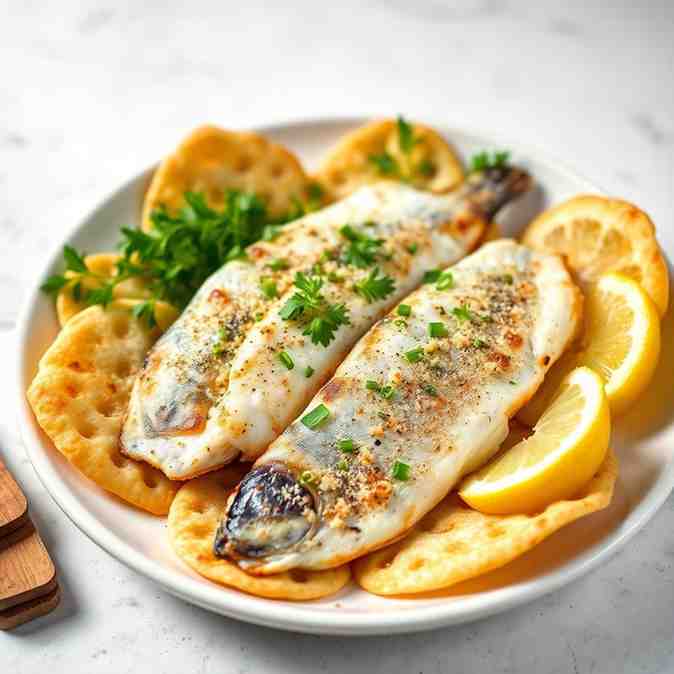
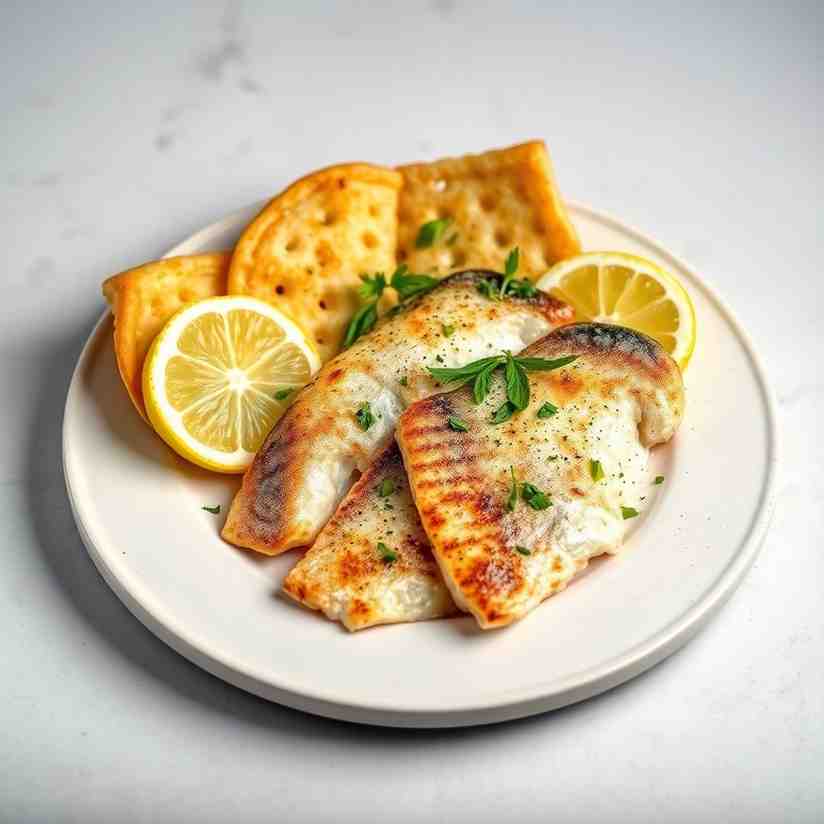
- Serves: 4 People
- Prepare Time: 30 minutes
- Cooking Time: 25 minutes
- Calories: -
- Difficulty: Medium
Welcome to the vibrant world of Belizean street food! If you've ever dreamt of savoring the crispy, savory goodness of a traditional panade, you're in for a treat. Belizean Panades are a beloved staple, offering a delightful culinary journey with every bite. These small, half-moon corn masa pockets are typically filled with seasoned fish or beans, then deep-fried until golden and served with a tangy, refreshing onion–cabbage sauce. Think of them as Belize's unique twist on empanadas, distinguishing themselves with their distinctive masa dough and zesty accompaniments.
You'll find these irresistible snacks everywhere in Belize—from bustling street stalls to lively family gatherings and festive parties. Our recipe makes it incredibly easy to bring this authentic flavor right into your US kitchen, using readily available ingredients. You'll love the satisfying crunch of the corn exterior perfectly complementing the soft, savory fish filling, especially when you use our fantastic recipes using canned mackerel for a quick and flavorful option. Topped with that classic Belizean onion–cabbage sauce, these panades are a true taste of bliss. We'll even share simple bean and coconut milk options to suit every palate, all without complicating the main workflow. Get ready to create a dish that's simple, incredibly satisfying, and truly Belizean!
Ingredients
Directions
- Make the Onion–Cabbage Sauce
- In a medium bowl, combine the thinly sliced cabbage, onion, and habanero pepper. For less heat, keep the habanero whole; for more, finely chop it and remove seeds if desired.
- Pour in the white vinegar and water, then sprinkle with salt.
- Toss everything together until well combined.
- Let the sauce sit at room temperature for at least 30 minutes, or ideally while you prepare the rest of the panades. This allows the flavors to meld and the vegetables to slightly soften, developing that signature tangy flavor.
- Cook and Season the Fish Filling
- If using fresh fish, pat it very dry and check for any bones. If using canned mackerel or tuna, drain it well and flake it with a fork.
- Heat a little cooking oil in a skillet over medium heat. Sauté the diced onion and minced garlic until softened and fragrant, about 3-5 minutes.
- Add the prepared fish to the skillet along with your chosen seasonings (salt, pepper, cumin/oregano/paprika).
- Cook, breaking up the fish with a spoon, until it's flaky, cooked through, and most importantly, fairly dry. Excess liquid can make your panades soggy or cause them to burst during frying.
- Remove from heat and stir in the fresh cilantro.
- Transfer the fish filling to a plate or shallow dish and allow it to cool slightly before you start shaping the panades. This prevents the filling from making the dough too warm and difficult to handle.
- Mix and Rest the Masa Dough
- In a large mixing bowl, combine the masa harina, salt, and baking powder. If using, add recado rojo or achiote for a beautiful traditional color.
- Gradually add warm water (and any optional coconut milk) to the masa mixture, mixing with your hands until a soft, pliable dough forms. The dough should feel like Play-Doh – soft and moist, but not sticky.
- Once the dough is well combined, cover the bowl with a damp cloth or plastic wrap and let it rest for about 10-15 minutes. This allows the masa harina to fully hydrate, resulting in a more pliable dough.
- Divide the masa dough into golf-ball-sized pieces (about 1.5 to 2 inches in diameter).
- Place one dough ball between two sheets of plastic wrap (cut from a Ziploc bag or use parchment paper) on a tortilla press. Press firmly to create a thin, round disc (about 4-5 inches in diameter). If you don't have a press, use a rolling pin.
- Spoon about 1-2 tablespoons of the cooled fish filling onto one half of the masa disc, leaving a small border around the edge.
- Carefully fold the other half of the masa disc over the filling to create a half-moon shape.
- Press the edges firmly together to seal the panade. You can use your fingers, or for a decorative edge, use the tines of a fork. Ensure the seal is tight to prevent the filling from leaking during frying.
- Arrange the formed panades on a lined tray or clean kitchen towel while you continue shaping the rest of the batch.
- Fry Until Crisp and Golden
- Heat about 2-3 inches of neutral oil in a heavy-bottomed skillet or frying pan over medium-high heat. The ideal temperature is around 350-375°F (175-190°C).
- Carefully place 2-3 panades into the hot oil, being careful not to overcrowd the pan. Fry in batches.
- Fry for 3-5 minutes per side, or until they are golden brown and crisp.
- Using a slotted spoon or tongs, remove the fried panades from the oil and transfer them to a plate lined with paper towels or a wire rack set over a baking sheet to drain any excess oil.
- Optionally, sprinkle lightly with a pinch of salt while they are still hot.
- Serve with Belizean Onion–Cabbage Sauce
- Arrange the hot, crispy panades on a serving platter.
- Spoon the tangy Belizean onion–cabbage sauce generously over the top of the panades, or serve it on the side for dipping.
- For an extra burst of freshness, you can add an optional squeeze of fresh lime juice and a sprinkle of fresh cilantro. Serve immediately and enjoy!
Belizean Panades - Delicious Mackerel Fish Recipe
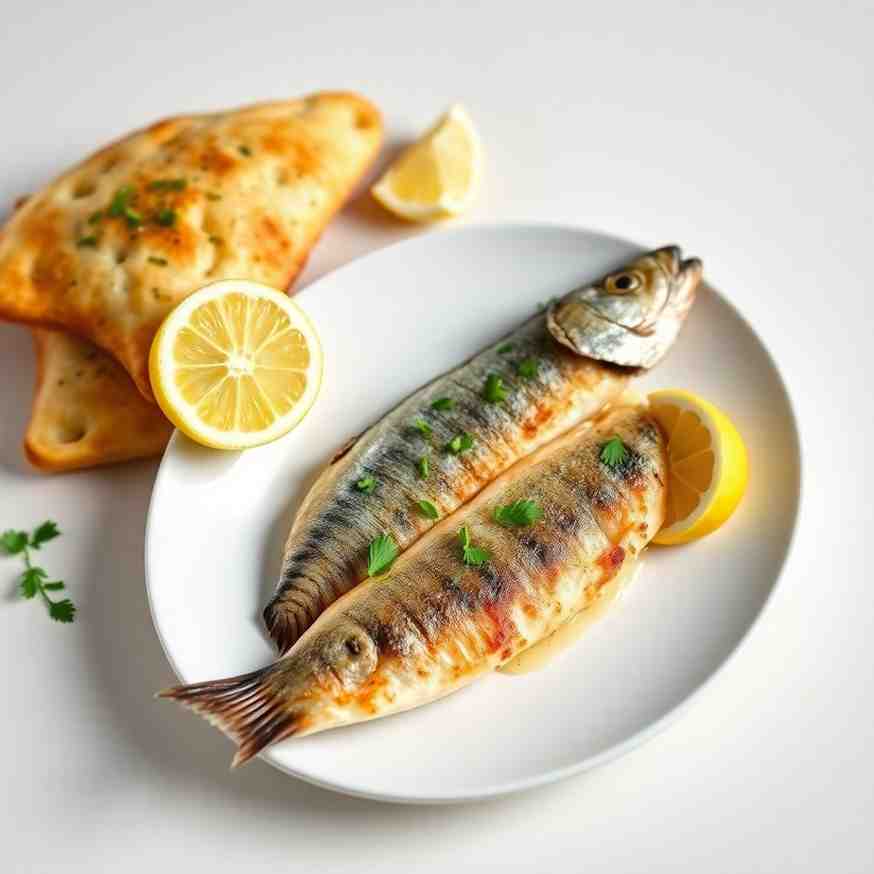
- Serves: 4 People
- Prepare Time: 30 minutes
- Cooking Time: 25 minutes
- Calories: -
- Difficulty: Medium
Welcome to the vibrant world of Belizean street food! If you've ever dreamt of savoring the crispy, savory goodness of a traditional panade, you're in for a treat. Belizean Panades are a beloved staple, offering a delightful culinary journey with every bite. These small, half-moon corn masa pockets are typically filled with seasoned fish or beans, then deep-fried until golden and served with a tangy, refreshing onion–cabbage sauce. Think of them as Belize's unique twist on empanadas, distinguishing themselves with their distinctive masa dough and zesty accompaniments.
You'll find these irresistible snacks everywhere in Belize—from bustling street stalls to lively family gatherings and festive parties. Our recipe makes it incredibly easy to bring this authentic flavor right into your US kitchen, using readily available ingredients. You'll love the satisfying crunch of the corn exterior perfectly complementing the soft, savory fish filling, especially when you use our fantastic recipes using canned mackerel for a quick and flavorful option. Topped with that classic Belizean onion–cabbage sauce, these panades are a true taste of bliss. We'll even share simple bean and coconut milk options to suit every palate, all without complicating the main workflow. Get ready to create a dish that's simple, incredibly satisfying, and truly Belizean!
Ingredients
Directions
- Make the Onion–Cabbage Sauce
- In a medium bowl, combine the thinly sliced cabbage, onion, and habanero pepper. For less heat, keep the habanero whole; for more, finely chop it and remove seeds if desired.
- Pour in the white vinegar and water, then sprinkle with salt.
- Toss everything together until well combined.
- Let the sauce sit at room temperature for at least 30 minutes, or ideally while you prepare the rest of the panades. This allows the flavors to meld and the vegetables to slightly soften, developing that signature tangy flavor.
- Cook and Season the Fish Filling
- If using fresh fish, pat it very dry and check for any bones. If using canned mackerel or tuna, drain it well and flake it with a fork.
- Heat a little cooking oil in a skillet over medium heat. Sauté the diced onion and minced garlic until softened and fragrant, about 3-5 minutes.
- Add the prepared fish to the skillet along with your chosen seasonings (salt, pepper, cumin/oregano/paprika).
- Cook, breaking up the fish with a spoon, until it's flaky, cooked through, and most importantly, fairly dry. Excess liquid can make your panades soggy or cause them to burst during frying.
- Remove from heat and stir in the fresh cilantro.
- Transfer the fish filling to a plate or shallow dish and allow it to cool slightly before you start shaping the panades. This prevents the filling from making the dough too warm and difficult to handle.
- Mix and Rest the Masa Dough
- In a large mixing bowl, combine the masa harina, salt, and baking powder. If using, add recado rojo or achiote for a beautiful traditional color.
- Gradually add warm water (and any optional coconut milk) to the masa mixture, mixing with your hands until a soft, pliable dough forms. The dough should feel like Play-Doh – soft and moist, but not sticky.
- Once the dough is well combined, cover the bowl with a damp cloth or plastic wrap and let it rest for about 10-15 minutes. This allows the masa harina to fully hydrate, resulting in a more pliable dough.
- Divide the masa dough into golf-ball-sized pieces (about 1.5 to 2 inches in diameter).
- Place one dough ball between two sheets of plastic wrap (cut from a Ziploc bag or use parchment paper) on a tortilla press. Press firmly to create a thin, round disc (about 4-5 inches in diameter). If you don't have a press, use a rolling pin.
- Spoon about 1-2 tablespoons of the cooled fish filling onto one half of the masa disc, leaving a small border around the edge.
- Carefully fold the other half of the masa disc over the filling to create a half-moon shape.
- Press the edges firmly together to seal the panade. You can use your fingers, or for a decorative edge, use the tines of a fork. Ensure the seal is tight to prevent the filling from leaking during frying.
- Arrange the formed panades on a lined tray or clean kitchen towel while you continue shaping the rest of the batch.
- Fry Until Crisp and Golden
- Heat about 2-3 inches of neutral oil in a heavy-bottomed skillet or frying pan over medium-high heat. The ideal temperature is around 350-375°F (175-190°C).
- Carefully place 2-3 panades into the hot oil, being careful not to overcrowd the pan. Fry in batches.
- Fry for 3-5 minutes per side, or until they are golden brown and crisp.
- Using a slotted spoon or tongs, remove the fried panades from the oil and transfer them to a plate lined with paper towels or a wire rack set over a baking sheet to drain any excess oil.
- Optionally, sprinkle lightly with a pinch of salt while they are still hot.
- Serve with Belizean Onion–Cabbage Sauce
- Arrange the hot, crispy panades on a serving platter.
- Spoon the tangy Belizean onion–cabbage sauce generously over the top of the panades, or serve it on the side for dipping.
- For an extra burst of freshness, you can add an optional squeeze of fresh lime juice and a sprinkle of fresh cilantro. Serve immediately and enjoy!
The following nutritional values are per serving (one piece of cake) Calories 280-350 kcal Carbohydrates 30-40g Protein 15-20g Fat 10-15g (varies greatly depending on oil absorption during frying) Sometimes, a few smart shortcuts can make all the difference in getting these delicious panades on your plate even faster. Here are some of our top picks: Tortilla PressProblem: Making perfectly round, evenly thin masa discs by hand can be tricky and time-consuming, especially if you're making a big batch. Problem: Making perfectly round, evenly thin masa discs by hand can be tricky and time-consuming, especially if you're making a big batch. Problem: Preparing fresh fish involves filleting, cooking, and flaking, which adds significant time and effort to your recipe. Problem: Slicing cabbage and onion thinly for the curtido (onion-cabbage sauce) can be tedious and, let's be honest, tear-inducing. Problem: Guessing the oil temperature can easily lead to greasy, soggy panades or burnt exteriors with raw insides. Click any ingredient for detailed nutritional information:Recipe Nutritional Values
Additional Information
Recipe Success Tips
Ingredient Substitutions & Variations
Cultural Variations
Make-Ahead & Storage Instructions
Frequently Asked Questions
Recommended Kitchen Tools
Canned Mackerel or Tuna
Agitate: Uneven discs lead to uneven cooking, and who wants to spend all day pressing dough when you could be enjoying your panades?
Solution: A simple tortilla press makes quick work of shaping your dough into uniform circles, saving you effort and ensuring consistent results every single time. Canned Mackerel or TunaPre-Shredded Cabbage & Onion
Agitate: If you're looking for a quick snack or meal, those extra steps for fresh fish can be a real deterrent.
Solution: Opting for canned mackerel or tuna means your fish is already cooked and ready to be seasoned, drastically cutting down on prep time without sacrificing flavor. Pre-Shredded Cabbage & OnionOil Thermometer
Agitate: Who enjoys watery eyes and a mountain of chopping when you're eager to get to the good part – eating?
Solution: Grab a bag of pre-shredded cabbage and pre-sliced onions from the produce section to whip up that tangy sauce in a flash. Oil ThermometerKitchen Tool
Agitate: Nothing ruins a perfectly good panade like improper frying – it's a common pitfall that can be so frustrating!
Solution: An inexpensive oil thermometer ensures your oil is at the ideal temperature every time, guaranteeing perfectly crisp, golden-brown panades without any guesswork.Calories per Ingredient
You may also like

Hey there! I’m just someone who seriously loves good food and believes that cooking doesn’t have to be complicated to be amazing. Whether it’s a quick weeknight dinner or a cozy weekend meal, I’m all about sharing easy, tasty recipes that actually work.