Bellam Gavvalu - Crispy Jaggery Shells - special sweet shells
Bellam Gavvalu - Crispy Jaggery Shells - special sweet shells
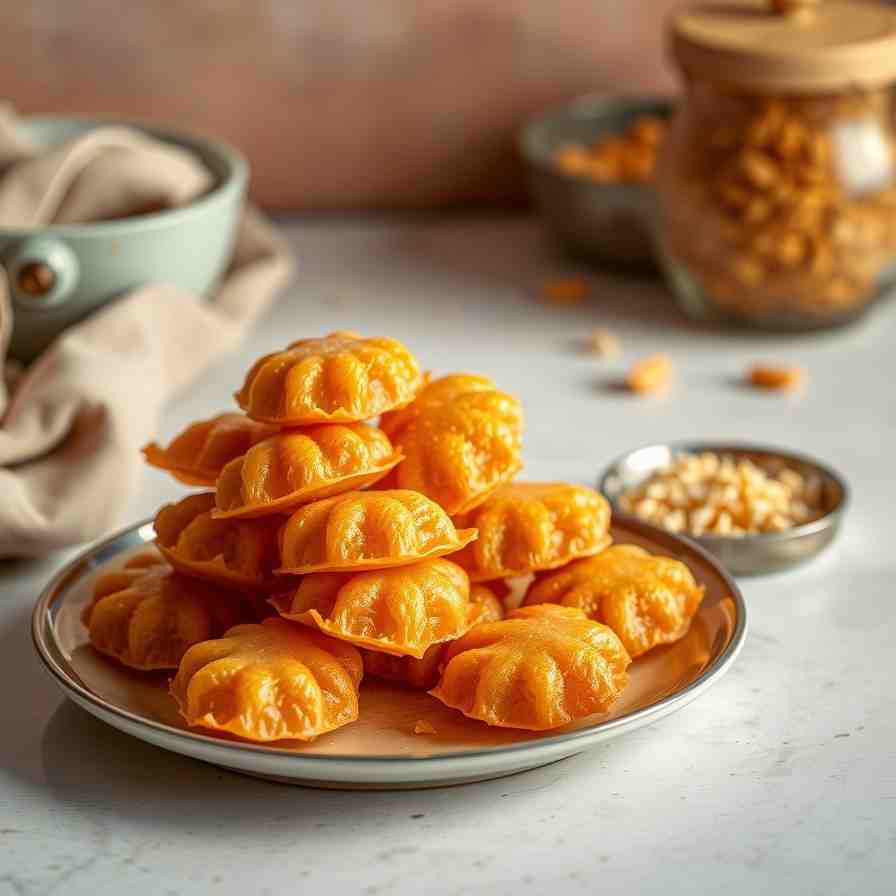

- Serves: 8 People
- Prepare Time: 30 minutes
- Cooking Time: 30 minutes
- Calories: -
- Difficulty: Medium
Hey there, fellow snack lovers! Get ready to dive into the delightful world of Bellam Gavvalu, those irresistible, crispy shell-shaped bites coated in a glistening jaggery syrup. These aren't just any sweet treats; they're a classic Andhra festival sweet, especially popular during Diwali, that feels incredibly impressive to serve but is surprisingly easy to make once you get the hang of it. Imagine pairing these golden-brown beauties with a hot cup of chai – pure bliss! Don't worry if you're new to this; we’ll walk you through the dough, shaping, frying, and jaggery syrup, step-by-step, so your gavvalu come out perfectly crisp, shiny, and never rock-hard. Let's get cooking!
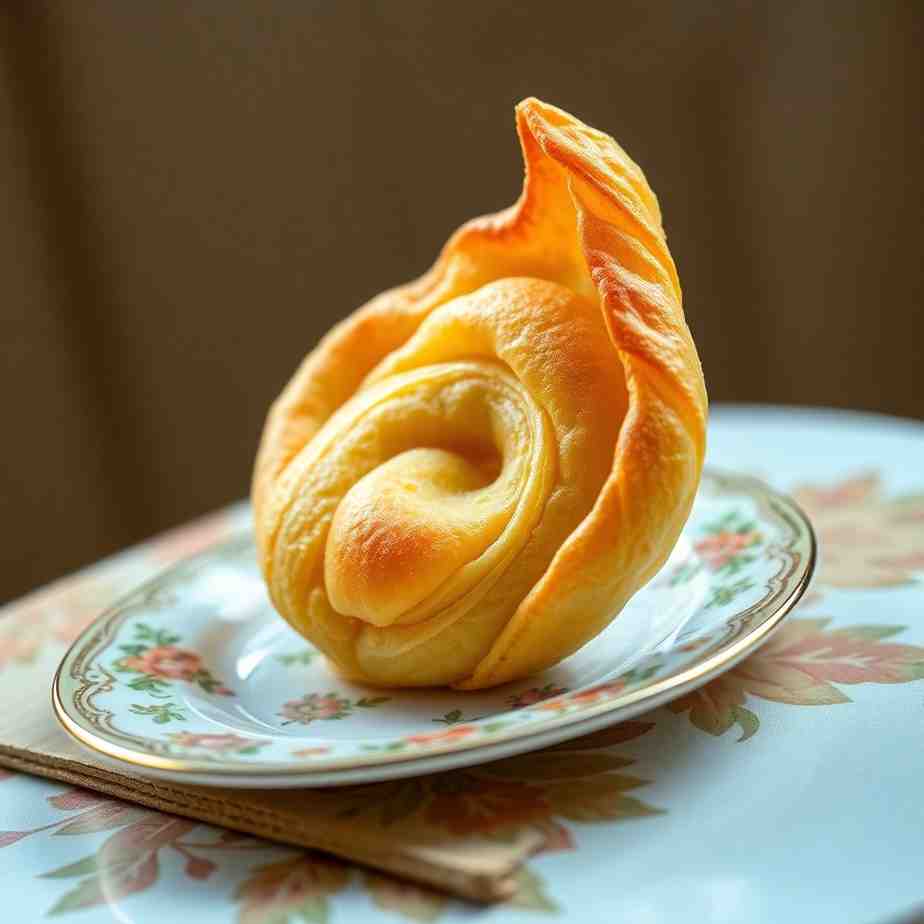
Gavvalu, which literally means "shells" in Telugu, are traditional Indian sweets known for their distinctive ridged, shell-like shape. While there are savory (namkeen) versions, this recipe focuses on sweet jaggery gavvalu (Bellam Gavvalu), where the fried dough shells are coated in a rich, sticky jaggery syrup. You might also know these by other regional names like kulkuls, kalkals, or kidiyo – they're a beloved sweet, often enjoyed during festivals like Diwali and Christmas, or simply as a delightful tea-time snack across different parts of India, especially Goa.
Crisp Outside, Not Tooth-Breaking: We'll show you how to get that perfect crunch without them turning into jawbreakers.
Shiny, Non-Gritty Jaggery Coating: Say goodbye to grainy syrup! Our method ensures a smooth, luscious glaze.
No Special Maker? No Problem! Learn how to shape beautiful gavvalu using just a fork or even a comb.
Tested for Your Kitchen: This recipe uses ingredients easily found in both US grocery stores and Indian markets.
Make-Ahead & Gift-Friendly: Perfect for holiday prep or sharing with loved ones.
Ingredients
Directions
- Equipment You’ll Need
- Heavy-bottomed kadai or deep pot for frying
- Slotted spoon
- Gavvalu maker / shell board (optional, but makes shaping easier)
- Alternatives for shaping: a fork, a new fine-toothed comb, or a gnocchi board
- Small saucepan for syrup
- Optional: Kitchen thermometer for oil temperature
- Make the Dough
- In a large mixing bowl, combine your all-purpose flour, fine semolina (if using), salt, and baking soda. Give it a good whisk to mix everything evenly.
- Heat the oil or ghee until it's quite hot but not smoking. Carefully pour this hot fat over the dry ingredients.
- Using a spoon (it’ll be hot!), mix the fat into the flour until it’s evenly distributed and resembles coarse sand or breadcrumbs. Then, use your fingertips to rub the fat into the flour, ensuring every bit is coated.
- Gradually add water, a little at a time, and knead the dough. You want a dough that's soft but firm, similar to what you'd use for chapati, and definitely not sticky.
- Cover the dough with a damp cloth or plastic wrap and let it rest for 10-15 minutes. This helps the gluten relax and makes it easier to shape.
- Shape the Shell-Shaped Gavvalu
- Pinch off small pieces of dough, about the size of a grape, and roll them into tiny logs or balls.
- Using a Gavvalu Board: Place a dough piece at the top of the ridged board. Gently press and roll it downwards with your thumb, creating a ridged shell. The bottom edge should seal as you roll.
- Using a Fork/Comb/Gnocchi Board: Place a dough piece on the back of a fork's tines (or a clean, fine-toothed comb, or a gnocchi board). Use your thumb or a finger to press and roll it downwards at an angle. This will create the signature ridges and naturally seal one edge of the shell, preventing it from opening during frying.
- Place your shaped shells on a tray, making sure they don't stick together. Lightly cover them with a cloth while you continue shaping the rest of the dough to prevent them from drying out.
- Fry Until Crisp
- Heat your neutral high-heat oil in a heavy-bottomed kadai or deep pot over medium heat. To test the oil temperature, drop a tiny piece of dough into it. It should sizzle and slowly rise to the surface, indicating the oil is around 300-325°F (150-160°C). If it browns too quickly, the oil is too hot; if it just sits there, it’s not hot enough.
- Once the oil is at the right temperature, fry a small test batch first. This helps you confirm the oil temperature and the crispness of your gavvalu.
- Carefully add the shaped gavvalu to the hot oil in small batches. Don't overcrowd the pot, as this will lower the oil temperature.
- Fry the gavvalu on medium-low heat, turning them occasionally, until they are golden brown and thoroughly crisp. This slow frying is crucial for ensuring they cook through and become crisp, not just browned on the outside.
- Once golden and crisp, remove them with a slotted spoon and drain them on paper towels or a wire rack to remove excess oil.
- Make Jaggery Syrup
- In a small saucepan, combine the grated jaggery and water. Heat on low, stirring occasionally until the jaggery melts completely.
- Once melted, bring the syrup to a boil. Let it simmer until it reaches the right consistency. For this recipe, we're looking for a one-string consistency (when you take a drop between your thumb and forefinger and pull them apart, a single thread forms) or a soft ball stage (if you drop a tiny bit into cold water, it forms a soft, pliable ball). This is important for a coating that sets without being rock-hard.
- If using, stir in the cardamom powder and then switch off the heat immediately.
- Coat the Fried Shells
- While the jaggery syrup is still warm (but not boiling hot), add the fried gavvalu to the pan.
- Toss them quickly and gently with a spatula or spoon, ensuring each shell is evenly coated with the shiny jaggery syrup. Work quickly, as the syrup will start to thicken as it cools.
- Immediately spread the coated gavvalu onto a greased tray or parchment paper, separating them so they don't clump together.
- Allow them to cool completely and set. The jaggery coating will transform from sticky to crisp as it dries. Once fully cooled, they're ready to enjoy!
Bellam Gavvalu - Crispy Jaggery Shells - special sweet shells
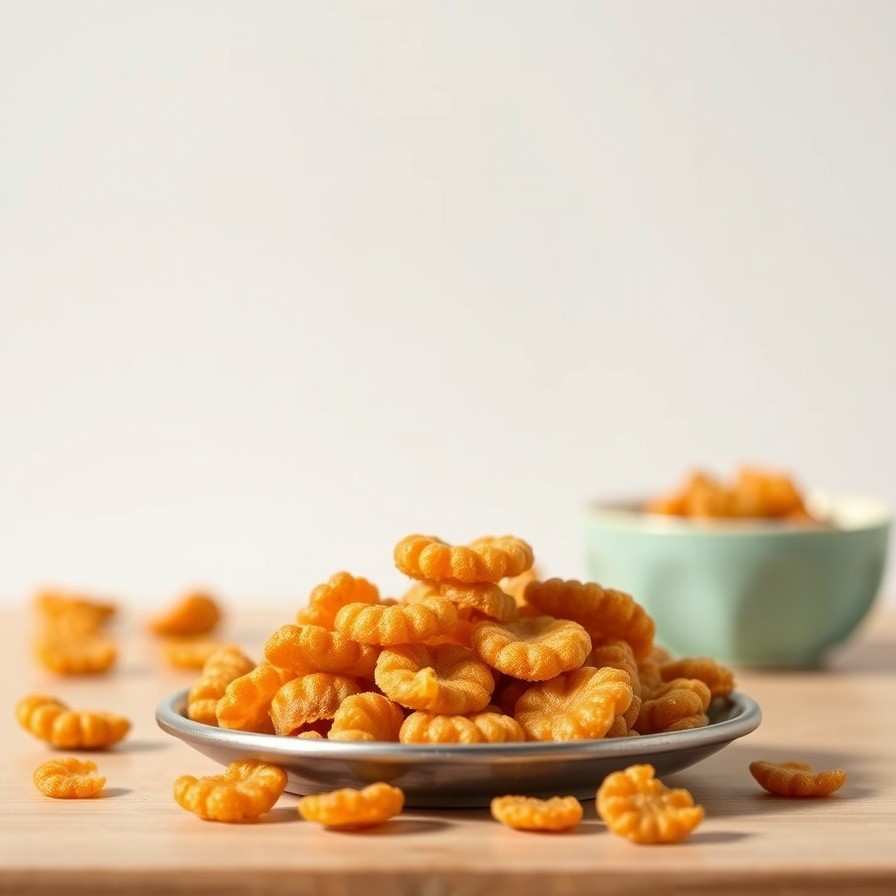
- Serves: 8 People
- Prepare Time: 30 minutes
- Cooking Time: 30 minutes
- Calories: -
- Difficulty: Medium
Hey there, fellow snack lovers! Get ready to dive into the delightful world of Bellam Gavvalu, those irresistible, crispy shell-shaped bites coated in a glistening jaggery syrup. These aren't just any sweet treats; they're a classic Andhra festival sweet, especially popular during Diwali, that feels incredibly impressive to serve but is surprisingly easy to make once you get the hang of it. Imagine pairing these golden-brown beauties with a hot cup of chai – pure bliss! Don't worry if you're new to this; we’ll walk you through the dough, shaping, frying, and jaggery syrup, step-by-step, so your gavvalu come out perfectly crisp, shiny, and never rock-hard. Let's get cooking!
Gavvalu, which literally means "shells" in Telugu, are traditional Indian sweets known for their distinctive ridged, shell-like shape. While there are savory (namkeen) versions, this recipe focuses on sweet jaggery gavvalu (Bellam Gavvalu), where the fried dough shells are coated in a rich, sticky jaggery syrup. You might also know these by other regional names like kulkuls, kalkals, or kidiyo – they're a beloved sweet, often enjoyed during festivals like Diwali and Christmas, or simply as a delightful tea-time snack across different parts of India, especially Goa.
Crisp Outside, Not Tooth-Breaking: We'll show you how to get that perfect crunch without them turning into jawbreakers.
Shiny, Non-Gritty Jaggery Coating: Say goodbye to grainy syrup! Our method ensures a smooth, luscious glaze.
No Special Maker? No Problem! Learn how to shape beautiful gavvalu using just a fork or even a comb.
Tested for Your Kitchen: This recipe uses ingredients easily found in both US grocery stores and Indian markets.
Make-Ahead & Gift-Friendly: Perfect for holiday prep or sharing with loved ones.
Ingredients
Directions
- Equipment You’ll Need
- Heavy-bottomed kadai or deep pot for frying
- Slotted spoon
- Gavvalu maker / shell board (optional, but makes shaping easier)
- Alternatives for shaping: a fork, a new fine-toothed comb, or a gnocchi board
- Small saucepan for syrup
- Optional: Kitchen thermometer for oil temperature
- Make the Dough
- In a large mixing bowl, combine your all-purpose flour, fine semolina (if using), salt, and baking soda. Give it a good whisk to mix everything evenly.
- Heat the oil or ghee until it's quite hot but not smoking. Carefully pour this hot fat over the dry ingredients.
- Using a spoon (it’ll be hot!), mix the fat into the flour until it’s evenly distributed and resembles coarse sand or breadcrumbs. Then, use your fingertips to rub the fat into the flour, ensuring every bit is coated.
- Gradually add water, a little at a time, and knead the dough. You want a dough that's soft but firm, similar to what you'd use for chapati, and definitely not sticky.
- Cover the dough with a damp cloth or plastic wrap and let it rest for 10-15 minutes. This helps the gluten relax and makes it easier to shape.
- Shape the Shell-Shaped Gavvalu
- Pinch off small pieces of dough, about the size of a grape, and roll them into tiny logs or balls.
- Using a Gavvalu Board: Place a dough piece at the top of the ridged board. Gently press and roll it downwards with your thumb, creating a ridged shell. The bottom edge should seal as you roll.
- Using a Fork/Comb/Gnocchi Board: Place a dough piece on the back of a fork's tines (or a clean, fine-toothed comb, or a gnocchi board). Use your thumb or a finger to press and roll it downwards at an angle. This will create the signature ridges and naturally seal one edge of the shell, preventing it from opening during frying.
- Place your shaped shells on a tray, making sure they don't stick together. Lightly cover them with a cloth while you continue shaping the rest of the dough to prevent them from drying out.
- Fry Until Crisp
- Heat your neutral high-heat oil in a heavy-bottomed kadai or deep pot over medium heat. To test the oil temperature, drop a tiny piece of dough into it. It should sizzle and slowly rise to the surface, indicating the oil is around 300-325°F (150-160°C). If it browns too quickly, the oil is too hot; if it just sits there, it’s not hot enough.
- Once the oil is at the right temperature, fry a small test batch first. This helps you confirm the oil temperature and the crispness of your gavvalu.
- Carefully add the shaped gavvalu to the hot oil in small batches. Don't overcrowd the pot, as this will lower the oil temperature.
- Fry the gavvalu on medium-low heat, turning them occasionally, until they are golden brown and thoroughly crisp. This slow frying is crucial for ensuring they cook through and become crisp, not just browned on the outside.
- Once golden and crisp, remove them with a slotted spoon and drain them on paper towels or a wire rack to remove excess oil.
- Make Jaggery Syrup
- In a small saucepan, combine the grated jaggery and water. Heat on low, stirring occasionally until the jaggery melts completely.
- Once melted, bring the syrup to a boil. Let it simmer until it reaches the right consistency. For this recipe, we're looking for a one-string consistency (when you take a drop between your thumb and forefinger and pull them apart, a single thread forms) or a soft ball stage (if you drop a tiny bit into cold water, it forms a soft, pliable ball). This is important for a coating that sets without being rock-hard.
- If using, stir in the cardamom powder and then switch off the heat immediately.
- Coat the Fried Shells
- While the jaggery syrup is still warm (but not boiling hot), add the fried gavvalu to the pan.
- Toss them quickly and gently with a spatula or spoon, ensuring each shell is evenly coated with the shiny jaggery syrup. Work quickly, as the syrup will start to thicken as it cools.
- Immediately spread the coated gavvalu onto a greased tray or parchment paper, separating them so they don't clump together.
- Allow them to cool completely and set. The jaggery coating will transform from sticky to crisp as it dries. Once fully cooled, they're ready to enjoy!
You may also like


Hey there! I’m just someone who seriously loves good food and believes that cooking doesn’t have to be complicated to be amazing. Whether it’s a quick weeknight dinner or a cozy weekend meal, I’m all about sharing easy, tasty recipes that actually work.