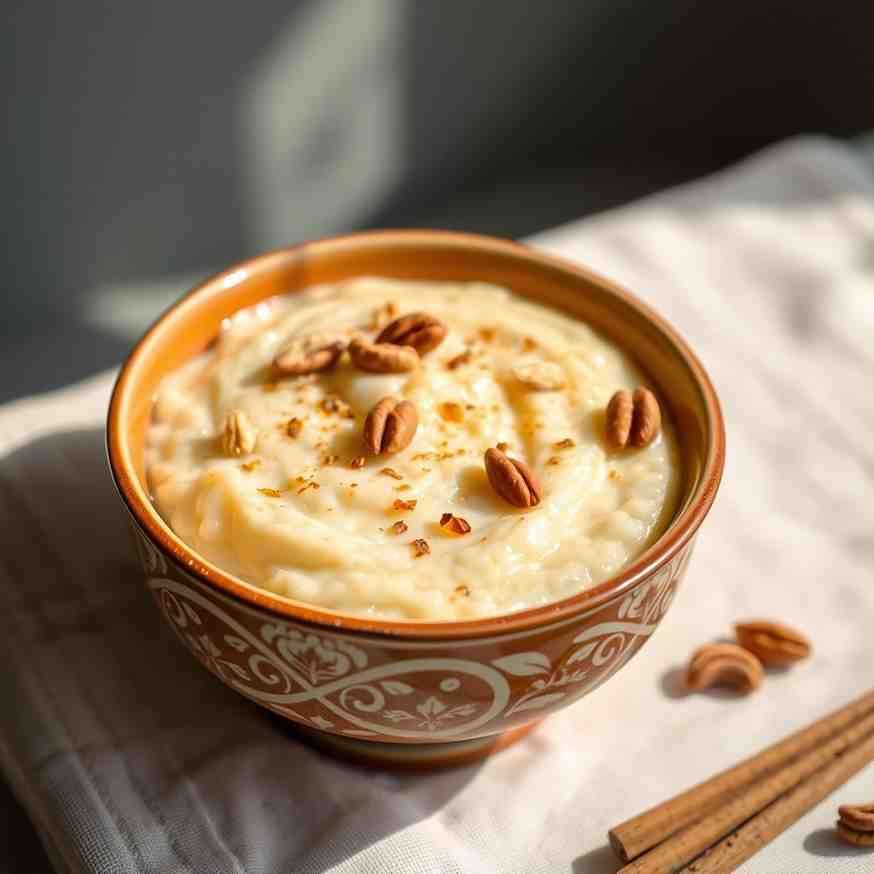
Bake Benin Sweet Bread Learn How to Make This Easy Loaf
Bake Benin Sweet Bread Learn How to Make This Easy Loaf
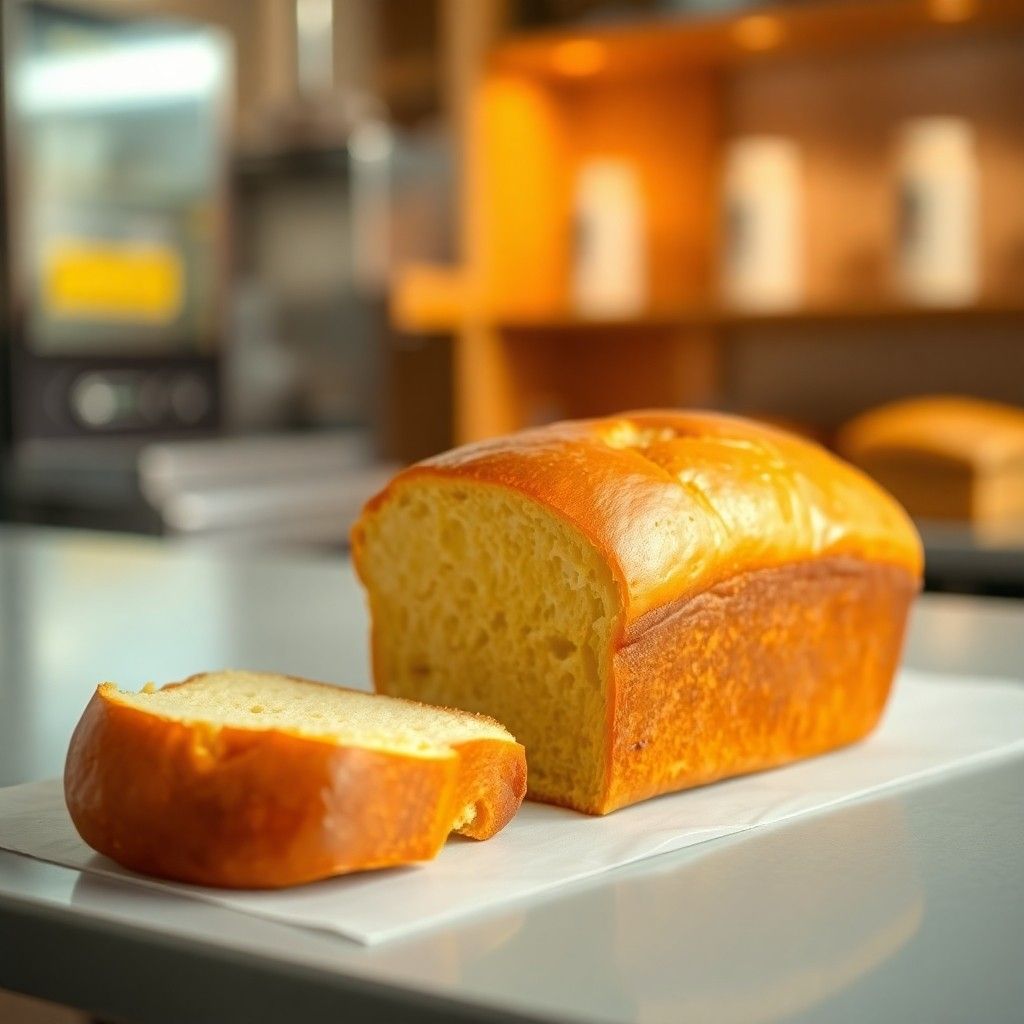
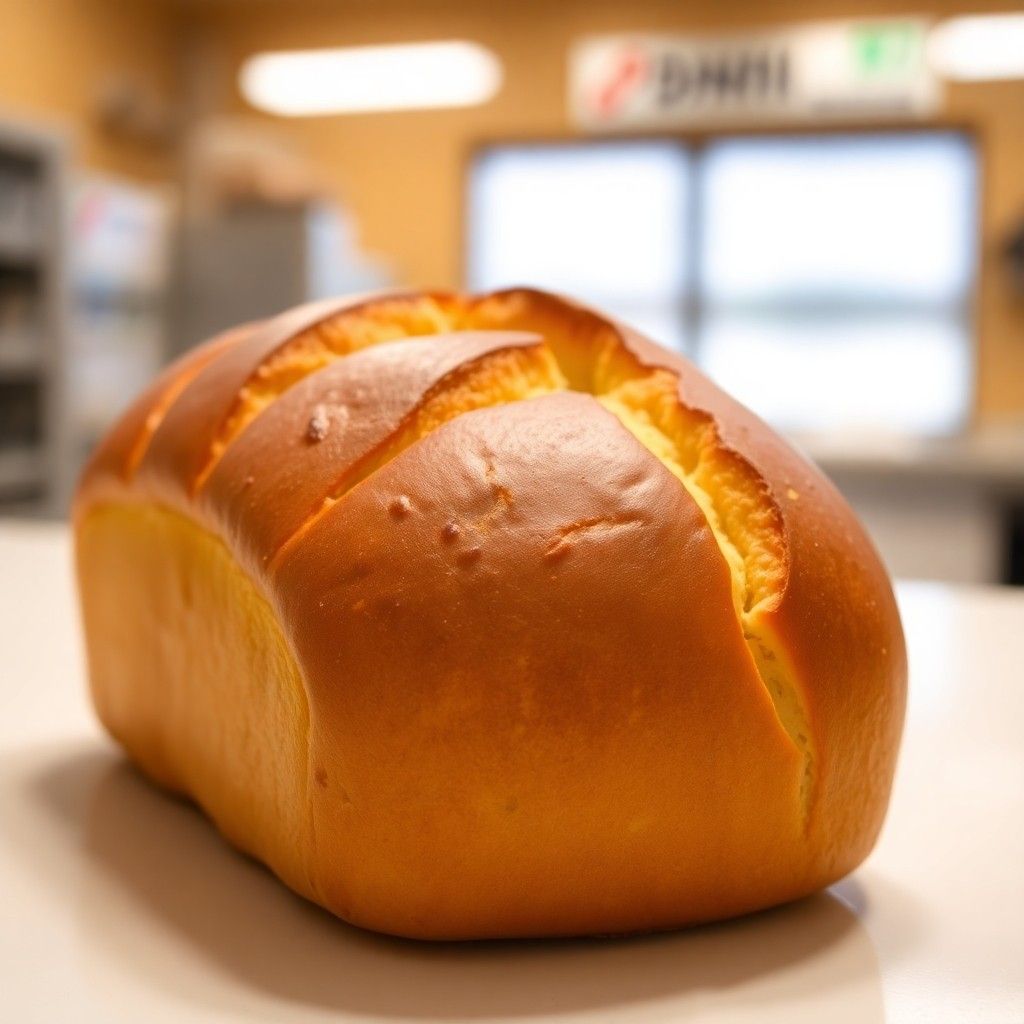
- Serves: 10 People
- Prepare Time: 25 minutes
- Cooking Time: 55 minutes
- Calories: -
- Difficulty: Easy
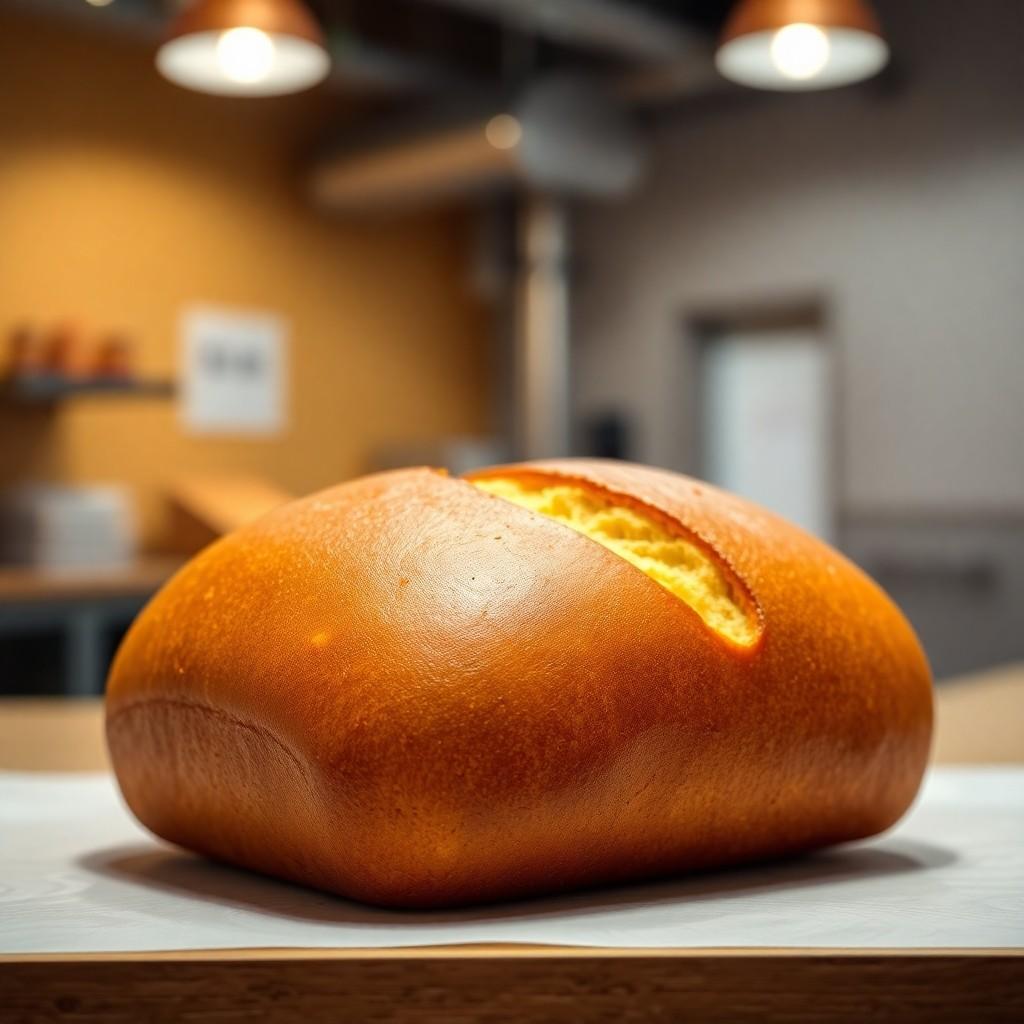
Ever dreamt of sinking your teeth into a warm, fragrant slice of fresh baked bread that’s unlike anything you’ve tried before? Get ready to learn how to bake bread with our incredible Benin Sweet Bread recipe! This isn't just any sweet bread; it's a coconut-rich loaf inspired by the vibrant flavors of Benin and West Africa. Imagine a texture similar to the Caribbean sweet breads you might already love, but with its own unique, delightful twist. It’s perfect for breakfast, a comforting snack, or alongside a cup of tea. Don't worry if you’re new to pastry and baking – this recipe is designed for you. You can absolutely bake Benin Sweet Bread at home, even if you’ve never made bread before. We’ll show you exactly how to make this comforting loaf, bringing the taste of West Africa right to your kitchen!
Ingredients
Directions
Benin Sweet Bread Step-by-Step Instructions
Follow these simple steps to create your perfect Benin Sweet Bread loaf.- Prep the Pan and Preheat the Oven
- Start by lining your 9x5-inch loaf pan with parchment paper, leaving an overhang on the long sides to easily lift the bread out later, or grease it well with butter or baking spray. Preheat your oven to 350°F (175°C). Position an oven rack in the middle for even browning.
- Mix the Dry Ingredients
- In a large mixing bowl, combine the all-purpose flour, granulated sugar, baking powder, ground nutmeg, ground cinnamon, and salt. Whisk these dry ingredients together thoroughly for about 30 seconds. This ensures the baking powder is evenly distributed, which is key for a good rise.
- Add Coconut and Fruit
- Fold in the unsweetened shredded coconut and the raisins (or other dried fruit) into the dry mixture. If your dried fruit seems very wet or sticky, you can pat it dry with a paper towel or toss it with a tablespoon of flour before adding it to prevent it from sinking to the bottom of the loaf.
- Combine the Wet Ingredients
- In a separate medium bowl, whisk together the room-temperature eggs, evaporated milk, melted and cooled butter, and vanilla extract until the mixture is smooth and well combined. Using room-temperature ingredients helps them mix more evenly and creates a smoother batter.
- Bring the Dough Together
- Pour the wet ingredients into the bowl with the dry ingredients. Using a rubber spatula or wooden spoon, stir gently just until no dry pockets of flour remain. Be careful not to overmix! The ideal texture will be thick, scoopable, and slightly sticky, not runny. If your dough looks a little too dry or crumbly, add 1-2 tablespoons of milk, one at a time, until it comes together. If it seems too soupy, sprinkle in an extra spoonful of flour until it reaches the right consistency.
- Fill the Pan and Score the Top
- Transfer the dough evenly into your prepared loaf pan. Use your spatula to gently press the dough into the corners and smooth the top. If you like, you can add a traditional diagonal score across the top of the loaf with a sharp knife (about ¼ inch deep) before baking. For extra crunch and sweetness, sprinkle a little granulated sugar or additional shredded coconut on top.
- Bake
- Place the loaf pan in the preheated oven and bake for approximately 50-60 minutes. Start checking around the 50-minute mark. You'll know it's done when the top is a deep golden brown, the center feels firm to the touch, and a wooden skewer or toothpick inserted into the center comes out clean. For the most accurate test, an instant-read thermometer should register an internal temperature of 190-195°F (88-90°C). Be careful not to overbake, as this can lead to a dry loaf.
- Cool, Slice, and Serve
- Once baked, remove the loaf from the oven and let it cool in the pan for about 10-15 minutes. This brief cooling period helps the bread set and firm up. Then, use the parchment paper overhang to lift the loaf out and transfer it to a wire cooling rack to cool completely. Cooling fully helps the crumb structure stabilize. Slice and serve warm with a pat of butter, alongside your morning coffee or tea, or even with savory Benin dishes for a delightful contrast.
Bake Benin Sweet Bread Learn How to Make This Easy Loaf
- Serves: 10 People
- Prepare Time: 25 minutes
- Cooking Time: 55 minutes
- Calories: -
- Difficulty: Easy
Ever dreamt of sinking your teeth into a warm, fragrant slice of fresh baked bread that’s unlike anything you’ve tried before? Get ready to learn how to bake bread with our incredible Benin Sweet Bread recipe! This isn't just any sweet bread; it's a coconut-rich loaf inspired by the vibrant flavors of Benin and West Africa. Imagine a texture similar to the Caribbean sweet breads you might already love, but with its own unique, delightful twist. It’s perfect for breakfast, a comforting snack, or alongside a cup of tea. Don't worry if you’re new to pastry and baking – this recipe is designed for you. You can absolutely bake Benin Sweet Bread at home, even if you’ve never made bread before. We’ll show you exactly how to make this comforting loaf, bringing the taste of West Africa right to your kitchen!
Ingredients
Directions
Benin Sweet Bread Step-by-Step Instructions
Follow these simple steps to create your perfect Benin Sweet Bread loaf.- Prep the Pan and Preheat the Oven
- Start by lining your 9x5-inch loaf pan with parchment paper, leaving an overhang on the long sides to easily lift the bread out later, or grease it well with butter or baking spray. Preheat your oven to 350°F (175°C). Position an oven rack in the middle for even browning.
- Mix the Dry Ingredients
- In a large mixing bowl, combine the all-purpose flour, granulated sugar, baking powder, ground nutmeg, ground cinnamon, and salt. Whisk these dry ingredients together thoroughly for about 30 seconds. This ensures the baking powder is evenly distributed, which is key for a good rise.
- Add Coconut and Fruit
- Fold in the unsweetened shredded coconut and the raisins (or other dried fruit) into the dry mixture. If your dried fruit seems very wet or sticky, you can pat it dry with a paper towel or toss it with a tablespoon of flour before adding it to prevent it from sinking to the bottom of the loaf.
- Combine the Wet Ingredients
- In a separate medium bowl, whisk together the room-temperature eggs, evaporated milk, melted and cooled butter, and vanilla extract until the mixture is smooth and well combined. Using room-temperature ingredients helps them mix more evenly and creates a smoother batter.
- Bring the Dough Together
- Pour the wet ingredients into the bowl with the dry ingredients. Using a rubber spatula or wooden spoon, stir gently just until no dry pockets of flour remain. Be careful not to overmix! The ideal texture will be thick, scoopable, and slightly sticky, not runny. If your dough looks a little too dry or crumbly, add 1-2 tablespoons of milk, one at a time, until it comes together. If it seems too soupy, sprinkle in an extra spoonful of flour until it reaches the right consistency.
- Fill the Pan and Score the Top
- Transfer the dough evenly into your prepared loaf pan. Use your spatula to gently press the dough into the corners and smooth the top. If you like, you can add a traditional diagonal score across the top of the loaf with a sharp knife (about ¼ inch deep) before baking. For extra crunch and sweetness, sprinkle a little granulated sugar or additional shredded coconut on top.
- Bake
- Place the loaf pan in the preheated oven and bake for approximately 50-60 minutes. Start checking around the 50-minute mark. You'll know it's done when the top is a deep golden brown, the center feels firm to the touch, and a wooden skewer or toothpick inserted into the center comes out clean. For the most accurate test, an instant-read thermometer should register an internal temperature of 190-195°F (88-90°C). Be careful not to overbake, as this can lead to a dry loaf.
- Cool, Slice, and Serve
- Once baked, remove the loaf from the oven and let it cool in the pan for about 10-15 minutes. This brief cooling period helps the bread set and firm up. Then, use the parchment paper overhang to lift the loaf out and transfer it to a wire cooling rack to cool completely. Cooling fully helps the crumb structure stabilize. Slice and serve warm with a pat of butter, alongside your morning coffee or tea, or even with savory Benin dishes for a delightful contrast.
The following nutritional values are per serving (one piece of cake) Calories (estimated per serving) 280-350 kcal Carbohydrates (estimated per serving) 40-50g Protein (estimated per serving) 5-7g Fat (estimated per serving) 10-15g Tools and ingredients that can help you cook more easily and consistently. Making delicious Benin Sweet Bread at home doesn't have to take all day! Here are a few clever tools and ingredients that can help streamline your baking process, getting that warm loaf to your table even faster. Problem: Measuring cups can be inaccurate, leading to inconsistent dough texture and varying results with your bread. Plus, scooping and leveling flour can be messy and time-consuming. Problem: While fresh coconut is wonderful, grating it yourself can be a labor-intensive step, adding significant time to your prep, especially if you're not used to handling whole coconuts. Problem: Guessing if your sweet bread is perfectly baked can lead to either an underbaked, gooey center or an overbaked, dry loaf. Visual cues alone can sometimes be misleading. Click any ingredient for detailed nutritional information:Recipe Nutritional Values
Additional Information
Recipe Success Tips
Ingredient Substitutions & Variations
Cultural Variations
Make-Ahead & Storage Instructions
Frequently Asked Questions
Recommended Kitchen Tools
Time-Saving Tools & Ingredients
Digital Kitchen Scale
Agitate: Imagine painstakingly measuring flour only to find your dough is too dry or too wet, forcing you to adjust on the fly and potentially compromising the final loaf. This can be frustrating, especially when you're short on time.
Solution: A digital kitchen scale allows you to weigh ingredients precisely. This is not only faster and cleaner (no more leveling cups!) but also ensures consistent results every single time, making your baking more reliable and enjoyable.Pre-shredded Unsweetened Coconut
Agitate: Spending precious minutes or even an hour wrestling with a coconut when you could be moving on to mixing your dough can feel like a chore, possibly deterring you from baking this delicious bread more often.
Solution: Opting for high-quality pre-shredded unsweetened coconut saves you all that effort. It's ready to use straight from the bag, allowing you to quickly fold it into your dry ingredients and move on to the next step without delay.Instant-Read Thermometer
Agitate: There's nothing more disappointing than cutting into a beautiful loaf only to find it's still raw inside, or discovering it's dry and crumbly because it spent too long in the oven. This can waste ingredients and your valuable time.
Solution: An instant-read thermometer provides an accurate internal temperature reading, letting you know precisely when your Benin Sweet Bread has reached its ideal doneness (e.g., 190-195°F). This takes the guesswork out of baking, ensuring a perfectly moist and tender crumb every time.Calories per Ingredient
You may also like



Hey there! I’m just someone who seriously loves good food and believes that cooking doesn’t have to be complicated to be amazing. Whether it’s a quick weeknight dinner or a cozy weekend meal, I’m all about sharing easy, tasty recipes that actually work.