Best Way to Cook Oxtail - Tender Botswana Mogatla Stew
Best Way to Cook Oxtail - Tender Botswana Mogatla Stew
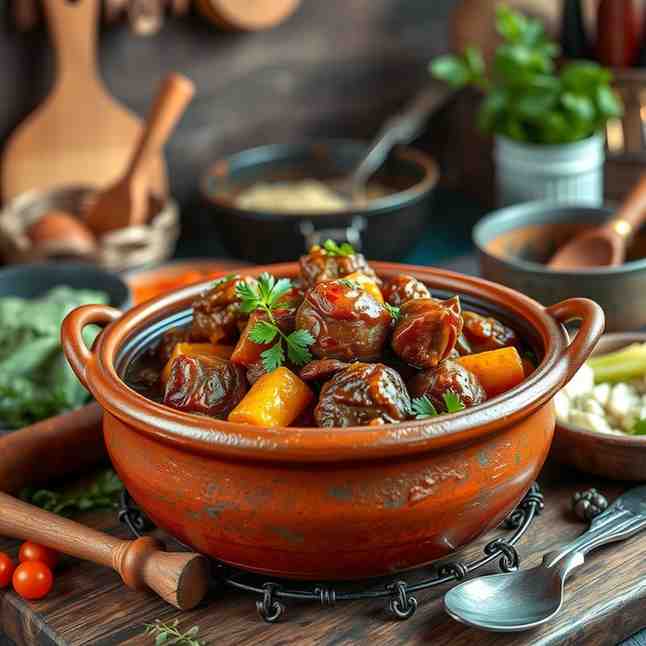
- Serves: 6 People
- Prepare Time: 25 minutes
- Cooking Time: 2 hours 30
- Calories: -
- Difficulty: Medium
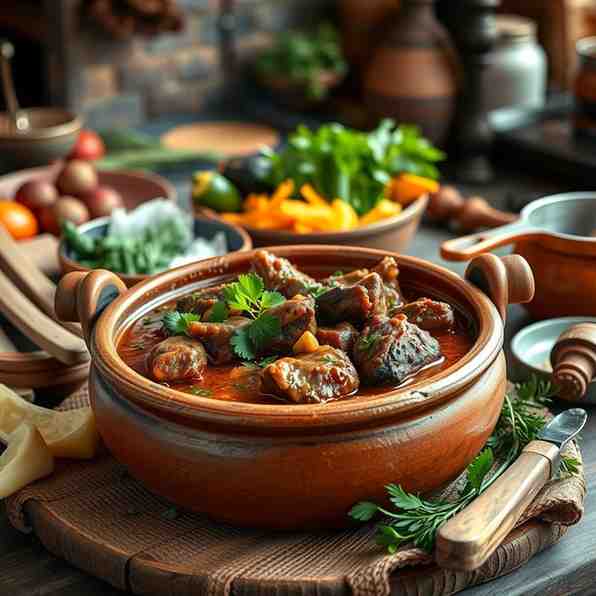
Welcome to the heart of Botswana cuisine, where rich flavors and fall-off-the-bone tenderness reign supreme! If you've been searching for the best way to cook oxtail, you've just found it. Our Mogatla Oxtail Stew is a beloved traditional dish, slow-simmered until the meat is incredibly tender and infused with a comforting, savory depth. This isn't just any oxtail recipe simple; it's a culinary journey that brings the warmth of Southern Africa right into your kitchen.
At its core, Mogatla is a hearty, one-pot oxtail stew that celebrates the humble oxtail, transforming it into a luxurious meal. While deeply traditional, relying on a classic onion, tomato, garlic, and stock cube combination, we've adapted this recipe for international cuisine and US kitchens, providing clear measurements and straightforward steps. Don't be intimidated by the idea of cooking oxtail – if you can simmer a pot of chili or beef stew, you absolutely can make this incredible Mogatla. Prepare to learn how to make truly tender oxtail meat that will impress everyone at your table.
Ingredients
Directions
- Prep and season the oxtailPat the oxtail pieces thoroughly dry with paper towels. Trim off any obvious excess surface fat, leaving some for flavor. Season the oxtail generously all over with salt and black pepper. Don't be shy – this initial seasoning builds a foundational layer of flavor.
- Brown the oxtail in batchesHeat the olive oil in a heavy-bottomed lidded pot or Dutch oven over medium-high heat until shimmering. Working in batches to avoid overcrowding the pot, brown the oxtail pieces on all sides until they develop a deep, rich color. This crucial step creates a flavorful "fond" at the bottom of the pot, which will add incredible depth and color to your stew. Remove the browned oxtail to a plate and set aside.
- Build the tomato–onion baseReduce the heat to medium. Add the chopped onion to the pot, scraping up any browned bits from the bottom. Cook until the onion softens and becomes translucent, about 5-7 minutes. Add the minced garlic and cook for another minute until fragrant, being careful not to burn it. Stir in the chopped fresh tomatoes (or crushed canned tomatoes) and tomato paste. Let them cook down for about 5-10 minutes, stirring occasionally, until the mixture thickens and darkens slightly, forming a rich base.
- Add liquid and simmer low and slowReturn the browned oxtail pieces to the pot. If using a beef stock cube, dissolve it in a cup of hot water, then add it to the pot. Pour in the remaining water (or beef broth) until the oxtail pieces are just covered. Add the bay leaves and any other optional flavor boosters like Worcestershire sauce or brown sugar at this stage. Bring the stew to a gentle simmer, then reduce the heat to low. The goal is a barely bubbling simmer. Cover the pot tightly and cook for 2 to 3 hours.
- Time checkpoints:
- At ~1 hour: The meat will be tightened but not yet tender.
- At ~2 hours: The meat should begin to loosen from the bone. Check the liquid level and add a splash more water or broth if needed to keep the oxtail mostly submerged.
- At 2.5–3 hours: The meat should be very loose and wobbling on the bone, easily separating with a fork. Bones may even start to peek out.
- Optional dumplings (same pot, same workflow)If you're adding matlebekwane-style dumplings, drop them gently into the gently simmering stew during the last 30 minutes of the cooking time, ensuring they have enough liquid to cook through.
- Skim, adjust, and restOnce the oxtail is fall-off-the-bone tender, skim off any excess visible fat from the surface of the stew using a spoon or ladle. Taste the stew and adjust the seasoning with additional salt and pepper as needed. Remove the bay leaves. Let the stew rest, partially covered, for 10-15 minutes before serving. This allows the flavors to meld further and the broth to thicken slightly.
Best Way to Cook Oxtail - Tender Botswana Mogatla Stew

- Serves: 6 People
- Prepare Time: 25 minutes
- Cooking Time: 2 hours 30
- Calories: -
- Difficulty: Medium
Welcome to the heart of Botswana cuisine, where rich flavors and fall-off-the-bone tenderness reign supreme! If you've been searching for the best way to cook oxtail, you've just found it. Our Mogatla Oxtail Stew is a beloved traditional dish, slow-simmered until the meat is incredibly tender and infused with a comforting, savory depth. This isn't just any oxtail recipe simple; it's a culinary journey that brings the warmth of Southern Africa right into your kitchen.
At its core, Mogatla is a hearty, one-pot oxtail stew that celebrates the humble oxtail, transforming it into a luxurious meal. While deeply traditional, relying on a classic onion, tomato, garlic, and stock cube combination, we've adapted this recipe for international cuisine and US kitchens, providing clear measurements and straightforward steps. Don't be intimidated by the idea of cooking oxtail – if you can simmer a pot of chili or beef stew, you absolutely can make this incredible Mogatla. Prepare to learn how to make truly tender oxtail meat that will impress everyone at your table.
Ingredients
Directions
- Prep and season the oxtailPat the oxtail pieces thoroughly dry with paper towels. Trim off any obvious excess surface fat, leaving some for flavor. Season the oxtail generously all over with salt and black pepper. Don't be shy – this initial seasoning builds a foundational layer of flavor.
- Brown the oxtail in batchesHeat the olive oil in a heavy-bottomed lidded pot or Dutch oven over medium-high heat until shimmering. Working in batches to avoid overcrowding the pot, brown the oxtail pieces on all sides until they develop a deep, rich color. This crucial step creates a flavorful "fond" at the bottom of the pot, which will add incredible depth and color to your stew. Remove the browned oxtail to a plate and set aside.
- Build the tomato–onion baseReduce the heat to medium. Add the chopped onion to the pot, scraping up any browned bits from the bottom. Cook until the onion softens and becomes translucent, about 5-7 minutes. Add the minced garlic and cook for another minute until fragrant, being careful not to burn it. Stir in the chopped fresh tomatoes (or crushed canned tomatoes) and tomato paste. Let them cook down for about 5-10 minutes, stirring occasionally, until the mixture thickens and darkens slightly, forming a rich base.
- Add liquid and simmer low and slowReturn the browned oxtail pieces to the pot. If using a beef stock cube, dissolve it in a cup of hot water, then add it to the pot. Pour in the remaining water (or beef broth) until the oxtail pieces are just covered. Add the bay leaves and any other optional flavor boosters like Worcestershire sauce or brown sugar at this stage. Bring the stew to a gentle simmer, then reduce the heat to low. The goal is a barely bubbling simmer. Cover the pot tightly and cook for 2 to 3 hours.
- Time checkpoints:
- At ~1 hour: The meat will be tightened but not yet tender.
- At ~2 hours: The meat should begin to loosen from the bone. Check the liquid level and add a splash more water or broth if needed to keep the oxtail mostly submerged.
- At 2.5–3 hours: The meat should be very loose and wobbling on the bone, easily separating with a fork. Bones may even start to peek out.
- Optional dumplings (same pot, same workflow)If you're adding matlebekwane-style dumplings, drop them gently into the gently simmering stew during the last 30 minutes of the cooking time, ensuring they have enough liquid to cook through.
- Skim, adjust, and restOnce the oxtail is fall-off-the-bone tender, skim off any excess visible fat from the surface of the stew using a spoon or ladle. Taste the stew and adjust the seasoning with additional salt and pepper as needed. Remove the bay leaves. Let the stew rest, partially covered, for 10-15 minutes before serving. This allows the flavors to meld further and the broth to thicken slightly.
The following nutritional values are per serving (one piece of cake) Calories ~450-550 kcal Carbohydrates ~10-15g Protein ~35-45g Fat ~25-35g Tools and ingredients that can help you cook more easily and consistently. Problem: You want to make a delicious Mogatla stew, but you're short on time and don't want to spend forever in the kitchen. Problem: Garlic and onion prep can be tedious and time-consuming, especially when you're aiming for a quick start to your stew. Problem: Peeling and dicing fresh tomatoes can be messy and add extra steps to your cooking process. Click any ingredient for detailed nutritional information:Recipe Nutritional Values
Additional Information
Recipe Success Tips
Ingredient Substitutions & Variations
Cultural Variations
Make-Ahead & Storage Instructions
Frequently Asked Questions
Recommended Kitchen Tools
Kitchen Tool
Agitate: Chopping, simmering, and waiting can feel like a chore, especially after a long day. You might be tempted to order takeout instead of enjoying a homemade, comforting meal.
Solution: A sturdy Dutch oven is your best friend. It distributes heat evenly, preventing scorching and allowing you to brown your oxtail perfectly without constant supervision. This means less stirring and more hands-off cooking time.Kitchen Tool
Agitate: Tears from chopping onions and sticky garlic fingers can slow you down, making the initial steps of cooking feel like a drag. Who wants to deal with that when hunger strikes?
Solution: Opt for pre-chopped frozen onions or a garlic press. While fresh is always great, these ready-to-use options get your aromatics into the pot faster, shaving precious minutes off your prep time without sacrificing flavor.Kitchen Tool
Agitate: Wrestling with ripe tomatoes and cleaning up the juice can deter you from making a dish that calls for them, pushing you towards less authentic or less flavorful alternatives.
Solution: Canned crushed tomatoes are a fantastic shortcut. They provide that rich, cooked-down tomato flavor instantly, saving you from peeling, seeding, and chopping. Just open the can, pour it in, and you're good to go!Calories per Ingredient
You may also like


Hey there! I’m just someone who seriously loves good food and believes that cooking doesn’t have to be complicated to be amazing. Whether it’s a quick weeknight dinner or a cozy weekend meal, I’m all about sharing easy, tasty recipes that actually work.