Brunei Rendang - A Dairy-Free Coconut Milk
Brunei Rendang - A Dairy-Free Coconut Milk
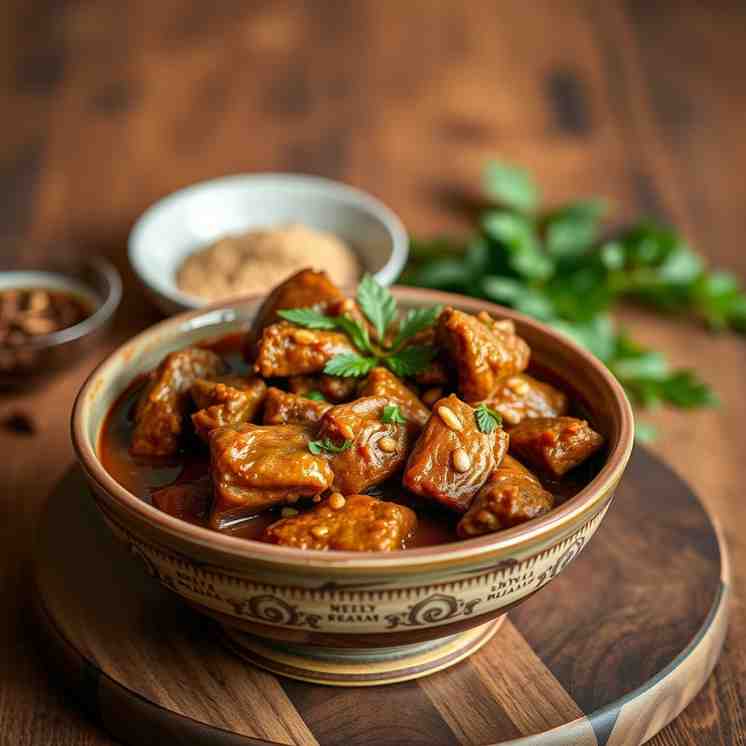
- Serves: 6 People
- Prepare Time: 30 minutes
- Cooking Time: 2 hours 30
- Calories: -
- Difficulty: Medium
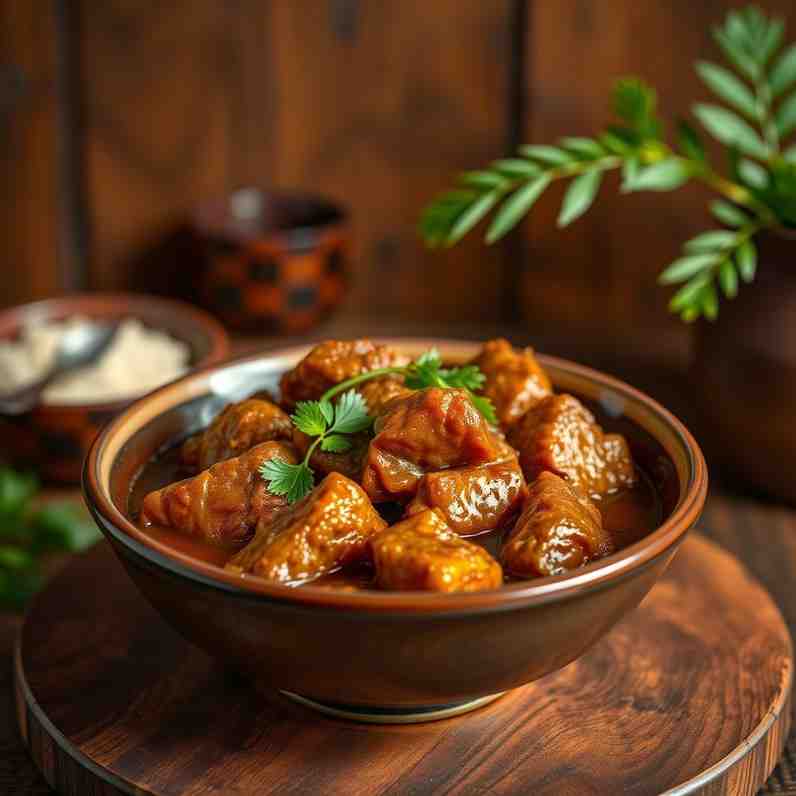
Get ready to embark on a truly captivating culinary journey with our Brunei Beef Rendang recipe! This isn't just any dish; it's a slow-cooked masterpiece, brimming with incredibly rich flavors that tell a story of tradition and celebration. Originating from Southeast Asia, Rendang is a beloved staple, often gracing tables during special occasions and festive gatherings. Our version specifically highlights the authentic taste of Brunei, bringing you a dish that's not only deeply satisfying but also naturally dairy-free and gluten-free (making it fantastic for those with dietary needs!).
Imagine tender beef, simmered patiently in a fragrant paste of aromatic spices and rich coconut milk dairy free goodness, until the sauce reduces to a thick, caramelized coating. This isn't a quick fix; it's a labor of love, but every moment spent is rewarded with an explosion of savory, slightly sweet, and perfectly spiced deliciousness. Whether you're a seasoned chef or just starting your adventure with easy international food, this recipe will guide you to create an impressive Asian food gluten free dish that’s perfect for family dinners or even as dairy free gluten free party food. Let's dive into the heart of Brunei's culinary heritage and discover why this Rendang is truly a must-try!
Ingredients
Directions
- Prepare the Rendang Paste:
- Drain the soaked dried chilies. In a food processor or blender, combine the drained chilies, red onion, shallots, garlic, galangal, ginger, lemongrass, turmeric powder, coriander powder, cumin powder, and a pinch of salt.
- Add a splash of cooking oil (or water) if needed to help blend, and process until you have a smooth, aromatic paste. This might take a few minutes, scraping down the sides as necessary.
- Sauté the Paste:
- Heat 2 tablespoons of cooking oil in a large, heavy-bottomed pot or Dutch oven over medium heat.
- Add the rendang paste and sauté for about 10-15 minutes, stirring frequently. The goal here is to "cook out" the raw taste of the spices and aromatics. You'll know it's ready when the paste darkens slightly, becomes very fragrant, and the oil separates from the paste. This step is vital for flavor development, don't rush it!
- Brown the Beef:
- Add the beef cubes to the pot with the sautéed paste. Stir well to coat the beef evenly with the spice paste.
- Cook for about 5-7 minutes, stirring occasionally, until the beef is lightly browned on all sides.
- Add Coconut Milk and Aromatics:
- Pour in the thick coconut milk and thin coconut milk. Add the torn kaffir lime leaves and sliced turmeric leaves (if using).
- Bring the mixture to a gentle simmer, stirring occasionally.
- Slow Cook to Perfection:
- Once simmering, reduce the heat to low, cover the pot, and let it cook slowly for at least 1.5 to 2 hours.
- Stir every 20-30 minutes to prevent the bottom from sticking and ensure even cooking. Troubleshooting Tip: If the sauce seems to be reducing too quickly and the beef isn't tender yet, add a little more thin coconut milk or water.
- After 1.5 hours, check the beef for tenderness. It should be very soft and almost falling apart.
- Develop the Rendang Texture:
- Once the beef is tender, remove the lid. Add the strained tamarind juice, Kerisik, palm sugar, and season with salt to taste.
- Continue to cook uncovered over medium-low heat, stirring more frequently now (every 5-10 minutes), for another 30-60 minutes, or until the liquid has almost completely evaporated. The sauce should become very thick, clinging to the beef, and the oil will separate and shimmer. The beef will start to caramelize slightly. Troubleshooting Tip: If the coconut milk appears to be curdling, ensure your heat is truly low and stir gently but consistently. Full-fat coconut milk is less prone to curdling.
- The color will deepen, and the flavors will intensify into that signature rich Rendang profile.
- Serve:
- Remove from heat and let it rest for a few minutes before serving. The flavors will continue to meld.
Brunei Rendang - A Dairy-Free Coconut Milk
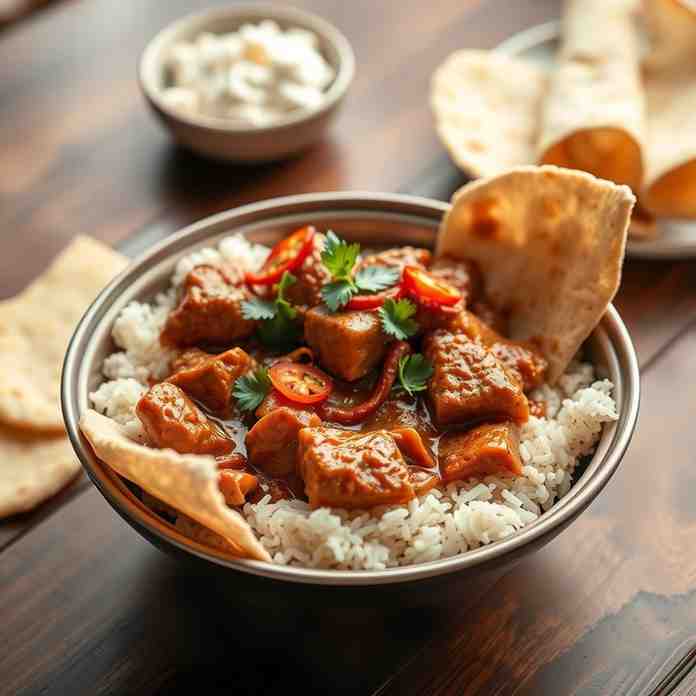
- Serves: 6 People
- Prepare Time: 30 minutes
- Cooking Time: 2 hours 30
- Calories: -
- Difficulty: Medium
Get ready to embark on a truly captivating culinary journey with our Brunei Beef Rendang recipe! This isn't just any dish; it's a slow-cooked masterpiece, brimming with incredibly rich flavors that tell a story of tradition and celebration. Originating from Southeast Asia, Rendang is a beloved staple, often gracing tables during special occasions and festive gatherings. Our version specifically highlights the authentic taste of Brunei, bringing you a dish that's not only deeply satisfying but also naturally dairy-free and gluten-free (making it fantastic for those with dietary needs!).
Imagine tender beef, simmered patiently in a fragrant paste of aromatic spices and rich coconut milk dairy free goodness, until the sauce reduces to a thick, caramelized coating. This isn't a quick fix; it's a labor of love, but every moment spent is rewarded with an explosion of savory, slightly sweet, and perfectly spiced deliciousness. Whether you're a seasoned chef or just starting your adventure with easy international food, this recipe will guide you to create an impressive Asian food gluten free dish that’s perfect for family dinners or even as dairy free gluten free party food. Let's dive into the heart of Brunei's culinary heritage and discover why this Rendang is truly a must-try!
Ingredients
Directions
- Prepare the Rendang Paste:
- Drain the soaked dried chilies. In a food processor or blender, combine the drained chilies, red onion, shallots, garlic, galangal, ginger, lemongrass, turmeric powder, coriander powder, cumin powder, and a pinch of salt.
- Add a splash of cooking oil (or water) if needed to help blend, and process until you have a smooth, aromatic paste. This might take a few minutes, scraping down the sides as necessary.
- Sauté the Paste:
- Heat 2 tablespoons of cooking oil in a large, heavy-bottomed pot or Dutch oven over medium heat.
- Add the rendang paste and sauté for about 10-15 minutes, stirring frequently. The goal here is to "cook out" the raw taste of the spices and aromatics. You'll know it's ready when the paste darkens slightly, becomes very fragrant, and the oil separates from the paste. This step is vital for flavor development, don't rush it!
- Brown the Beef:
- Add the beef cubes to the pot with the sautéed paste. Stir well to coat the beef evenly with the spice paste.
- Cook for about 5-7 minutes, stirring occasionally, until the beef is lightly browned on all sides.
- Add Coconut Milk and Aromatics:
- Pour in the thick coconut milk and thin coconut milk. Add the torn kaffir lime leaves and sliced turmeric leaves (if using).
- Bring the mixture to a gentle simmer, stirring occasionally.
- Slow Cook to Perfection:
- Once simmering, reduce the heat to low, cover the pot, and let it cook slowly for at least 1.5 to 2 hours.
- Stir every 20-30 minutes to prevent the bottom from sticking and ensure even cooking. Troubleshooting Tip: If the sauce seems to be reducing too quickly and the beef isn't tender yet, add a little more thin coconut milk or water.
- After 1.5 hours, check the beef for tenderness. It should be very soft and almost falling apart.
- Develop the Rendang Texture:
- Once the beef is tender, remove the lid. Add the strained tamarind juice, Kerisik, palm sugar, and season with salt to taste.
- Continue to cook uncovered over medium-low heat, stirring more frequently now (every 5-10 minutes), for another 30-60 minutes, or until the liquid has almost completely evaporated. The sauce should become very thick, clinging to the beef, and the oil will separate and shimmer. The beef will start to caramelize slightly. Troubleshooting Tip: If the coconut milk appears to be curdling, ensure your heat is truly low and stir gently but consistently. Full-fat coconut milk is less prone to curdling.
- The color will deepen, and the flavors will intensify into that signature rich Rendang profile.
- Serve:
- Remove from heat and let it rest for a few minutes before serving. The flavors will continue to meld.
The following nutritional values are per serving (one piece of cake) Calories ~550-650 kcal per serving Carbohydrates ~20-25g per serving Protein ~35-45g per serving Fat ~35-45g per serving Time-Saving Tools & Ingredients Problem: Making authentic Rendang from scratch can feel like a marathon, especially with all the chopping and grinding of fresh spices for the paste. Problem: Achieving perfectly tender beef in a reasonable timeframe can be tricky, especially with slow-cooking dishes like Rendang. Problem: Finding fresh, specific ingredients like galangal or kaffir lime leaves can be a challenge depending on where you live. Click any ingredient for detailed nutritional information:Recipe Nutritional Values
Additional Information
Recipe Success Tips
Pro Tips, Variations & Storage
Ingredient Substitutions & Variations
Cultural Variations
Make-Ahead & Storage Instructions
Frequently Asked Questions
Recommended Kitchen Tools
food processor
Agitate: Spending precious time mincing garlic, ginger, galangal, and lemongrass by hand can be tiresome and messy, pushing dinner back and making you question if it's worth the effort.
Solution: A food processor is your best friend here! Toss in all your aromatics, a splash of oil, and let it do the hard work in seconds. You'll get a smooth, consistent paste without the sweat and tears, getting you to the delicious rendang faster.pressure cooker
Agitate: Nobody wants tough, chewy beef in their Rendang. Waiting hours for it to tenderize on the stovetop can test anyone's patience, especially on a busy weeknight.
Solution: Consider using a pressure cooker (or instant pot) for the initial beef tenderizing step. You can dramatically cut down the cooking time, making the beef melt-in-your-mouth tender in a fraction of the time compared to traditional methods. Just be sure to finish it on the stovetop to get that rich, dry rendang consistency.frozen pre-minced galangal, lemongrass, or even kaffir lime leaves
Agitate: Driving to specialty Asian markets or multiple grocery stores just for one or two ingredients can be a real hassle, sometimes making you give up on a recipe before you even start.
Solution: Keep an eye out for frozen pre-minced galangal, lemongrass, or even kaffir lime leaves in the freezer section of larger supermarkets or Asian grocers. While fresh is always best, these frozen alternatives are fantastic time-savers and ensure you still get those authentic flavors without the hunt.Calories per Ingredient
You may also like


Hey there! I’m just someone who seriously loves good food and believes that cooking doesn’t have to be complicated to be amazing. Whether it’s a quick weeknight dinner or a cozy weekend meal, I’m all about sharing easy, tasty recipes that actually work.