Easy Stovetop Rice Pilaf Recipe - Fluffy
Easy Stovetop Rice Pilaf Recipe - Fluffy
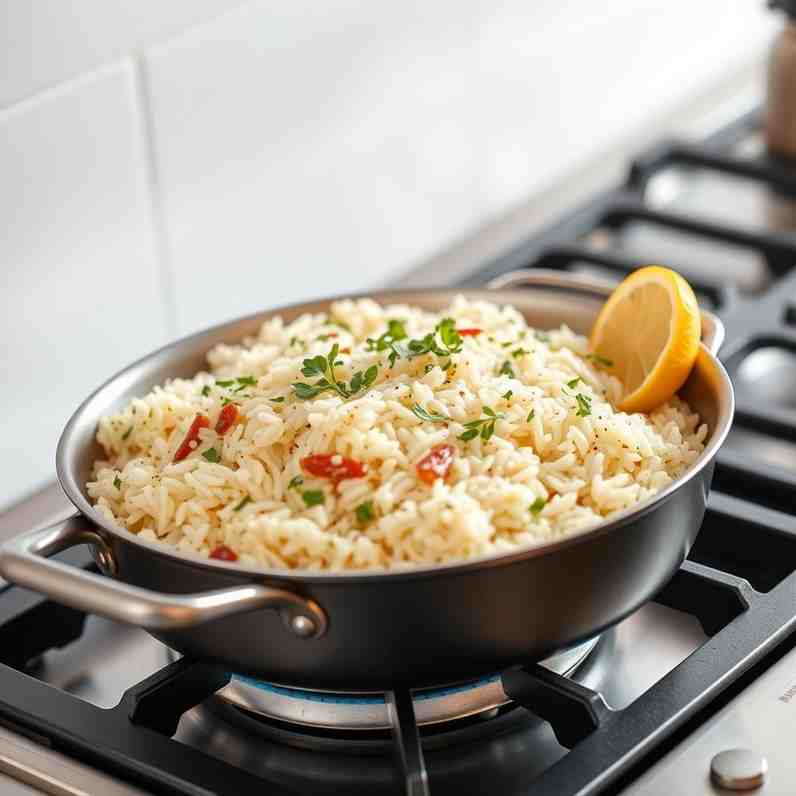
- Serves: 6 People
- Prepare Time: 10 minutes
- Cooking Time: 20 minutes
- Calories: -
- Difficulty: Easy
Ever dreamt of making a perfectly fluffy, restaurant-quality rice pilaf recipe right on your stovetop? Well, dream no more! This isn't just another simple rice pilaf recipe; it's your new secret weapon for a side dish that's guaranteed to impress. Forget those sad, sticky, or crunchy rice attempts – our easy-to-follow guide is designed to make you a pilaf master, even if you’re a complete beginner.
Why will this easy rice pilaf recipe actually work for you? Because we've cut out the guesswork. You'll use everyday ingredients, a single pan, and no fancy equipment. The magic lies in toasting the rice and a little bit of pasta in butter before simmering it in savory broth – a technique that elevates it far beyond plain steamed rice or a boxed mix. We'll give you reliable ratios, real troubleshooting tips, and even simple variations, all while ensuring your make-ahead and leftover pilaf is safe and delicious. Get ready for fluffy rice every single time!
Ingredients
Directions
- Rinse and Prep Rinse your long-grain white rice under cold running water in a fine-mesh strainer until the water runs mostly clear. This removes excess surface starch, which helps prevent stickiness. Drain the rice well for at least a minute. Measure out your broth and have your onion and garlic chopped and ready to go.
- Toast the Pasta & Rice In a medium saucepan with a tight-fitting lid, heat the butter and oil over medium heat. Add the broken vermicelli or orzo pasta and toast, stirring gently, until it turns a deep golden brown. Be careful not to burn it! Add the rinsed and drained rice to the pan and continue toasting, stirring often, until the grains look opaque and smell nutty, about 2-3 minutes. Don't walk away during this step; stir regularly to avoid scorching.
- Build Flavor with Aromatics Add the diced onion and minced garlic to the pan with the toasted rice and pasta. Cook, stirring occasionally, until the onion is soft and translucent, about 3-5 minutes. Stir in the salt, black pepper, and any optional mild spices (like paprika or garlic powder) to bloom briefly in the fat, about 30 seconds.
- Add Broth & Simmer Carefully pour in the low-sodium chicken or vegetable broth. Give it one gentle stir to distribute everything evenly. Bring the mixture to a gentle boil, then immediately reduce the heat to low, cover the pot tightly with the lid, and do not lift it. Let it simmer for 15-18 minutes for long-grain white rice. You shouldn’t see active bubbling once the lid is on; just a gentle simmer.
- Rest & Fluff Once the cooking time is up, turn off the heat, but do not uncover the pot. Let the pilaf rest, still covered, for about 10 minutes. This crucial resting period allows the steam to finish cooking the rice and ensures fluffy, separate grains. After resting, uncover the pot and gently fluff the rice pilaf with a fork. Stir in the chopped fresh parsley and taste for salt, adjusting if needed.
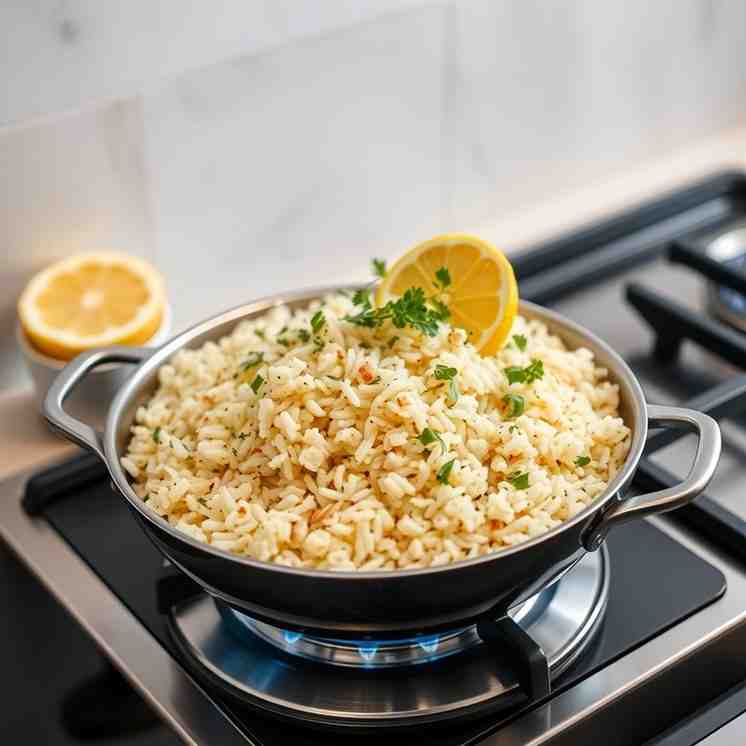
- What Perfect Rice Pilaf Should Look & Taste Like Your perfect rice pilaf should have separate, fluffy grains with no puddles of liquid at the bottom. The rice should be tender but not mushy, with a light sheen from the fat and a toasted, aromatic flavor.
Easy Stovetop Rice Pilaf Recipe - Fluffy
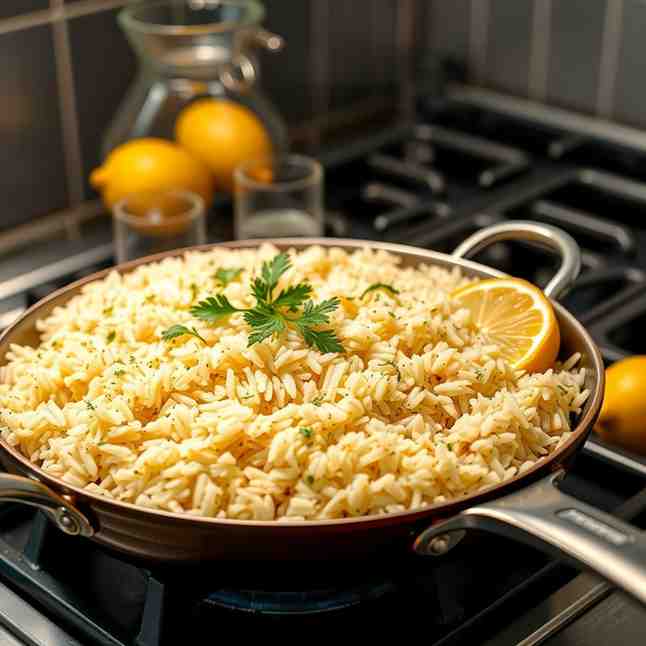
- Serves: 6 People
- Prepare Time: 10 minutes
- Cooking Time: 20 minutes
- Calories: -
- Difficulty: Easy
Ever dreamt of making a perfectly fluffy, restaurant-quality rice pilaf recipe right on your stovetop? Well, dream no more! This isn't just another simple rice pilaf recipe; it's your new secret weapon for a side dish that's guaranteed to impress. Forget those sad, sticky, or crunchy rice attempts – our easy-to-follow guide is designed to make you a pilaf master, even if you’re a complete beginner.
Why will this easy rice pilaf recipe actually work for you? Because we've cut out the guesswork. You'll use everyday ingredients, a single pan, and no fancy equipment. The magic lies in toasting the rice and a little bit of pasta in butter before simmering it in savory broth – a technique that elevates it far beyond plain steamed rice or a boxed mix. We'll give you reliable ratios, real troubleshooting tips, and even simple variations, all while ensuring your make-ahead and leftover pilaf is safe and delicious. Get ready for fluffy rice every single time!
Ingredients
Directions
- Rinse and Prep Rinse your long-grain white rice under cold running water in a fine-mesh strainer until the water runs mostly clear. This removes excess surface starch, which helps prevent stickiness. Drain the rice well for at least a minute. Measure out your broth and have your onion and garlic chopped and ready to go.
- Toast the Pasta & Rice In a medium saucepan with a tight-fitting lid, heat the butter and oil over medium heat. Add the broken vermicelli or orzo pasta and toast, stirring gently, until it turns a deep golden brown. Be careful not to burn it! Add the rinsed and drained rice to the pan and continue toasting, stirring often, until the grains look opaque and smell nutty, about 2-3 minutes. Don't walk away during this step; stir regularly to avoid scorching.
- Build Flavor with Aromatics Add the diced onion and minced garlic to the pan with the toasted rice and pasta. Cook, stirring occasionally, until the onion is soft and translucent, about 3-5 minutes. Stir in the salt, black pepper, and any optional mild spices (like paprika or garlic powder) to bloom briefly in the fat, about 30 seconds.
- Add Broth & Simmer Carefully pour in the low-sodium chicken or vegetable broth. Give it one gentle stir to distribute everything evenly. Bring the mixture to a gentle boil, then immediately reduce the heat to low, cover the pot tightly with the lid, and do not lift it. Let it simmer for 15-18 minutes for long-grain white rice. You shouldn’t see active bubbling once the lid is on; just a gentle simmer.
- Rest & Fluff Once the cooking time is up, turn off the heat, but do not uncover the pot. Let the pilaf rest, still covered, for about 10 minutes. This crucial resting period allows the steam to finish cooking the rice and ensures fluffy, separate grains. After resting, uncover the pot and gently fluff the rice pilaf with a fork. Stir in the chopped fresh parsley and taste for salt, adjusting if needed.
- What Perfect Rice Pilaf Should Look & Taste Like Your perfect rice pilaf should have separate, fluffy grains with no puddles of liquid at the bottom. The rice should be tender but not mushy, with a light sheen from the fat and a toasted, aromatic flavor.
You may also like


Hey there! I’m just someone who seriously loves good food and believes that cooking doesn’t have to be complicated to be amazing. Whether it’s a quick weeknight dinner or a cozy weekend meal, I’m all about sharing easy, tasty recipes that actually work.