Belarusian Buckwheat Kasha Delicious & Gluten-Free
Belarusian Buckwheat Kasha Delicious & Gluten-Free
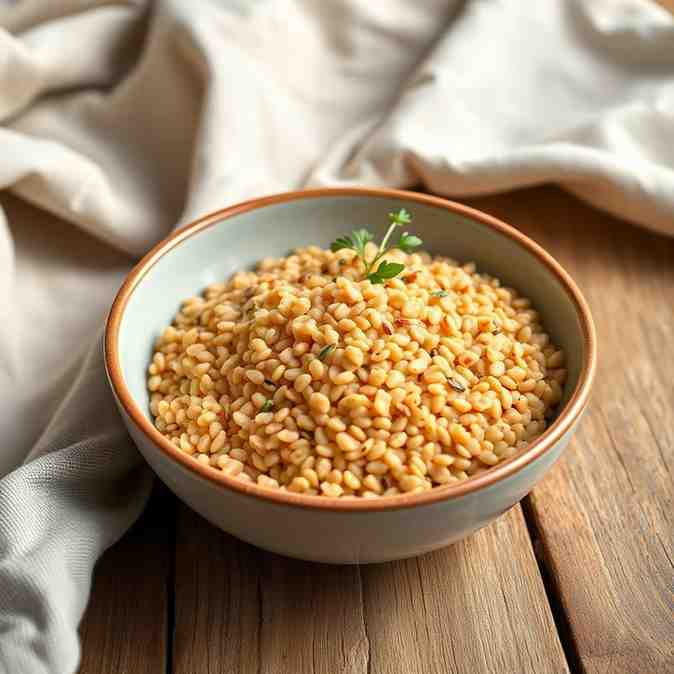
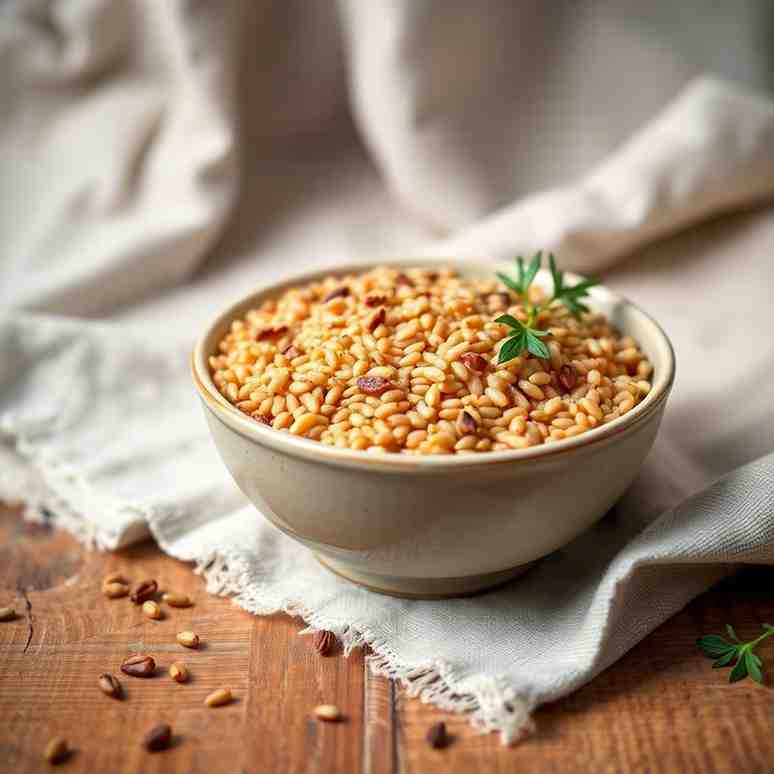
- Serves: 4 People
- Prepare Time: 15 minutes
- Cooking Time: 25 minutes
- Calories: -
- Difficulty: Easy
Craving a hearty, comforting meal that's both naturally gluten free and incredibly satisfying? Look no further than Belarusian Buckwheat Kasha! This traditional Eastern European dish is a staple in Belarus, cherished for its earthy flavor, fluffy texture, and incredible versatility. Whether you're searching for `gluten free main dishes`, a wholesome `gluten free vegetarian dish`, or simply exploring new `gluten free sides`, this Kasha recipe is a delicious answer. Many wonder, `buckwheat is it gluten free`? Yes, pure buckwheat is naturally `gluten free`, making it a fantastic grain for anyone avoiding gluten. Our recipe will guide you through creating authentic Belarusian Buckwheat Kasha, a simple yet profound dish featuring toasted buckwheat groats, savory onions, fresh herbs, and a touch of butter, perfect for any meal of the day. Get ready to discover your new favorite `gluten free main meal recipes`!
Ingredients
Directions
- Rinse and Optionally Toast the Buckwheat: Place the toasted buckwheat groats in a fine-mesh strainer and rinse thoroughly under cold water until the water runs clear. This removes any dust or debris. If you're using untoasted groats, skip the rinse for now, and toast them in a dry, heavy-bottomed pan over medium heat for 5-7 minutes, stirring occasionally, until aromatic and lightly browned. Then, rinse them.
- Build the Onion Base: In a heavy-bottomed saucepan or small Dutch oven with a tight-fitting lid, melt the butter (or heat oil/vegan butter) over medium heat. Add the diced onion and sauté gently for 5-7 minutes, stirring occasionally, until soft, translucent, and lightly golden. If using garlic, add it in the last minute of cooking the onions.
- Coat the Buckwheat: Add the rinsed buckwheat groats to the pan with the sautéed onions and stir well. Cook for 1-2 minutes, stirring constantly, to ensure every grain is coated in the butter and onion mixture. This step is crucial for preventing mushiness and achieving that desired fluffy texture.
- Add Liquid and Simmer: Pour in the vegetable broth (or water), salt, pepper, and the optional bay leaf. Bring the mixture to a vigorous boil. Once boiling, immediately reduce the heat to the lowest setting, cover the pot tightly with the lid, and simmer undisturbed for 15 minutes. Resist the urge to lift the lid or stir during this time!
- Steam and Fluff: After 15 minutes, remove the pot from the heat but do not lift the lid. Let the kasha rest, covered, for another 5-10 minutes. This steaming period allows the grains to fully absorb any remaining moisture and become perfectly fluffy. Finally, remove the lid, discard the bay leaf, and gently fluff the kasha with a fork. Taste and adjust seasoning if needed. Fold in the fresh dill and/or parsley and a small knob of fresh butter (or vegan butter/olive oil) if desired. Serve warm.
Belarusian Buckwheat Kasha Delicious & Gluten-Free

- Serves: 4 People
- Prepare Time: 15 minutes
- Cooking Time: 25 minutes
- Calories: -
- Difficulty: Easy
Craving a hearty, comforting meal that's both naturally gluten free and incredibly satisfying? Look no further than Belarusian Buckwheat Kasha! This traditional Eastern European dish is a staple in Belarus, cherished for its earthy flavor, fluffy texture, and incredible versatility. Whether you're searching for `gluten free main dishes`, a wholesome `gluten free vegetarian dish`, or simply exploring new `gluten free sides`, this Kasha recipe is a delicious answer. Many wonder, `buckwheat is it gluten free`? Yes, pure buckwheat is naturally `gluten free`, making it a fantastic grain for anyone avoiding gluten. Our recipe will guide you through creating authentic Belarusian Buckwheat Kasha, a simple yet profound dish featuring toasted buckwheat groats, savory onions, fresh herbs, and a touch of butter, perfect for any meal of the day. Get ready to discover your new favorite `gluten free main meal recipes`!
Ingredients
Directions
- Rinse and Optionally Toast the Buckwheat: Place the toasted buckwheat groats in a fine-mesh strainer and rinse thoroughly under cold water until the water runs clear. This removes any dust or debris. If you're using untoasted groats, skip the rinse for now, and toast them in a dry, heavy-bottomed pan over medium heat for 5-7 minutes, stirring occasionally, until aromatic and lightly browned. Then, rinse them.
- Build the Onion Base: In a heavy-bottomed saucepan or small Dutch oven with a tight-fitting lid, melt the butter (or heat oil/vegan butter) over medium heat. Add the diced onion and sauté gently for 5-7 minutes, stirring occasionally, until soft, translucent, and lightly golden. If using garlic, add it in the last minute of cooking the onions.
- Coat the Buckwheat: Add the rinsed buckwheat groats to the pan with the sautéed onions and stir well. Cook for 1-2 minutes, stirring constantly, to ensure every grain is coated in the butter and onion mixture. This step is crucial for preventing mushiness and achieving that desired fluffy texture.
- Add Liquid and Simmer: Pour in the vegetable broth (or water), salt, pepper, and the optional bay leaf. Bring the mixture to a vigorous boil. Once boiling, immediately reduce the heat to the lowest setting, cover the pot tightly with the lid, and simmer undisturbed for 15 minutes. Resist the urge to lift the lid or stir during this time!
- Steam and Fluff: After 15 minutes, remove the pot from the heat but do not lift the lid. Let the kasha rest, covered, for another 5-10 minutes. This steaming period allows the grains to fully absorb any remaining moisture and become perfectly fluffy. Finally, remove the lid, discard the bay leaf, and gently fluff the kasha with a fork. Taste and adjust seasoning if needed. Fold in the fresh dill and/or parsley and a small knob of fresh butter (or vegan butter/olive oil) if desired. Serve warm.
The following nutritional values are per serving (one piece of cake) Calories ~200-250 kcal Carbohydrates ~35-40g Protein ~6-8g Fat ~5-8g Looking to make your buckwheat kasha journey even smoother? While this recipe is already pretty straightforward, a few key tools can seriously streamline your cooking process and guarantee perfect results every time. Problem: Uneven cooking, sticking, or even burning. Agitate: Nothing ruins a perfectly good kasha like a burnt bottom or grains that are half-cooked, half-mushy. It's frustrating when your hard work doesn't pay off, leaving you with a sticky mess instead of fluffy grains! Problem: Uneven cooking, sticking, or even burning. Problem: Gritty or dusty buckwheat. Problem: Guessing measurements, leading to inconsistent results. Click any ingredient for detailed nutritional information:Recipe Nutritional Values
Additional Information
Recipe Success Tips
Texture Troubleshooting & Pro Tips
Simple Ratio & Timing Guide (for the same method):
Frequently Asked Questions
Recommended Kitchen Tools
heavy-bottomed saucepan or small Dutch oven
Agitate: Nothing ruins a perfectly good kasha like a burnt bottom or grains that are half-cooked, half-mushy. It's frustrating when your hard work doesn't pay off, leaving you with a sticky mess instead of fluffy grains!
Solution: A heavy-bottomed saucepan or small Dutch oven with a tight-fitting lid. This kitchen hero distributes heat evenly, preventing frustrating hot spots and ensuring your kasha cooks uniformly and beautifully, yielding fluffy, separate grains every time.fine-mesh strainer
Agitate: You want fluffy, clean grains, not a mouthful of dust or debris! Skipping the rinse can impact both the final texture and the pure, earthy flavor of your kasha.
Solution: A fine-mesh strainer. It makes rinsing your buckwheat groats super quick and easy, ensuring you wash away any lingering dust or debris for the cleanest, most delicious kasha possible. Just a quick swish under cold water and you're good to go!measuring cups and spoons
Agitate: Cooking, especially with grains, is often about precision. Getting your liquid-to-grain ratio wrong can lead to disaster – either dry, crunchy kasha or an overcooked, mushy mess. Who wants to waste ingredients or time?
Solution: Reliable measuring cups and spoons. These simple, essential tools ensure you get the exact ratios right every single time, leading to perfectly cooked, fluffy kasha without any guesswork or wasted effort.Calories per Ingredient
You may also like



Hey there! I’m just someone who seriously loves good food and believes that cooking doesn’t have to be complicated to be amazing. Whether it’s a quick weeknight dinner or a cozy weekend meal, I’m all about sharing easy, tasty recipes that actually work.