Bulgarian Sweet Rolls Bread - Your Easy Homemade Recipe
Bulgarian Sweet Rolls Bread - Your Easy Homemade Recipe


- Serves: 12 People
- Prepare Time: 30 minutes
- Cooking Time: 25-30 minut
- Calories: -
- Difficulty: Medium
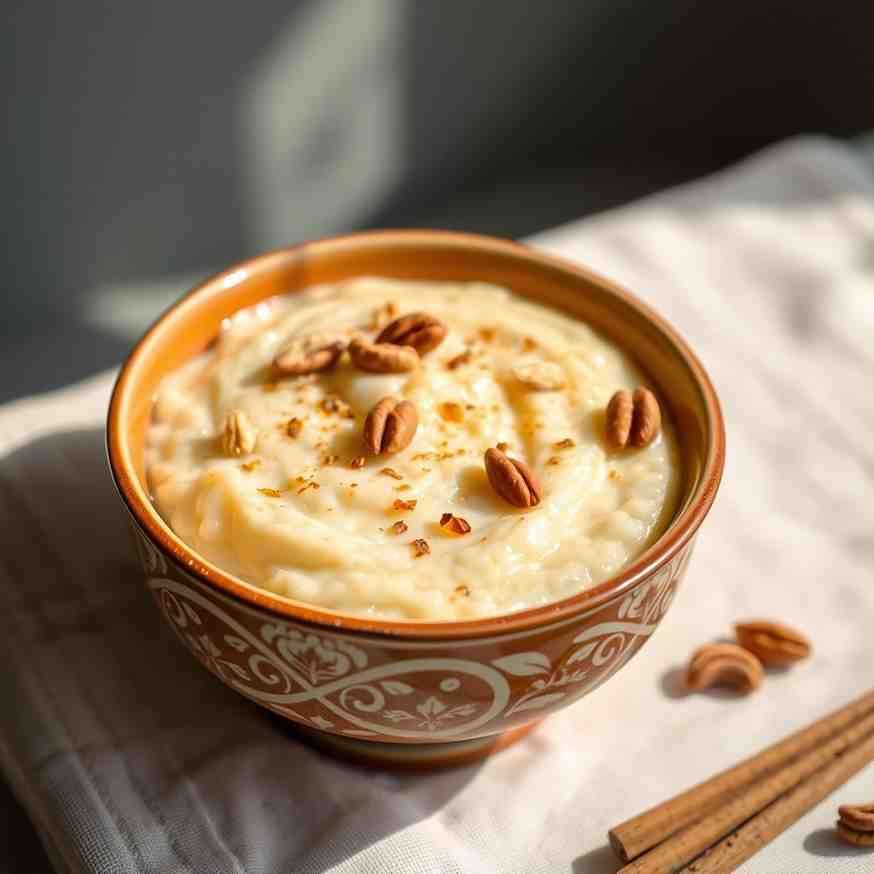
Ever wake up craving that old-world sweet bread, the kind that tastes like a hug from grandma? That's exactly the feeling Bulgarian Bliss: Buhtla Delight brings! In Bulgaria, this special enriched sweet bread is called Kozunak, and it's a cherished part of holiday breakfasts and family gatherings. While traditionally baked as a large braided loaf, we've adapted this beloved classic into irresistible, soft, pull-apart sweet rolls bread – perfect for your breakfast table, brunch spread, or any time you need a little sweet treat.
This isn't just any recipe; it's a single, easy-to-follow recipe designed to make baking homemade bread simple and fun. You'll master a delicious enriched dough, learn all about handling active dry yeast, get tips for prepping ahead, and discover the best ways to serve these delightful sweet rolls bread. Get ready to fill your kitchen with the scent of tradition and create some truly good yeast rolls!
Ingredients
Directions
- Proof the YeastIn a large mixing bowl (or the bowl of a stand mixer), combine the warm milk and ¼ cup of granulated sugar. Sprinkle the active dry yeast over the top. Stir gently and let it sit for 5-10 minutes. The mixture should become foamy and creamy on top, indicating the yeast is alive and ready to work!
- If it doesn’t foam, here’s what to do: Your milk might have been too hot or too cold, or your yeast might be old. Discard the mixture and start over with fresh yeast and properly warmed milk.
- Mix the Enriched DoughOnce your yeast is foamy, whisk the 2 eggs, remaining ½ cup of granulated sugar, melted and cooled butter, and vanilla extract into the yeast mixture. Gradually add 4 cups of the all-purpose flour and the salt, stirring with a wooden spoon or a dough hook on low speed until a shaggy, somewhat sticky dough forms.Knead Until Smooth & ElasticTurn the dough out onto a lightly floured surface (if kneading by hand) or attach the dough hook to your stand mixer. Knead for 8-10 minutes (by hand) or 6-8 minutes (stand mixer on medium-low speed), adding small amounts of flour only if the dough is excessively sticky. The dough should become smooth, elastic, and slightly tacky to the touch. It should pass a simple windowpane test: stretch a small piece of dough; if it stretches thin enough to see light through without tearing, it's ready. If adding raisins or citrus zest, knead them in during the last minute.
- First RiseLightly grease a clean bowl with butter or cooking spray. Place the dough in the bowl, turning it once to coat. Cover the bowl tightly with plastic wrap or a clean kitchen towel. Let the dough rise in a warm, draft-free place for 1 to 1 ½ hours, or until it has almost doubled in size. It's ready when you can gently poke it with a floured finger, and the indentation remains.
- Shape Into Sweet RollsGently punch down the risen dough to release the air. Turn it out onto a lightly floured surface. Divide the dough into 12-16 equal pieces. For pull-apart sweet rolls, roll each piece into a smooth, round ball. Grease a 9x13-inch baking pan. Arrange the dough balls snugly in the prepared pan, leaving a little space between them for expansion.
- Optional short note: For a more traditional look, you can braid some strands and nestle them on top of the rolls, but the pull-apart method is just as delicious!
- Second RiseCover the pan loosely with plastic wrap or a clean kitchen towel. Let the rolls puff up in a warm place for another 45-60 minutes, or until they're touching each other and look light and pillowy.
- Quick “don’t over-proof” tip: Don’t let them rise so much they start to look bubbly or deflate easily; this can lead to a less tender roll.
Bulgarian Sweet Rolls Bread - Your Easy Homemade Recipe

- Serves: 12 People
- Prepare Time: 30 minutes
- Cooking Time: 25-30 minut
- Calories: -
- Difficulty: Medium
Ever wake up craving that old-world sweet bread, the kind that tastes like a hug from grandma? That's exactly the feeling Bulgarian Bliss: Buhtla Delight brings! In Bulgaria, this special enriched sweet bread is called Kozunak, and it's a cherished part of holiday breakfasts and family gatherings. While traditionally baked as a large braided loaf, we've adapted this beloved classic into irresistible, soft, pull-apart sweet rolls bread – perfect for your breakfast table, brunch spread, or any time you need a little sweet treat.
This isn't just any recipe; it's a single, easy-to-follow recipe designed to make baking homemade bread simple and fun. You'll master a delicious enriched dough, learn all about handling active dry yeast, get tips for prepping ahead, and discover the best ways to serve these delightful sweet rolls bread. Get ready to fill your kitchen with the scent of tradition and create some truly good yeast rolls!
Ingredients
Directions
- Proof the YeastIn a large mixing bowl (or the bowl of a stand mixer), combine the warm milk and ¼ cup of granulated sugar. Sprinkle the active dry yeast over the top. Stir gently and let it sit for 5-10 minutes. The mixture should become foamy and creamy on top, indicating the yeast is alive and ready to work!
- If it doesn’t foam, here’s what to do: Your milk might have been too hot or too cold, or your yeast might be old. Discard the mixture and start over with fresh yeast and properly warmed milk.
- Mix the Enriched DoughOnce your yeast is foamy, whisk the 2 eggs, remaining ½ cup of granulated sugar, melted and cooled butter, and vanilla extract into the yeast mixture. Gradually add 4 cups of the all-purpose flour and the salt, stirring with a wooden spoon or a dough hook on low speed until a shaggy, somewhat sticky dough forms.Knead Until Smooth & ElasticTurn the dough out onto a lightly floured surface (if kneading by hand) or attach the dough hook to your stand mixer. Knead for 8-10 minutes (by hand) or 6-8 minutes (stand mixer on medium-low speed), adding small amounts of flour only if the dough is excessively sticky. The dough should become smooth, elastic, and slightly tacky to the touch. It should pass a simple windowpane test: stretch a small piece of dough; if it stretches thin enough to see light through without tearing, it's ready. If adding raisins or citrus zest, knead them in during the last minute.
- First RiseLightly grease a clean bowl with butter or cooking spray. Place the dough in the bowl, turning it once to coat. Cover the bowl tightly with plastic wrap or a clean kitchen towel. Let the dough rise in a warm, draft-free place for 1 to 1 ½ hours, or until it has almost doubled in size. It's ready when you can gently poke it with a floured finger, and the indentation remains.
- Shape Into Sweet RollsGently punch down the risen dough to release the air. Turn it out onto a lightly floured surface. Divide the dough into 12-16 equal pieces. For pull-apart sweet rolls, roll each piece into a smooth, round ball. Grease a 9x13-inch baking pan. Arrange the dough balls snugly in the prepared pan, leaving a little space between them for expansion.
- Optional short note: For a more traditional look, you can braid some strands and nestle them on top of the rolls, but the pull-apart method is just as delicious!
- Second RiseCover the pan loosely with plastic wrap or a clean kitchen towel. Let the rolls puff up in a warm place for another 45-60 minutes, or until they're touching each other and look light and pillowy.
- Quick “don’t over-proof” tip: Don’t let them rise so much they start to look bubbly or deflate easily; this can lead to a less tender roll.
The following nutritional values are per serving (one piece of cake) Calories ~250-280 kcal Carbohydrates ~35-40g Protein ~6-7g Fat ~9-11g Tools and ingredients that can help you cook more easily and consistently. Problem: Baking can sometimes feel like a long, drawn-out process, especially when you're craving those warm, sweet rolls bread but don't have all day. Mixing and kneading can be tiring, and waiting for dough to rise can test your patience. Problem: Kneading dough by hand can be physically demanding and time-consuming, especially for an enriched dough like this one. Achieving the perfect smooth, elastic texture takes practice and muscle. Problem: Measuring flour and other dry ingredients by volume (cups) can be inaccurate, leading to inconsistent results in baking. Too much flour makes dough dry and dense; too little makes it sticky and hard to handle. Problem: Traditional active dry yeast requires proofing in warm liquid before use, adding an extra 5-10 minutes to your prep time and an extra bowl to wash. Click any ingredient for detailed nutritional information:Recipe Nutritional Values
Additional Information
Recipe Success Tips
Ingredient Substitutions & Variations
Cultural Notes & Serving Suggestions
Make-Ahead & Storage Instructions
Troubleshooting & Doneness Tips
Frequently Asked Questions
Recommended Kitchen Tools
Bulgarian Bliss: Buhtla Delight
Agitate: You want to enjoy the delicious reward of homemade bread without the stress or the mess that can come with traditional methods. What if there were ways to make it quicker, easier, and just as satisfying?
Solution: Here are a few recommendations for tools and ingredients that can shave off some time and effort, making your journey to Bulgarian Bliss: Buhtla Delight even smoother! Stand Mixer with Dough Hook:Kitchen Scale:
Agitate: Imagine tired arms and inconsistent dough development, leading to rolls that aren't as light and fluffy as you dreamed.
Solution: A stand mixer with a dough hook attachment does all the hard work for you! It kneads the dough efficiently and consistently, ensuring optimal gluten development with minimal effort on your part. Just set it and let it work its magic while you prep other things. Kitchen Scale:Instant Active Dry Yeast:
Agitate: You've followed the recipe perfectly, but your dough feels "off," and you're not sure why. This often comes down to imprecise measurements.
Solution: A kitchen scale allows you to measure ingredients by weight (grams or ounces), which is far more accurate and consistent than volume. This ensures your dough has the perfect hydration every time, making it easier to handle and guaranteeing a beautifully textured final product. Instant Active Dry Yeast:easy sweet food to make
Agitate: You're eager to get baking, but you have to wait for the yeast to bloom, and if it doesn't, you're back to square one.
Solution: While our recipe uses active dry, if you're in a hurry, instant active dry yeast (sometimes called rapid-rise) can often be mixed directly into your dry ingredients without prior proofing. This shaves off a step and a few minutes, getting you to those delicious easy sweet food to make rolls faster! (Just be sure to check the package directions, as some still recommend proofing.)Calories per Ingredient
You may also like


Hey there! I’m just someone who seriously loves good food and believes that cooking doesn’t have to be complicated to be amazing. Whether it’s a quick weeknight dinner or a cozy weekend meal, I’m all about sharing easy, tasty recipes that actually work.