Make Bulgarian Yogurt - Kiselo Mlyako
Make Bulgarian Yogurt - Kiselo Mlyako
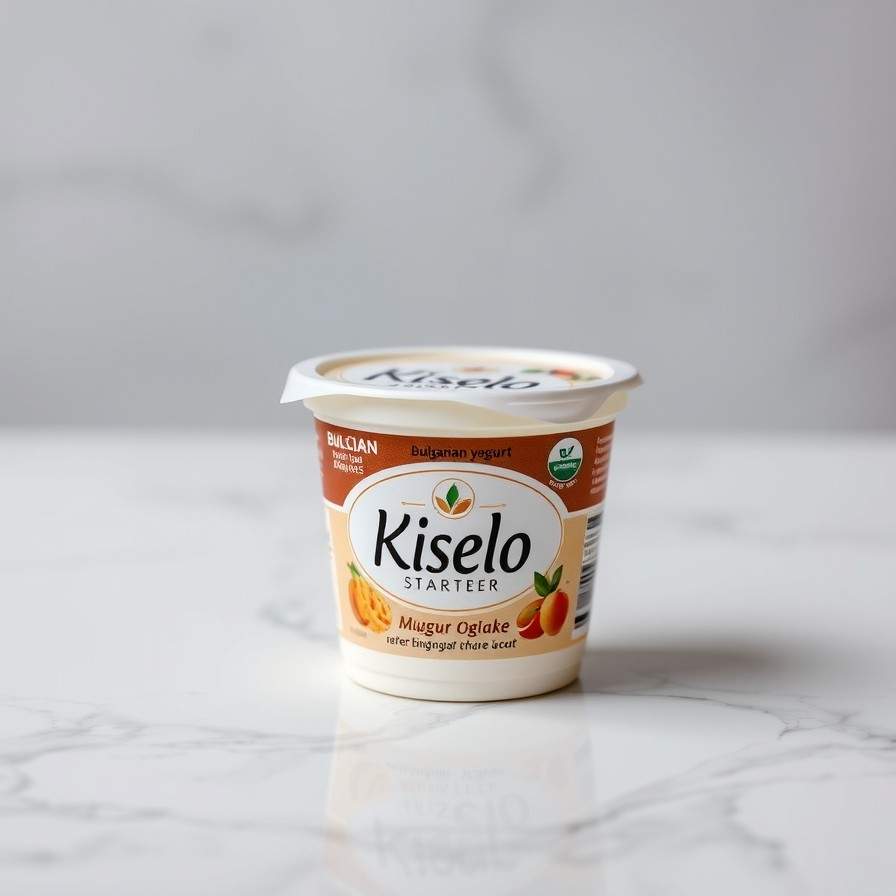
- Serves: 4 People
- Prepare Time: 15 minutes
- Cooking Time: 10 minutes
- Calories: -
- Difficulty: Easy
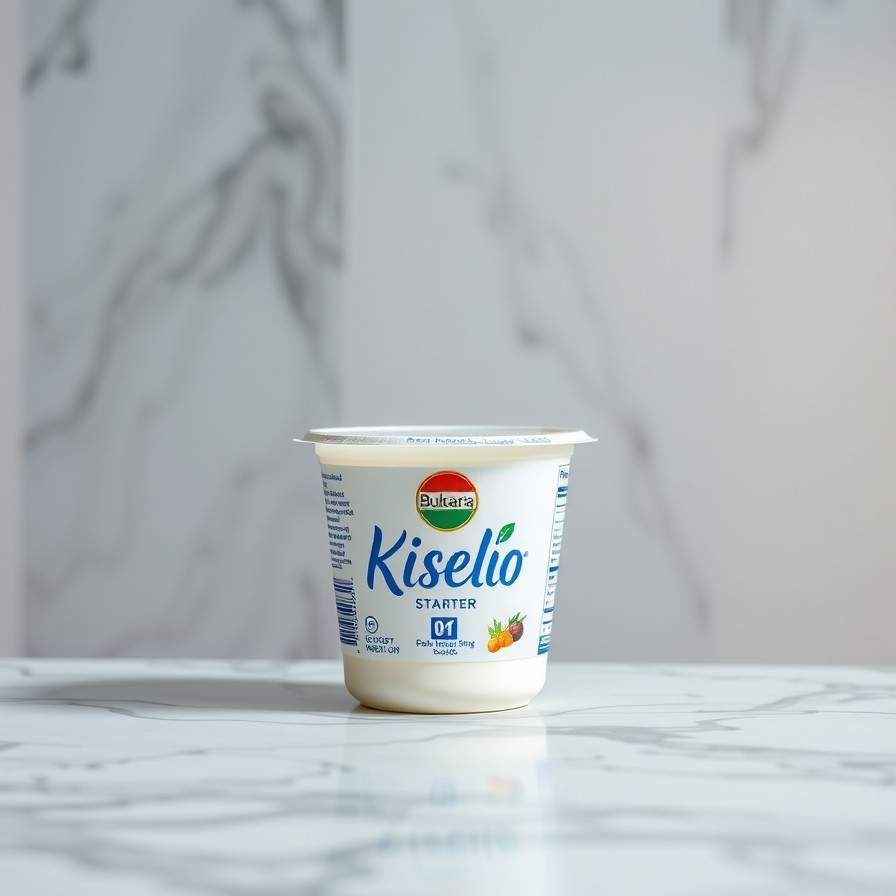
Ever wondered how to capture that authentic, tangy taste of Bulgarian yogurt (known as Kiselo Mlyako) right in your own kitchen? You're in the right place! Making your own homemade probiotic yogurt is incredibly rewarding, offering a fresh, clean taste that store-bought versions often can't match. This guide will walk you through everything you need to know, from choosing the perfect bulgarian yogurt starter culture to simple troubleshooting tips. Get ready to transform simple milk into a creamy, probiotic-rich delight. It's easier than you think to create this traditional staple, and soon you'll be enjoying the freshest yogurt around!
Ingredients
Directions
- Equipment:
- Heavy-bottomed pot or Dutch oven
- Instant-read thermometer
- Whisk or spoon (preferably wood)
- Glass jars or heat-safe containers with lids
- Towel/blanket and a warm, draft-free place (or an oven with the light on)
- Fridge space
- Heat the MilkPour your milk into the heavy-bottomed pot. Slowly heat the milk over medium heat to about 180°F (82°C). Stir occasionally with your whisk or spoon to prevent scorching on the bottom. You’ll see gentle steaming and small bubbles forming around the edges, but you don't need a hard boil. This heating step is crucial because it kills off any unwanted bacteria in the milk and changes the milk proteins, which helps your yogurt set thicker and firmer.
- Cool to Starter TemperatureRemove the pot from the heat.
- Now, you need to let the milk cool down to the ideal temperature for your starter cultures: 110–115°F (43–46°C).
- This feels warm to the touch, but not hot. You can speed up this process by placing the pot in a sink filled with cool water (a "cold water bath") and stirring gently. Be patient and use your instant-read thermometer! If the milk is too hot, it will kill your delicate starter cultures, and your yogurt won't set. If it's too cool, the fermentation process will be too slow or won't happen effectively.
- Mix the StarterOnce your milk is at the perfect temperature (110–115°F), it's time to introduce your yogurt starter culture.
- In a small bowl, take a ladle or two of the warm milk and whisk it together with your chosen starter (either the plain yogurt or the freeze-dried culture) until it's completely smooth and lump-free. This little step helps activate the cultures and ensures they mix evenly into the larger batch of milk. Then, gently stir this starter mixture back into the main pot of milk until it's well combined. For a general guideline, aim for about 2-3 tablespoons of existing yogurt starter per quart of milk.
- Fill the JarsCarefully pour your inoculated milk into clean glass jars or heat-safe containers. Leave a little bit of headspace at the top of each jar. Wipe any drips from the rims, then place the lids on loosely. You want to allow for some airflow during fermentation, but still keep dust out.
- Incubate & Keep It WarmThis is where the magic happens! To keep your yogurt warm and happy, wrap the jars (or even the pot itself if you're fermenting in one large batch) in a thick towel or blanket. Place them in a warm, draft-free spot. Great options include:
- Inside an oven that's turned off, but with the oven light on (the light generates enough gentle heat).
- In a cooler with a hot water bottle.
- In a dehydrator or yogurt maker set to the correct temperature.
- The goal is to maintain a steady temperature around 105–115°F (40–46°C).Incubation times will vary based on your desired tang and thickness:
- 6 hours: You’ll get a milder, softer yogurt.
- 8–10 hours: This will result in a tangier, thicker yogurt, closer to the traditional Kiselo Mlyako.
- Chill & SetOnce your yogurt has set to your liking, remove the jars from their warm spot and move them straight into the fridge. Chilling is essential for two reasons: it stops the fermentation process (preventing it from getting too sour), and it helps the yogurt thicken up even further. Allow it to chill for at least 4 hours, or ideally overnight, for the best texture and flavor. The tang will also mellow slightly as it cools.
- Save Starter for Next BatchBefore you dig into your delicious homemade probiotic yogurt, scoop a small amount (about 2-3 tablespoons per quart you plan to make next) from your freshest batch into a clean, separate jar. Label it, and store it in the fridge. This is your "mother culture" for your next batch! You can typically re-culture several times (often 5-7 batches) before the flavor or texture starts to drift. When you notice it becoming weaker or developing an off-flavor, it's time to refresh with a new commercial or freeze-dried Bulgarian yogurt starter.
Make Bulgarian Yogurt - Kiselo Mlyako
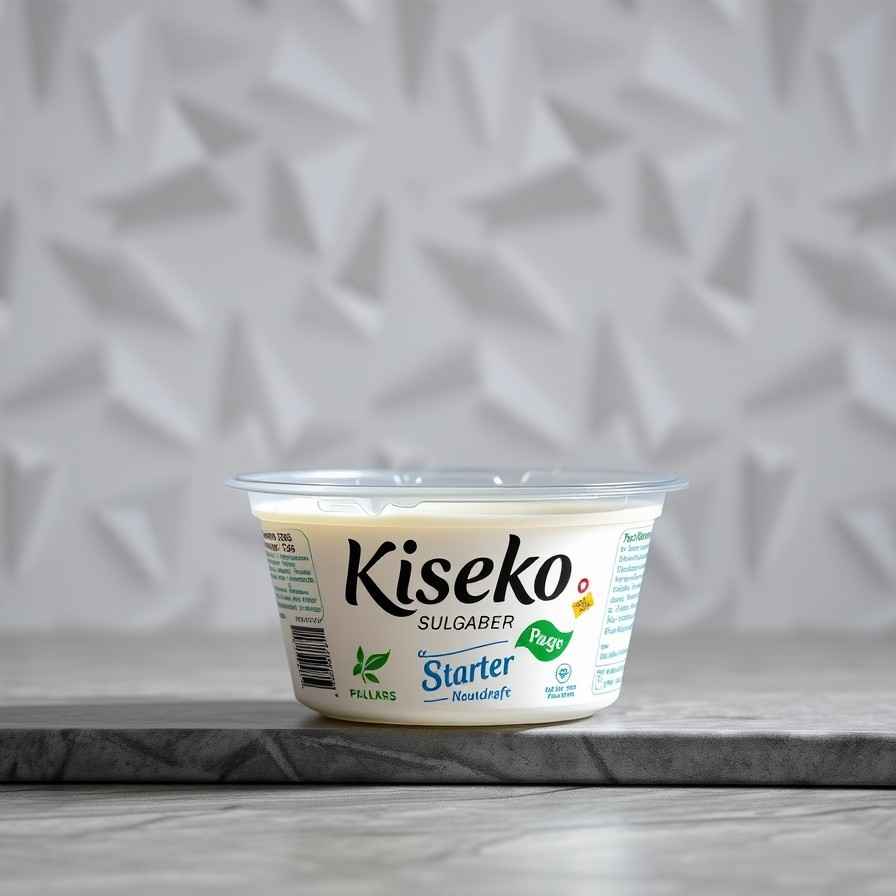
- Serves: 4 People
- Prepare Time: 15 minutes
- Cooking Time: 10 minutes
- Calories: -
- Difficulty: Easy
Ever wondered how to capture that authentic, tangy taste of Bulgarian yogurt (known as Kiselo Mlyako) right in your own kitchen? You're in the right place! Making your own homemade probiotic yogurt is incredibly rewarding, offering a fresh, clean taste that store-bought versions often can't match. This guide will walk you through everything you need to know, from choosing the perfect bulgarian yogurt starter culture to simple troubleshooting tips. Get ready to transform simple milk into a creamy, probiotic-rich delight. It's easier than you think to create this traditional staple, and soon you'll be enjoying the freshest yogurt around!
Ingredients
Directions
- Equipment:
- Heavy-bottomed pot or Dutch oven
- Instant-read thermometer
- Whisk or spoon (preferably wood)
- Glass jars or heat-safe containers with lids
- Towel/blanket and a warm, draft-free place (or an oven with the light on)
- Fridge space
- Heat the MilkPour your milk into the heavy-bottomed pot. Slowly heat the milk over medium heat to about 180°F (82°C). Stir occasionally with your whisk or spoon to prevent scorching on the bottom. You’ll see gentle steaming and small bubbles forming around the edges, but you don't need a hard boil. This heating step is crucial because it kills off any unwanted bacteria in the milk and changes the milk proteins, which helps your yogurt set thicker and firmer.
- Cool to Starter TemperatureRemove the pot from the heat.
- Now, you need to let the milk cool down to the ideal temperature for your starter cultures: 110–115°F (43–46°C).
- This feels warm to the touch, but not hot. You can speed up this process by placing the pot in a sink filled with cool water (a "cold water bath") and stirring gently. Be patient and use your instant-read thermometer! If the milk is too hot, it will kill your delicate starter cultures, and your yogurt won't set. If it's too cool, the fermentation process will be too slow or won't happen effectively.
- Mix the StarterOnce your milk is at the perfect temperature (110–115°F), it's time to introduce your yogurt starter culture.
- In a small bowl, take a ladle or two of the warm milk and whisk it together with your chosen starter (either the plain yogurt or the freeze-dried culture) until it's completely smooth and lump-free. This little step helps activate the cultures and ensures they mix evenly into the larger batch of milk. Then, gently stir this starter mixture back into the main pot of milk until it's well combined. For a general guideline, aim for about 2-3 tablespoons of existing yogurt starter per quart of milk.
- Fill the JarsCarefully pour your inoculated milk into clean glass jars or heat-safe containers. Leave a little bit of headspace at the top of each jar. Wipe any drips from the rims, then place the lids on loosely. You want to allow for some airflow during fermentation, but still keep dust out.
- Incubate & Keep It WarmThis is where the magic happens! To keep your yogurt warm and happy, wrap the jars (or even the pot itself if you're fermenting in one large batch) in a thick towel or blanket. Place them in a warm, draft-free spot. Great options include:
- Inside an oven that's turned off, but with the oven light on (the light generates enough gentle heat).
- In a cooler with a hot water bottle.
- In a dehydrator or yogurt maker set to the correct temperature.
- The goal is to maintain a steady temperature around 105–115°F (40–46°C).Incubation times will vary based on your desired tang and thickness:
- 6 hours: You’ll get a milder, softer yogurt.
- 8–10 hours: This will result in a tangier, thicker yogurt, closer to the traditional Kiselo Mlyako.
- Chill & SetOnce your yogurt has set to your liking, remove the jars from their warm spot and move them straight into the fridge. Chilling is essential for two reasons: it stops the fermentation process (preventing it from getting too sour), and it helps the yogurt thicken up even further. Allow it to chill for at least 4 hours, or ideally overnight, for the best texture and flavor. The tang will also mellow slightly as it cools.
- Save Starter for Next BatchBefore you dig into your delicious homemade probiotic yogurt, scoop a small amount (about 2-3 tablespoons per quart you plan to make next) from your freshest batch into a clean, separate jar. Label it, and store it in the fridge. This is your "mother culture" for your next batch! You can typically re-culture several times (often 5-7 batches) before the flavor or texture starts to drift. When you notice it becoming weaker or developing an off-flavor, it's time to refresh with a new commercial or freeze-dried Bulgarian yogurt starter.
You may also like



Hey there! I’m just someone who seriously loves good food and believes that cooking doesn’t have to be complicated to be amazing. Whether it’s a quick weeknight dinner or a cozy weekend meal, I’m all about sharing easy, tasty recipes that actually work.