Classic Belgian Genever Gin - Easy Recipe
Classic Belgian Genever Gin - Easy Recipe
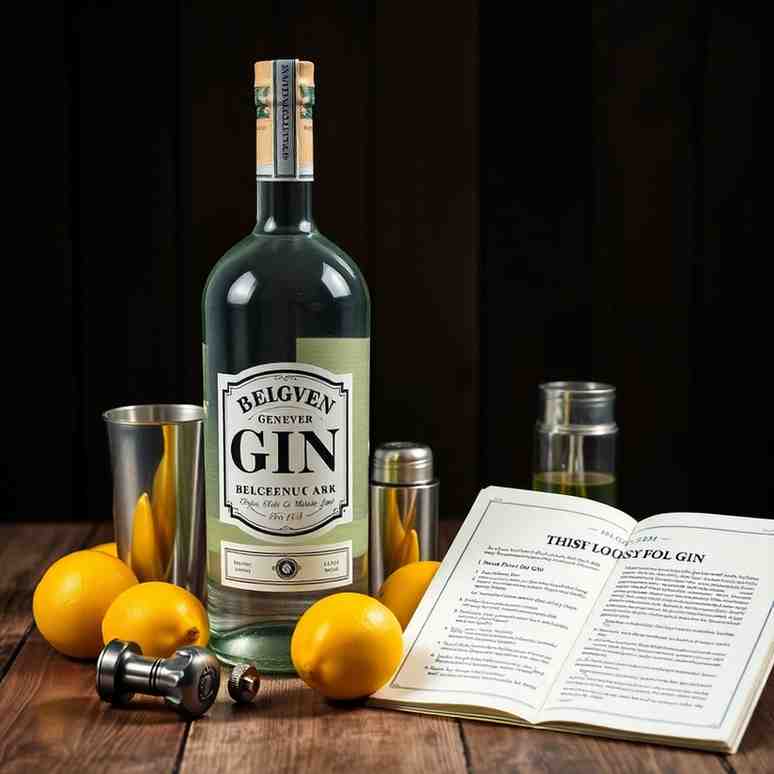

- Serves: 1 People
- Prepare Time: 5 minutes
- Cooking Time: 0 minutes
- Calories: -
- Difficulty: Easy
Ever wondered about the ancestor of modern gin? Step into the rich, malty world of Belgian genever gin! This traditional juniper-flavored spirit from Belgium and the Netherlands offers a completely different experience than your typical London dry gin or even some vodka recipes. If you've been curious about oude genever, genever jenever, or simply want to explore `wine spirits` beyond the usual, you're in for a treat. This article is your definitive guide to understanding, appreciating, and easily preparing a classic Belgian jenever serve right in your own home. Forget complex cocktail recipes for a moment – we're going back to basics, embracing tradition, and showing you how to enjoy this unique beer wine and spirits offering just like the Belgians do. Get ready to discover its fascinating history, distinct taste, and our simple, canonical recipe for a truly authentic experience.
Ingredients
Directions
- Chill Everything Down: For the best experience, place your jenever bottle in the freezer for at least an hour, and chill your tulip-shaped glass (and beer glass, if using) in the refrigerator or freezer. This is key for a crisp serve.
- Pour the Jenever: Carefully measure 1.5 to 2 ounces (45-60ml) of chilled Belgian jenever into your cold tulip or shot glass. Fill it right to the brim, creating a slight dome of liquid on top.
- Optional Sweetening or Citrus: If you prefer a slightly sweeter drink, carefully drop a sugar cube into the jenever. If you like a hint of freshness, twist a small piece of lemon or orange peel over the glass to release its oils, then drop it in or discard. Remember, these are optional tweaks to the same classic serve.
- Position Your Beer Chaser: If enjoying the traditional "Kopstoot" (headbutt) style, pour your ice-cold light Belgian-style beer into a separate, chilled beer glass and place it right next to your jenever.
- The First Sip (The Ritual): Lean over the jenever glass, without picking it up, and take a gentle sniff of its aroma. Then, still without lifting the glass, take your first short, slow sip, letting the jenever roll over your tongue. The idea is to take a sip without spilling the brimming liquid. If using the beer chaser, alternate small sips of jenever with sips of beer.
- What This Drink Should Taste Like
- Your classic Belgian jenever serve should offer a delightful sensory journey. On the nose, expect subtle malty notes with a gentle whisper of juniper and perhaps a hint of spice. The first sip will be smooth, with a round, slightly sweet malt backbone, far less piney than dry gin. The finish is clean, warm, and inviting. If it feels too intense, a small splash of very cold water or a single ice cube can gently tame the spirit without diluting its character.
Classic Belgian Genever Gin - Easy Recipe
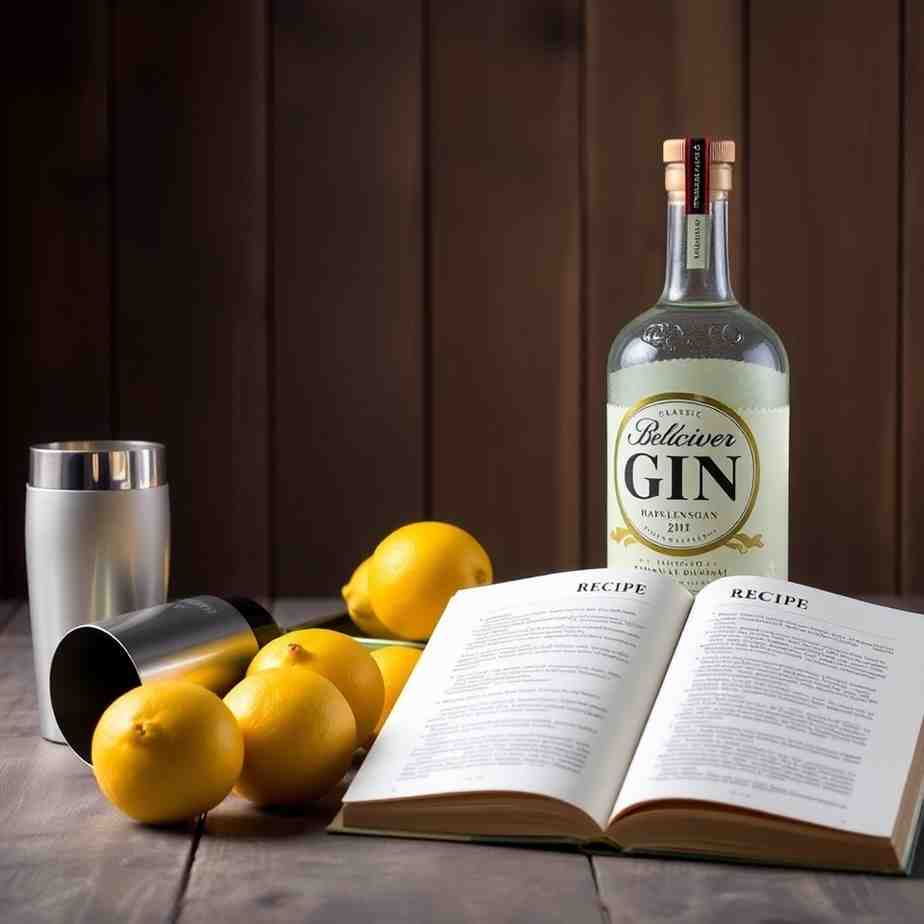
- Serves: 1 People
- Prepare Time: 5 minutes
- Cooking Time: 0 minutes
- Calories: -
- Difficulty: Easy
Ever wondered about the ancestor of modern gin? Step into the rich, malty world of Belgian genever gin! This traditional juniper-flavored spirit from Belgium and the Netherlands offers a completely different experience than your typical London dry gin or even some vodka recipes. If you've been curious about oude genever, genever jenever, or simply want to explore `wine spirits` beyond the usual, you're in for a treat. This article is your definitive guide to understanding, appreciating, and easily preparing a classic Belgian jenever serve right in your own home. Forget complex cocktail recipes for a moment – we're going back to basics, embracing tradition, and showing you how to enjoy this unique beer wine and spirits offering just like the Belgians do. Get ready to discover its fascinating history, distinct taste, and our simple, canonical recipe for a truly authentic experience.
Ingredients
Directions
- Chill Everything Down: For the best experience, place your jenever bottle in the freezer for at least an hour, and chill your tulip-shaped glass (and beer glass, if using) in the refrigerator or freezer. This is key for a crisp serve.
- Pour the Jenever: Carefully measure 1.5 to 2 ounces (45-60ml) of chilled Belgian jenever into your cold tulip or shot glass. Fill it right to the brim, creating a slight dome of liquid on top.
- Optional Sweetening or Citrus: If you prefer a slightly sweeter drink, carefully drop a sugar cube into the jenever. If you like a hint of freshness, twist a small piece of lemon or orange peel over the glass to release its oils, then drop it in or discard. Remember, these are optional tweaks to the same classic serve.
- Position Your Beer Chaser: If enjoying the traditional "Kopstoot" (headbutt) style, pour your ice-cold light Belgian-style beer into a separate, chilled beer glass and place it right next to your jenever.
- The First Sip (The Ritual): Lean over the jenever glass, without picking it up, and take a gentle sniff of its aroma. Then, still without lifting the glass, take your first short, slow sip, letting the jenever roll over your tongue. The idea is to take a sip without spilling the brimming liquid. If using the beer chaser, alternate small sips of jenever with sips of beer.
- What This Drink Should Taste Like
- Your classic Belgian jenever serve should offer a delightful sensory journey. On the nose, expect subtle malty notes with a gentle whisper of juniper and perhaps a hint of spice. The first sip will be smooth, with a round, slightly sweet malt backbone, far less piney than dry gin. The finish is clean, warm, and inviting. If it feels too intense, a small splash of very cold water or a single ice cube can gently tame the spirit without diluting its character.
The following nutritional values are per serving (one piece of cake) Calories 150 - 200 kcal Carbohydrates 5 - 8g Protein 0.5 - 1g Fat 0g Tools and ingredients that can help you cook more easily and consistently. Problem: Ever struggle with getting your drink measurements just right? Problem: Want to experience the full aroma and tradition of your Belgian jenever? Problem: Tired of waiting for your spirit to reach the perfect temperature? Click any ingredient for detailed nutritional information:Recipe Nutritional Values
Additional Information
Recipe Success Tips
Ingredient Substitutions & Variations
Cultural Variations
Make-Ahead & Storage Instructions
Frequently Asked Questions
Recommended Kitchen Tools
Time-Saving Tools & Ingredients
Agitate: Eyeballing can lead to inconsistent flavors, making your perfect genever gin drink either too strong or too weak, and potentially wasting precious ingredients.
Solution: A quality jigger ensures you measure your oude genever with absolute accuracy every time, guaranteeing a perfectly balanced and delicious serve. H3: Authentic Tulip GlasswareTime-Saving Tools & Ingredients
Agitate: Serving this unique spirit in a standard shot glass or tumbler can diminish the experience, as the aromatics don't concentrate properly, and you miss out on the traditional ritual.
Solution: Using a small tulip-shaped glass, or at least a small rocks/shot glass, is key to appreciating the subtle complexities of jenever jenever and immersing yourself in the Belgian serving custom. H3: Pre-Chilled Jenever BottleTime-Saving Tools & Ingredients
Agitate: A warm spirit can taste harsher and hide the delicate malty and botanical notes that make Belgian jenever so special, requiring you to add ice and dilute the flavor.
Solution: Keep your genever gin bottle in the freezer or fridge for at least an hour before serving. This ensures it's perfectly ice-cold without needing dilution, letting its true character shine. ---Calories per Ingredient
You may also like

Hey there! I’m just someone who seriously loves good food and believes that cooking doesn’t have to be complicated to be amazing. Whether it’s a quick weeknight dinner or a cozy weekend meal, I’m all about sharing easy, tasty recipes that actually work.