Easy Gluten-Free Pastry Recipe - Flaky & Reliable Crust
Easy Gluten-Free Pastry Recipe - Flaky & Reliable Crust
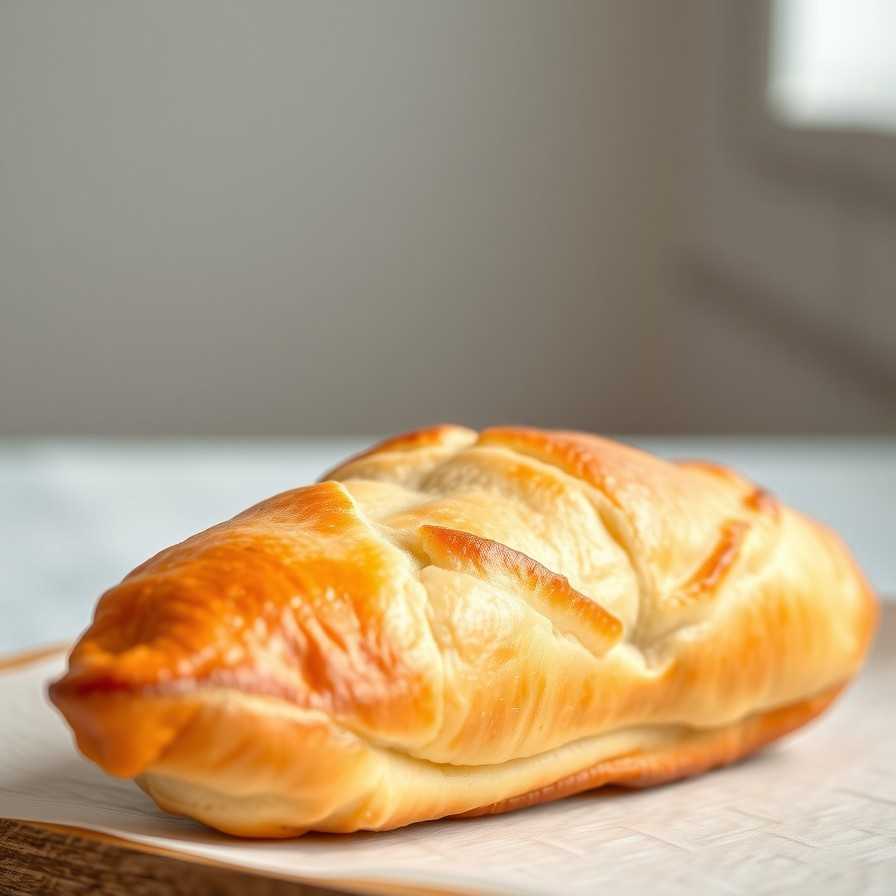
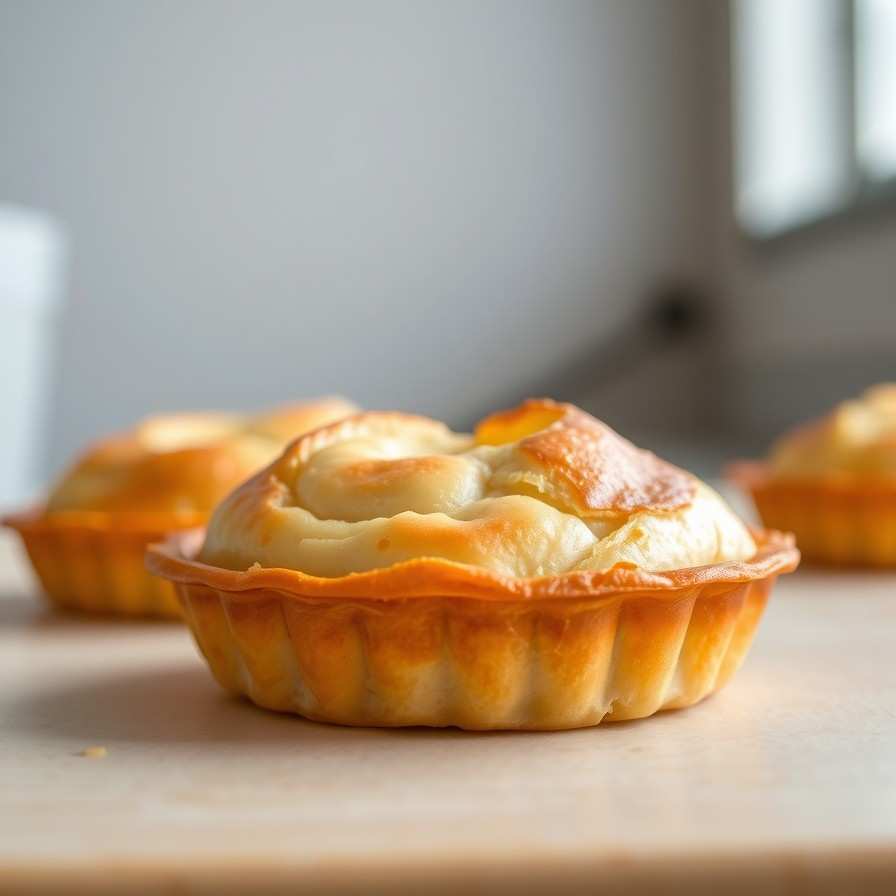
- Serves: 8 People
- Prepare Time: 15 minutes
- Cooking Time: 25 minutes
- Calories: -
- Difficulty: Easy
If you've ever tried to make gluten free pastry before, you know the struggle is real. It crumbles, it cracks, it's tough, or it just won't hold together. It's enough to make you give up on homemade pies and tarts forever! But what if we told you there’s a gluten free pastry recipe that actually works? A game-changer that delivers a wonderfully flaky, tender, and totally reliable crust every single time?
Well, get ready to ditch those pastry frustrations! This definitive gluten free pastry guide is designed to solve all your pie-making woes. You'll learn how to create one all-purpose gluten-free shortcrust pastry that's perfect for both sweet and savory gluten free pies.
This recipe is for every home baker, whether you're new to gluten-free baking or just looking for a pastry that "just works." We’ll walk you through everything, from the essential ingredients to step-by-step instructions, complete with handy tips and a troubleshooting chart to ensure your success.
Here's why you'll love this recipe:
It uses just 6 common pantry ingredients.
Requires only about 10 minutes of hands-on time.
No special equipment needed – just your hands and a rolling pin!
Get ready to bake the best gluten free pastry of your life.
Ingredients
Directions
- Mix the Dry Ingredients: In your large mixing bowl, whisk together the gluten-free all-purpose flour, xanthan gum (if your blend doesn't contain it), and your choice of salt (for savory) or sugar (for sweet). Whisk well to ensure everything is evenly distributed. The mixture should look like a fine, uniform powder.
- Rub in the Butter: Add the cold, cubed butter to the flour mixture. Toss the butter cubes in the flour to coat them. Then, using your fingertips or a pastry cutter, quickly rub the butter into the flour until the mixture resembles coarse, damp sand with some visible pea-sized and smaller flakes of butter. It's crucial to work quickly here to keep the butter as cold as possible. (refer to photo)
- Add Egg and Water: In a separate small bowl, lightly beat the large egg. Drizzle the beaten egg over the flour and butter mixture. Stir gently with a fork or your hands until small clumps start to form. Now, add the ice-cold water, 1 tablespoon at a time, mixing lightly after each addition. Continue until the dough just holds together when you squeeze a handful, but isn't sticky. You might not need all the water, or you might need a tiny bit more depending on your flour blend. The "just right" dough should feel cohesive but not wet. (refer to photo)
- Bring Together & Chill: Gently press the dough together to form a flat disk. Avoid kneading it like bread, as this can make it tough. Wrap the disk tightly in plastic wrap and chill it in the refrigerator for at least 30 minutes, or up to 2 days for make-ahead convenience. Flattening the disk helps it chill faster and makes it easier to roll out later.
- Roll Out the Dough: Lightly flour your work surface and rolling pin with extra gluten-free flour. Unwrap the chilled dough and place it on the floured surface. Roll the dough from the center outwards, turning the dough a quarter turn after each roll to prevent sticking and ensure even thickness. Aim for a thickness of about ⅛ inch (3 mm). If cracks appear at the edges, simply press them together with your fingers. Small tears can be patched with off-cuts of dough. (refer to photo)
- Line the Pan: Carefully roll the dough loosely around your rolling pin, then unroll it over your 9-inch pie or tart pan. Gently lift the edges of the dough to ease it into the corners of the pan, being careful not to stretch it, which can cause shrinkage during baking. Trim any excess dough from the edges, leaving a slight overhang if desired for crimping. Patch any small cracks with the trimmed off-cuts. (refer to photo)
- Dock & Chill Again: Prick the base of the lined pastry shell all over with a fork (this is called "docking" and helps prevent bubbling). Chill the lined pan in the refrigerator for another 15-20 minutes while your oven preheats. This second chill is important for maintaining the pastry's shape during baking.
Easy Gluten-Free Pastry Recipe - Flaky & Reliable Crust
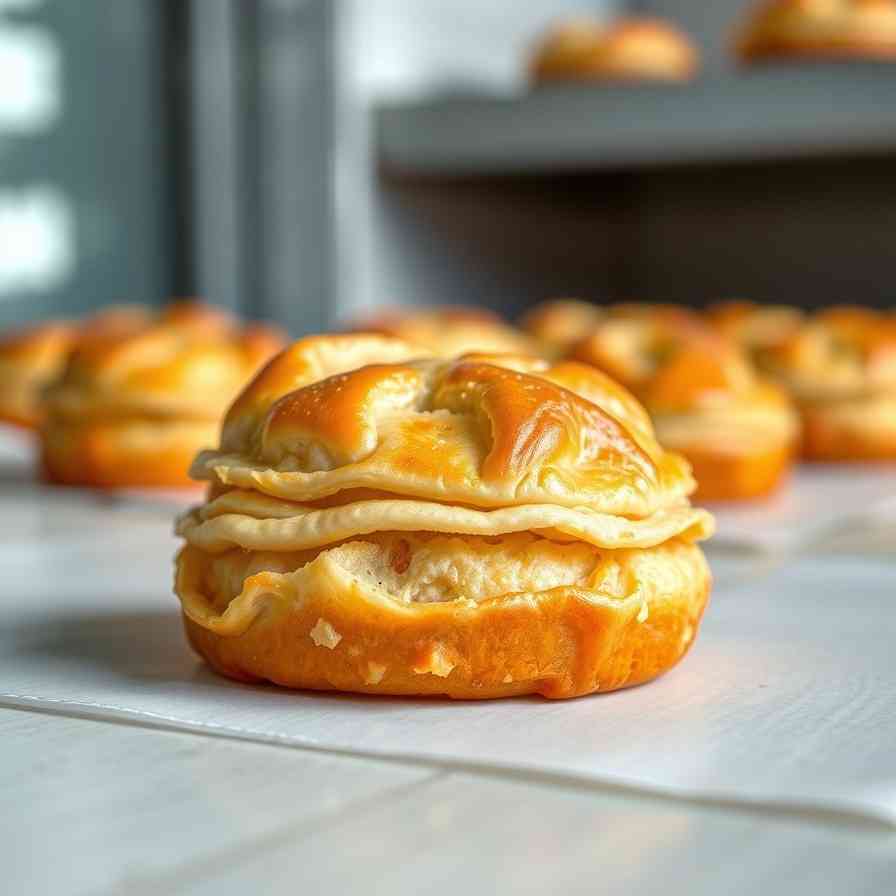
- Serves: 8 People
- Prepare Time: 15 minutes
- Cooking Time: 25 minutes
- Calories: -
- Difficulty: Easy
If you've ever tried to make gluten free pastry before, you know the struggle is real. It crumbles, it cracks, it's tough, or it just won't hold together. It's enough to make you give up on homemade pies and tarts forever! But what if we told you there’s a gluten free pastry recipe that actually works? A game-changer that delivers a wonderfully flaky, tender, and totally reliable crust every single time?
Well, get ready to ditch those pastry frustrations! This definitive gluten free pastry guide is designed to solve all your pie-making woes. You'll learn how to create one all-purpose gluten-free shortcrust pastry that's perfect for both sweet and savory gluten free pies.
This recipe is for every home baker, whether you're new to gluten-free baking or just looking for a pastry that "just works." We’ll walk you through everything, from the essential ingredients to step-by-step instructions, complete with handy tips and a troubleshooting chart to ensure your success.
Here's why you'll love this recipe:
It uses just 6 common pantry ingredients.
Requires only about 10 minutes of hands-on time.
No special equipment needed – just your hands and a rolling pin!
Get ready to bake the best gluten free pastry of your life.
Ingredients
Directions
- Mix the Dry Ingredients: In your large mixing bowl, whisk together the gluten-free all-purpose flour, xanthan gum (if your blend doesn't contain it), and your choice of salt (for savory) or sugar (for sweet). Whisk well to ensure everything is evenly distributed. The mixture should look like a fine, uniform powder.
- Rub in the Butter: Add the cold, cubed butter to the flour mixture. Toss the butter cubes in the flour to coat them. Then, using your fingertips or a pastry cutter, quickly rub the butter into the flour until the mixture resembles coarse, damp sand with some visible pea-sized and smaller flakes of butter. It's crucial to work quickly here to keep the butter as cold as possible. (refer to photo)
- Add Egg and Water: In a separate small bowl, lightly beat the large egg. Drizzle the beaten egg over the flour and butter mixture. Stir gently with a fork or your hands until small clumps start to form. Now, add the ice-cold water, 1 tablespoon at a time, mixing lightly after each addition. Continue until the dough just holds together when you squeeze a handful, but isn't sticky. You might not need all the water, or you might need a tiny bit more depending on your flour blend. The "just right" dough should feel cohesive but not wet. (refer to photo)
- Bring Together & Chill: Gently press the dough together to form a flat disk. Avoid kneading it like bread, as this can make it tough. Wrap the disk tightly in plastic wrap and chill it in the refrigerator for at least 30 minutes, or up to 2 days for make-ahead convenience. Flattening the disk helps it chill faster and makes it easier to roll out later.
- Roll Out the Dough: Lightly flour your work surface and rolling pin with extra gluten-free flour. Unwrap the chilled dough and place it on the floured surface. Roll the dough from the center outwards, turning the dough a quarter turn after each roll to prevent sticking and ensure even thickness. Aim for a thickness of about ⅛ inch (3 mm). If cracks appear at the edges, simply press them together with your fingers. Small tears can be patched with off-cuts of dough. (refer to photo)
- Line the Pan: Carefully roll the dough loosely around your rolling pin, then unroll it over your 9-inch pie or tart pan. Gently lift the edges of the dough to ease it into the corners of the pan, being careful not to stretch it, which can cause shrinkage during baking. Trim any excess dough from the edges, leaving a slight overhang if desired for crimping. Patch any small cracks with the trimmed off-cuts. (refer to photo)
- Dock & Chill Again: Prick the base of the lined pastry shell all over with a fork (this is called "docking" and helps prevent bubbling). Chill the lined pan in the refrigerator for another 15-20 minutes while your oven preheats. This second chill is important for maintaining the pastry's shape during baking.
You may also like



Hey there! I’m just someone who seriously loves good food and believes that cooking doesn’t have to be complicated to be amazing. Whether it’s a quick weeknight dinner or a cozy weekend meal, I’m all about sharing easy, tasty recipes that actually work.