Belizean Hudut Recipe Garifuna Coconut Fish Stew
Belizean Hudut Recipe Garifuna Coconut Fish Stew

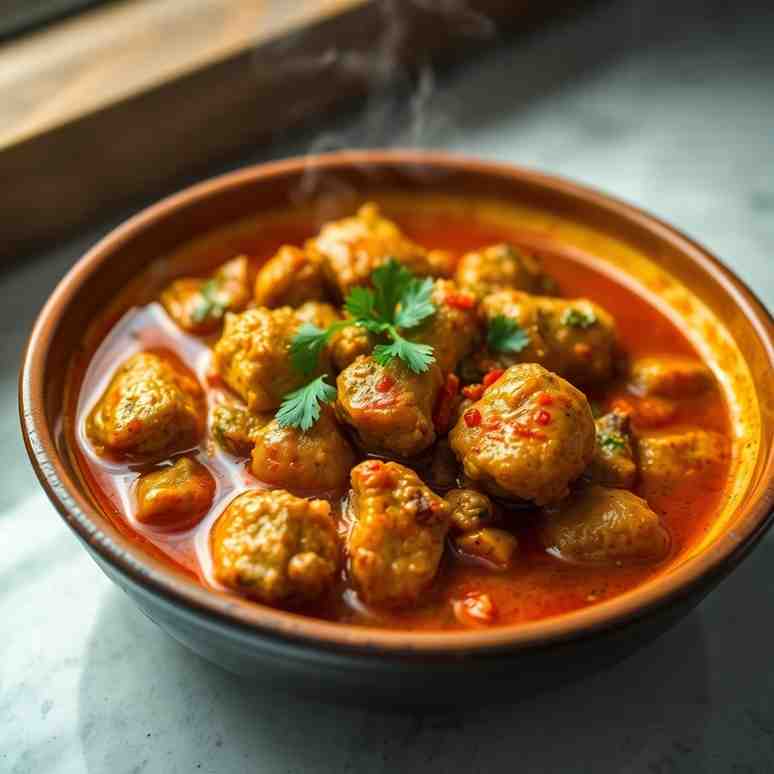
- Serves: 4 People
- Prepare Time: 45 minutes
- Cooking Time: 45 minutes
- Calories: -
- Difficulty: Easy
Welcome to a culinary journey into the heart of Garifuna cuisine with authentic Garifuna Hudut recipe! This beloved Belizean dish is a vibrant, soul-warming coconut fish stew served with mashed green-and-ripe plantains (fu-fu). Originating from the rich coastal communities of Belize, Hudut is more than just a meal; it's a taste of tradition, a comforting embrace from the sea. If you’ve ever wanted to learn how to cook Belizean Hudut at home and understand the Garifuna traditions behind it, you’re in the right place. Our recipe is crafted to bring you authentic in flavor, yet thoughtfully adapted for a US home kitchen, making use of easily accessible supermarket ingredients and common equipment. Get ready to explore Belizean food recipes and dive into one of the most cherished Garifuna traditional dishes.
Ingredients
Directions
- Prep the Plantains Safely Before handling plantains, rub a small amount of neutral oil on your hands. This helps prevent the sticky plantain sap from staining your skin. Carefully slice off both ends of the green plantains, then score the peel lengthwise in a few spots. Pry off the peel with your fingers or a knife. For ripe plantains, the peel comes off more easily. Cut both green and ripe plantains into 1-inch thick chunks.
- Boil Green and Ripe Plantains (for Fu-Fu) Place the green plantain chunks in a large pot and cover with cold water by about an inch. Add 1/2 teaspoon of salt. Bring to a boil, then reduce heat to a simmer. Cook for about 15-20 minutes until the green plantains are almost tender. Now, add the ripe plantain chunks to the pot. Continue to simmer for another 10-15 minutes, or until both types of plantains are very tender, and a fork slides in easily without resistance. There should be no chalky center in the green plantains.
- Mash the Plantain Fu-Fu Drain the boiled plantains thoroughly. Let them cool slightly for a few minutes so they're easier to handle. Transfer the plantains to a large mortar and pestle or a food processor. Mash or pulse until the plantains are smooth, sticky, and cohesive. If the mash seems too dry, add a tablespoon or two of hot water or some of the simmering coconut broth (from Step 6) until it reaches a soft, pliable consistency. If it's too loose, you might need to add a bit more mashed green plantain if you have it, or cook it briefly over low heat, stirring constantly, to dry it out slightly. Taste and adjust salt as needed. Shape the fu-fu into individual balls or mounds and keep warm while you finish the stew.
- Season and Sear the Fish Pat your fish (whole or fillets) very dry with paper towels. Season generously with salt and black pepper on all sides. Heat 2 tablespoons of neutral oil in your heavy pot or Dutch oven over medium-high heat. Once the oil is shimmering, carefully add the fish. Sear for 2-3 minutes per side until lightly browned. This step adds flavor and helps the fish hold its shape. If using very delicate fillets, keep the sear light to avoid overcooking them later. Remove the seared fish from the pot and set aside on a plate.
- Build the Coconut Herb Broth If there's too much oil or any burnt bits in the pot from searing the fish, quickly wipe it out. Pour the full-fat coconut milk into the pot. Bring it to a gentle simmer over medium-low heat, stirring continuously to prevent it from curdling. Once simmering, add the diced onion, minced garlic, diced bell pepper, chopped fresh basil, chopped fresh oregano, the whole habanero pepper (do not cut it unless you want more heat), and sliced okra. Stir everything together. Maintain a gentle simmer, stirring occasionally. If the coconut milk starts to separate, reduce the heat and stir more frequently; a splash of water can sometimes help stabilize it. Let it simmer for 10-15 minutes for the vegetables to soften and the flavors to meld.
- Simmer the Fish in Coconut Sauce Gently nestle the seared fish into the simmering coconut broth. Ensure the fish is mostly submerged in the liquid. Continue to simmer over medium-low heat for 8-12 minutes, or until the fish is just cooked through and flakes easily with a fork. Be careful not to overcook. Taste the broth and adjust seasoning with additional salt and black pepper as needed. If you used a whole habanero and the broth is spicy enough for your liking, carefully remove the pepper before serving.
- Serve Hudut the Garifuna Way To serve, place a warm ball or mound of plantain fu-fu in each individual bowl or on a plate. Ladle a generous portion of the coconut fish stew beside or partially over the mashed plantains. Garnish with fresh chopped cilantro and a lime wedge on the side for a touch of acidity, if desired. Serve immediately and enjoy this truly Belizean cultural food.
Belizean Hudut Recipe Garifuna Coconut Fish Stew

- Serves: 4 People
- Prepare Time: 45 minutes
- Cooking Time: 45 minutes
- Calories: -
- Difficulty: Easy
Welcome to a culinary journey into the heart of Garifuna cuisine with authentic Garifuna Hudut recipe! This beloved Belizean dish is a vibrant, soul-warming coconut fish stew served with mashed green-and-ripe plantains (fu-fu). Originating from the rich coastal communities of Belize, Hudut is more than just a meal; it's a taste of tradition, a comforting embrace from the sea. If you’ve ever wanted to learn how to cook Belizean Hudut at home and understand the Garifuna traditions behind it, you’re in the right place. Our recipe is crafted to bring you authentic in flavor, yet thoughtfully adapted for a US home kitchen, making use of easily accessible supermarket ingredients and common equipment. Get ready to explore Belizean food recipes and dive into one of the most cherished Garifuna traditional dishes.
Ingredients
Directions
- Prep the Plantains Safely Before handling plantains, rub a small amount of neutral oil on your hands. This helps prevent the sticky plantain sap from staining your skin. Carefully slice off both ends of the green plantains, then score the peel lengthwise in a few spots. Pry off the peel with your fingers or a knife. For ripe plantains, the peel comes off more easily. Cut both green and ripe plantains into 1-inch thick chunks.
- Boil Green and Ripe Plantains (for Fu-Fu) Place the green plantain chunks in a large pot and cover with cold water by about an inch. Add 1/2 teaspoon of salt. Bring to a boil, then reduce heat to a simmer. Cook for about 15-20 minutes until the green plantains are almost tender. Now, add the ripe plantain chunks to the pot. Continue to simmer for another 10-15 minutes, or until both types of plantains are very tender, and a fork slides in easily without resistance. There should be no chalky center in the green plantains.
- Mash the Plantain Fu-Fu Drain the boiled plantains thoroughly. Let them cool slightly for a few minutes so they're easier to handle. Transfer the plantains to a large mortar and pestle or a food processor. Mash or pulse until the plantains are smooth, sticky, and cohesive. If the mash seems too dry, add a tablespoon or two of hot water or some of the simmering coconut broth (from Step 6) until it reaches a soft, pliable consistency. If it's too loose, you might need to add a bit more mashed green plantain if you have it, or cook it briefly over low heat, stirring constantly, to dry it out slightly. Taste and adjust salt as needed. Shape the fu-fu into individual balls or mounds and keep warm while you finish the stew.
- Season and Sear the Fish Pat your fish (whole or fillets) very dry with paper towels. Season generously with salt and black pepper on all sides. Heat 2 tablespoons of neutral oil in your heavy pot or Dutch oven over medium-high heat. Once the oil is shimmering, carefully add the fish. Sear for 2-3 minutes per side until lightly browned. This step adds flavor and helps the fish hold its shape. If using very delicate fillets, keep the sear light to avoid overcooking them later. Remove the seared fish from the pot and set aside on a plate.
- Build the Coconut Herb Broth If there's too much oil or any burnt bits in the pot from searing the fish, quickly wipe it out. Pour the full-fat coconut milk into the pot. Bring it to a gentle simmer over medium-low heat, stirring continuously to prevent it from curdling. Once simmering, add the diced onion, minced garlic, diced bell pepper, chopped fresh basil, chopped fresh oregano, the whole habanero pepper (do not cut it unless you want more heat), and sliced okra. Stir everything together. Maintain a gentle simmer, stirring occasionally. If the coconut milk starts to separate, reduce the heat and stir more frequently; a splash of water can sometimes help stabilize it. Let it simmer for 10-15 minutes for the vegetables to soften and the flavors to meld.
- Simmer the Fish in Coconut Sauce Gently nestle the seared fish into the simmering coconut broth. Ensure the fish is mostly submerged in the liquid. Continue to simmer over medium-low heat for 8-12 minutes, or until the fish is just cooked through and flakes easily with a fork. Be careful not to overcook. Taste the broth and adjust seasoning with additional salt and black pepper as needed. If you used a whole habanero and the broth is spicy enough for your liking, carefully remove the pepper before serving.
- Serve Hudut the Garifuna Way To serve, place a warm ball or mound of plantain fu-fu in each individual bowl or on a plate. Ladle a generous portion of the coconut fish stew beside or partially over the mashed plantains. Garnish with fresh chopped cilantro and a lime wedge on the side for a touch of acidity, if desired. Serve immediately and enjoy this truly Belizean cultural food.
The following nutritional values are per serving (one piece of cake) Calories 550-650 kcal Carbohydrates 60-70g Protein 35-45g Fat 25-35g Time-Saving Tools & Ingredients Sometimes, you just need a little help to get delicious food on the table faster. Here are a few things that can make your Hudut journey smoother: Problem: Mashing plantains by hand, especially green ones, can be quite the workout, and getting that smooth, cohesive texture can take time and effort. Problem: Slicing and dicing all your vegetables adds time to prep, especially when you're eager to get cooking. Problem: Delicate fish fillets can easily break apart when searing or transferring, turning your beautiful fish into a messy scramble. Click any ingredient for detailed nutritional information:Recipe Nutritional Values
Additional Information
Recipe Success Tips
Ingredient Substitutions & Variations
Cultural Variations
Make-Ahead & Storage Instructions
Frequently Asked Questions
Recommended Kitchen Tools
Food Processor (for Fu-Fu)
Agitate: A lumpy fu-fu can really detract from the authentic Hudut experience, and nobody wants tired arms before they even get to enjoy their meal!
Solution: A sturdy food processor can blend your boiled plantains into that perfect, smooth, and slightly stretchy mash in minutes. Just be careful not to over-process and make it gluey.Pre-Chopped Aromatics (Onion, Garlic, Bell Pepper)
Agitate: You might be tempted to skip some fresh ingredients to save time, but that can compromise the depth of flavor in your stew.
Solution: Many supermarkets offer pre-chopped onions, minced garlic, and diced bell peppers. While fresh is always king for flavor, these can be a lifesaver on busy weeknights, allowing you to enjoy the full taste of Hudut without the extra knife work.Quality Fish Spatula
Agitate: It’s frustrating when your perfectly cooked fish falls apart right before serving, ruining the presentation and making you feel like a less-than-stellar chef.
Solution: A thin, flexible fish spatula slides easily under fish, providing broad support to keep it intact. It’s a small investment that makes a huge difference in handling your fish with confidence.Calories per Ingredient
You may also like



Hey there! I’m just someone who seriously loves good food and believes that cooking doesn’t have to be complicated to be amazing. Whether it’s a quick weeknight dinner or a cozy weekend meal, I’m all about sharing easy, tasty recipes that actually work.