Homemade Spinach & Ricotta Ravioli - Delicious Pasta
Homemade Spinach & Ricotta Ravioli - Delicious Pasta

- Serves: 6 People
- Prepare Time: 1 hour 30 m
- Cooking Time: 15 minutes
- Calories: -
- Difficulty: Easy
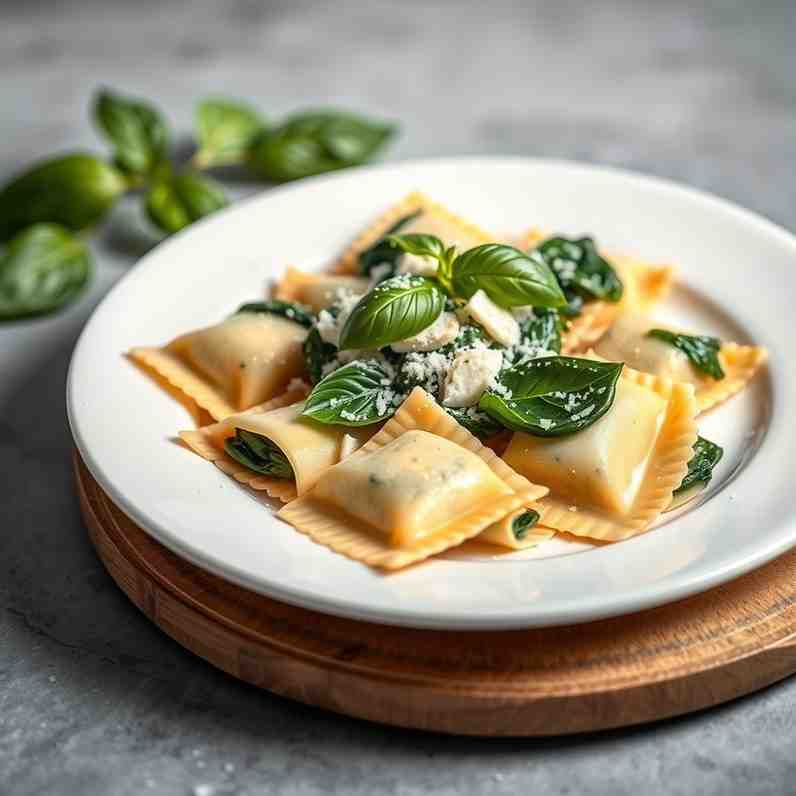
Ever dreamt of making incredible, restaurant-quality pasta right in your own kitchen? Well, get ready, because today we're diving into the delightful world of homemade spinach and ricotta ravioli! Forget those sad, store-bought versions that taste, well, meh. When you make ravioli from scratch, you unlock a whole new level of fresh, vibrant flavor and tender texture that’s simply unmatched.
This might look like a fancy, complicated dish, but I promise, it's totally achievable for anyone, even if you’re a motivated beginner. I'm going to walk you through every single step, making it super clear and easy to follow. You'll be amazed at how rewarding it feels to create these little parcels of deliciousness yourself!
Classic Italian flavors: We’re talking rich ricotta, earthy spinach, a hint of nutmeg, and salty Parmesan, all nestled in delicate egg pasta. Pure comfort!
Clear, simple steps: No guesswork here! Our detailed instructions and helpful tips mean you'll confidently create perfect ravioli every time.
Make-ahead and freezer-friendly: Whip up a big batch and stash some in the freezer for quick, delicious dinners whenever a craving strikes.
So, roll up your sleeves, grab your apron, and let’s make some magic!
Ingredients
Directions
Homemade Spinach & Ricotta Ravioli (From Scratch) Step-by-Step Instructions
Before You Start: Tips for First-Time Ravioli Makers- Clear Your Space: Make sure you have a large, clear work surface. Dust a few baking trays or sheets generously with semolina flour or all-purpose flour to prevent shaped ravioli from sticking.
- Plan Your Time: Dough needs to rest, filling needs to be made, and shaping takes a bit of focus. Give yourself enough time and don't rush!
- Keep Dough Covered: Pasta dough dries out quickly. Always keep any portions you're not actively working with covered tightly with plastic wrap or an overturned bowl.
- Don’t Overfill: This is key! Less filling is more. Overfilled ravioli are prone to bursting.
- Work in Batches: Divide your dough and work with smaller pieces to make rolling and shaping more manageable.
- On a clean work surface or in a large bowl, mound the flour and salt. Make a large well in the center, like a volcano.
- Crack the eggs into the well, and add the optional olive oil. Using a fork, gently beat the eggs, gradually pulling in small amounts of flour from the inner edge of the well.
- Continue mixing until a shaggy dough forms. Scrape the dough together with a bench scraper or your hands.
- Knead the dough for 8-10 minutes. Use the heel of your hand to push the dough away, then fold it back over and rotate. The dough should become smooth, elastic, and spring back slowly when pressed. If it feels too dry, add a teaspoon of water; if too wet, add a sprinkle of flour.
- Form the dough into a ball, wrap it tightly in plastic wrap, and let it rest at room temperature for at least 30 minutes (or up to 1 hour). This relaxes the gluten, making it easier to roll.
- Once cooked/thawed, transfer the spinach to a fine-mesh strainer or a clean kitchen towel. Squeeze out as much liquid as humanly possible. This is crucial for a thick, non-watery filling. Finely chop the squeezed spinach.
- In a medium bowl, combine the drained ricotta, finely chopped spinach, Parmesan cheese, the optional egg, nutmeg, salt, pepper, and optional lemon zest.
- Mix everything until well combined. Taste the filling and adjust seasonings as needed. Remember, it should taste a little saltier than you think, as the pasta around it is relatively plain. If the filling seems too wet, stir in 1-2 tablespoons of plain breadcrumbs.
- Unwrap your rested pasta dough. Divide it into 3-4 equal pieces, keeping the pieces you're not working with covered.
- Continue passing the dough through the machine, decreasing the setting one notch at a time, until the sheet is about as thin as a credit card (usually setting 6 or 7 on most machines). You should just be able to see your fingers through the dough when you hold it up.
- Lay one rolled pasta sheet on a lightly floured work surface.
- Using a small spoon or a piping bag, place teaspoon-sized mounds of filling in rows, about 1-inch apart, on one half of the pasta sheet.
- Lightly brush the pasta around the filling mounds with a little water or egg wash (a beaten egg with a splash of water). This helps seal the ravioli.
- Carefully lay a second pasta sheet over the first, aligning the edges (or fold the single sheet over if you’re using one long piece). Gently press down around each mound of filling, working from the center outwards to push out any trapped air. Air pockets can cause ravioli to burst during cooking.
- Using a pastry wheel or a knife, cut the ravioli into squares or rounds, ensuring the edges are firmly sealed. A well-sealed ravioli will have thin, crimped edges with no visible air pockets.
- Transfer the shaped ravioli to a semolina-dusted tray in a single layer. Repeat with the remaining dough and filling. This recipe should yield approximately 60-70 ravioli.
- Bring a large pot of well-salted water to a gentle boil. The water should taste like the sea.
- Carefully drop the ravioli into the boiling water a few at a time, making sure not to overcrowd the pot. Overcrowding will lower the water temperature and cause them to stick.
- Cook the homemade spinach and ricotta ravioli for 3-5 minutes. They will float to the surface when almost done, but continue cooking for another minute or two until the pasta is tender but still has a slight bite (al dente).
- Using a slotted spoon, carefully remove the cooked ravioli directly into a warm pan with your prepared sauce. For thicker dough or frozen ravioli, cooking time may increase slightly (see Make-Ahead section for frozen cooking times).
- While the ravioli are cooking, melt the butter in a large skillet over medium heat. Watch it closely!
- The butter will foam, then the milk solids will start to brown, giving off a delicious, nutty aroma. This is brown butter, or beurre noisette. Be careful not to burn it.
- Add the fresh sage leaves to the browned butter and let them sizzle for about 30 seconds to 1 minute, becoming fragrant and slightly crisp.
- If desired, add a splash of the pasta cooking water to the sauce to help it emulsify and create a silky consistency, or a squeeze of lemon juice for brightness.
- Add the cooked ravioli to the skillet with the butter-sage sauce. Gently toss to coat.
- Plate your delicious ravioli, topping with extra freshly grated Parmesan cheese and a twist of black pepper. Enjoy immediately!
Homemade Spinach & Ricotta Ravioli - Delicious Pasta

- Serves: 6 People
- Prepare Time: 1 hour 30 m
- Cooking Time: 15 minutes
- Calories: -
- Difficulty: Easy
Ever dreamt of making incredible, restaurant-quality pasta right in your own kitchen? Well, get ready, because today we're diving into the delightful world of homemade spinach and ricotta ravioli! Forget those sad, store-bought versions that taste, well, meh. When you make ravioli from scratch, you unlock a whole new level of fresh, vibrant flavor and tender texture that’s simply unmatched.
This might look like a fancy, complicated dish, but I promise, it's totally achievable for anyone, even if you’re a motivated beginner. I'm going to walk you through every single step, making it super clear and easy to follow. You'll be amazed at how rewarding it feels to create these little parcels of deliciousness yourself!
Classic Italian flavors: We’re talking rich ricotta, earthy spinach, a hint of nutmeg, and salty Parmesan, all nestled in delicate egg pasta. Pure comfort!
Clear, simple steps: No guesswork here! Our detailed instructions and helpful tips mean you'll confidently create perfect ravioli every time.
Make-ahead and freezer-friendly: Whip up a big batch and stash some in the freezer for quick, delicious dinners whenever a craving strikes.
So, roll up your sleeves, grab your apron, and let’s make some magic!
Ingredients
Directions
Homemade Spinach & Ricotta Ravioli (From Scratch) Step-by-Step Instructions
Before You Start: Tips for First-Time Ravioli Makers- Clear Your Space: Make sure you have a large, clear work surface. Dust a few baking trays or sheets generously with semolina flour or all-purpose flour to prevent shaped ravioli from sticking.
- Plan Your Time: Dough needs to rest, filling needs to be made, and shaping takes a bit of focus. Give yourself enough time and don't rush!
- Keep Dough Covered: Pasta dough dries out quickly. Always keep any portions you're not actively working with covered tightly with plastic wrap or an overturned bowl.
- Don’t Overfill: This is key! Less filling is more. Overfilled ravioli are prone to bursting.
- Work in Batches: Divide your dough and work with smaller pieces to make rolling and shaping more manageable.
- On a clean work surface or in a large bowl, mound the flour and salt. Make a large well in the center, like a volcano.
- Crack the eggs into the well, and add the optional olive oil. Using a fork, gently beat the eggs, gradually pulling in small amounts of flour from the inner edge of the well.
- Continue mixing until a shaggy dough forms. Scrape the dough together with a bench scraper or your hands.
- Knead the dough for 8-10 minutes. Use the heel of your hand to push the dough away, then fold it back over and rotate. The dough should become smooth, elastic, and spring back slowly when pressed. If it feels too dry, add a teaspoon of water; if too wet, add a sprinkle of flour.
- Form the dough into a ball, wrap it tightly in plastic wrap, and let it rest at room temperature for at least 30 minutes (or up to 1 hour). This relaxes the gluten, making it easier to roll.
- Once cooked/thawed, transfer the spinach to a fine-mesh strainer or a clean kitchen towel. Squeeze out as much liquid as humanly possible. This is crucial for a thick, non-watery filling. Finely chop the squeezed spinach.
- In a medium bowl, combine the drained ricotta, finely chopped spinach, Parmesan cheese, the optional egg, nutmeg, salt, pepper, and optional lemon zest.
- Mix everything until well combined. Taste the filling and adjust seasonings as needed. Remember, it should taste a little saltier than you think, as the pasta around it is relatively plain. If the filling seems too wet, stir in 1-2 tablespoons of plain breadcrumbs.
- Unwrap your rested pasta dough. Divide it into 3-4 equal pieces, keeping the pieces you're not working with covered.
- Continue passing the dough through the machine, decreasing the setting one notch at a time, until the sheet is about as thin as a credit card (usually setting 6 or 7 on most machines). You should just be able to see your fingers through the dough when you hold it up.
- Lay one rolled pasta sheet on a lightly floured work surface.
- Using a small spoon or a piping bag, place teaspoon-sized mounds of filling in rows, about 1-inch apart, on one half of the pasta sheet.
- Lightly brush the pasta around the filling mounds with a little water or egg wash (a beaten egg with a splash of water). This helps seal the ravioli.
- Carefully lay a second pasta sheet over the first, aligning the edges (or fold the single sheet over if you’re using one long piece). Gently press down around each mound of filling, working from the center outwards to push out any trapped air. Air pockets can cause ravioli to burst during cooking.
- Using a pastry wheel or a knife, cut the ravioli into squares or rounds, ensuring the edges are firmly sealed. A well-sealed ravioli will have thin, crimped edges with no visible air pockets.
- Transfer the shaped ravioli to a semolina-dusted tray in a single layer. Repeat with the remaining dough and filling. This recipe should yield approximately 60-70 ravioli.
- Bring a large pot of well-salted water to a gentle boil. The water should taste like the sea.
- Carefully drop the ravioli into the boiling water a few at a time, making sure not to overcrowd the pot. Overcrowding will lower the water temperature and cause them to stick.
- Cook the homemade spinach and ricotta ravioli for 3-5 minutes. They will float to the surface when almost done, but continue cooking for another minute or two until the pasta is tender but still has a slight bite (al dente).
- Using a slotted spoon, carefully remove the cooked ravioli directly into a warm pan with your prepared sauce. For thicker dough or frozen ravioli, cooking time may increase slightly (see Make-Ahead section for frozen cooking times).
- While the ravioli are cooking, melt the butter in a large skillet over medium heat. Watch it closely!
- The butter will foam, then the milk solids will start to brown, giving off a delicious, nutty aroma. This is brown butter, or beurre noisette. Be careful not to burn it.
- Add the fresh sage leaves to the browned butter and let them sizzle for about 30 seconds to 1 minute, becoming fragrant and slightly crisp.
- If desired, add a splash of the pasta cooking water to the sauce to help it emulsify and create a silky consistency, or a squeeze of lemon juice for brightness.
- Add the cooked ravioli to the skillet with the butter-sage sauce. Gently toss to coat.
- Plate your delicious ravioli, topping with extra freshly grated Parmesan cheese and a twist of black pepper. Enjoy immediately!
You may also like



Hey there! I’m just someone who seriously loves good food and believes that cooking doesn’t have to be complicated to be amazing. Whether it’s a quick weeknight dinner or a cozy weekend meal, I’m all about sharing easy, tasty recipes that actually work.