Matnakash Marvel - Bake Soft Armenian Lavash Today
Matnakash Marvel - Bake Soft Armenian Lavash Today
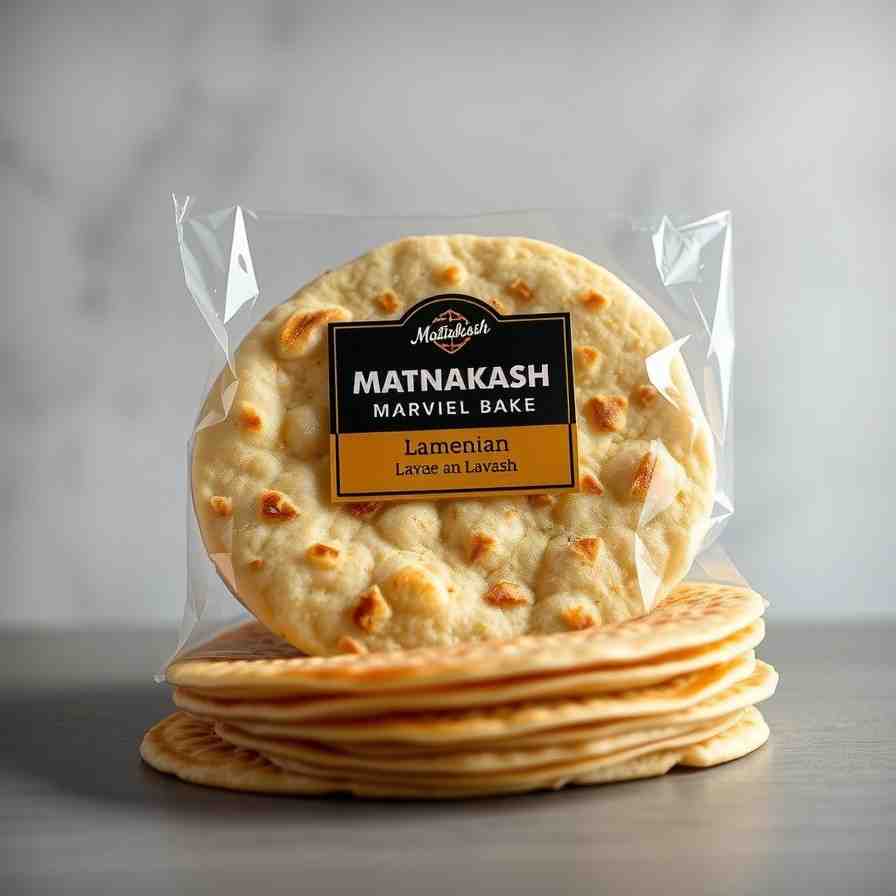

- Serves: 10 People
- Prepare Time: 25 minutes
- Cooking Time: 20 minutes
- Calories: -
- Difficulty: Easy
Welcome, fellow bakers, to a journey into the heart of Armenian culinary tradition! Today, we're unveiling the artistry of matnakash bread, a truly marvelous flatbread that's as delightful to make as it is to eat. Often known as lavash bread, this soft, pliable Armenian-style flatbread is a staple for wraps, kebabs, and dipping into your favorite spreads. Forget dry, cracking flatbreads – our matnakash bread recipe focuses on delivering a wonderfully flexible loaf that bends without breaking, perfect for any meal. Whether you're a seasoned bread making enthusiast or just starting your bread recipes adventure, this simple guide will walk you through creating an authentic taste of Armenia right in your own kitchen. Get ready to transform simple ingredients into a loaf of bread that's truly a marvel!
Ingredients
Directions
- Mix & Activate the Yeast In a large mixing bowl, combine the warm water, sugar (or honey), and active dry yeast. Stir gently and let it sit for 5-10 minutes. You're looking for a foamy, creamy layer to appear on top – this means your yeast is active and ready to work its magic! If it doesn't foam, your water might have been too hot or too cold, or your yeast might be past its prime. In that case, start fresh with new yeast and correctly tempered water.
- Make the Dough Once your yeast is bubbly, add the all-purpose flour, salt, and olive oil to the yeast mixture. Mix everything together with a wooden spoon or your hands until a shaggy, somewhat sticky ball of bread dough forms. Make sure there’s no dry flour left at the bottom of the bowl. It will look a bit rough, but don't worry, that's normal!
- Knead Until Smooth & Elastic Turn the shaggy dough out onto a lightly floured surface. Knead the dough for 8-10 minutes by hand, or 5-7 minutes using a stand mixer with a dough hook on medium-low speed. The dough should transform into a smooth, elastic ball that's slightly tacky but no longer super sticky or gluey. To check for readiness, perform the "poke test": gently press your finger into the dough; if it springs back slowly, it's ready.
- First Rise Lightly oil a clean large bowl. Place the kneaded dough ball into the bowl, turning it once to coat all sides with a thin layer of oil. Cover the bowl tightly with plastic wrap or a clean kitchen towel. Let the dough rise in a warm, draft-free spot at room temperature (around 70-75°F / 21-24°C) for 60-90 minutes, or until it looks puffy and has increased by about 50-75% in size. It shouldn't quite double, as we want a slightly denser, more pliable lavash.
- Divide & Rest the Dough Balls Gently punch down the risen dough to release the air. Transfer it to a lightly floured surface. Divide the dough into 10 equal pieces (for medium-sized lavash). For uniform results, you can use a kitchen scale to ensure each piece weighs about 60-65g. Shape each piece into a tight, smooth ball. Arrange the dough balls on your lightly floured surface and cover them with a clean kitchen towel. Let them rest for 15-20 minutes – this crucial step allows the gluten to relax, making the dough much easier to roll thinly.
- Roll the Lavash Super Thin While the dough balls are resting, place a heavy 12-inch cast-iron skillet or griddle over medium-high heat to preheat. Working with one dough ball at a time, keep the others covered to prevent them from drying out. On a lightly floured surface, use a rolling pin to roll each ball into a very thin, nearly translucent 8-10 inch round or oval shape. You should be able to almost see light through spots of the dough. Dust with just enough flour to prevent sticking, but avoid over-flouring. The thinner you roll, the softer and more flexible your final lavash bread will be.
- Cook in a Hot Skillet Once your skillet is thoroughly preheated (a drop of water should dance and evaporate immediately), carefully lay one rolled lavash dough into the dry, hot pan. Cook for 60-90 seconds on the first side, or until bubbles begin to form on the surface and the underside has golden-brown spots. Flip the lavash and cook for another 30-60 seconds on the second side, or until it's cooked through with a few more golden spots. The goal is to cook it just enough to be done, but not so long that it becomes crisp (unless you desire crisp lavash!). Immediately transfer the cooked lavash to a basket or plate lined with a clean kitchen towel. Cover the cooked lavash to trap the steam, which helps keep them soft and pliable while you continue cooking the remaining pieces.
Matnakash Marvel - Bake Soft Armenian Lavash Today
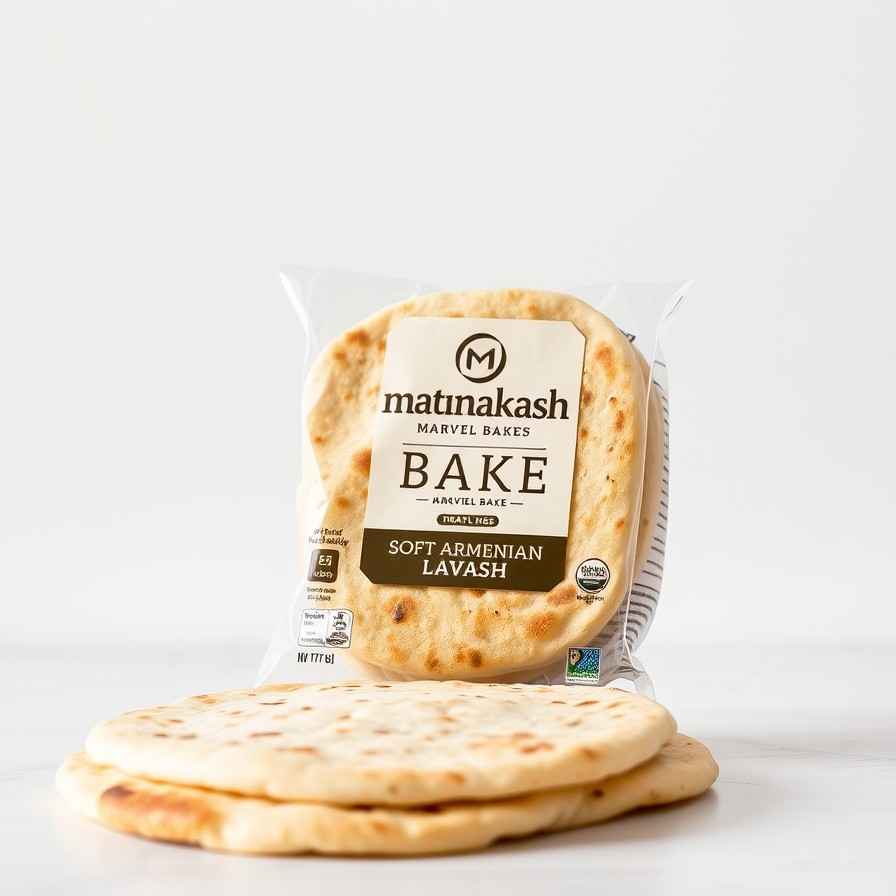
- Serves: 10 People
- Prepare Time: 25 minutes
- Cooking Time: 20 minutes
- Calories: -
- Difficulty: Easy
Welcome, fellow bakers, to a journey into the heart of Armenian culinary tradition! Today, we're unveiling the artistry of matnakash bread, a truly marvelous flatbread that's as delightful to make as it is to eat. Often known as lavash bread, this soft, pliable Armenian-style flatbread is a staple for wraps, kebabs, and dipping into your favorite spreads. Forget dry, cracking flatbreads – our matnakash bread recipe focuses on delivering a wonderfully flexible loaf that bends without breaking, perfect for any meal. Whether you're a seasoned bread making enthusiast or just starting your bread recipes adventure, this simple guide will walk you through creating an authentic taste of Armenia right in your own kitchen. Get ready to transform simple ingredients into a loaf of bread that's truly a marvel!
Ingredients
Directions
- Mix & Activate the Yeast In a large mixing bowl, combine the warm water, sugar (or honey), and active dry yeast. Stir gently and let it sit for 5-10 minutes. You're looking for a foamy, creamy layer to appear on top – this means your yeast is active and ready to work its magic! If it doesn't foam, your water might have been too hot or too cold, or your yeast might be past its prime. In that case, start fresh with new yeast and correctly tempered water.
- Make the Dough Once your yeast is bubbly, add the all-purpose flour, salt, and olive oil to the yeast mixture. Mix everything together with a wooden spoon or your hands until a shaggy, somewhat sticky ball of bread dough forms. Make sure there’s no dry flour left at the bottom of the bowl. It will look a bit rough, but don't worry, that's normal!
- Knead Until Smooth & Elastic Turn the shaggy dough out onto a lightly floured surface. Knead the dough for 8-10 minutes by hand, or 5-7 minutes using a stand mixer with a dough hook on medium-low speed. The dough should transform into a smooth, elastic ball that's slightly tacky but no longer super sticky or gluey. To check for readiness, perform the "poke test": gently press your finger into the dough; if it springs back slowly, it's ready.
- First Rise Lightly oil a clean large bowl. Place the kneaded dough ball into the bowl, turning it once to coat all sides with a thin layer of oil. Cover the bowl tightly with plastic wrap or a clean kitchen towel. Let the dough rise in a warm, draft-free spot at room temperature (around 70-75°F / 21-24°C) for 60-90 minutes, or until it looks puffy and has increased by about 50-75% in size. It shouldn't quite double, as we want a slightly denser, more pliable lavash.
- Divide & Rest the Dough Balls Gently punch down the risen dough to release the air. Transfer it to a lightly floured surface. Divide the dough into 10 equal pieces (for medium-sized lavash). For uniform results, you can use a kitchen scale to ensure each piece weighs about 60-65g. Shape each piece into a tight, smooth ball. Arrange the dough balls on your lightly floured surface and cover them with a clean kitchen towel. Let them rest for 15-20 minutes – this crucial step allows the gluten to relax, making the dough much easier to roll thinly.
- Roll the Lavash Super Thin While the dough balls are resting, place a heavy 12-inch cast-iron skillet or griddle over medium-high heat to preheat. Working with one dough ball at a time, keep the others covered to prevent them from drying out. On a lightly floured surface, use a rolling pin to roll each ball into a very thin, nearly translucent 8-10 inch round or oval shape. You should be able to almost see light through spots of the dough. Dust with just enough flour to prevent sticking, but avoid over-flouring. The thinner you roll, the softer and more flexible your final lavash bread will be.
- Cook in a Hot Skillet Once your skillet is thoroughly preheated (a drop of water should dance and evaporate immediately), carefully lay one rolled lavash dough into the dry, hot pan. Cook for 60-90 seconds on the first side, or until bubbles begin to form on the surface and the underside has golden-brown spots. Flip the lavash and cook for another 30-60 seconds on the second side, or until it's cooked through with a few more golden spots. The goal is to cook it just enough to be done, but not so long that it becomes crisp (unless you desire crisp lavash!). Immediately transfer the cooked lavash to a basket or plate lined with a clean kitchen towel. Cover the cooked lavash to trap the steam, which helps keep them soft and pliable while you continue cooking the remaining pieces.
You may also like

Hey there! I’m just someone who seriously loves good food and believes that cooking doesn’t have to be complicated to be amazing. Whether it’s a quick weeknight dinner or a cozy weekend meal, I’m all about sharing easy, tasty recipes that actually work.